Flechelles Olivier, Ho Annie, Hernert Patrice, Emeriaud Guillaume, Zaglam Nesrine, Cheriet Farida, Jouvet Philippe A
Pediatric ICU, Sainte-Justine Hospital, University of Montreal, Montreal, QC, Canada H3T 1C5 ; Pediatric and Neonatal ICU, MFME Hospital, Fort de France, 97261 Martinique, France.
Crit Care Res Pract. 2013;2013:943281. doi: 10.1155/2013/943281. Epub 2013 Mar 7.
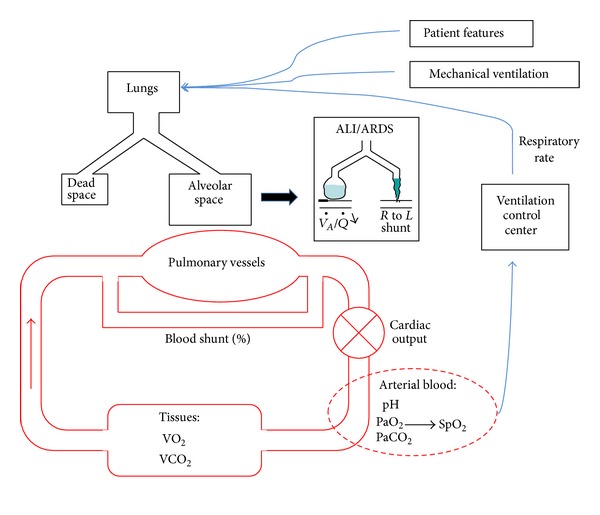
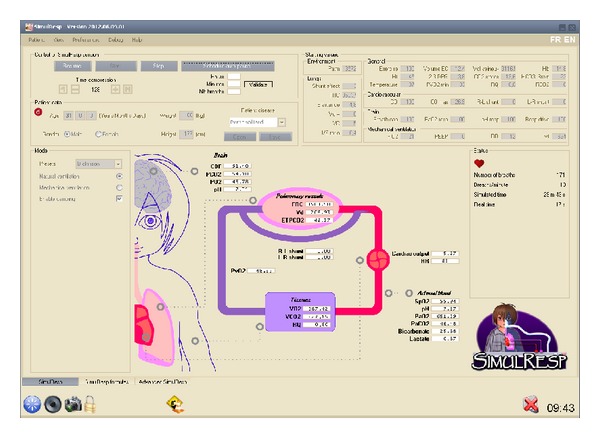
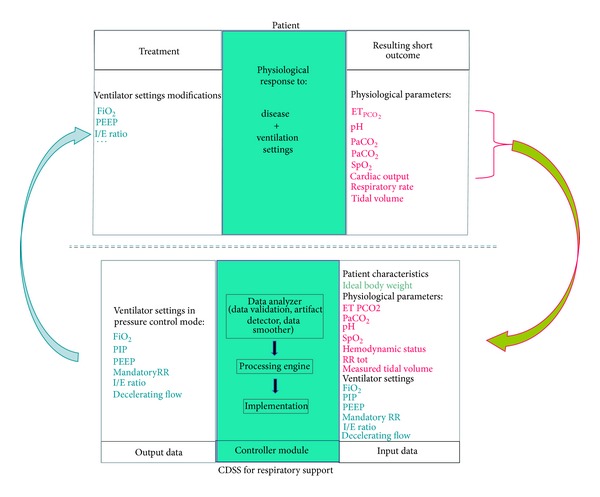
Mechanical ventilation is a very effective therapy, but with many complications. Simulators are used in many fields, including medicine, to enhance safety issues. In the intensive care unit, they are used for teaching cardiorespiratory physiology and ventilation, for testing ventilator performance, for forecasting the effect of ventilatory support, and to determine optimal ventilatory management. They are also used in research and development of clinical decision support systems (CDSSs) and explicit computerized protocols in closed loop. For all those reasons, cardiorespiratory simulators are one of the tools that help to decrease mechanical ventilation duration and complications. This paper describes the different types of simulators described in the literature for physiologic simulation and modeling of the respiratory system, including a new simulator (SimulResp), and proposes a validation process for these simulators.
机械通气是一种非常有效的治疗方法,但存在许多并发症。模拟器在包括医学在内的许多领域被用于增强安全问题。在重症监护病房,它们用于教授心肺生理学和通气、测试呼吸机性能、预测通气支持的效果以及确定最佳通气管理。它们还用于临床决策支持系统(CDSS)的研发以及闭环中的显式计算机化协议。出于所有这些原因,心肺模拟器是有助于缩短机械通气时间和减少并发症的工具之一。本文描述了文献中针对呼吸系统生理模拟和建模所描述的不同类型的模拟器,包括一种新的模拟器(SimulResp),并为这些模拟器提出了一个验证过程。