Department of Physiology, Michigan State University, East Lansing, MI 48824, USA.
Cell Death Dis. 2013 Mar 28;4(3):e560. doi: 10.1038/cddis.2013.82.
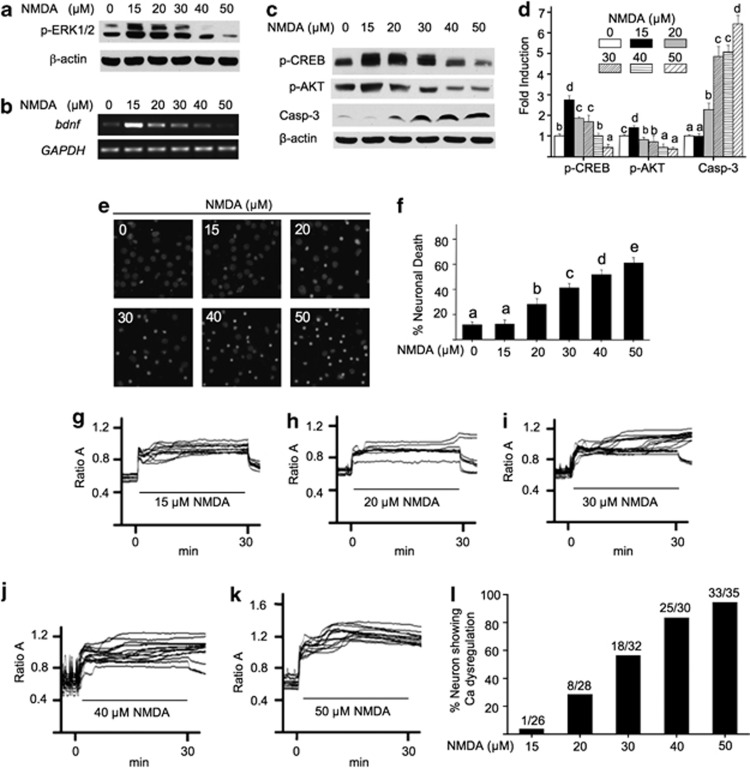
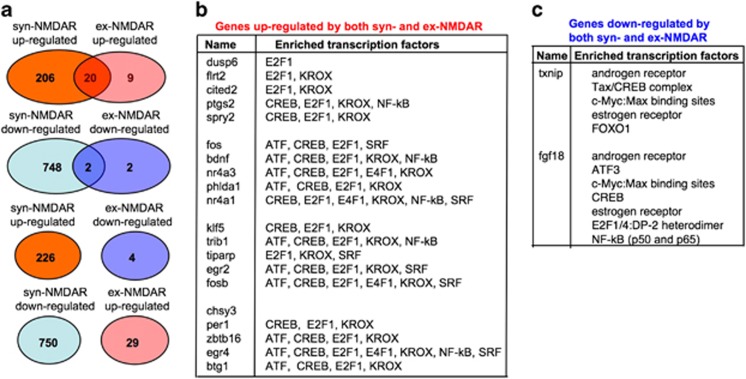
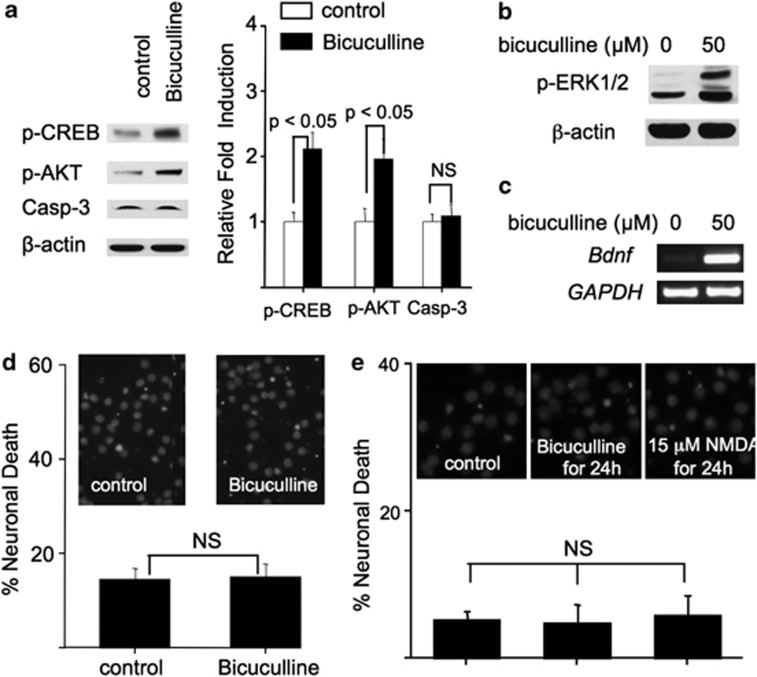
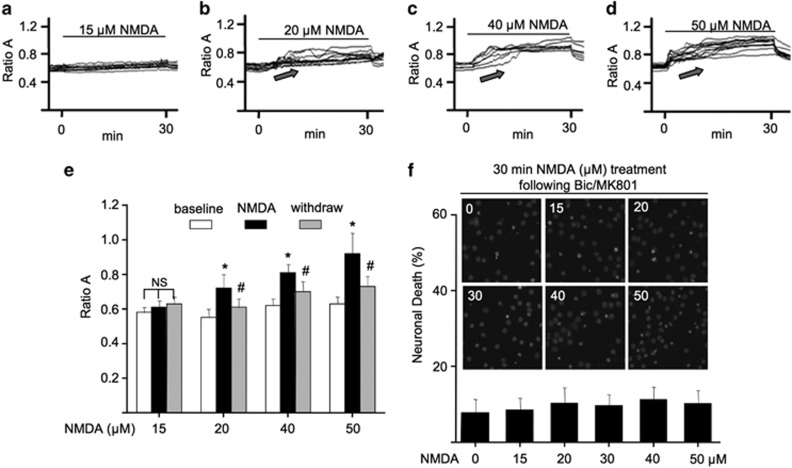
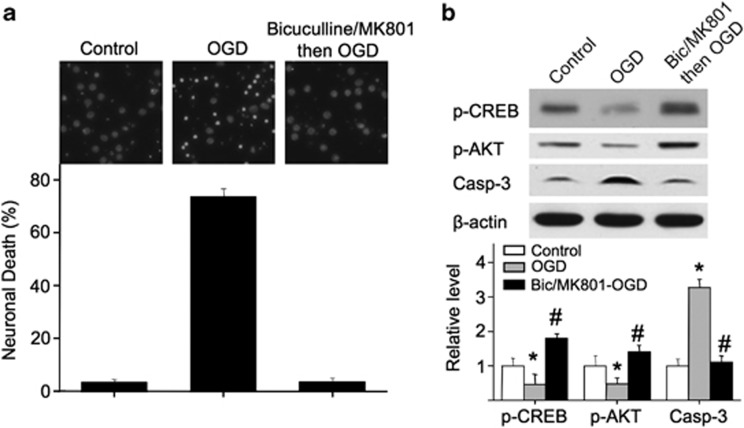
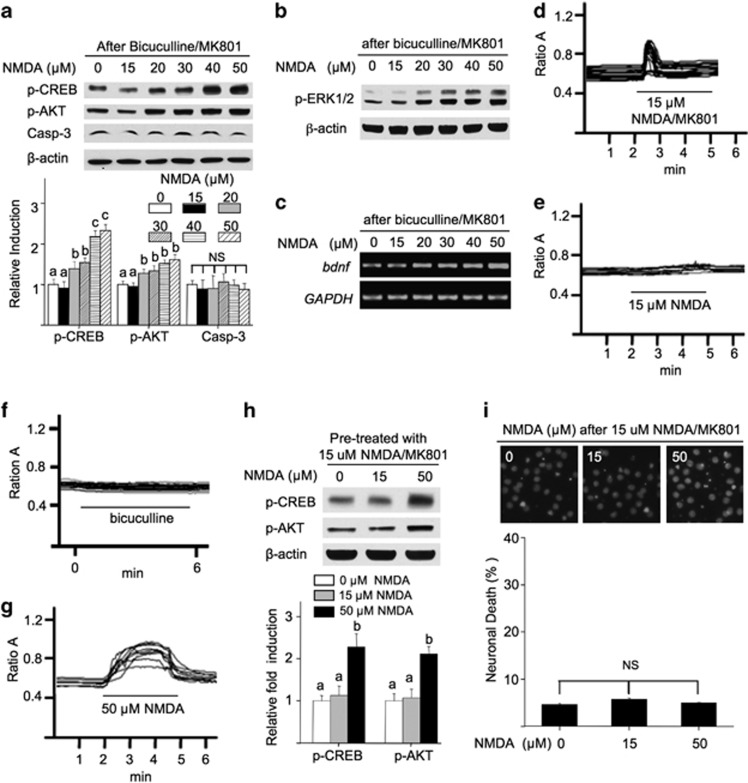
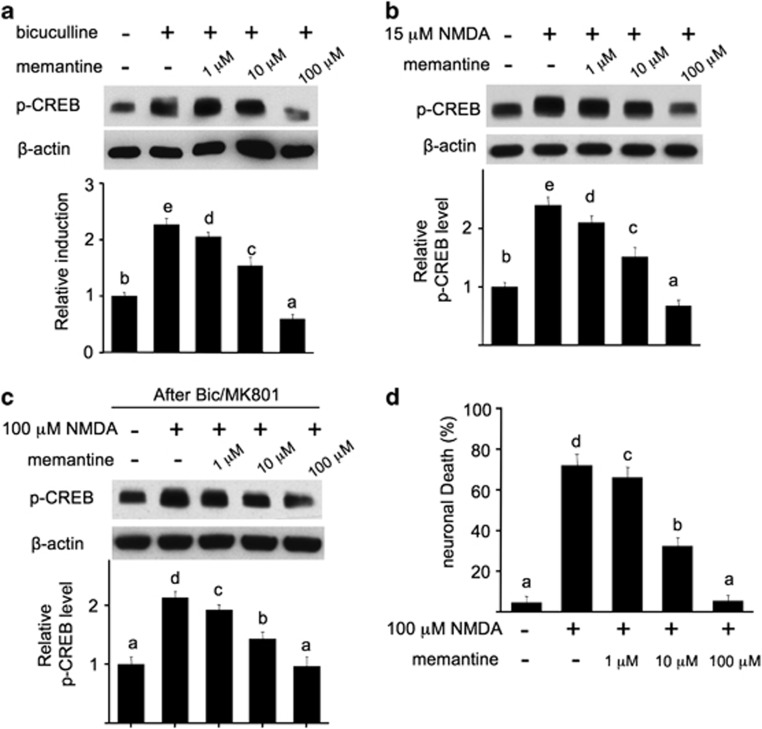
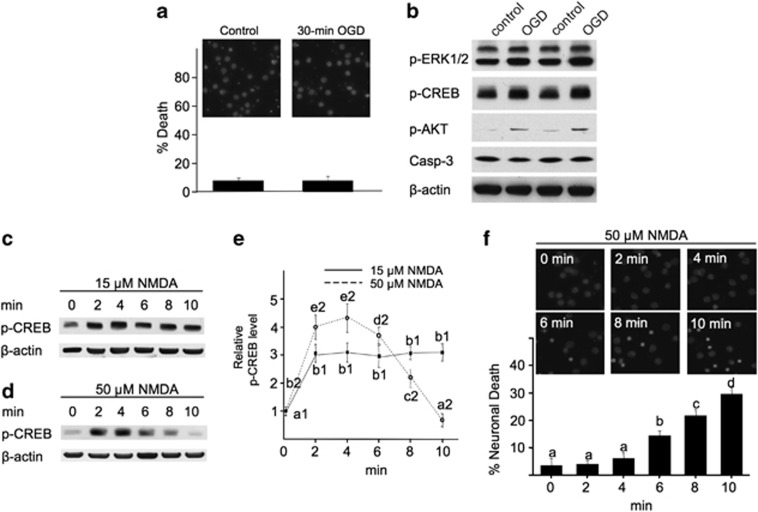
N-methyl-D-aspartate receptors (NMDAR) overactivation is linked to neurodegeneration. The current prevailing theory suggests that synaptic and extrasynaptic NMDAR (syn- and ex-NMDAR) impose counteracting effects on cell fate, and neuronal cell death is mainly mediated by the activation of ex-NMDAR. However, several lines of evidence implicate the limitation of this theory. Here, we demonstrate that activation of NMDAR bi-directionally regulated cell fate through stimulating pro-survival or pro-death signaling. While low-dose NMDA preferentially activated syn-NMDAR and stimulated the extracellular signal-regulated kinase ½-cAMP responsive element-binding protein-brain-derived neurotrophic factor pro-survival signaling, higher doses progressively activated increasing amount of ex-NMDAR along with syn-NMDAR and triggered cell death program. Interestingly, the activation of syn- or ex-NMDAR alone did not cause measurable cell death. Consistently, activation of syn- or ex-NMDAR alone stimulated pro-survival but not pro-death signaling. Next, we found that memantine, which was previously identified as an ex-NMDAR blocker, inhibited intracellular signaling mediated by syn- or ex-NMDAR. Simultaneous blockade of syn- and ex-NMDAR by memantine dose-dependently attenuated NMDAR-mediated death. Moreover, long- but not short-term treatment with high-dose NMDA or oxygen-glucose deprivation triggered cell death and suppressed pro-survival signaling. These data implicate that activation of syn- or ex-NMDAR alone is not neurotoxic. The degree of excitotoxicity depends on the magnitude and duration of syn- and ex-NMDAR coactivation. Finally, genome-wide examination demonstrated that the activation of syn- and ex-NMDAR lead to significant overlapping rather than counteracting transcriptional responses.
N-甲基-D-天冬氨酸受体(NMDAR)过度激活与神经退行性变有关。目前流行的理论认为,突触和 extrasynaptic NMDAR(syn- 和 ex-NMDAR)对细胞命运施加拮抗作用,神经元细胞死亡主要是由 ex-NMDAR 的激活介导的。然而,有几条证据表明该理论存在局限性。在这里,我们证明 NMDAR 的激活通过刺激促生存或促死亡信号双向调节细胞命运。虽然低剂量 NMDA 优先激活 syn-NMDAR 并刺激细胞外信号调节激酶 1/2-cAMP 反应元件结合蛋白-脑源性神经营养因子促生存信号,但较高剂量逐渐激活越来越多的 ex-NMDAR 以及 syn-NMDAR,并触发细胞死亡程序。有趣的是,单独激活 syn-NMDAR 或 ex-NMDAR 本身不会导致可测量的细胞死亡。一致地,单独激活 syn-NMDAR 或 ex-NMDAR 刺激促生存但不刺激促死亡信号。接下来,我们发现先前被鉴定为 ex-NMDAR 阻断剂的美金刚胺抑制了 syn-NMDAR 或 ex-NMDAR 介导的细胞内信号。美金刚胺对 syn-NMDAR 和 ex-NMDAR 的同时阻断剂量依赖性地减弱了 NMDAR 介导的死亡。此外,长期但不是短期高剂量 NMDA 或氧葡萄糖剥夺处理触发细胞死亡并抑制促生存信号。这些数据表明,单独激活 syn-NMDAR 或 ex-NMDAR 本身并不具有神经毒性。兴奋性毒性的程度取决于 syn-NMDAR 和 ex-NMDAR 的共同激活的幅度和持续时间。最后,全基因组检查表明 syn-NMDAR 和 ex-NMDAR 的激活导致显著重叠而不是拮抗的转录反应。