Department of Respiratory Diseases, The 1st Affiliated Hospital of Guangzhou Medical College, Guangzhou, China.
PLoS One. 2013;8(3):e59263. doi: 10.1371/journal.pone.0059263. Epub 2013 Mar 21.
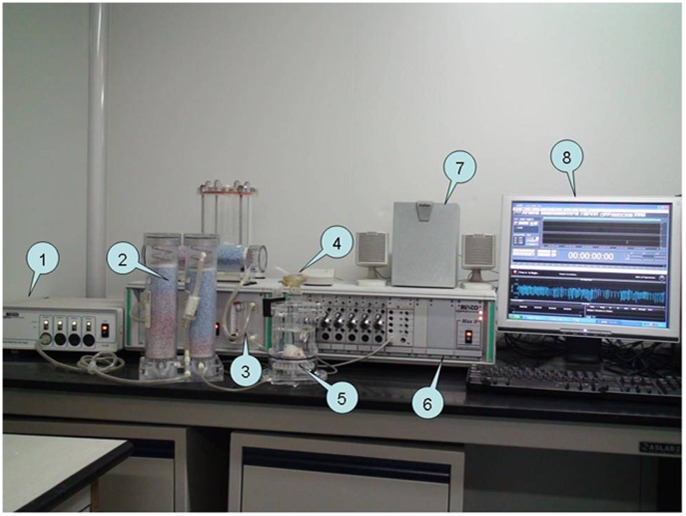
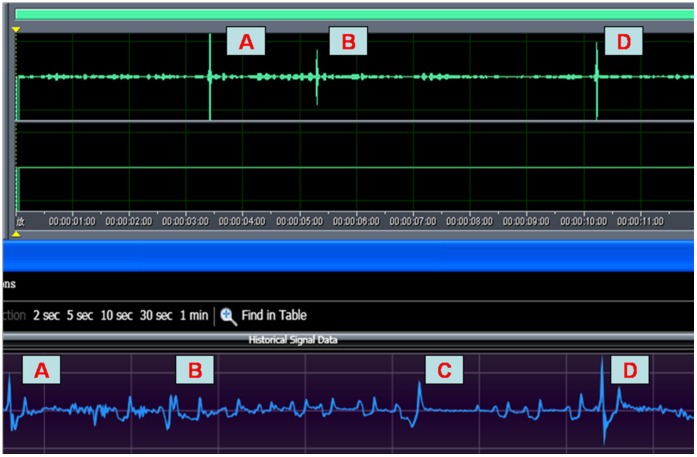
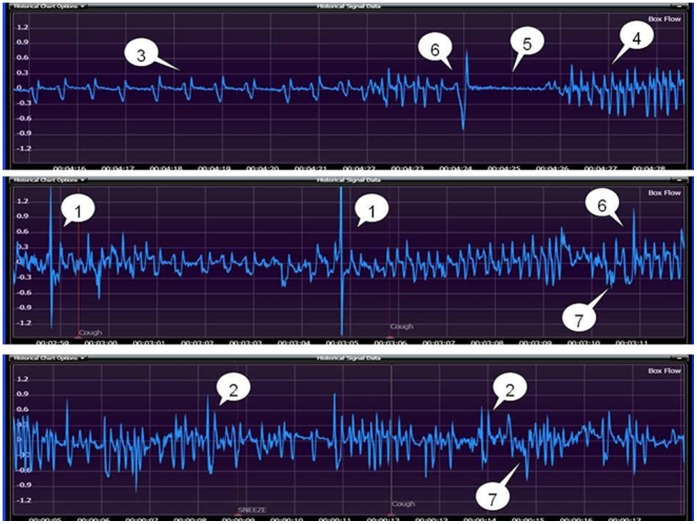
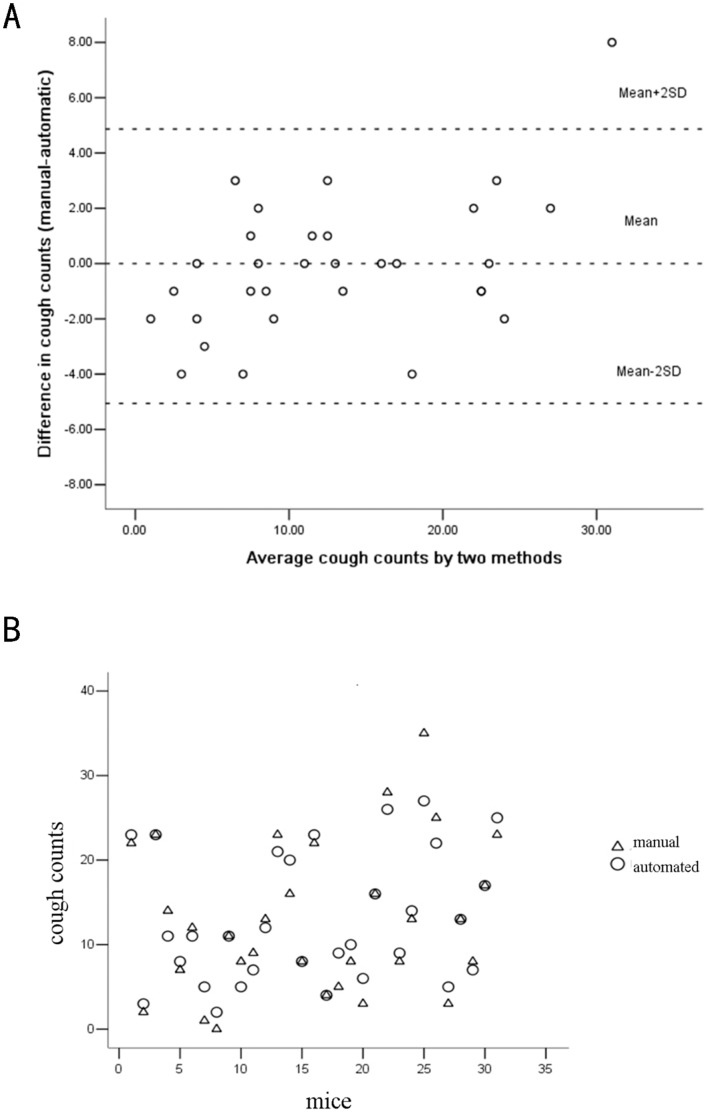
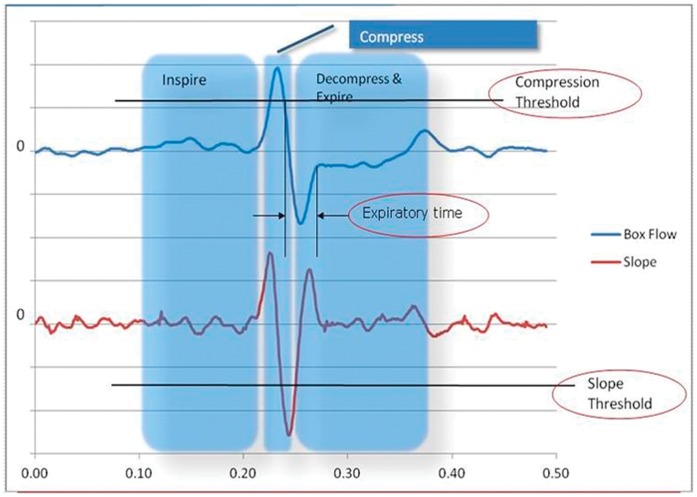
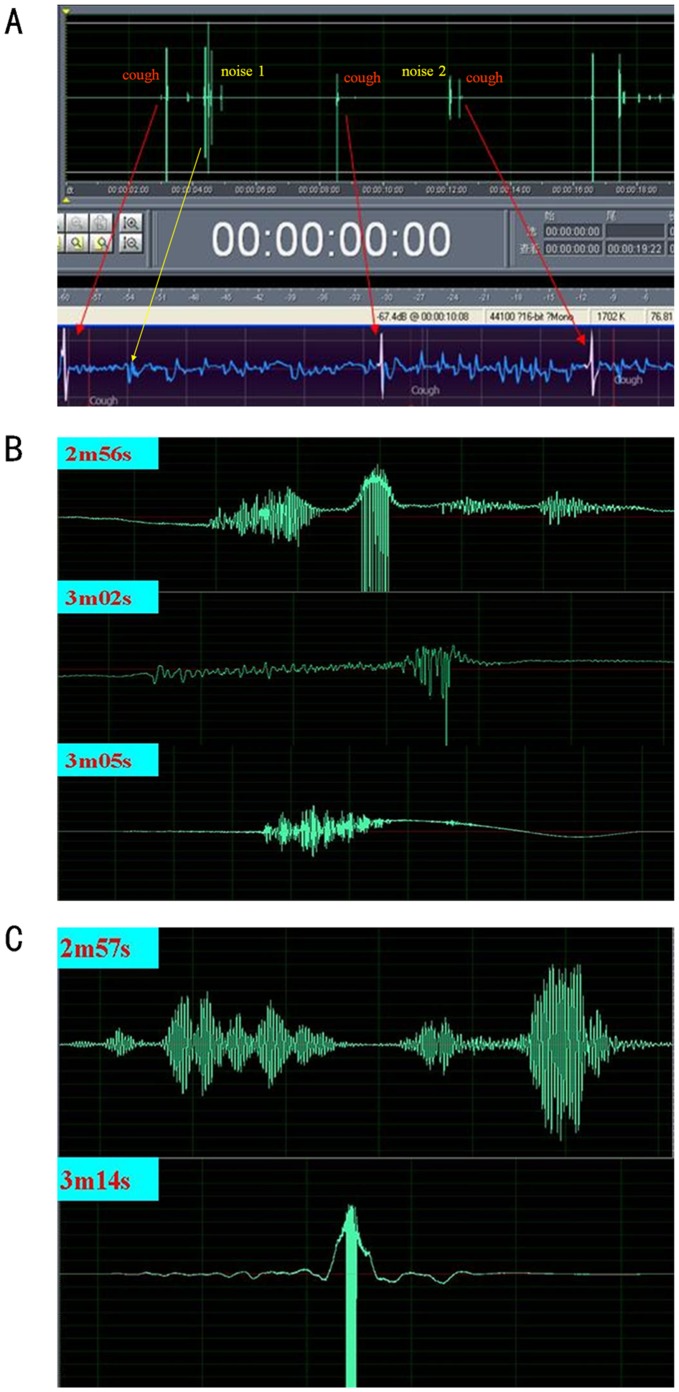
Detection for cough in mice has never yielded clearly audible sounds, so there is still a great deal of debates as to whether mice can cough in response to tussive stimuli. Here we introduce an approach for detection of mouse cough based on sound monitoring and airflow signals. 40 Female BALB/c mice were pretreated with normal saline, codeine, capasazepine or desensitized with capsaicin. Single mouse was put in a plethysmograph, exposed to aerosolized 100 µmol/L capsaicin for 3 min, followed by continuous observation for 3 min. Airflow signals of total 6 min were recorded and analyzed to detect coughs. Simultaneously, mouse cough sounds were sensed by a mini-microphone, monitored manually by an operator. When manual and automatic detection coincided, the cough was positively identified. Sound and sound waveforms were also recorded and filtered for further analysis. Body movements were observed by operator. Manual versus automated counts were compared. Seven types of airflow signals were identified by integrating manual and automated monitoring. Observation of mouse movements and analysis of sound waveforms alone did not produce meaningful data. Mouse cough numbers decreased significantly after all above drugs treatment. The Bland-Altman and consistency analysis between automatic and manual counts was 0.968 and 0.956. The study suggests that the mouse is able to present with cough, which could be detected by sound monitoring and respiratory airflow waveform changes.
目前为止,尚未从检测到的小鼠咳嗽声中获得清晰可辨的声音,因此,关于是否可以因刺激性刺激而咳嗽,仍存在很多争议。在这里,我们引入了一种基于声音监测和气流信号检测小鼠咳嗽的方法。将 40 只雌性 BALB/c 小鼠用生理盐水、可待因、卡巴喷丁预处理,或用辣椒素脱敏。将单只小鼠放入体积描记仪中,用雾化的 100μmol/L 辣椒素暴露 3 分钟,然后连续观察 3 分钟。记录并分析总共 6 分钟的气流信号以检测咳嗽。同时,使用微型麦克风感应小鼠咳嗽声,由操作人员手动监测。当手动和自动检测结果一致时,可确定为咳嗽。记录声音和声音波形并进行滤波,以进一步分析。操作人员观察小鼠运动情况。比较手动计数和自动计数。通过整合手动和自动监测,识别出 7 种气流信号。单独观察小鼠运动和分析声音波形没有产生有意义的数据。在所有上述药物处理后,小鼠咳嗽次数明显减少。自动计数和手动计数的 Bland-Altman 分析和一致性分析分别为 0.968 和 0.956。该研究表明,小鼠能够出现咳嗽,并且可以通过声音监测和呼吸气流波形变化检测到。