University of Plymouth, Drake Circus, Plymouth, Devon PL4 8AA, UK.
Int J Health Geogr. 2013 Apr 5;12:18. doi: 10.1186/1476-072X-12-18.
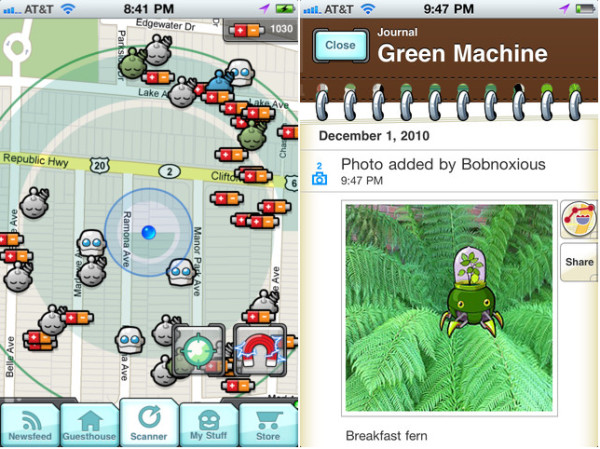
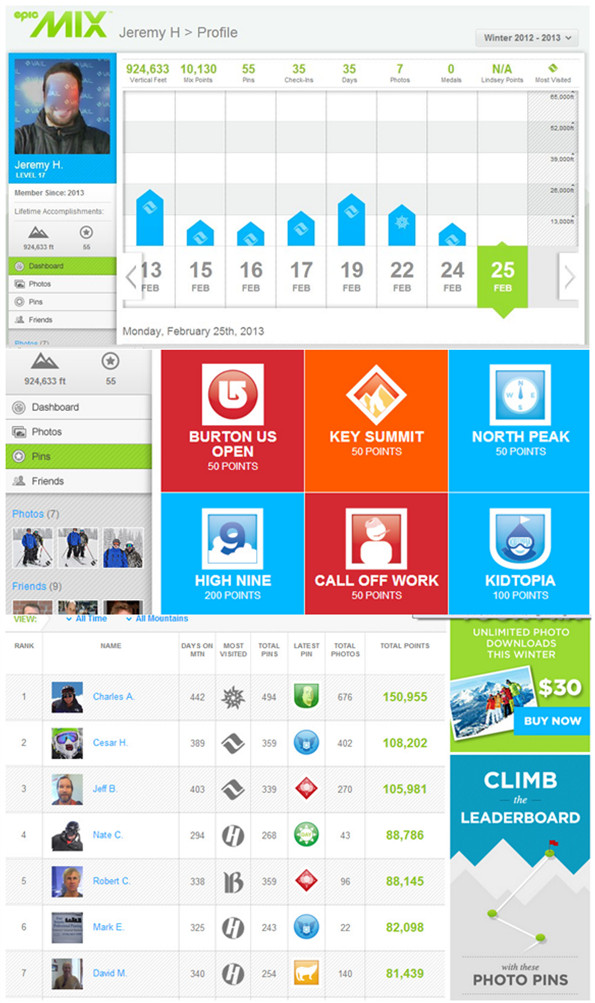
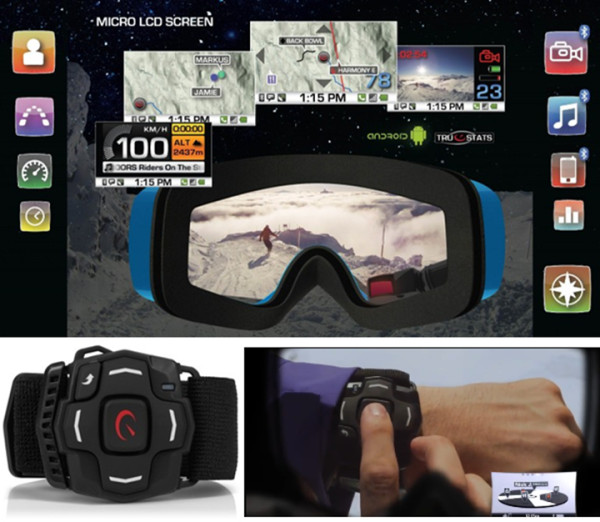
Large numbers of children and adolescents in Canada, UK and USA are not getting their recommended daily dose of moderate to vigorous physical activity, and are thus more prone to obesity and its ill health effects. Exergames (video games that require physical activity to play) are rapidly gaining user acceptance, and may have the potential to increase physical activity levels among young people. Mobile exergames for GPS (global positioning system)-enabled smartphones and mini-tablets take players outdoors, in the open air, unlike console exergames, e.g., Xbox 360 Kinect exergames, which limit players to playing indoors in front of a TV set. In this paper and its companion 'Additional file 1', we review different examples of GPS exergames and of gamified geosocial apps and gadgets (mobile, location-aware apps and devices with social and gamification features), and briefly discuss some of the issues surrounding their use. Further research is needed to document best practices in this area, quantify the exact health and fitness benefits of GPS exergames and apps (under different settings and scenarios), and find out what is needed to improve them and the best ways to promote their adoption by the public.
加拿大、英国和美国的大量儿童和青少年没有达到推荐的每日适量至剧烈身体活动量,因此更容易肥胖和出现健康问题。运动游戏(需要身体活动才能玩的视频游戏)正在迅速获得用户认可,并且有可能提高年轻人的身体活动水平。具有全球定位系统 (GPS) 功能的智能手机和平板电脑的移动运动游戏将玩家带到户外,在户外,与游戏机运动游戏(例如 Xbox 360 Kinect 运动游戏)不同,后者限制玩家只能在电视机前的室内玩。在本文及其配套的“附加文件 1”中,我们回顾了不同的 GPS 运动游戏示例和游戏化地理社交应用程序和小工具(具有社交和游戏化功能的移动、位置感知应用程序和设备),并简要讨论了围绕它们使用的一些问题。需要进一步研究来记录这一领域的最佳实践,量化 GPS 运动游戏和应用程序(在不同的设置和场景下)的确切健康和健身益处,并确定需要改进的地方以及推广它们被公众采用的最佳方式。