Department of Anesthesiology and Critical Care Medicine, Johns Hopkins University, Baltimore, MD, USA.
PLoS One. 2013;8(4):e61186. doi: 10.1371/journal.pone.0061186. Epub 2013 Apr 5.
Immune-mediated, drug-induced liver injury (DILI) triggered by drug haptens is more prevalent in women than in men. However, mechanisms responsible for this sex bias are not clear. Immune regulation by CD4+CD25+FoxP3+ regulatory T-cells (Tregs) and 17β-estradiol is crucial in the pathogenesis of sex bias in cancer and autoimmunity. Therefore, we investigated their role in a mouse model of immune-mediated DILI.
To model DILI, we immunized BALB/c, BALB/cBy, IL-6-deficient, and castrated BALB/c mice with trifluoroacetyl chloride-haptenated liver proteins. We then measured degree of hepatitis, cytokines, antibodies, and Treg and splenocyte function.
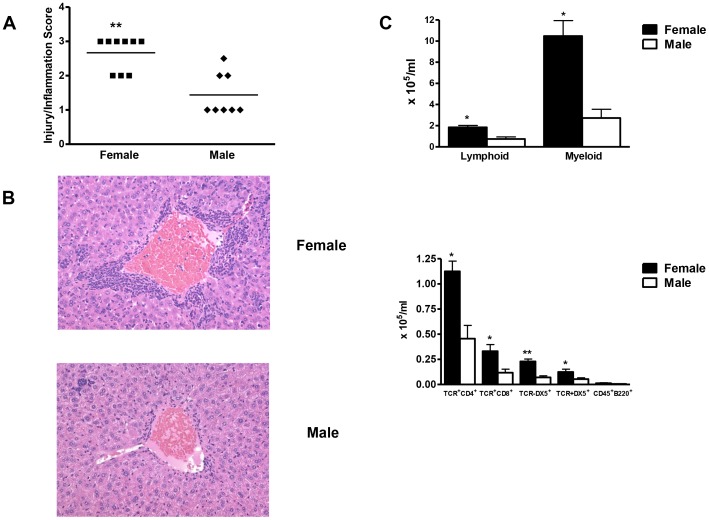
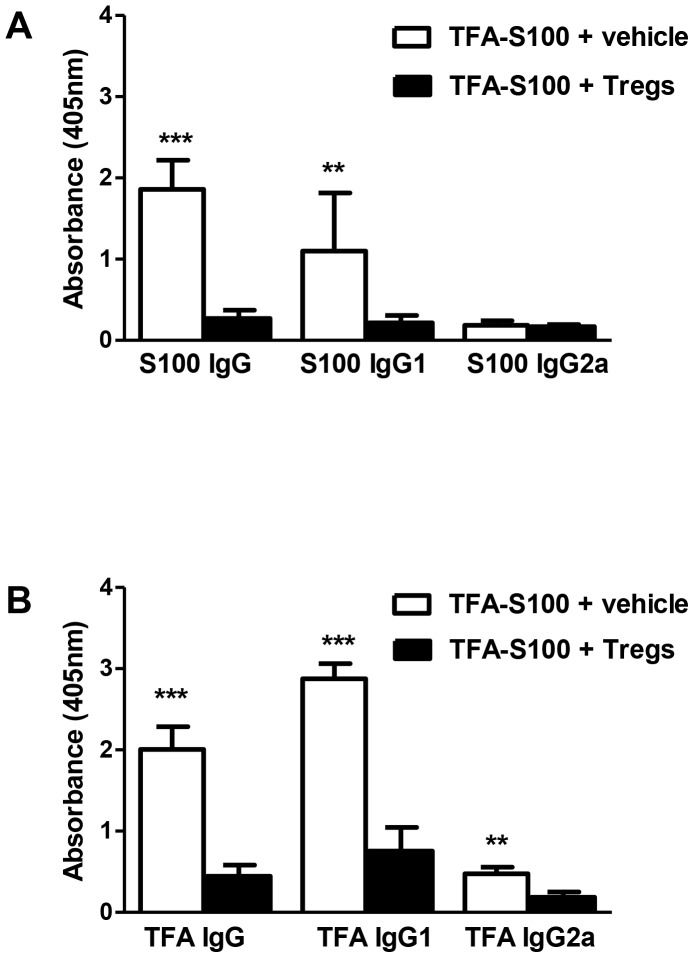
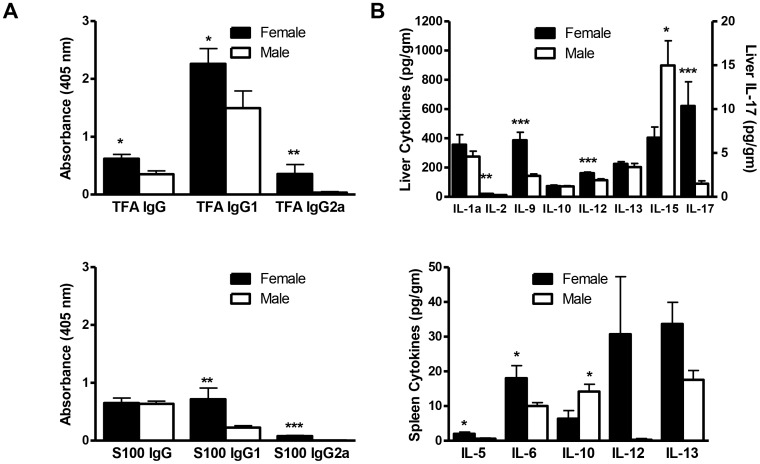
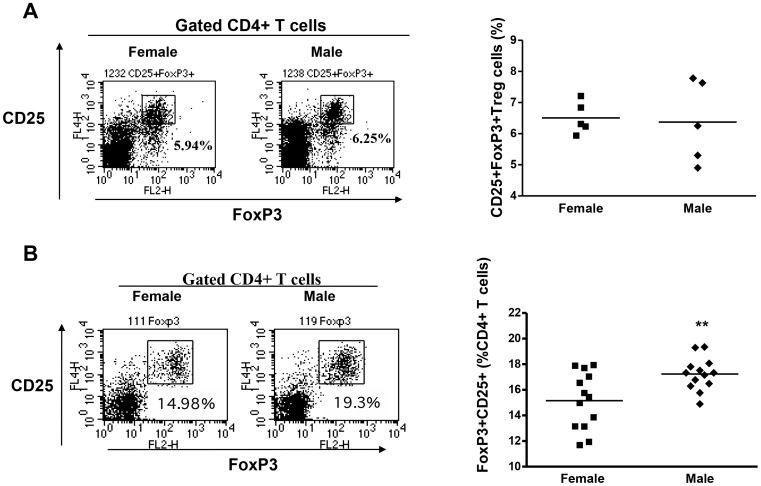
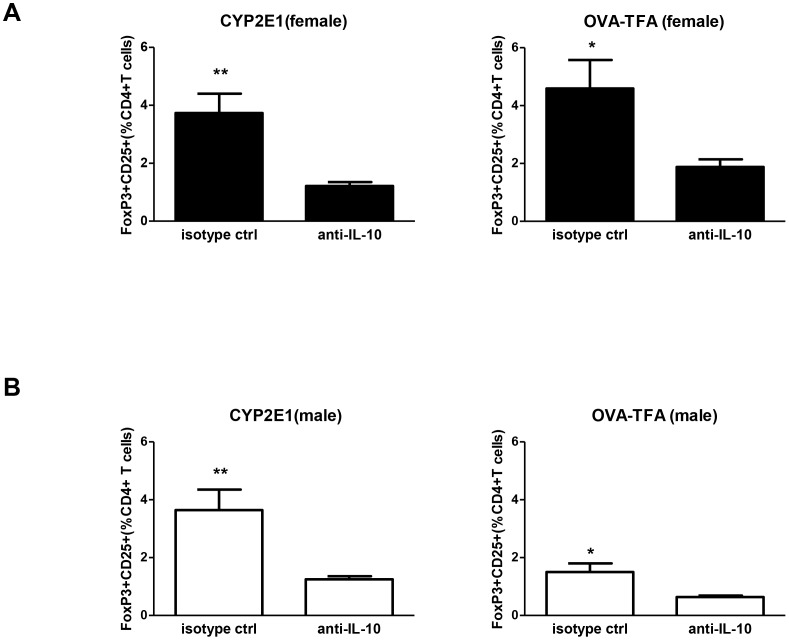
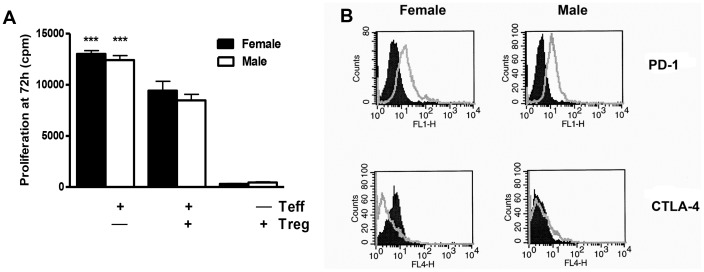
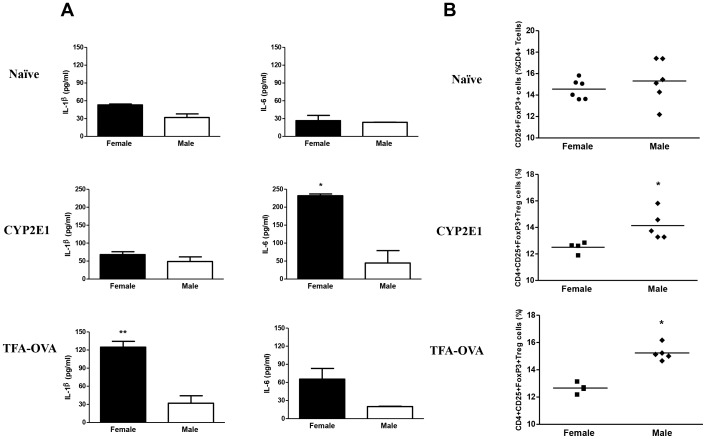
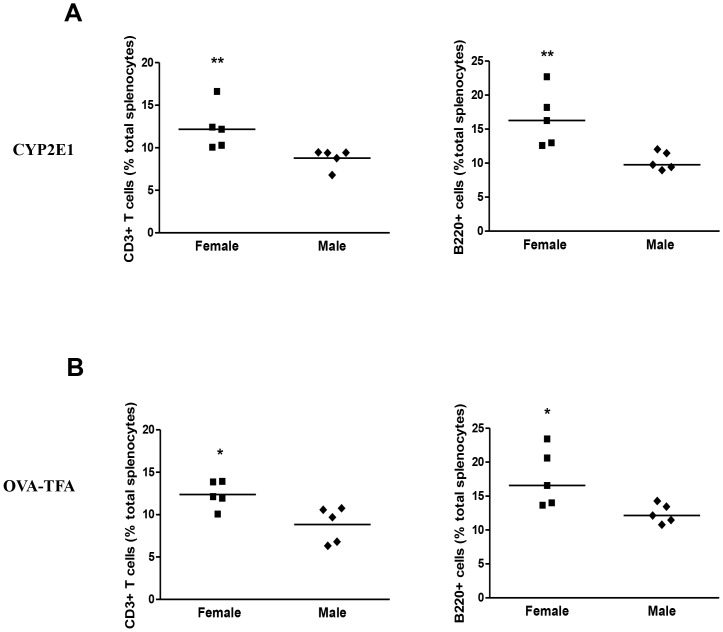
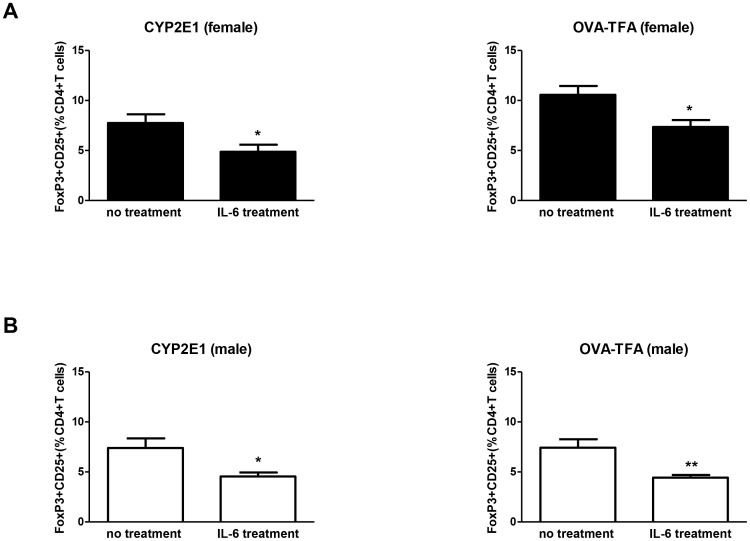
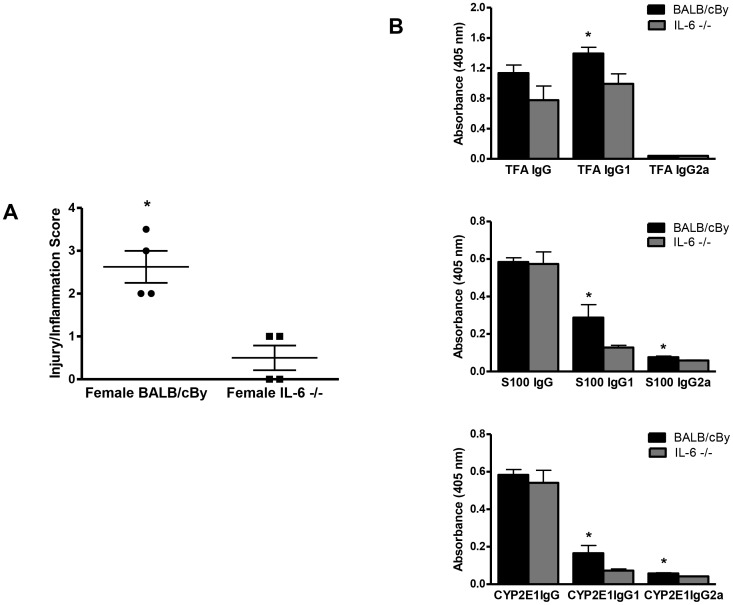
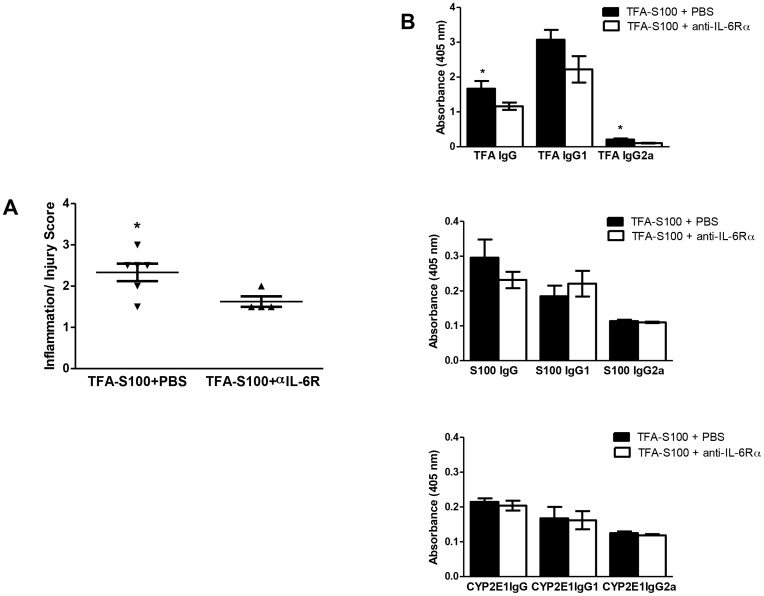
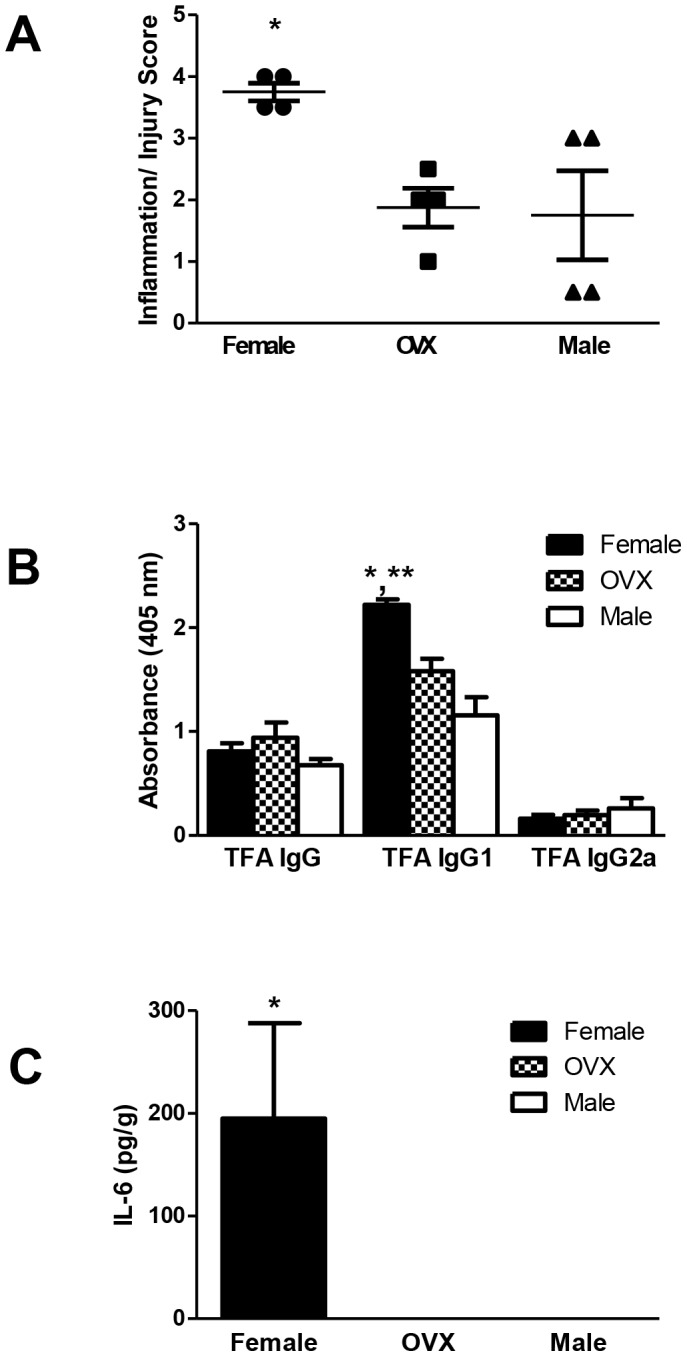
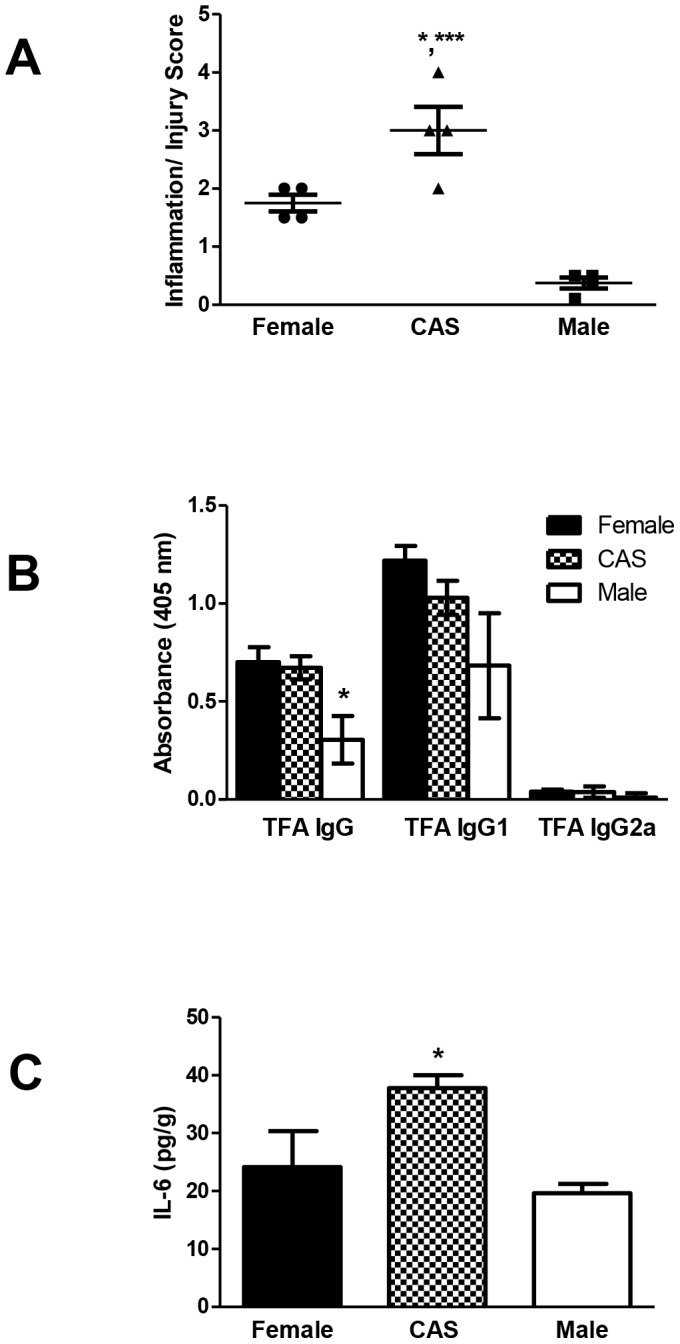
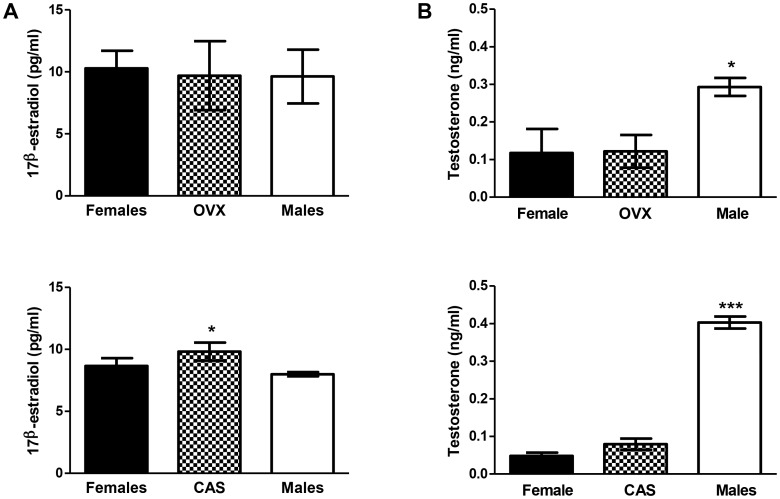
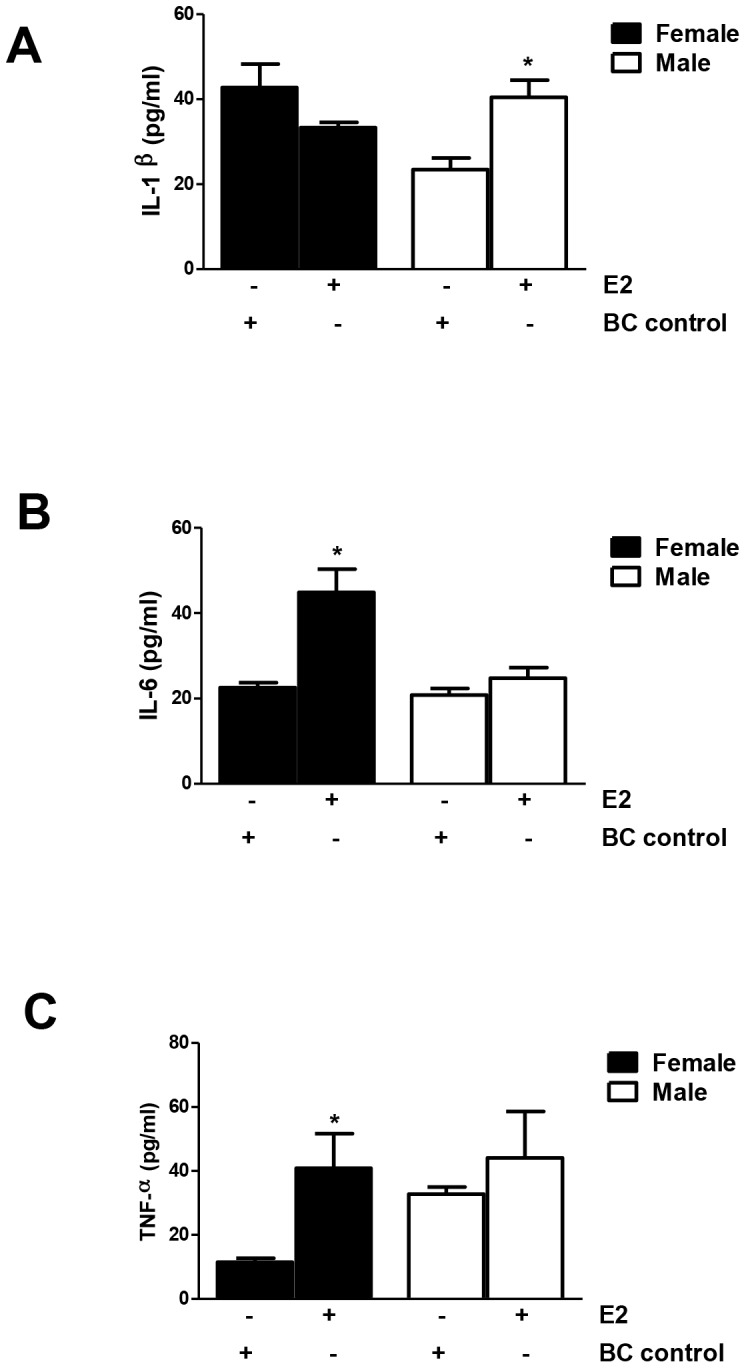
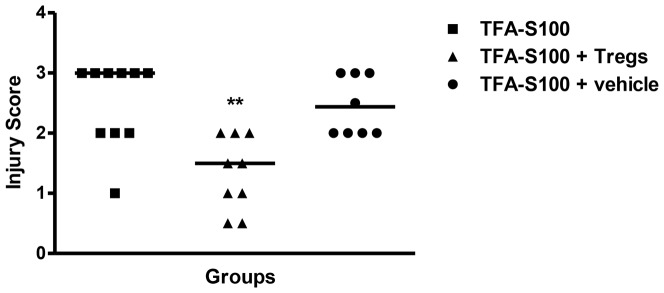
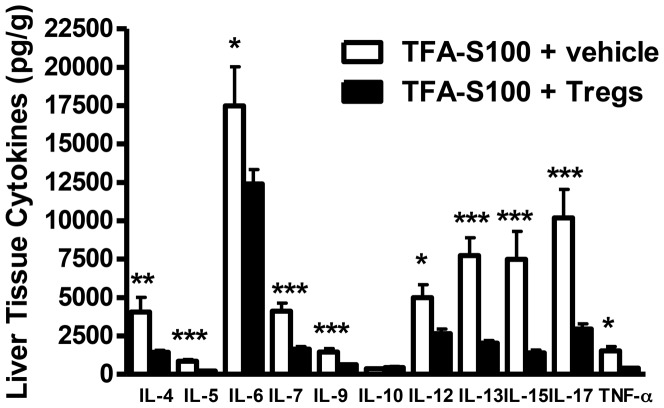
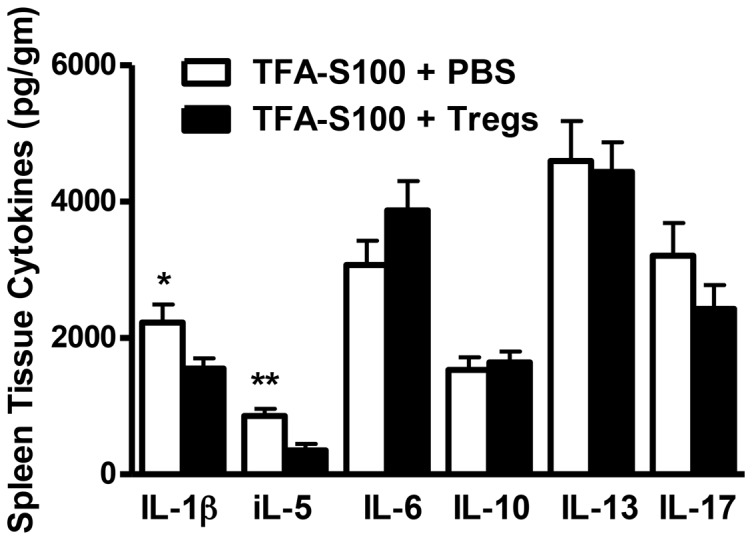
BALB/c females developed more severe hepatitis (p<0.01) and produced more pro-inflammatory hepatic cytokines and antibodies (p<0.05) than did males. Castrated males developed more severe hepatitis than did intact males (p<0.001) and females (p<0.05). Splenocytes cultured from female mice exhibited fewer Tregs (p<0.01) and higher IL-1β (p<0.01) and IL-6 (p<0.05) than did those from males. However, Treg function did not differ by sex, as evidenced by absence of sex bias in programmed death receptor-1 and responses to IL-6, anti-IL-10, anti-CD3, and anti-CD28. Diminished hepatitis in IL-6-deficient, anti-IL-6 receptor α-treated, ovariectomized, or male mice; undetectable IL-6 levels in splenocyte supernatants from ovariectomized and male mice; elevated splenic IL-6 and serum estrogen levels in castrated male mice, and IL-6 induction by 17β-estradiol in splenocytes from naïve female mice (p<0.05) suggested that 17β-estradiol may enhance sex bias through IL-6 induction, which subsequently discourages Treg survival. Treg transfer from naïve female mice to those with DILI reduced hepatitis severity and hepatic IL-6.
17β-estradiol and IL-6 may act synergistically to promote sex bias in experimental DILI by reducing Tregs. Modulating Treg numbers may provide a therapeutic approach to DILI.
药物半抗原引起的免疫介导的药物性肝损伤(DILI)在女性中比男性更为常见。然而,导致这种性别差异的机制尚不清楚。CD4+CD25+FoxP3+调节性 T 细胞(Tregs)和 17β-雌二醇对免疫的调节在癌症和自身免疫中的性别差异发病机制中至关重要。因此,我们在免疫介导的 DILI 小鼠模型中研究了它们的作用。
为了模拟 DILI,我们用三氟乙酰氯-半抗原化肝蛋白免疫 BALB/c、BALB/cBy、IL-6 缺陷和去势 BALB/c 小鼠。然后测量肝炎程度、细胞因子、抗体和 Treg 以及脾细胞功能。
BALB/c 雌性比雄性更严重地发生肝炎(p<0.01),并产生更多的促炎肝细胞因子和抗体(p<0.05)。去势雄性比完整雄性(p<0.001)和雌性(p<0.05)更严重地发生肝炎。与雄性相比,来自雌性小鼠的脾细胞显示出更少的 Tregs(p<0.01)和更高的 IL-1β(p<0.01)和 IL-6(p<0.05)。然而,Treg 功能没有性别差异,这表明程序性死亡受体-1 没有性别偏见,对 IL-6、抗 IL-10、抗 CD3 和抗 CD28 的反应没有性别偏见。IL-6 缺陷、抗 IL-6 受体 α 治疗、卵巢切除或雄性小鼠的肝炎减轻;卵巢切除和雄性小鼠脾细胞上清液中未检测到 IL-6;去势雄性小鼠的脾脏 IL-6 和血清雌激素水平升高;17β-雌二醇在幼稚雌性小鼠脾细胞中诱导 IL-6(p<0.05)表明,17β-雌二醇可能通过诱导 IL-6 增强性别偏见,从而随后抑制 Treg 的存活。将幼稚雌性小鼠的 Treg 转移到 DILI 小鼠中可减轻肝炎严重程度和肝内 IL-6。
17β-雌二醇和 IL-6 可能通过减少 Tregs 协同作用促进实验性 DILI 的性别偏见。调节 Treg 数量可能为 DILI 提供一种治疗方法。