Martins Marta, McCusker Matthew P, Viveiros Miguel, Couto Isabel, Fanning Séamus, Pagès Jean-Marie, Amaral Leonard
School of Public Health, Physiotherapy and Population Science, Centre for Molecular Innovation and Drug Discovery, Centre for Food Safety, Science Centre South, Room S125, University College Dublin, Belfield, Dublin 4, Ireland ; Cost Action BM0701 (ATENS).
Open Microbiol J. 2013 Mar 22;7:72-82. doi: 10.2174/1874285801307010072. Print 2013.
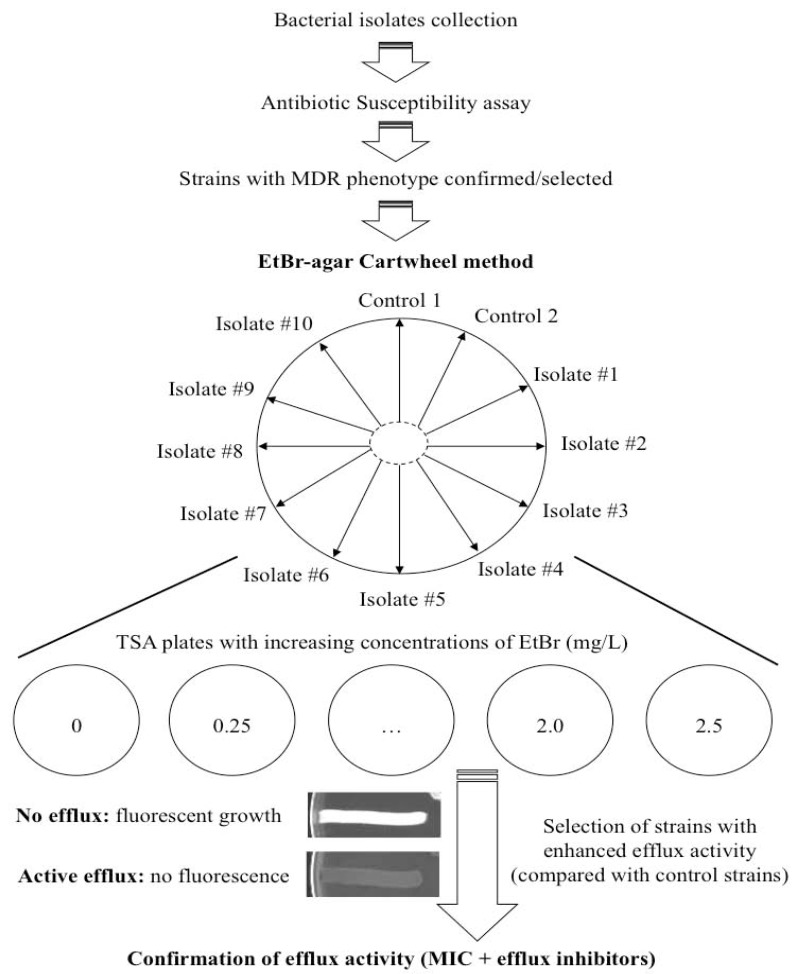
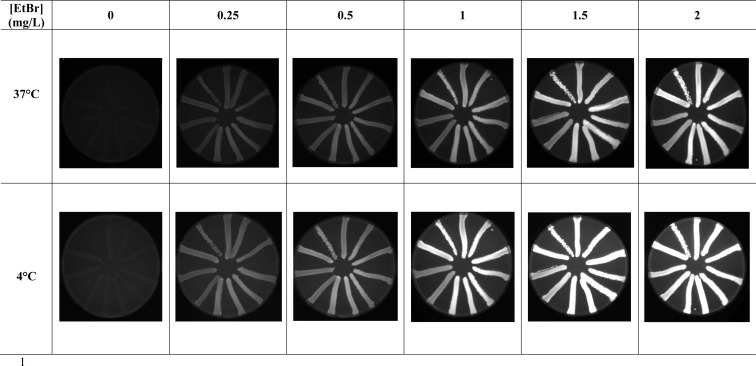
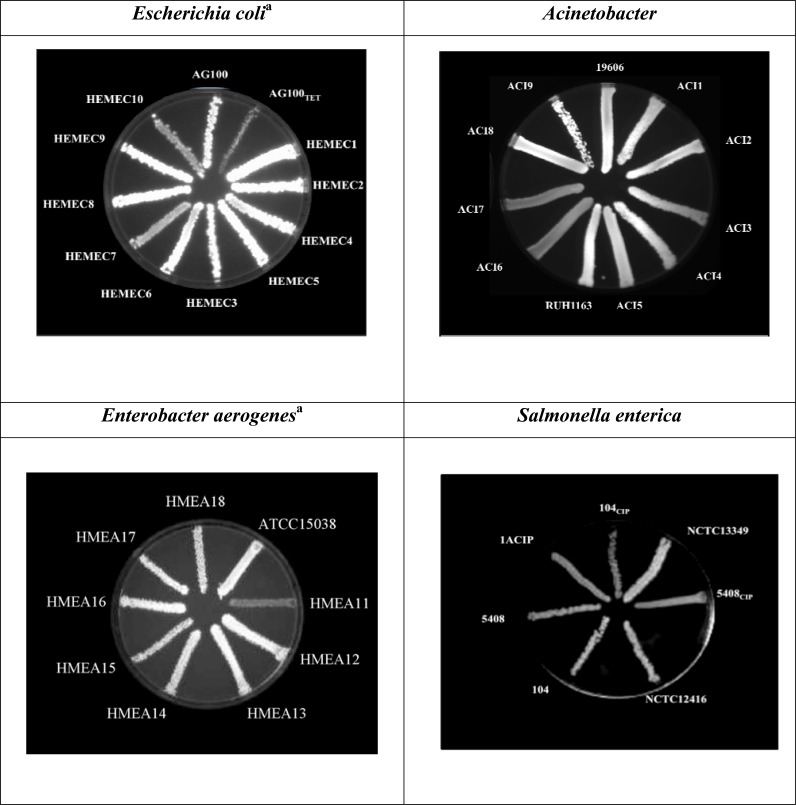
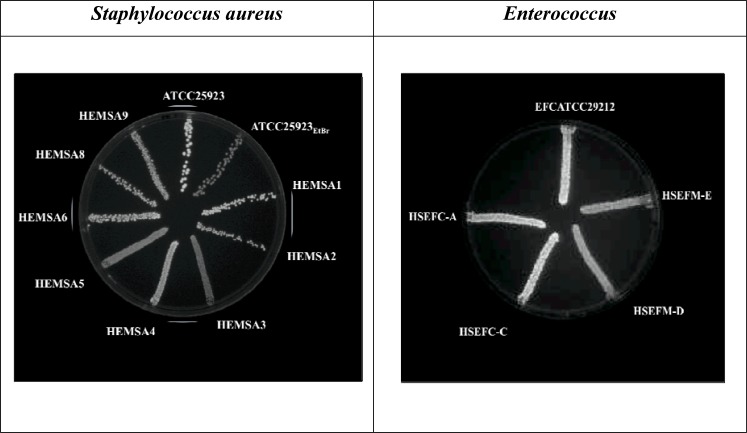
It is known that bacteria showing a multi-drug resistance phenotype use several mechanisms to overcome the action of antibiotics. As a result, this phenotype can be a result of several mechanisms or a combination of thereof. The main mechanisms of antibiotic resistance are: mutations in target genes (such as DNA gyrase and topoisomerase IV); over-expression of efflux pumps; changes in the cell envelope; down regulation of membrane porins, and modified lipopolysaccharide component of the outer cell membrane (in the case of Gram-negative bacteria). In addition, adaptation to the environment, such as quorum sensing and biofilm formation can also contribute to bacterial persistence. Due to the rapid emergence and spread of bacterial isolates showing resistance to several classes of antibiotics, methods that can rapidly and efficiently identify isolates whose resistance is due to active efflux have been developed. However, there is still a need for faster and more accurate methodologies. Conventional methods that evaluate bacterial efflux pump activity in liquid systems are available. However, these methods usually use common efflux pump substrates, such as ethidium bromide or radioactive antibiotics and therefore, require specialized instrumentation, which is not available in all laboratories. In this review, we will report the results obtained with the Ethidium Bromide-agar Cartwheel method. This is an easy, instrument-free, agar based method that has been modified to afford the simultaneous evaluation of as many as twelve bacterial strains. Due to its simplicity it can be applied to large collections of bacteria to rapidly screen for multi-drug resistant isolates that show an over-expression of their efflux systems. The principle of the method is simple and relies on the ability of the bacteria to expel a fluorescent molecule that is substrate for most efflux pumps, ethidium bromide. In this approach, the higher the concentration of ethidium bromide required to produce fluorescence of the bacterial mass, the greater the efflux capacity of the bacterial cells. We have tested and applied this method to a large number of Gram-positive and Gram-negative bacteria to detect efflux activity among these multi-drug resistant isolates. The presumptive efflux activity detected by the Ethidium Bromide-agar Cartwheel method was subsequently confirmed by the determination of the minimum inhibitory concentration for several antibiotics in the presence and absence of known efflux pump inhibitors.
众所周知,表现出多重耐药表型的细菌会利用多种机制来克服抗生素的作用。因此,这种表型可能是多种机制或其组合的结果。抗生素耐药的主要机制有:靶基因(如DNA促旋酶和拓扑异构酶IV)的突变;外排泵的过度表达;细胞包膜的变化;膜孔蛋白的下调,以及外细胞膜脂多糖成分的修饰(对于革兰氏阴性菌而言)。此外,对环境的适应,如群体感应和生物膜形成,也可能有助于细菌的持续存在。由于对几类抗生素具有耐药性的细菌分离株迅速出现和传播,已开发出能够快速、有效地鉴定其耐药性是由于主动外排所致的分离株的方法。然而,仍然需要更快、更准确的方法。有评估液体系统中细菌外排泵活性的传统方法。然而,这些方法通常使用常见的外排泵底物,如溴化乙锭或放射性抗生素,因此需要专门的仪器,而并非所有实验室都具备。在本综述中,我们将报告用溴化乙锭 - 琼脂车轮法获得的结果。这是一种简便、无需仪器、基于琼脂的方法,已进行了改进,可同时评估多达十二株细菌。由于其简便性,它可应用于大量细菌,以快速筛选出其外排系统过度表达的多重耐药分离株。该方法的原理很简单,依赖于细菌排出作为大多数外排泵底物的荧光分子溴化乙锭的能力。在这种方法中,使细菌群体产生荧光所需的溴化乙锭浓度越高,细菌细胞的外排能力就越强。我们已对大量革兰氏阳性菌和革兰氏阴性菌进行了测试并应用此方法,以检测这些多重耐药分离株中的外排活性。随后,通过测定在存在和不存在已知外排泵抑制剂的情况下几种抗生素的最低抑菌浓度,证实了溴化乙锭 - 琼脂车轮法检测到的推定外排活性。