Sun Jianjun, Spradling Allan C
Department of Embryology , Carnegie Institution for Science , Baltimore , United States ; Howard Hughes Medical Institute , Baltimore , United States.
Elife. 2013 Apr 16;2:e00415. doi: 10.7554/eLife.00415.
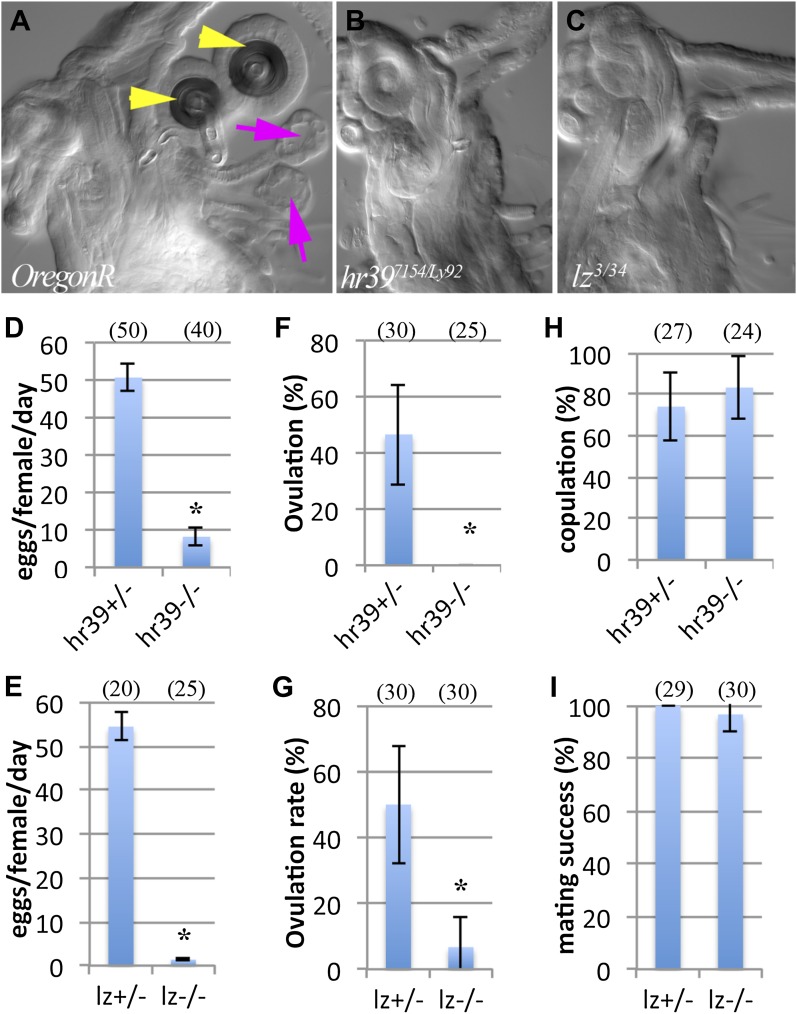
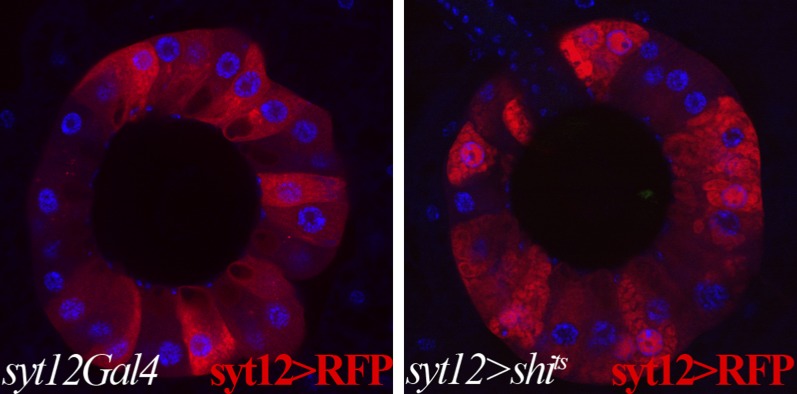
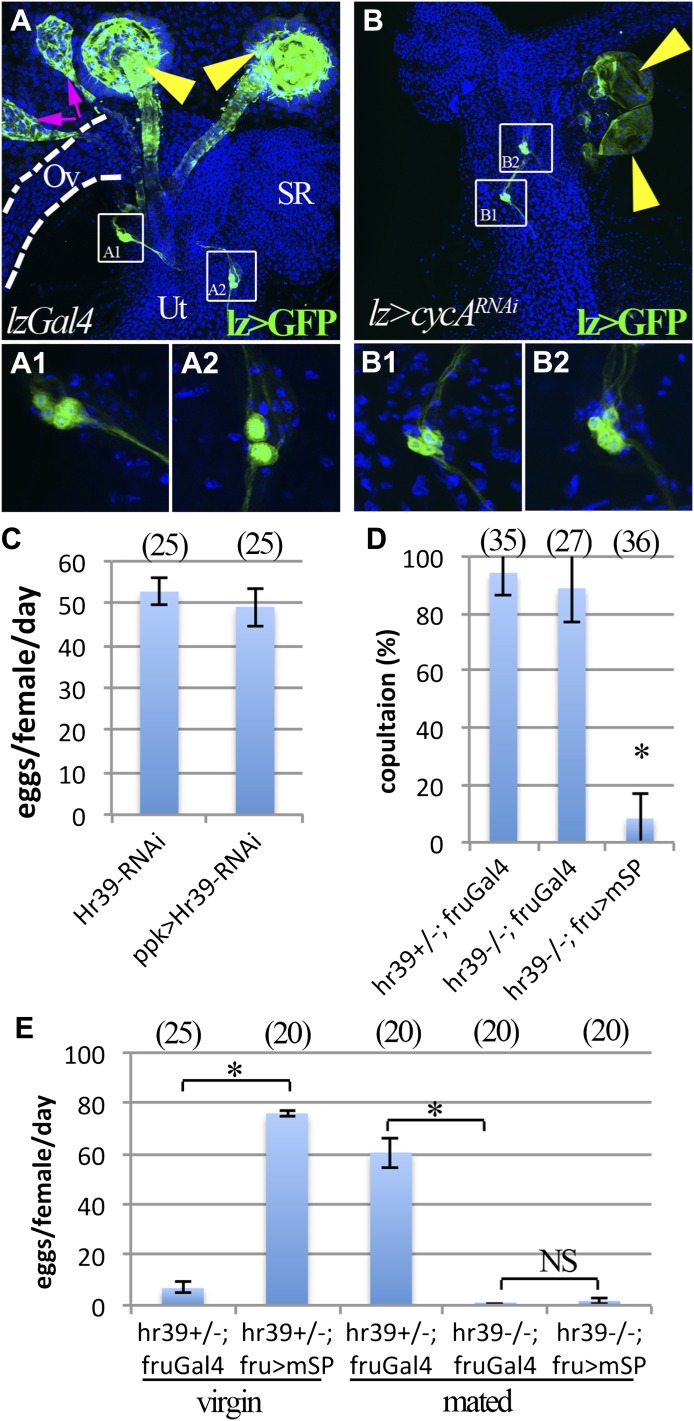
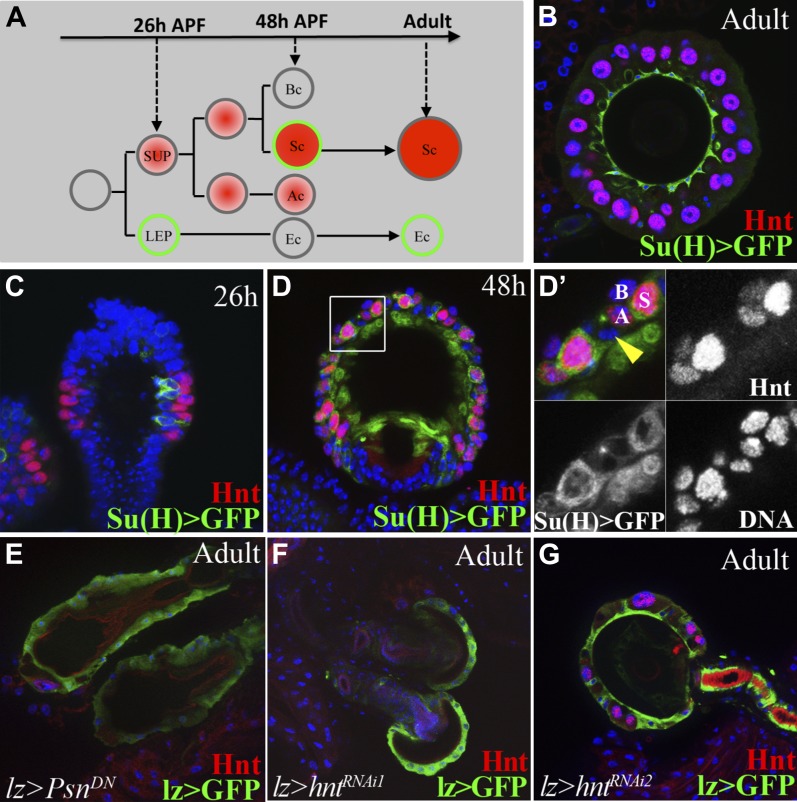
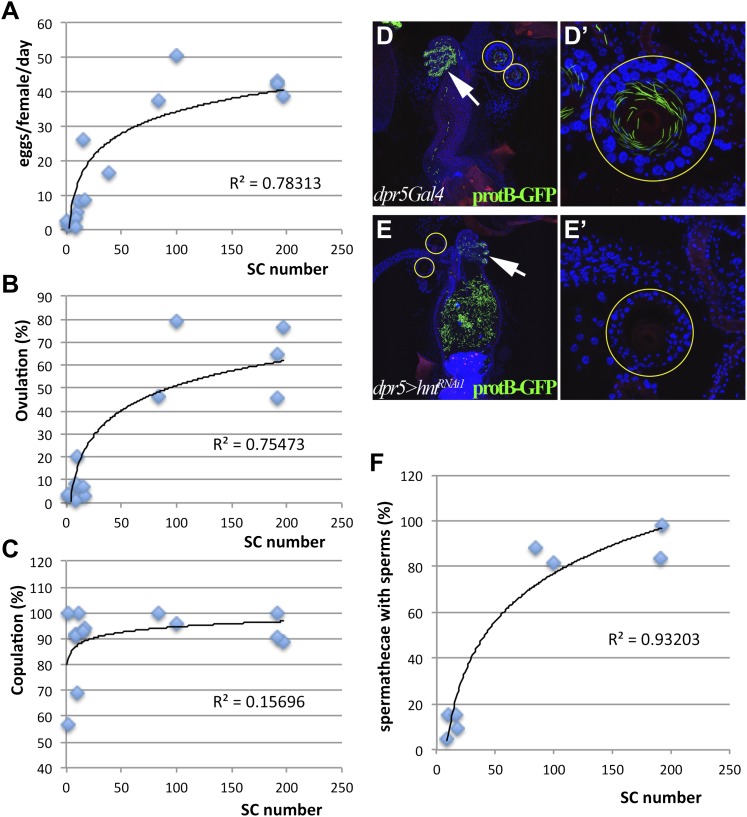
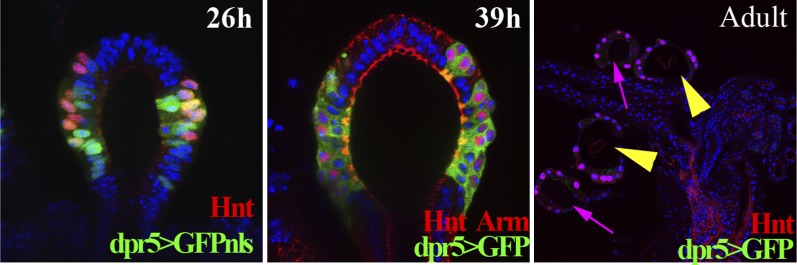
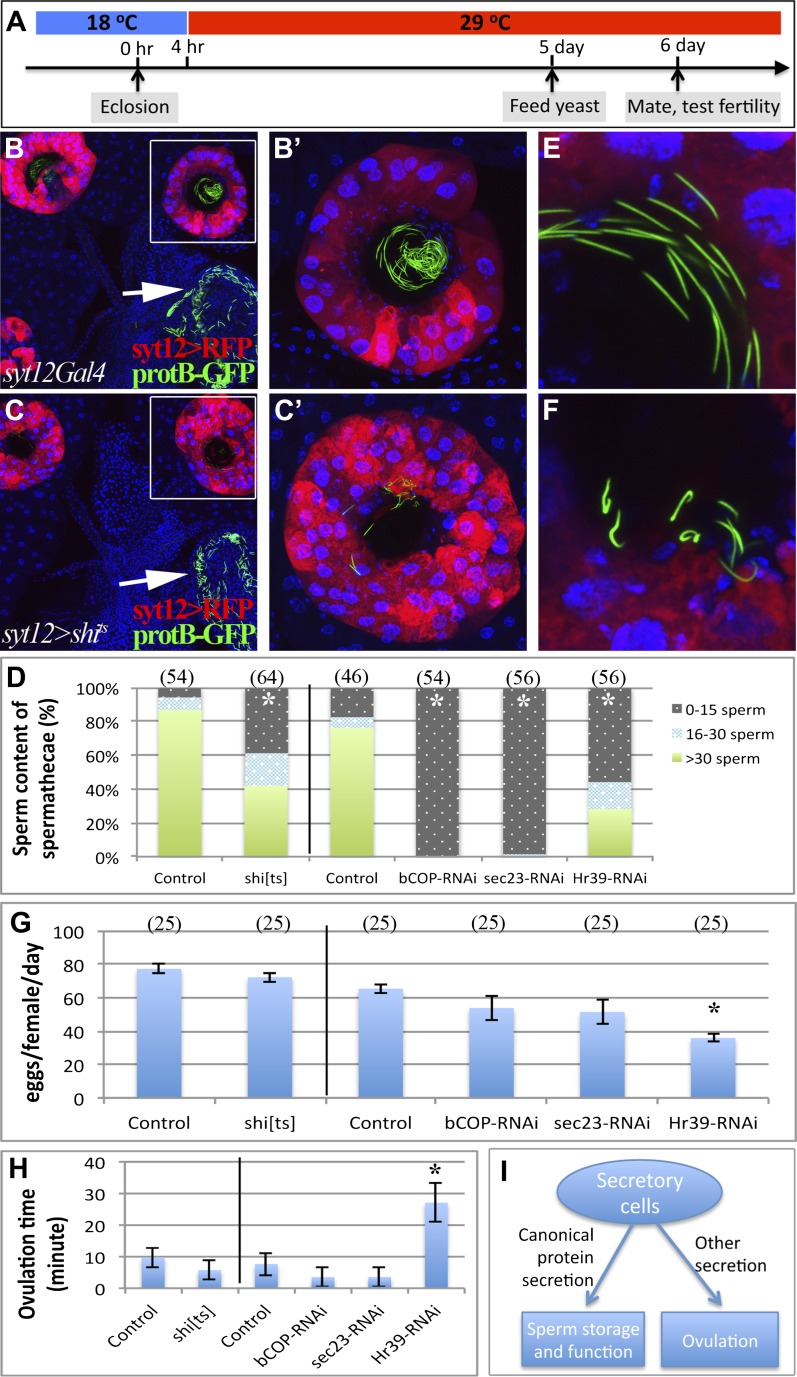
How oocytes are transferred into an oviduct with a receptive environment remains poorly known. We found that glands of the Drosophila female reproductive tract, spermathecae and/or parovaria, are required for ovulation and to promote sperm storage. Reducing total secretory cell number by interferring with Notch signaling during development blocked ovulation. Knocking down expression after adult eclosion of the nuclear hormone receptor Hr39, a master regulator of gland development, slowed ovulation and blocked sperm storage. However, ovulation (but not sperm storage) continued when only canonical protein secretion was compromised in adult glands. Our results imply that proteins secreted during adulthood by the canonical secretory pathway from female reproductive glands are needed to store sperm, while a non-canonical glandular secretion stimulates ovulation. Our results suggest that the reproductive tract signals to the ovary using glandular secretions, and that this pathway has been conserved during evolution. DOI:http://dx.doi.org/10.7554/eLife.00415.001.
卵母细胞如何转移到具有接受性环境的输卵管中仍鲜为人知。我们发现,果蝇雌性生殖道的腺体、受精囊和/或卵巢旁体对于排卵和促进精子储存是必需的。在发育过程中通过干扰Notch信号来减少总分泌细胞数量会阻止排卵。在成年羽化后敲低核激素受体Hr39(腺体发育的主要调节因子)的表达会减缓排卵并阻止精子储存。然而,当成年腺体中仅经典蛋白分泌受损时,排卵(但精子储存不受影响)仍会继续。我们的结果表明,雌性生殖腺通过经典分泌途径在成年期分泌的蛋白质是储存精子所必需的,而非经典的腺体分泌则刺激排卵。我们的结果表明,生殖道利用腺体分泌物向卵巢发出信号,并且这一途径在进化过程中一直保守。DOI:http://dx.doi.org/10.7554/eLife.00415.001