Institute of Health and Biomedical Innovation (IHBI), Queensland University of Technology (QUT), Brisbane, Queensland, Australia.
PLoS One. 2013 Apr 16;8(4):e61962. doi: 10.1371/journal.pone.0061962. Print 2013.
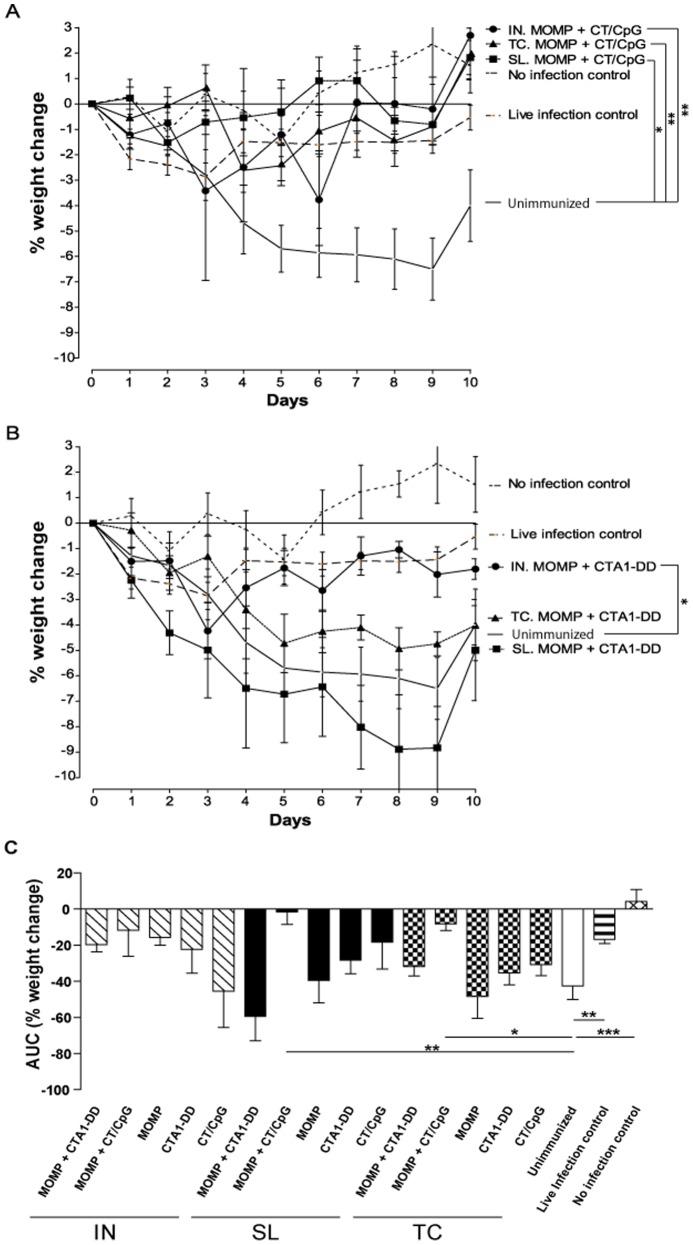
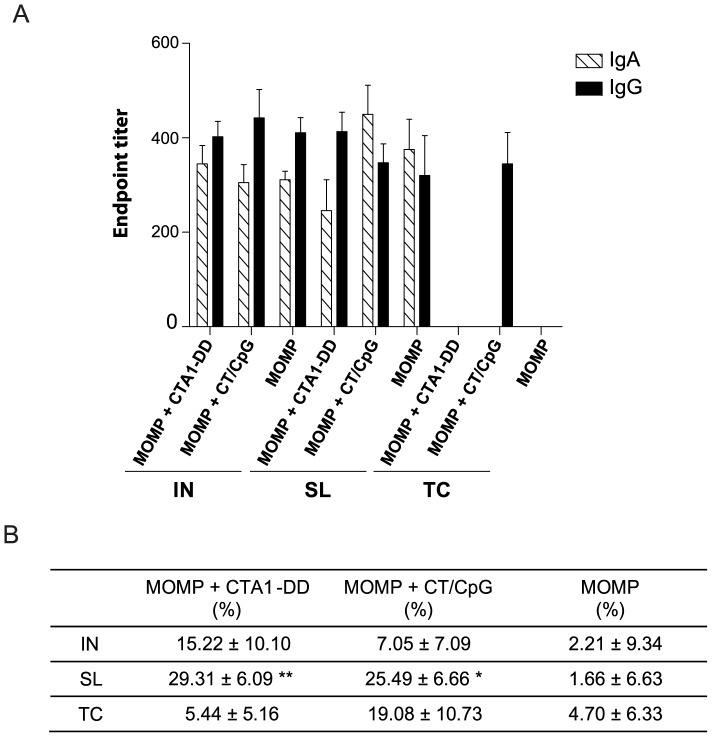
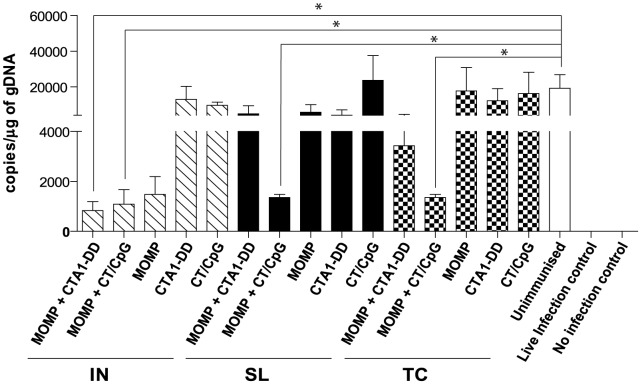
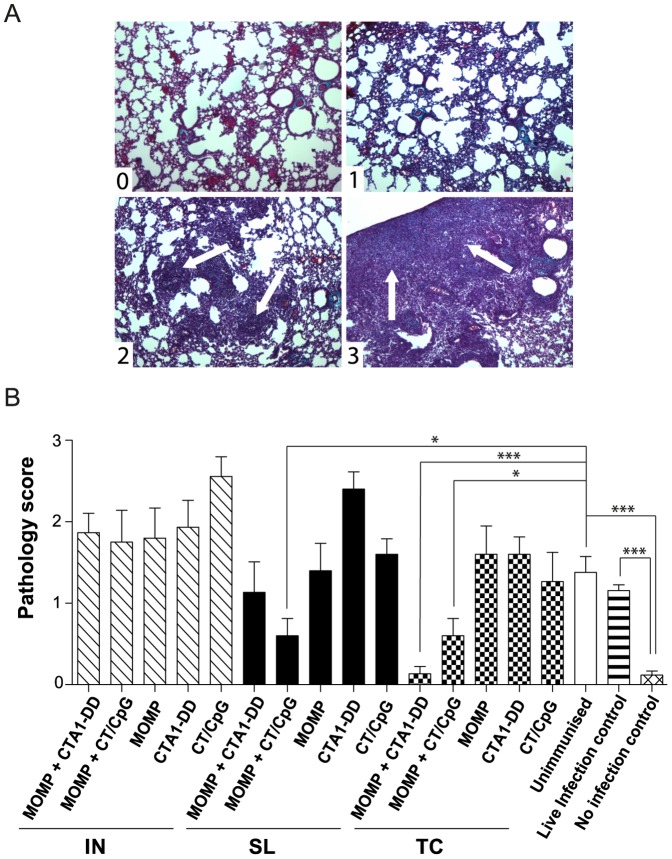
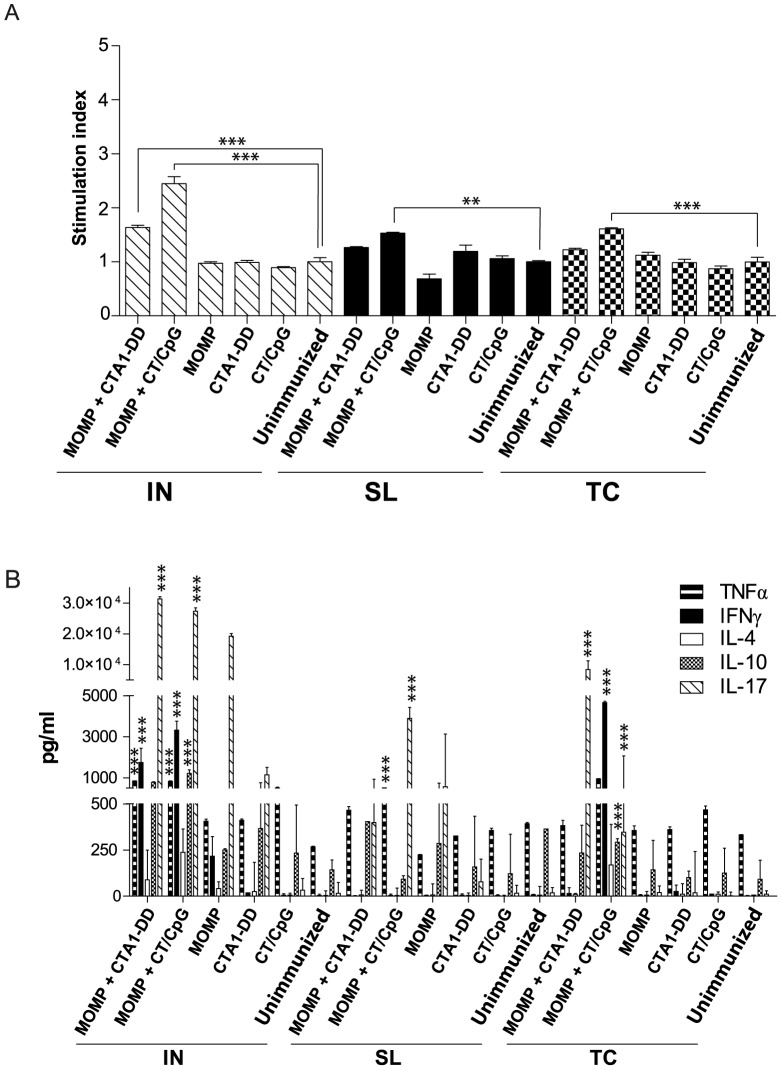
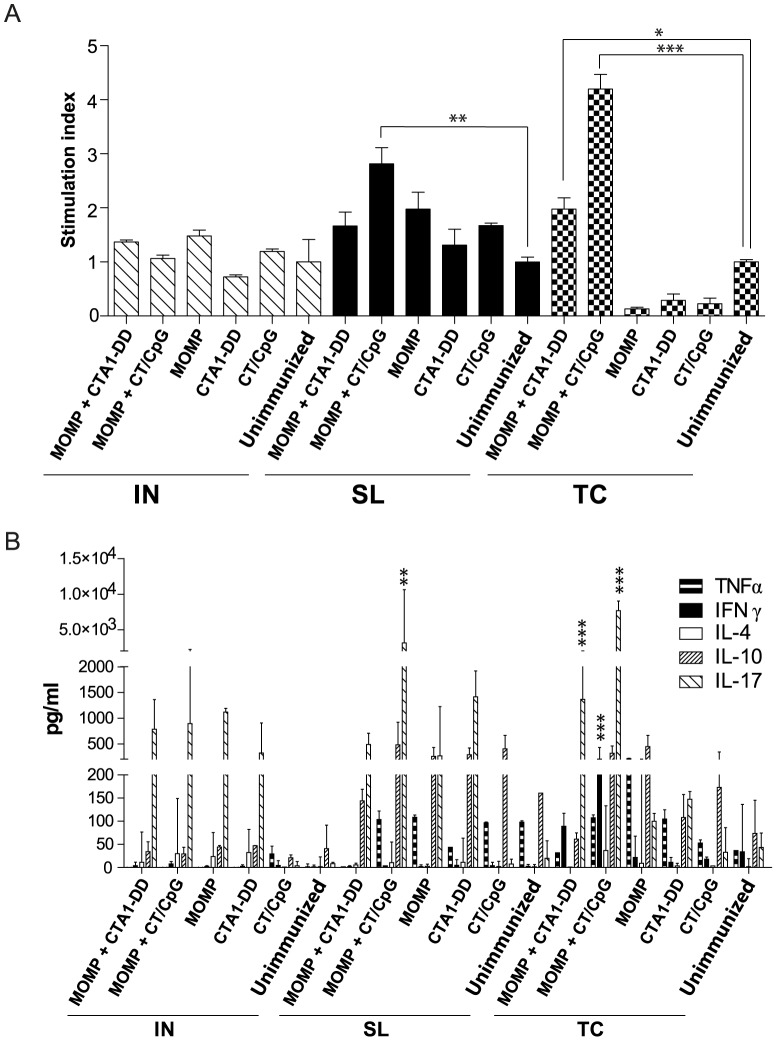
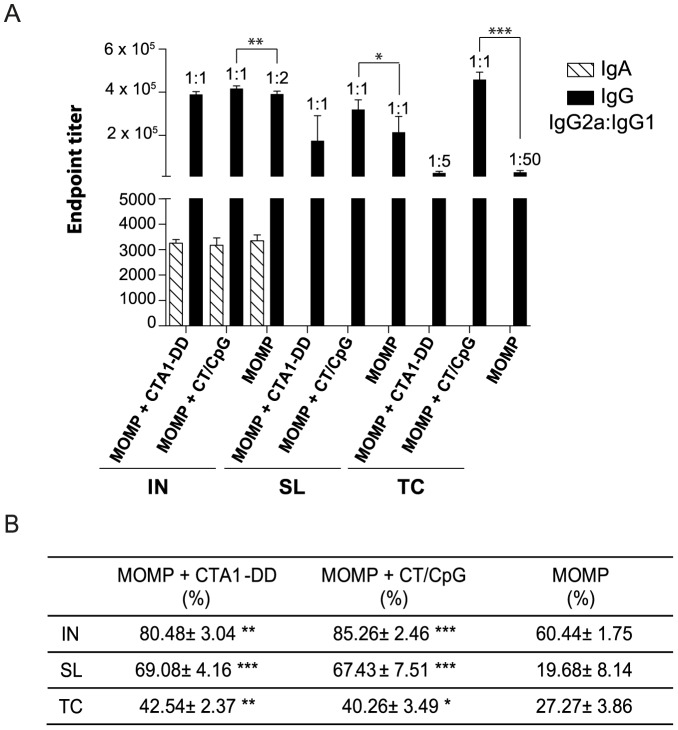
Chlamydia pneumoniae is responsible for up to 20% of community acquired pneumonia and can exacerbate chronic inflammatory diseases. As the majority of infections are either mild or asymptomatic, a vaccine is recognized to have the greatest potential to reduce infection and disease prevalence. Using the C. muridarum mouse model of infection, we immunized animals via the intranasal (IN), sublingual (SL) or transcutaneous (TC) routes, with recombinant chlamydial major outer membrane protein (MOMP) combined with adjuvants CTA1-DD or a combination of cholera toxin/CpG-oligodeoxynucleotide (CT/CpG). Vaccinated animals were challenged IN with C. muridarum and protection against infection and pathology was assessed. SL and TC immunization with MOMP and CT/CpG was the most protective, significantly reducing chlamydial burden in the lungs and preventing weight loss, which was similar to the protection induced by a previous live infection. Unlike a previous infection however, these vaccinations also provided almost complete protection against fibrotic scarring in the lungs. Protection against infection was associated with antigen-specific production of IFNγ, TNFα and IL-17 by splenocytes, however, protection against both infection and pathology required the induction of a similar pro-inflammatory response in the respiratory tract draining lymph nodes. Interestingly, we also identified two contrasting vaccinations capable of preventing infection or pathology individually. Animals IN immunized with MOMP and either adjuvant were protected from infection, but not the pathology. Conversely, animals TC immunized with MOMP and CTA1-DD were protected from pathology, even though the chlamydial burden in this group was equivalent to the unimmunized controls. This suggests that the development of pathology following an IN infection of vaccinated animals was independent of bacterial load and may have been driven instead by the adaptive immune response generated following immunization. This identifies a disconnection between the control of infection and the development of pathology, which may influence the design of future vaccines.
肺炎衣原体可引起高达 20%的社区获得性肺炎,并可使慢性炎症性疾病恶化。由于大多数感染为轻度或无症状,因此疫苗被认为最有潜力降低感染和疾病的流行率。我们使用 C. muridarum 小鼠感染模型,通过鼻腔内(IN)、舌下(SL)或经皮(TC)途径,用重组衣原体主要外膜蛋白(MOMP)联合佐剂 CTA1-DD 或霍乱毒素/CpG-寡脱氧核苷酸(CT/CpG)对动物进行免疫接种。通过 IN 用 C. muridarum 对接种疫苗的动物进行攻毒,评估对感染和病理学的保护作用。MOMP 与 CT/CpG 联合 SL 和 TC 免疫接种最为有效,可显著降低肺部衣原体负荷并防止体重减轻,这与先前的活感染诱导的保护作用相似。然而,与之前的感染不同,这些疫苗接种还几乎完全防止了肺部的纤维化瘢痕形成。对感染的保护作用与脾细胞产生的 IFNγ、TNFα 和 IL-17 相关,但对感染和病理学的保护作用都需要诱导呼吸道引流淋巴结中的类似促炎反应。有趣的是,我们还发现两种具有对抗感染或病理学作用的对照疫苗。用 MOMP 和任一种佐剂 IN 免疫接种的动物可免受感染,但不能预防病理学。相反,用 MOMP 和 CTA1-DD TC 免疫接种的动物可免受病理学的影响,尽管该组的衣原体负荷与未免疫对照相当。这表明接种动物 IN 感染后的病理学发展与细菌负荷无关,而可能是由免疫接种后产生的适应性免疫反应驱动的。这表明感染控制与病理学发展之间存在脱节,这可能会影响未来疫苗的设计。