Department of Medicine, Washington University School of Medicine, Saint Louis, MO 63110, USA.
Cell Metab. 2013 May 7;17(5):745-55. doi: 10.1016/j.cmet.2013.03.017. Epub 2013 Apr 25.
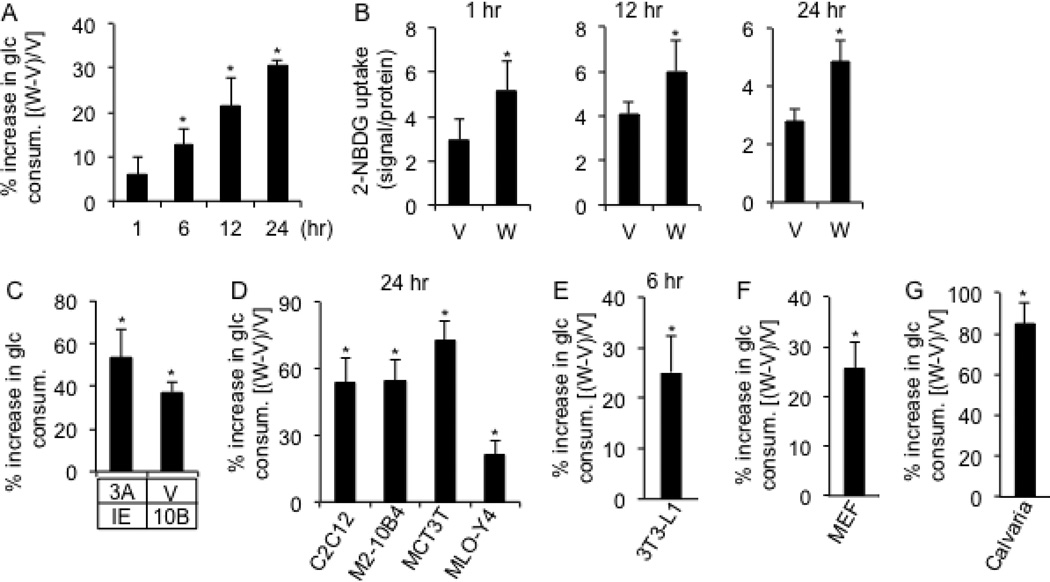
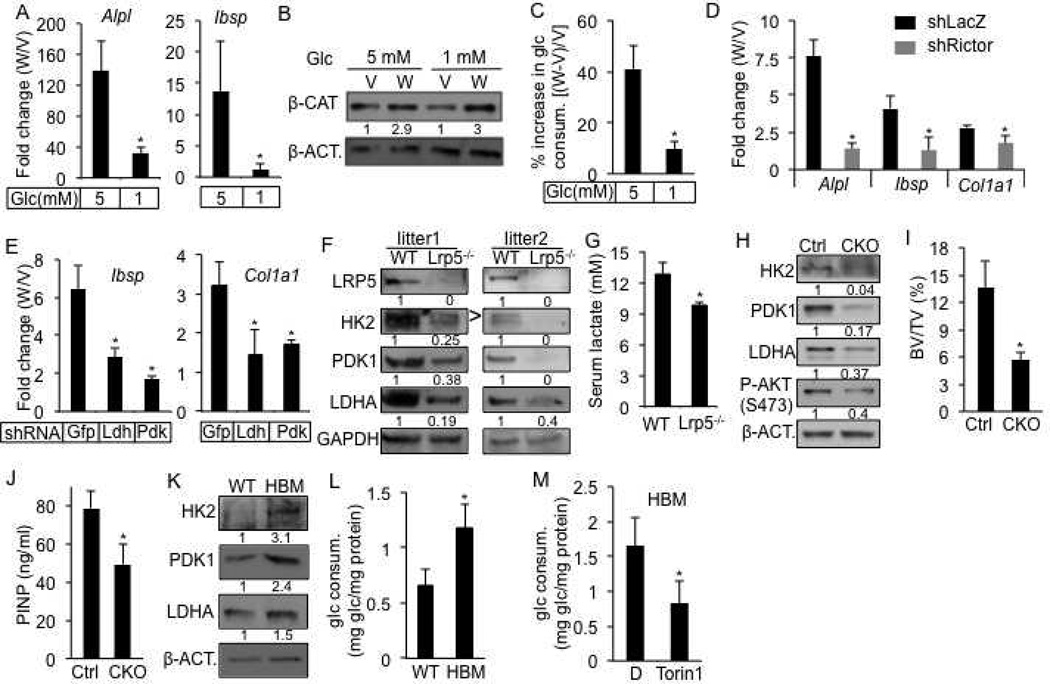
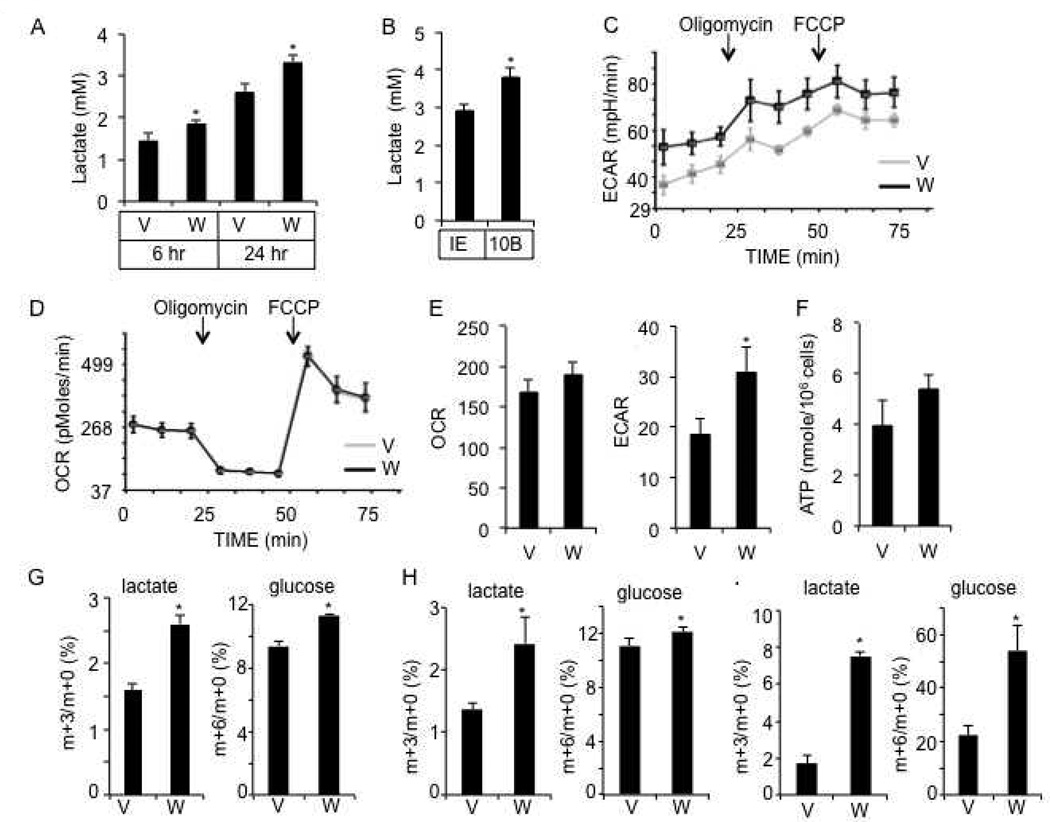
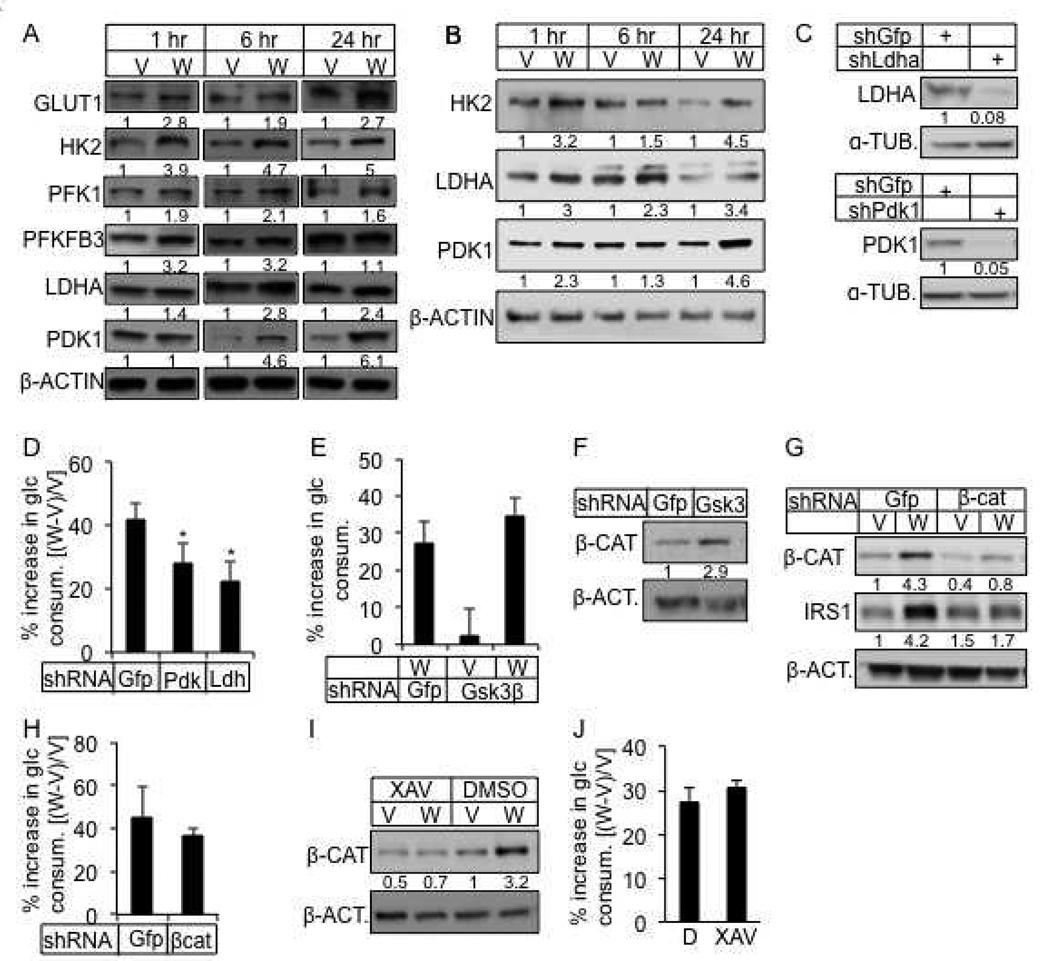
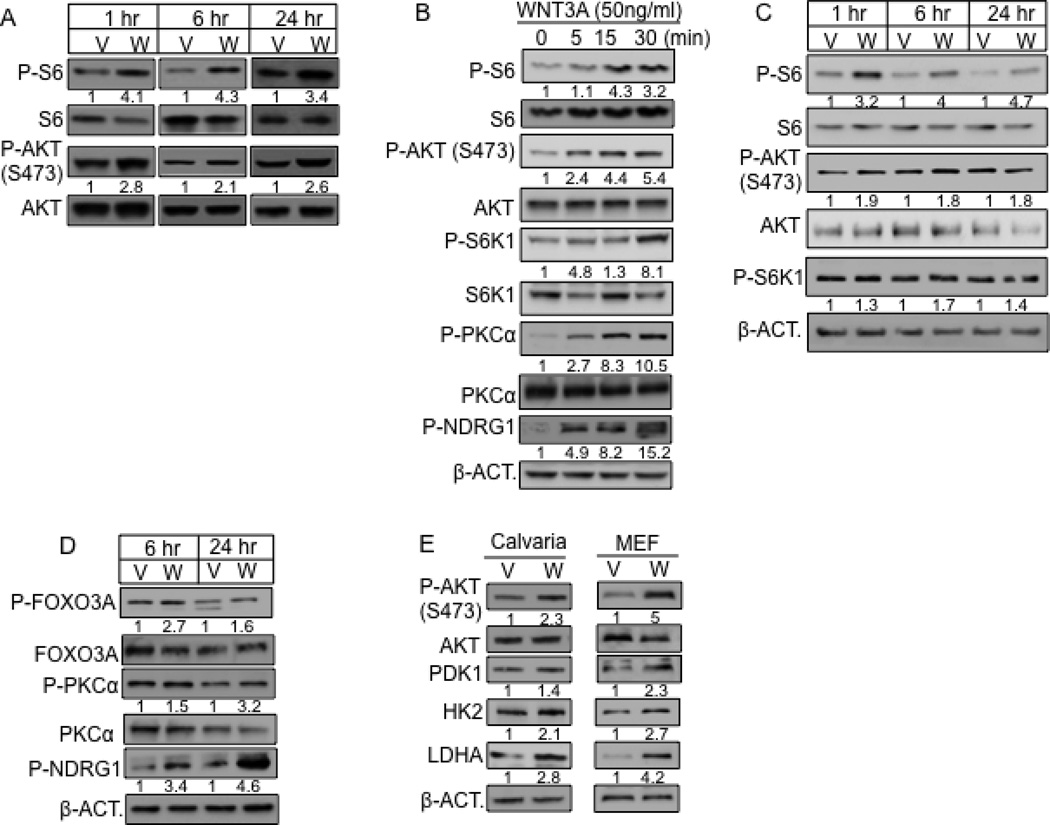
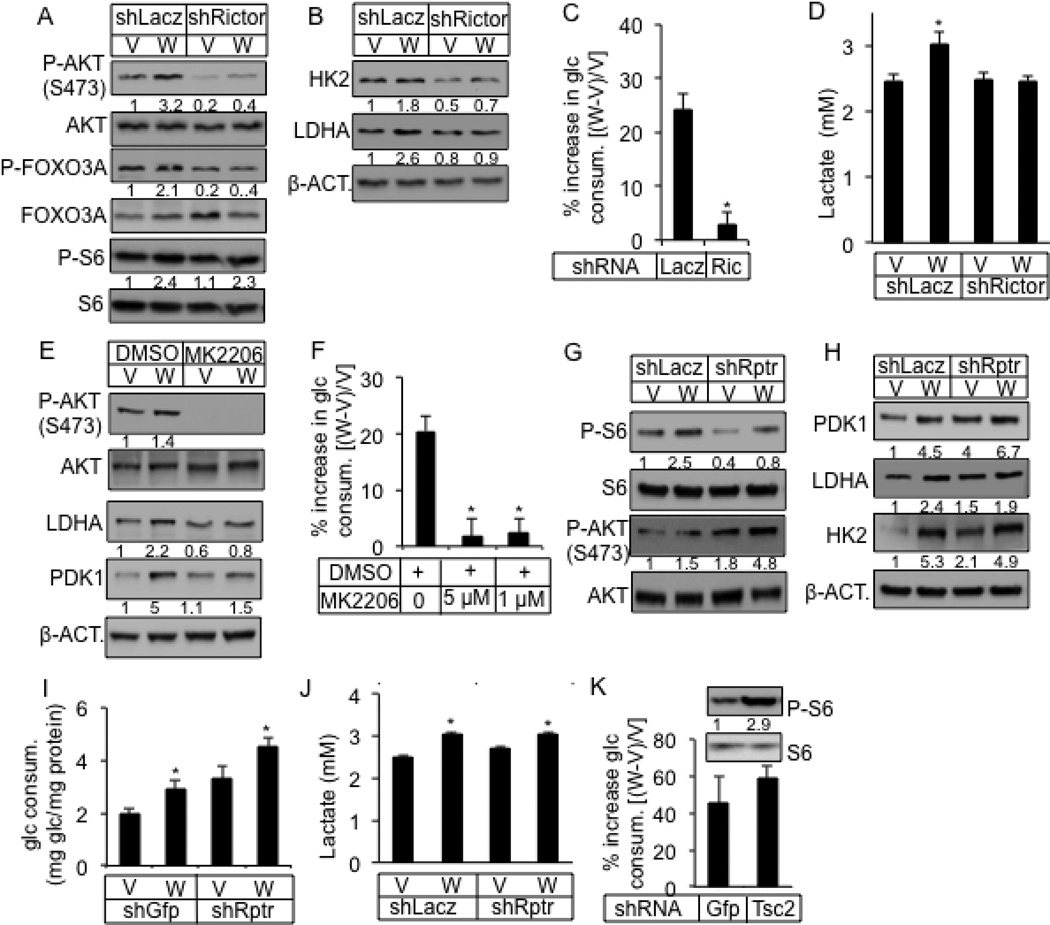
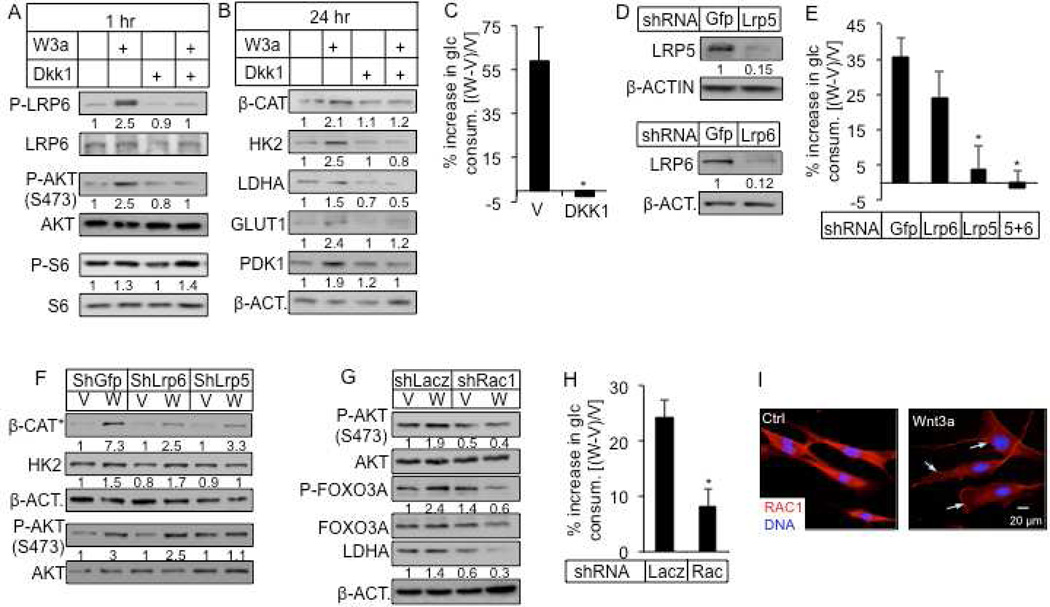
WNT signaling controls many biological processes including cell differentiation in metazoans. However, how WNT reprograms cell identity is not well understood. We have investigated the potential role of cellular metabolism in WNT-induced osteoblast differentiation. WNT3A induces aerobic glycolysis known as Warburg effect by increasing the level of key glycolytic enzymes. The metabolic regulation requires LRP5 but not β-catenin and is mediated by mTORC2-AKT signaling downstream of RAC1. Suppressing WNT3A-induced metabolic enzymes impairs osteoblast differentiation in vitro. Deletion of Lrp5 in the mouse, which decreases postnatal bone mass, reduces mTORC2 activity and glycolytic enzymes in bone cells and lowers serum lactate levels. Conversely, mice expressing a mutant Lrp5 that causes high bone mass exhibit increased glycolysis in bone. Thus, WNT-LRP5 signaling promotes bone formation in part through direct reprogramming of glucose metabolism. Moreover, regulation of cellular metabolism may represent a general mechanism contributing to the wide-ranging functions of WNT proteins.
WNT 信号通路控制着许多生物学过程,包括后生动物中的细胞分化。然而,WNT 如何重新编程细胞身份还不太清楚。我们研究了细胞代谢在 WNT 诱导的成骨细胞分化中的潜在作用。WNT3A 通过增加关键糖酵解酶的水平诱导有氧糖酵解,即众所周知的Warburg 效应。这种代谢调控需要 LRP5,但不需要β-catenin,并且是由 RAC1 下游的 mTORC2-AKT 信号介导的。抑制 WNT3A 诱导的代谢酶会损害体外成骨细胞分化。在小鼠中敲除 Lrp5 会降低骨量,降低骨细胞中的 mTORC2 活性和糖酵解酶,并降低血清乳酸水平。相反,表达导致高骨量的突变型 Lrp5 的小鼠在骨骼中表现出更高的糖酵解作用。因此,WNT-LRP5 信号通路通过直接重编程葡萄糖代谢促进骨形成。此外,细胞代谢的调节可能代表一种普遍机制,有助于 WNT 蛋白的广泛功能。