State Key Laboratory of Virology, College of Life Sciences, and Chinese-French Liver Disease Research Institute at Zhongnan Hospital, Wuhan University, Wuhan, Hubei, PR China.
PLoS Pathog. 2013;9(4):e1003248. doi: 10.1371/journal.ppat.1003248. Epub 2013 Apr 25.
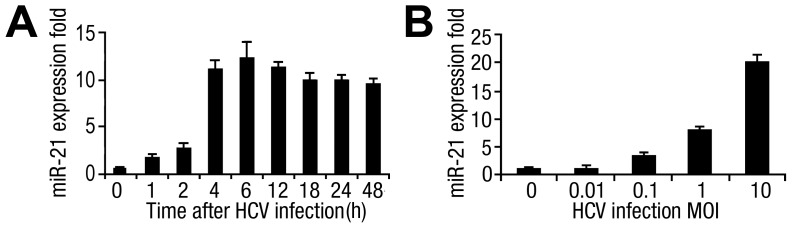
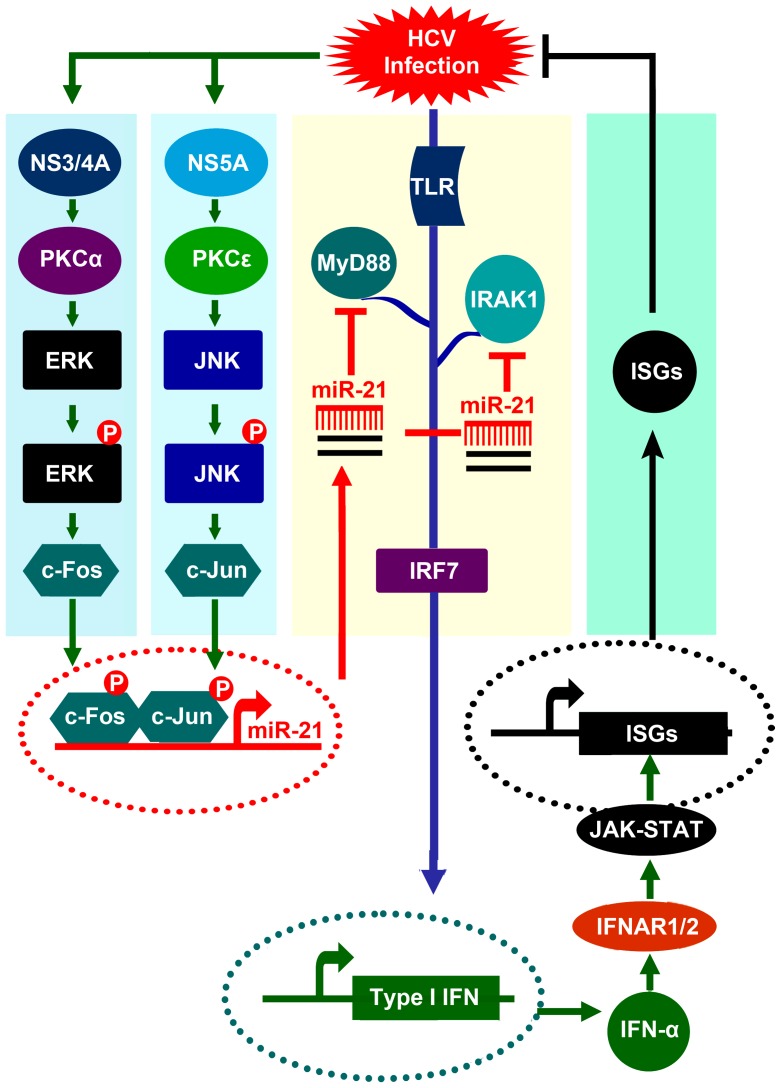
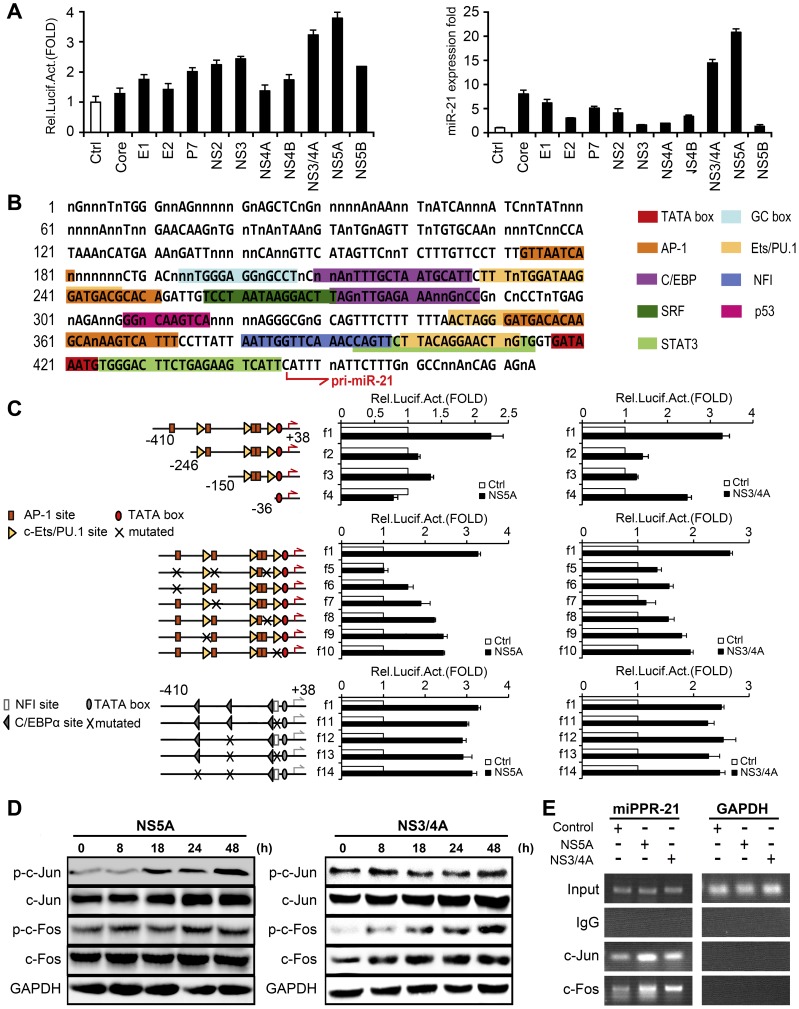
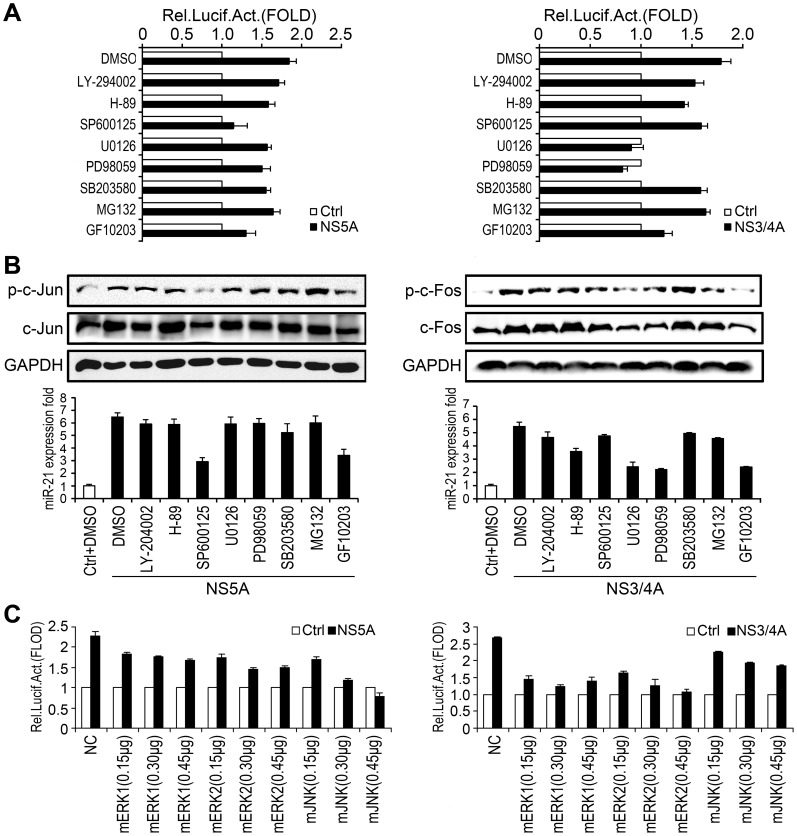
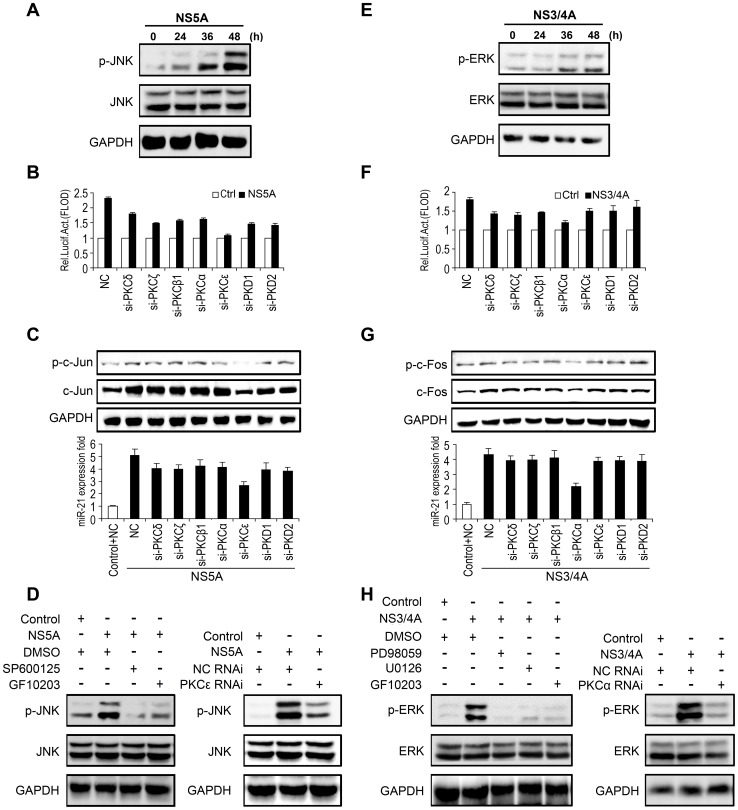
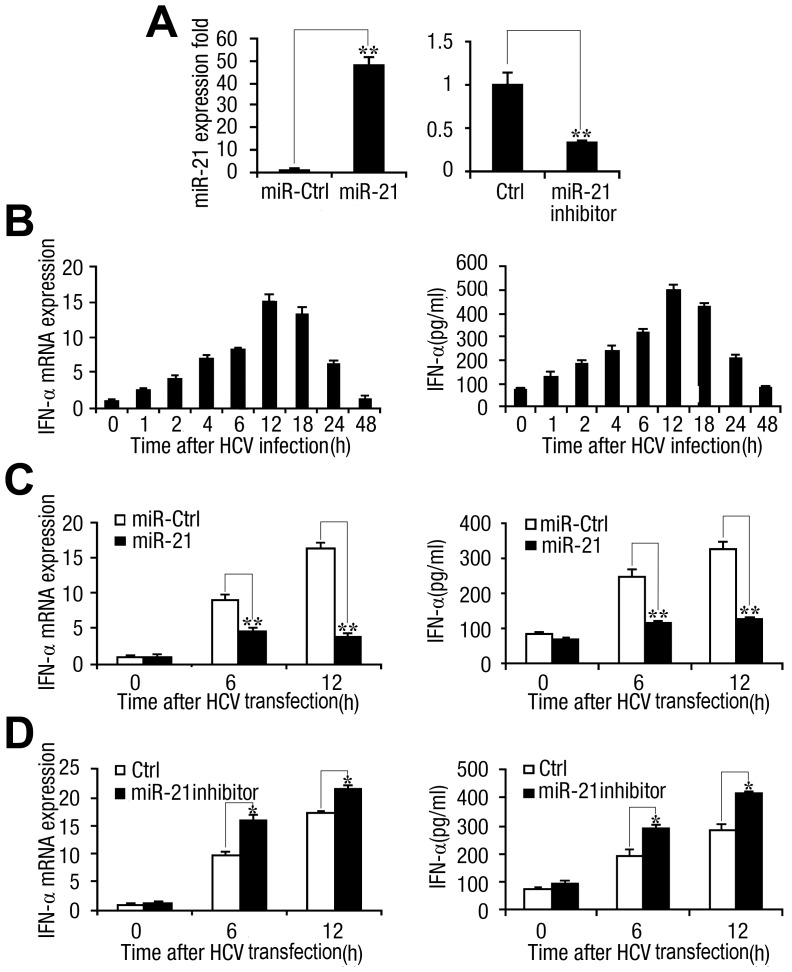
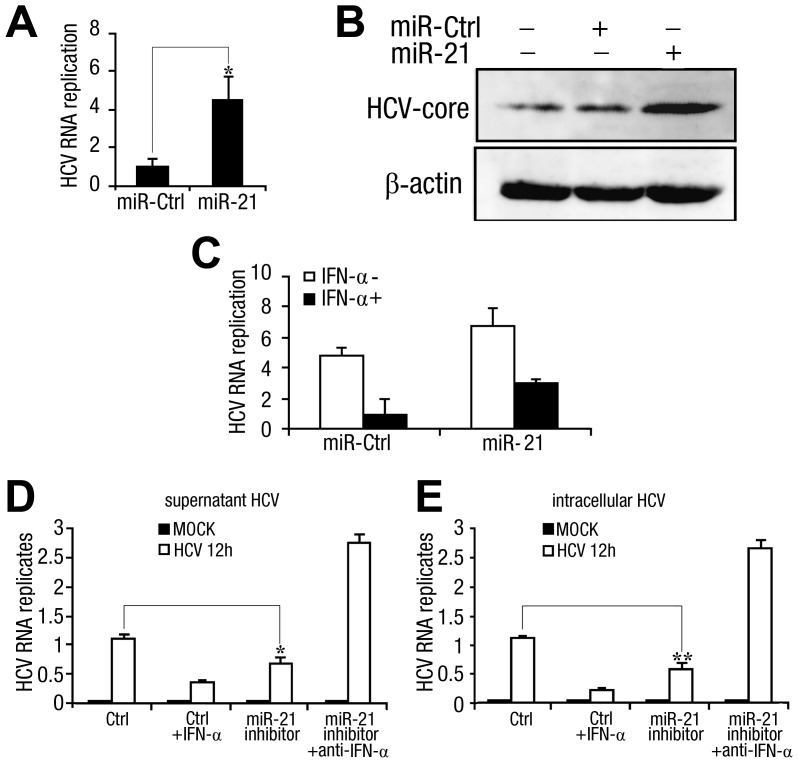
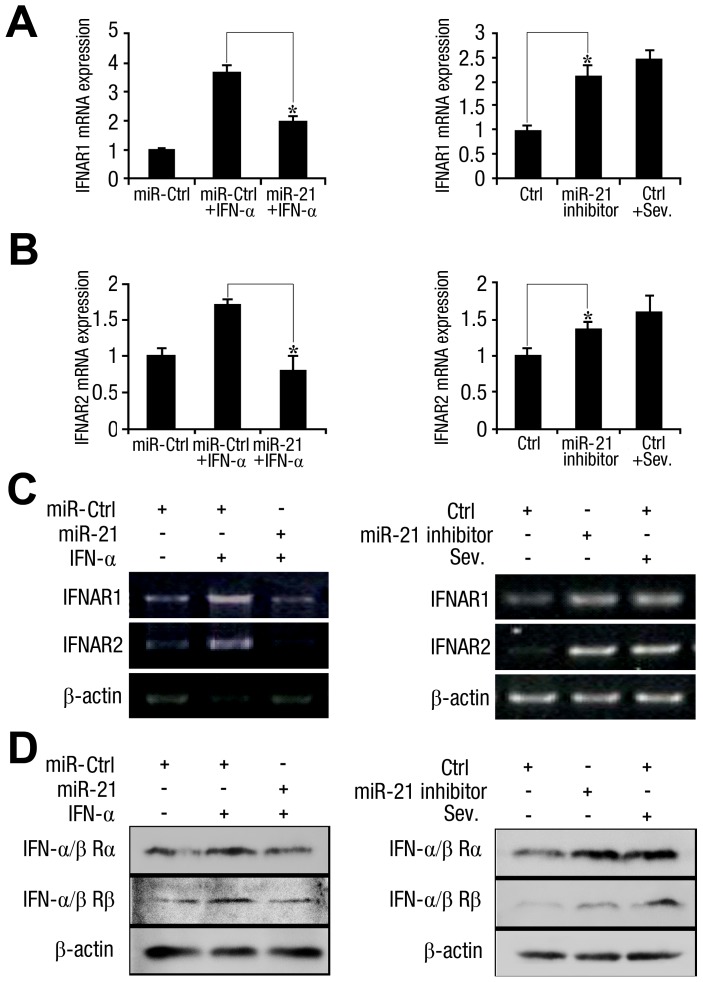
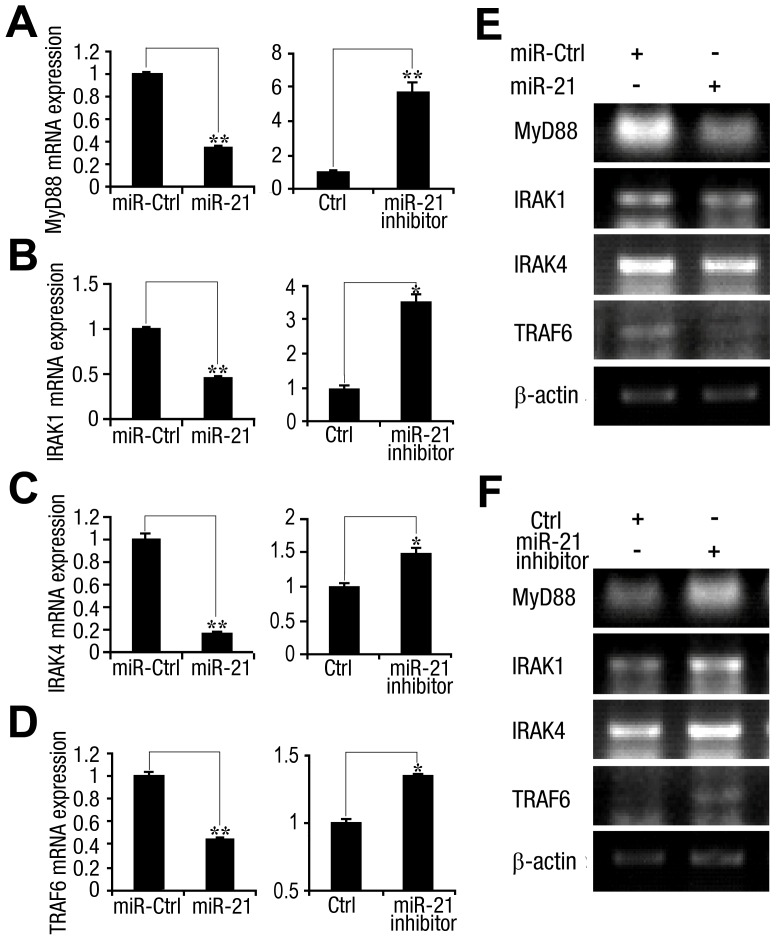
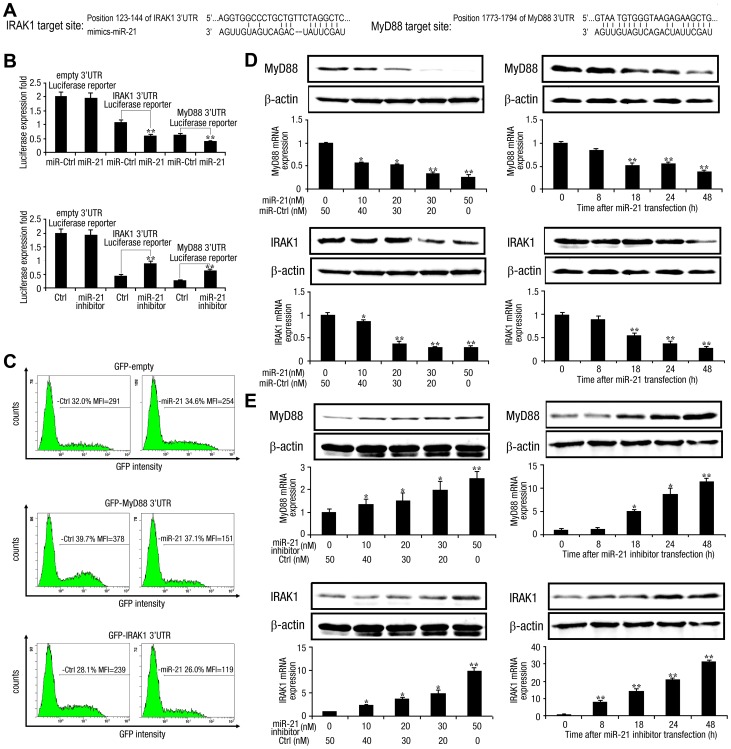
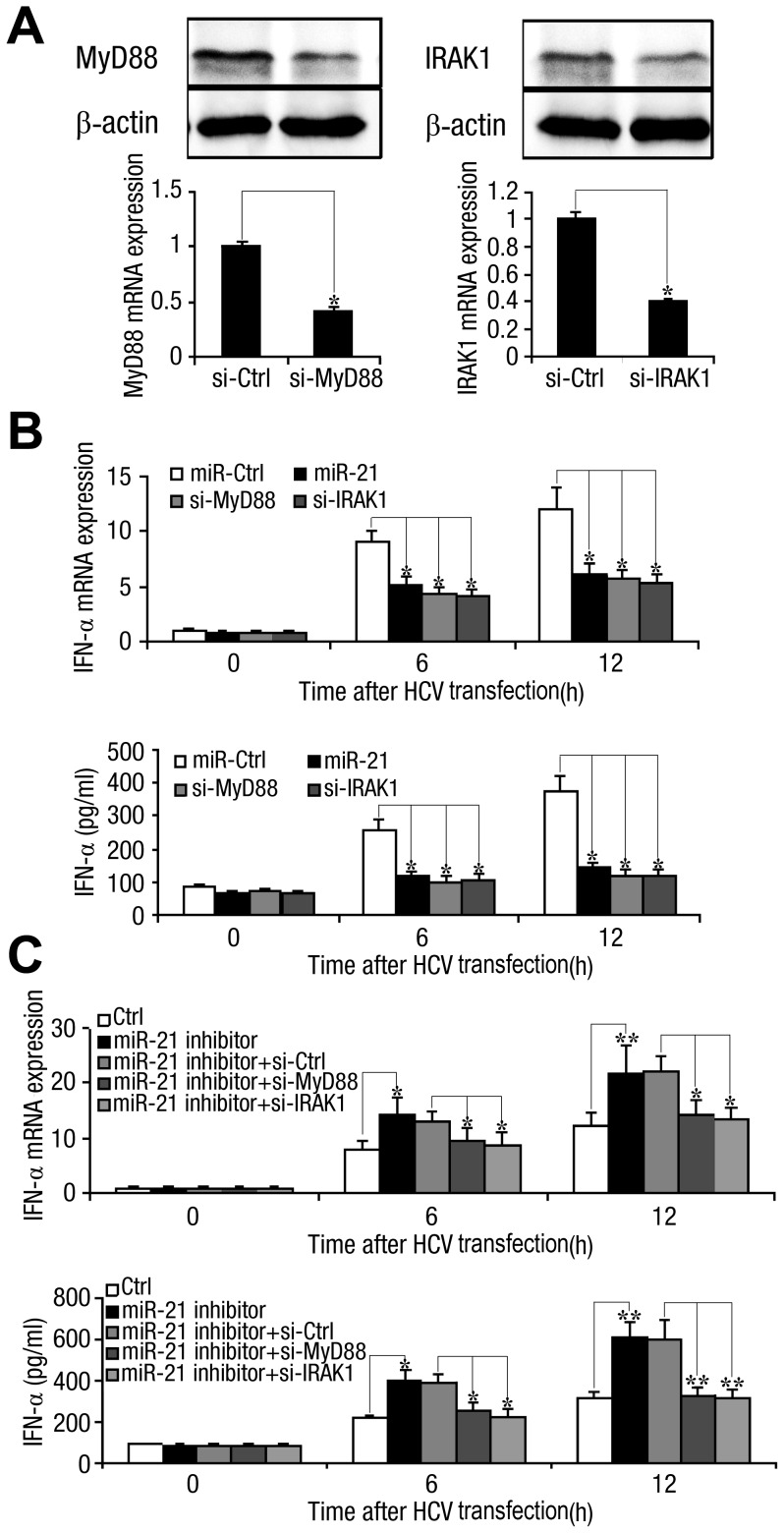
Upon recognition of viral components by pattern recognition receptors, such as the toll-like receptors (TLRs) and retinoic acid-inducible gene I (RIG-I)-like helicases, cells are activated to produce type I interferon (IFN) and proinflammatory cytokines. These pathways are tightly regulated by the host to prevent an inappropriate cellular response, but viruses can modulate these pathways to proliferate and spread. In this study, we revealed a novel mechanism in which hepatitis C virus (HCV) evades the immune surveillance system to proliferate by activating microRNA-21 (miR-21). We demonstrated that HCV infection upregulates miR-21, which in turn suppresses HCV-triggered type I IFN production, thus promoting HCV replication. Furthermore, we demonstrated that miR-21 targets two important factors in the TLR signaling pathway, myeloid differentiation factor 88 (MyD88) and interleukin-1 receptor-associated kinase 1 (IRAK1), which are involved in HCV-induced type I IFN production. HCV-mediated activation of miR-21 expression requires viral proteins and several signaling components. Moreover, we identified a transcription factor, activating protein-1 (AP-1), which is partly responsible for miR-21 induction in response to HCV infection through PKCε/JNK/c-Jun and PKCα/ERK/c-Fos cascades. Taken together, our results indicate that miR-21 is upregulated during HCV infection and negatively regulates IFN-α signaling through MyD88 and IRAK1 and may be a potential therapeutic target for antiviral intervention.
当病毒成分被模式识别受体(如 Toll 样受体(TLRs)和视黄酸诱导基因 I(RIG-I)样螺旋酶)识别后,细胞被激活以产生 I 型干扰素(IFN)和促炎细胞因子。这些途径受到宿主的严格调控,以防止细胞的不适当反应,但病毒可以调节这些途径以增殖和传播。在这项研究中,我们揭示了一种新的机制,即丙型肝炎病毒(HCV)通过激活 microRNA-21(miR-21)来逃避免疫监视系统以增殖。我们证明了 HCV 感染上调了 miR-21,而 miR-21 反过来又抑制了 HCV 触发的 I 型 IFN 产生,从而促进了 HCV 的复制。此外,我们证明了 miR-21 靶向 TLR 信号通路中的两个重要因子,髓样分化因子 88(MyD88)和白细胞介素-1 受体相关激酶 1(IRAK1),它们参与了 HCV 诱导的 I 型 IFN 产生。HCV 介导的 miR-21 表达的激活需要病毒蛋白和几个信号成分。此外,我们鉴定了一个转录因子,激活蛋白-1(AP-1),它部分负责 HCV 感染后通过 PKCε/JNK/c-Jun 和 PKCα/ERK/c-Fos 级联反应诱导 miR-21 的表达。总之,我们的结果表明,miR-21 在 HCV 感染期间上调,并通过 MyD88 和 IRAK1 负调控 IFN-α信号通路,可能是抗病毒干预的潜在治疗靶点。