Pediatric Institute and Children's Hospital, The Cleveland Clinic, Cleveland, Ohio, USA.
PLoS One. 2013 Apr 18;8(4):e61309. doi: 10.1371/journal.pone.0061309. Print 2013.
Environmental exposure to respiratory syncytial virus (RSV) is a leading cause of respiratory infections in infants, but it remains unknown whether this infection is transmitted transplacentally from the lungs of infected mothers to the offspring. We sought to test the hypothesis that RSV travels from the respiratory tract during pregnancy, crosses the placenta to the fetus, persists in the lung tissues of the offspring, and modulates pre- and postnatal expression of growth factors, thereby predisposing to airway hyperreactivity.
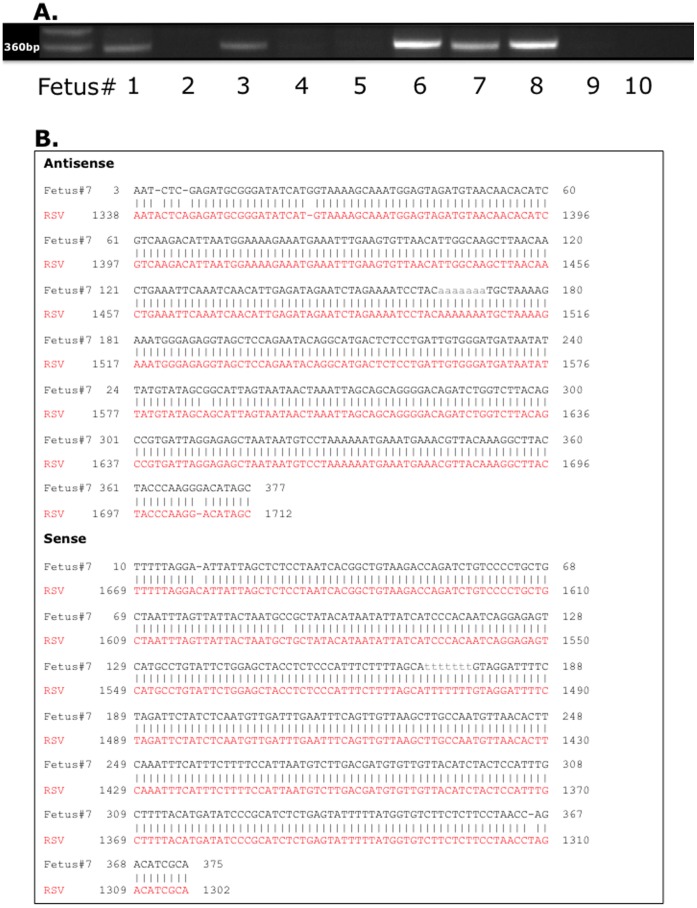
Pregnant rats were inoculated intratracheally at midterm using recombinant RSV expressing red fluorescent protein (RFP). Viral RNA was amplified by RT-PCR and confirmed by sequencing. RFP expression was analyzed by flow cytometry and viral culture. Developmental and pathophysiologic implications of prenatal infection were determined by analyzing the expression of genes encoding critical growth factors, particularly neurotrophic factors and receptors. We also measured the expression of key neurotransmitters and postnatal bronchial reactivity in vertically infected lungs, and assessed their dependence on neurotrophic signaling using selective biological or chemical inhibition.
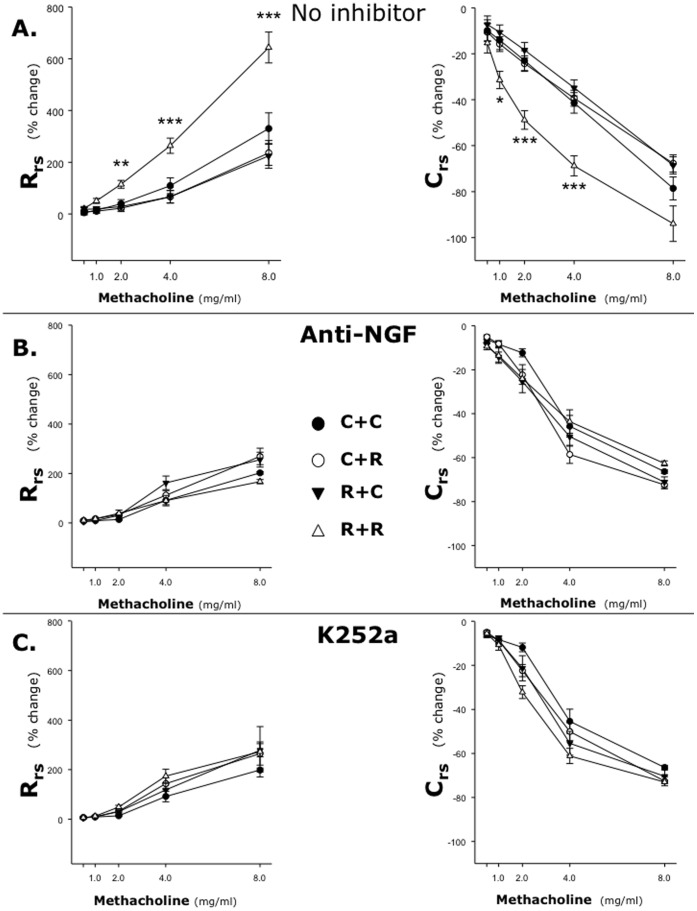
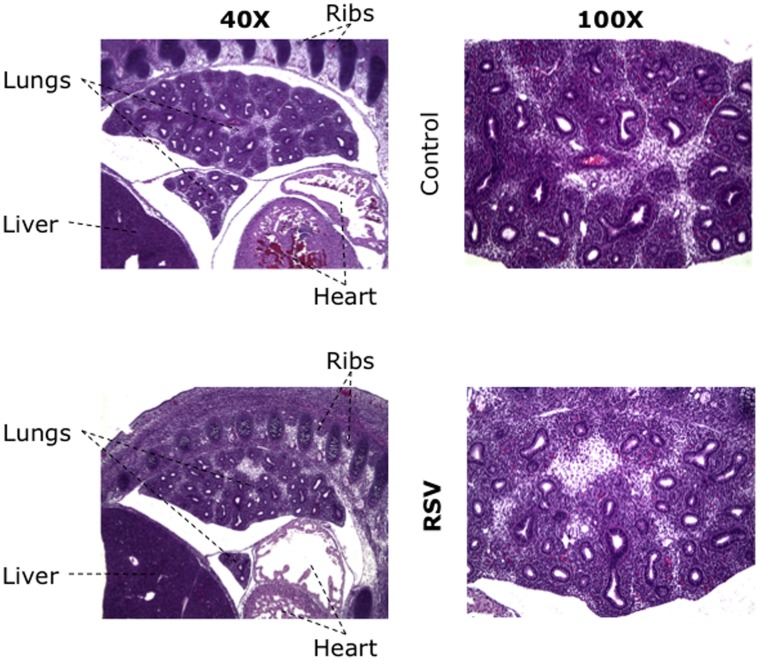
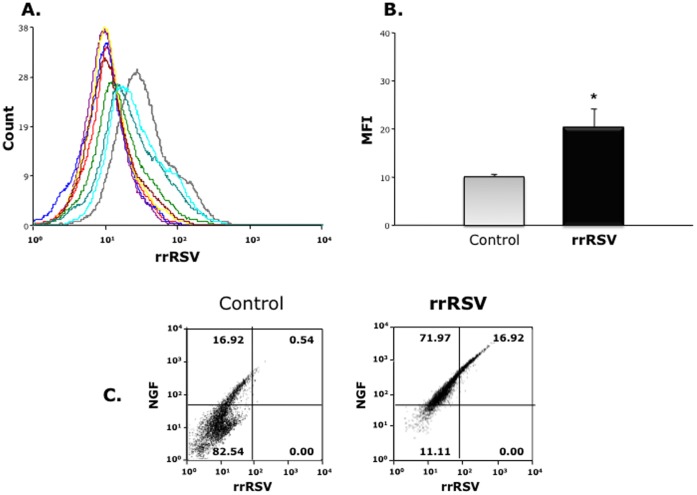
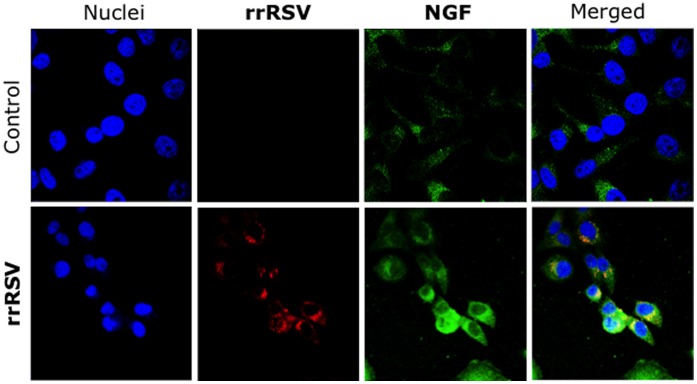
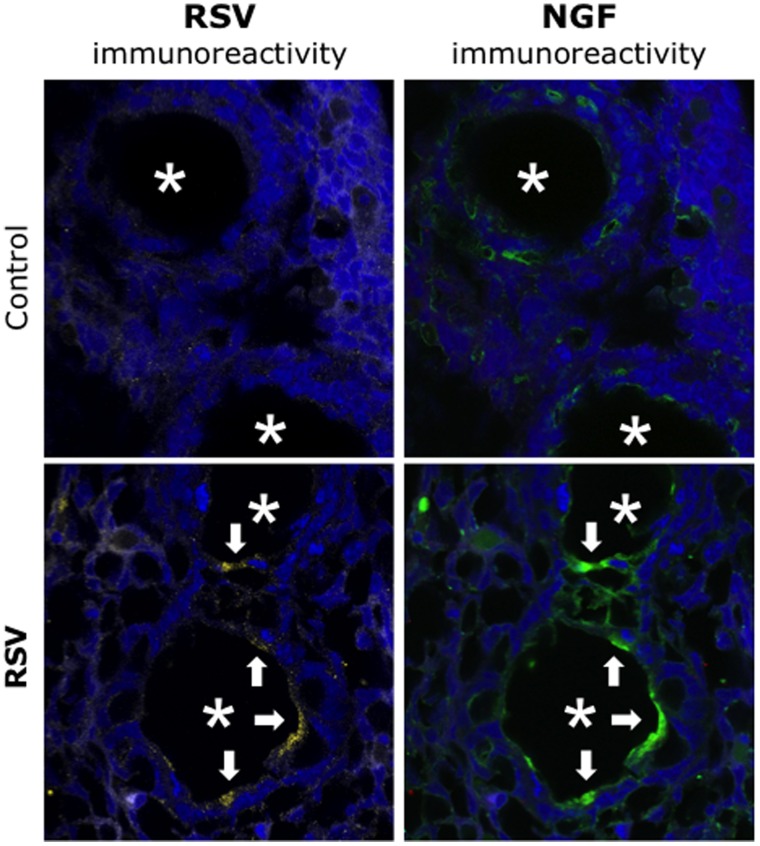
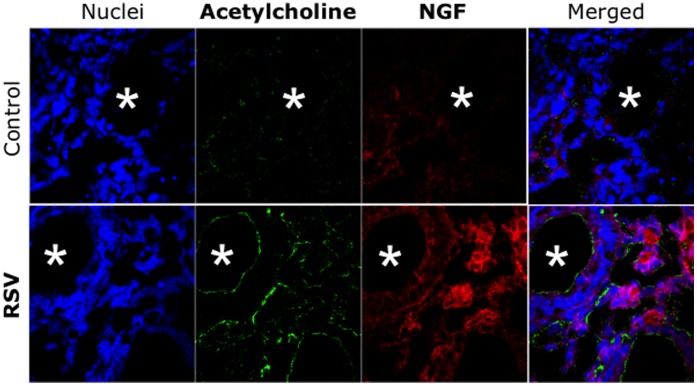
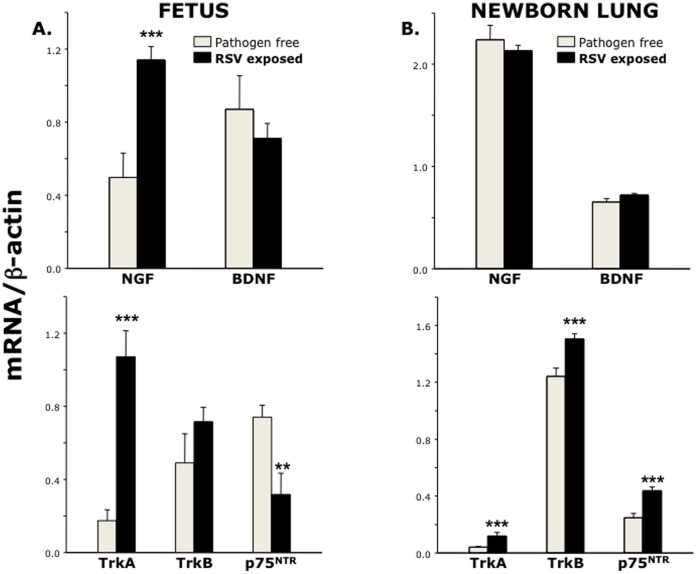
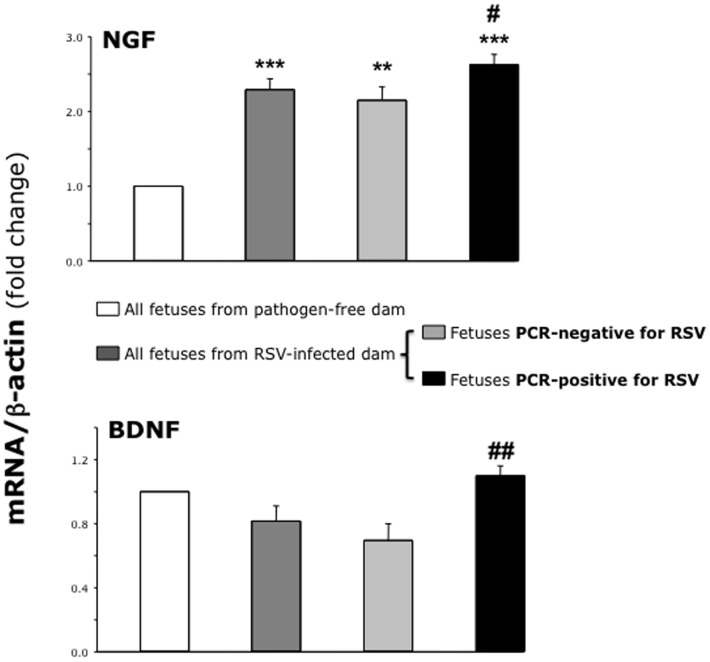
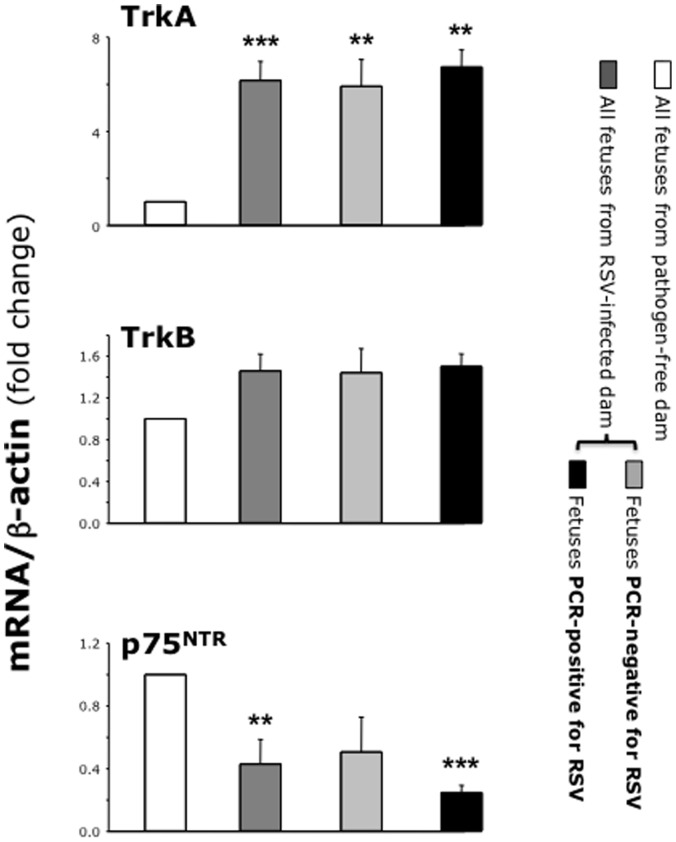
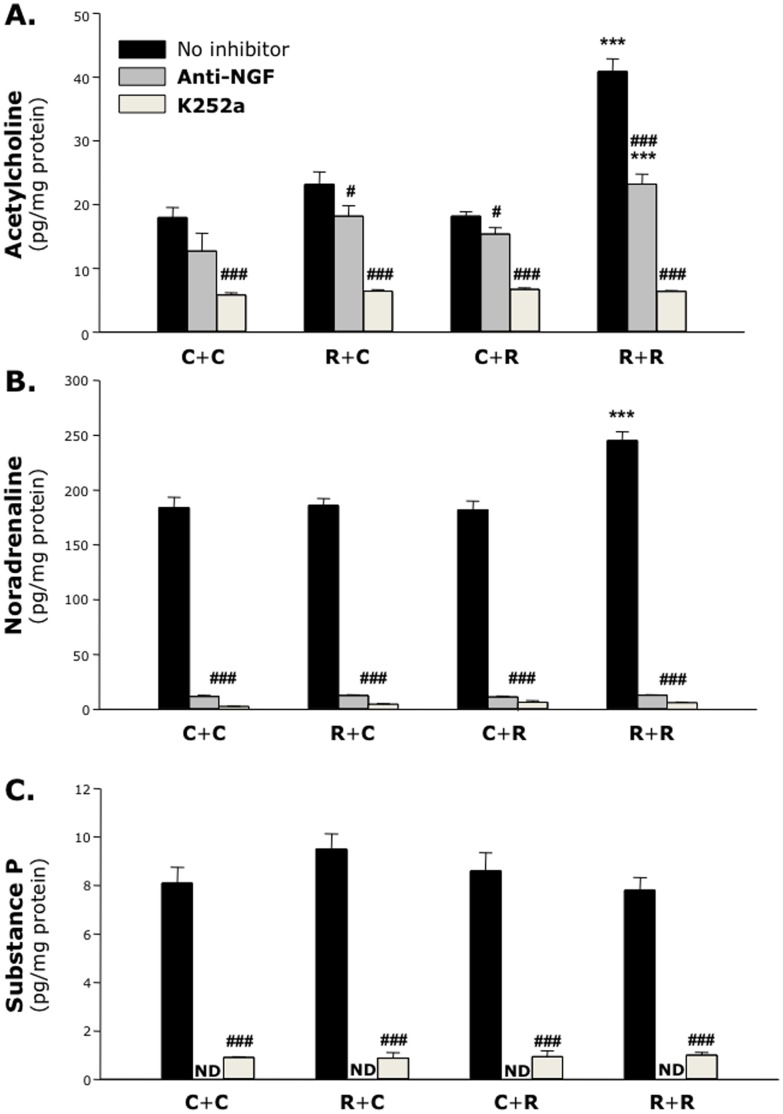
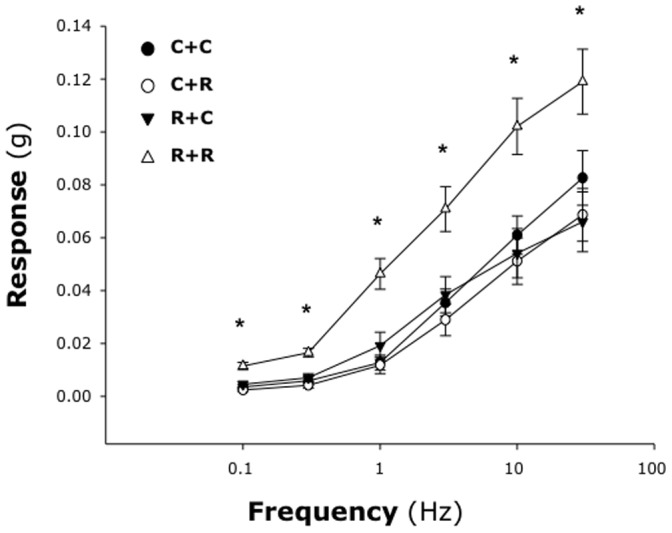
RSV genome was found in 30% of fetuses, as well as in the lungs of 40% of newborns and 25% of adults. RFP expression was also shown by flow cytometry and replicating virus was cultured from exposed fetuses. Nerve growth factor and its TrkA receptor were upregulated in RSV- infected fetal lungs and co-localized with increased cholinergic innervation. Acetylcholine expression and smooth muscle response to cholinergic stimulation increased in lungs exposed to RSV in utero and reinfected after birth, and blocking TrkA signaling inhibited both effects.
CONCLUSIONS/SIGNIFICANCE: Our data show transplacental transmission of RSV from mother to offspring and persistence of vertically transmitted virus in lungs after birth. Exposure to RSV in utero is followed by dysregulation of neurotrophic pathways predisposing to postnatal airway hyperreactivity upon reinfection with the virus.
呼吸道合胞病毒 (RSV) 的环境暴露是婴儿呼吸道感染的主要原因,但目前尚不清楚这种感染是否是由感染母亲的肺部通过胎盘传播给后代的。我们试图验证以下假说,即在怀孕期间 RSV 从呼吸道传播,穿过胎盘进入胎儿,在后代的肺组织中持续存在,并调节产前和产后生长因子的表达,从而导致气道高反应性。
使用表达红色荧光蛋白 (RFP) 的重组 RSV 通过气管内接种感染妊娠中期的大鼠。通过 RT-PCR 扩增病毒 RNA,并通过测序进行确认。通过流式细胞术和病毒培养分析 RFP 表达。通过分析编码关键生长因子(特别是神经营养因子和受体)的基因表达,确定产前感染的发育和病理生理意义。我们还测量了垂直感染肺中的关键神经递质的表达和出生后支气管反应性,并使用选择性生物或化学抑制来评估其对神经营养信号的依赖性。
在 30%的胎儿、40%的新生儿和 25%的成人体内发现了 RSV 基因组。通过流式细胞术也显示了 RFP 表达,并从暴露的胎儿中培养出复制病毒。神经生长因子及其 TrkA 受体在 RSV 感染的胎儿肺中上调,并与胆碱能神经支配增加共定位。在子宫内暴露于 RSV 并在出生后再次感染的肺中,乙酰胆碱表达和对胆碱能刺激的平滑肌反应增加,阻断 TrkA 信号会抑制这两种作用。
结论/意义:我们的数据表明 RSV 从母亲传播到胎儿的胎盘传播,并在出生后垂直传播的病毒在肺部持续存在。在子宫内暴露于 RSV 后,神经营养途径失调,导致在病毒再次感染后出现气道高反应性。