Department of Neuroscience, Genentech Inc, South San Francisco, California, United States of America.
PLoS One. 2013 Apr 26;8(4):e62342. doi: 10.1371/journal.pone.0062342. Print 2013.
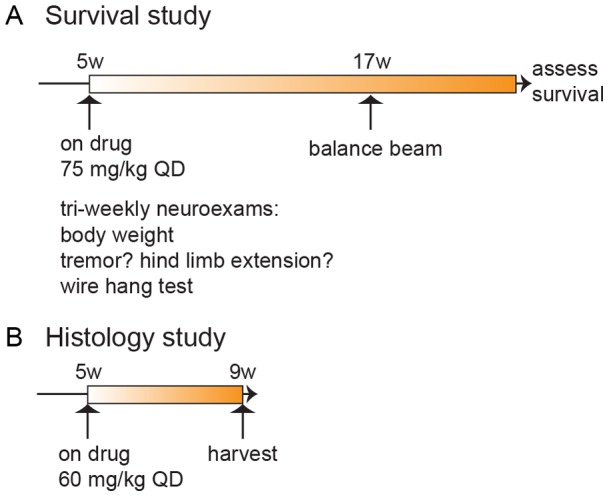
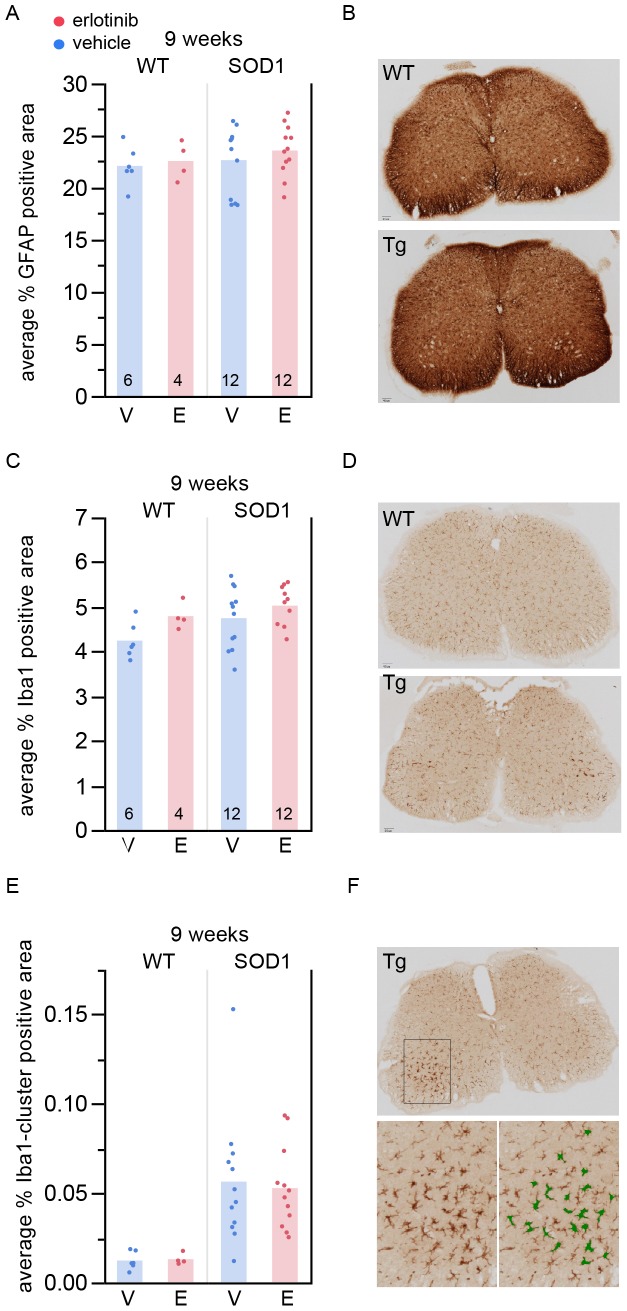
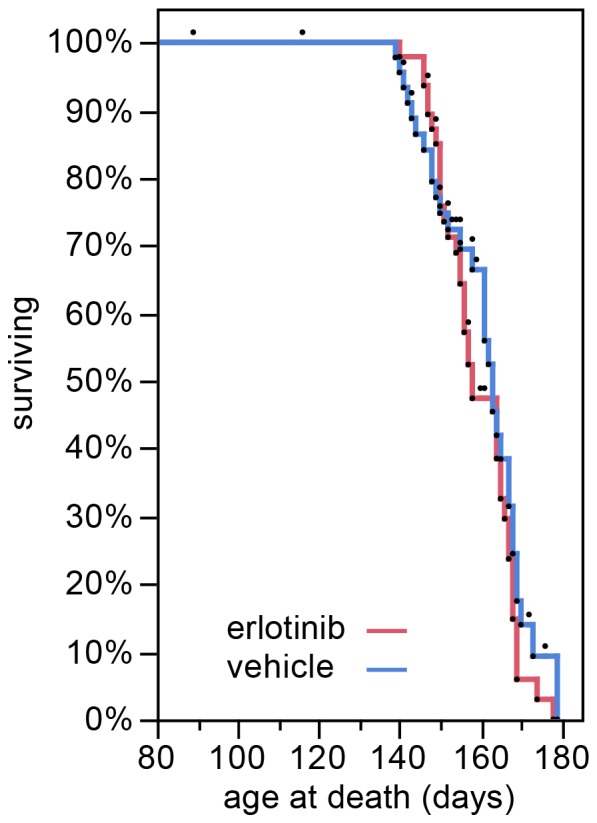
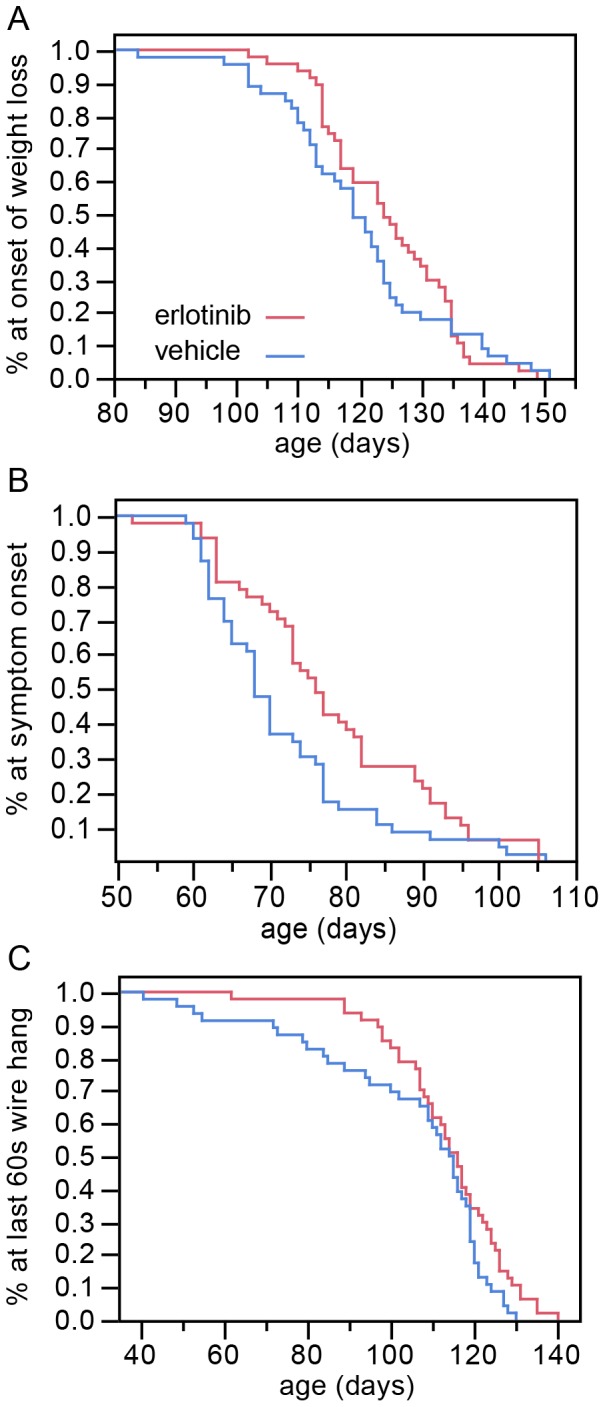
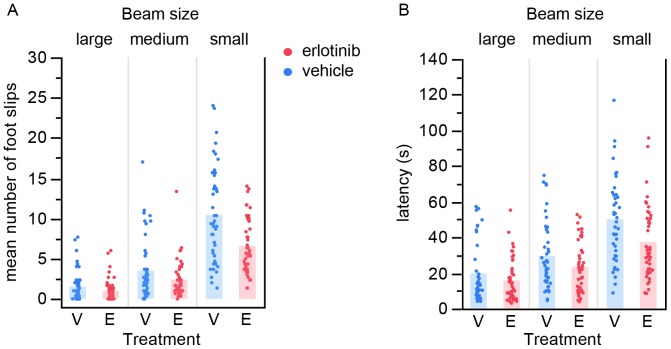
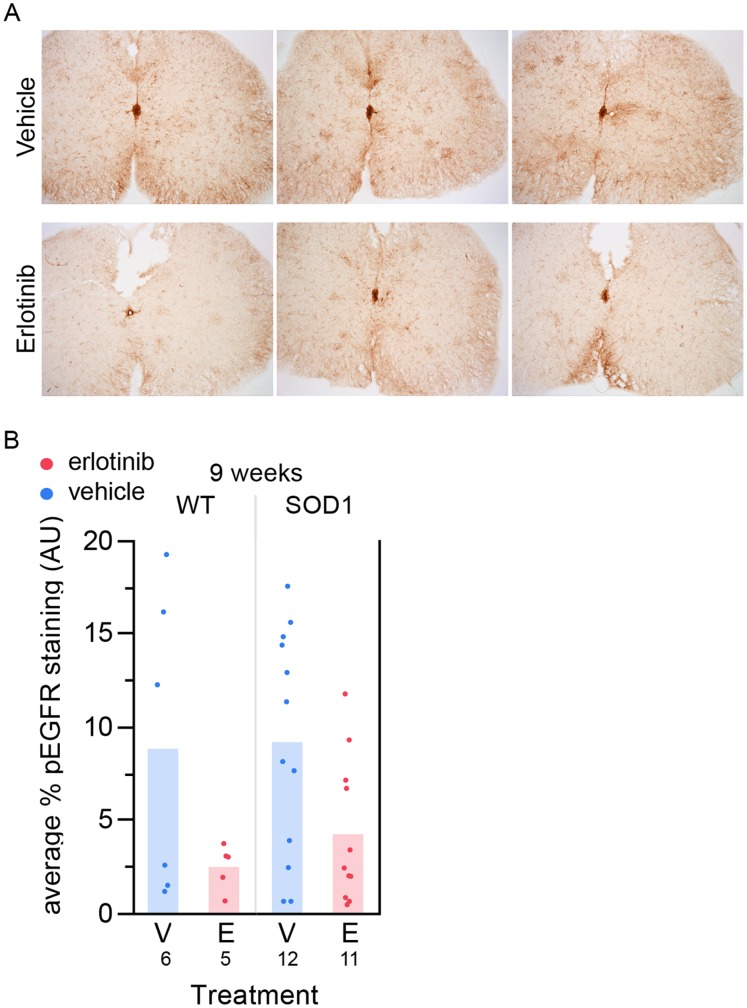
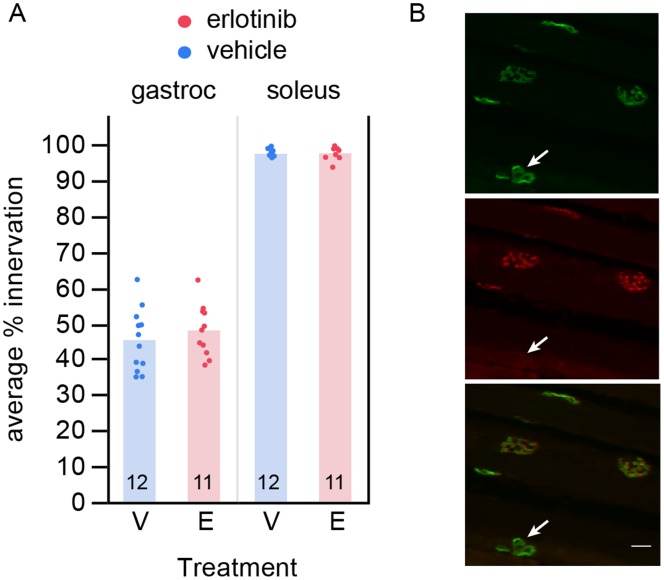
Amyotrophic lateral sclerosis (ALS) is a fatal neurodegenerative disease that causes progressive paralysis due to motor neuron death. Several lines of published evidence suggested that inhibition of epidermal growth factor receptor (EGFR) signaling might protect neurons from degeneration. To test this hypothesis in vivo, we treated the SOD1 transgenic mouse model of ALS with erlotinib, an EGFR inhibitor clinically approved for oncology indications. Although erlotinib failed to extend ALS mouse survival it did provide a modest but significant delay in the onset of multiple behavioral measures of disease progression. However, given the lack of protection of motor neuron synapses and the lack of survival extension, the small benefits observed after erlotinib treatment appear purely symptomatic, with no modification of disease course.
肌萎缩侧索硬化症(ALS)是一种致命的神经退行性疾病,由于运动神经元死亡导致进行性瘫痪。有几项已发表的证据表明,抑制表皮生长因子受体(EGFR)信号可能会保护神经元免受变性。为了在体内验证这一假设,我们用厄洛替尼治疗 SOD1 转基因 ALS 小鼠模型,厄洛替尼是一种临床批准用于肿瘤适应证的 EGFR 抑制剂。尽管厄洛替尼未能延长 ALS 小鼠的存活时间,但它确实使多种疾病进展行为测量的发病时间出现了适度但显著的延迟。然而,鉴于运动神经元突触没有得到保护,而且没有延长生存时间,厄洛替尼治疗后观察到的小益处似乎纯粹是症状性的,没有改变疾病进程。