Institut National de la Santé et de la Recherche Médicale (INSERM), UMR 940, Paris, France.
PLoS One. 2013 Apr 25;8(4):e62418. doi: 10.1371/journal.pone.0062418. Print 2013.
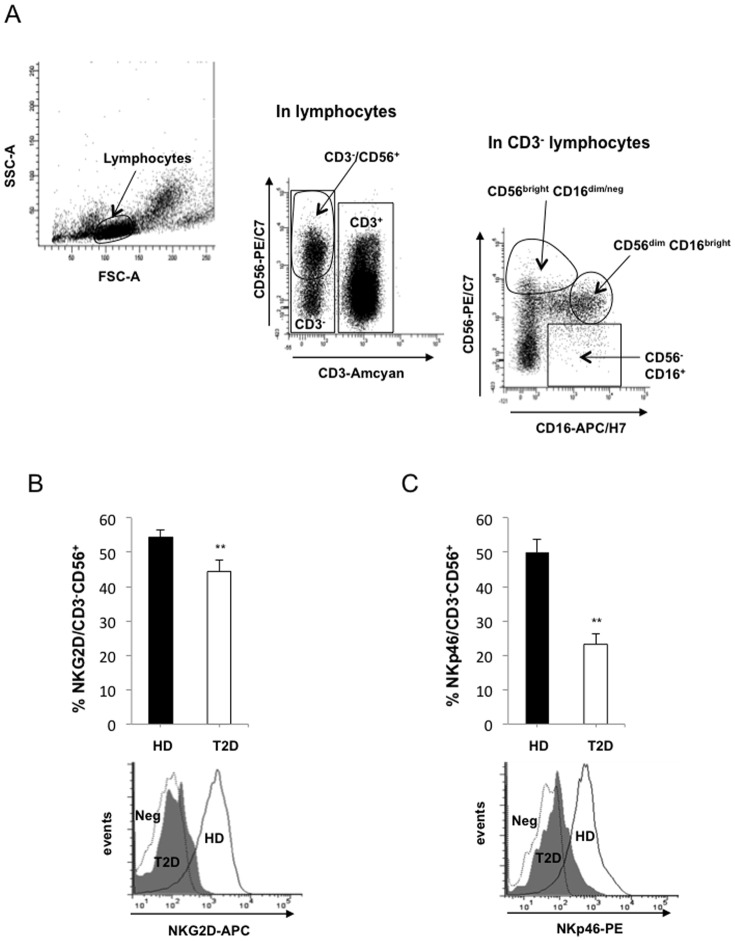
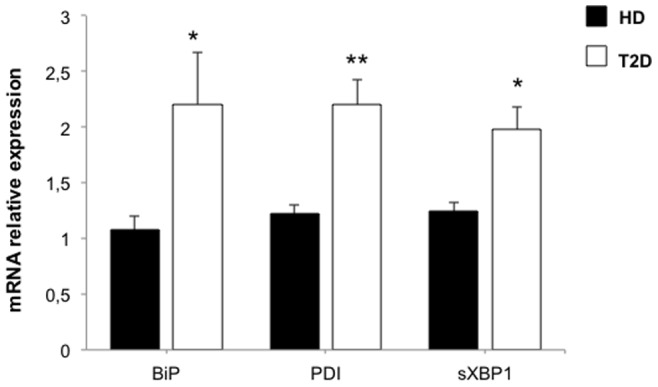
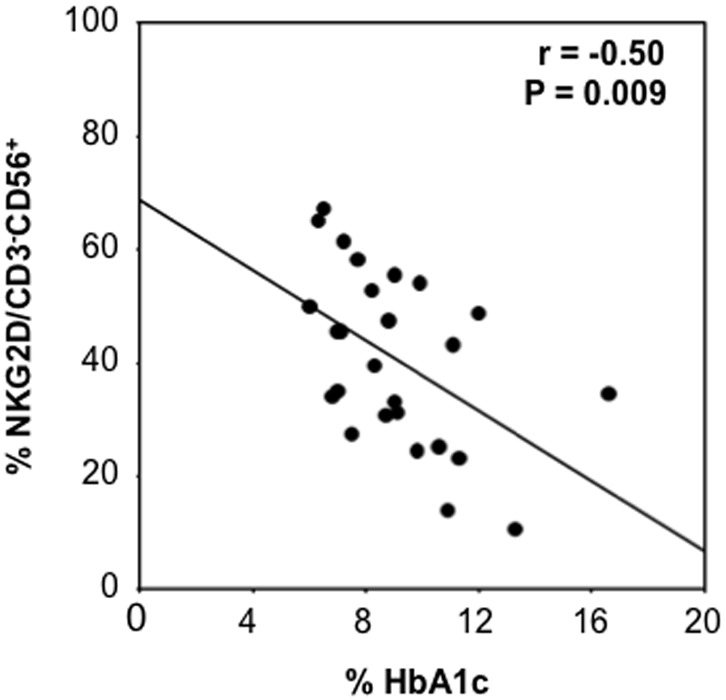
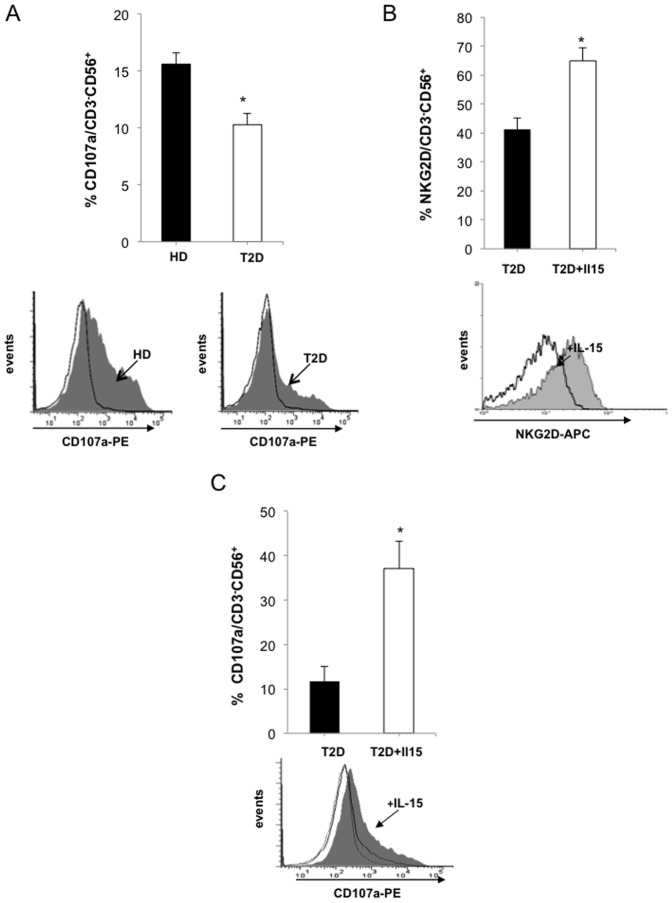
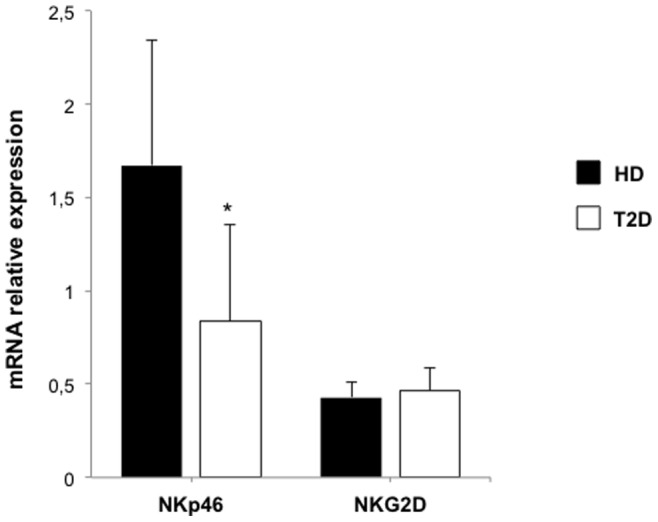
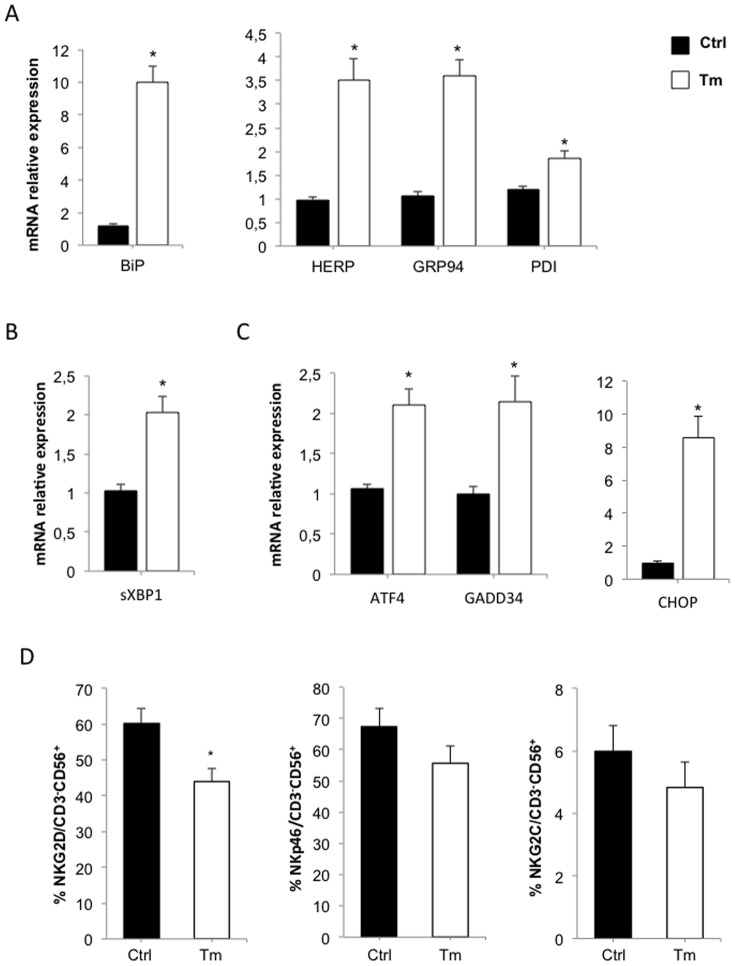
Patients with Type 2 diabetes (T2D) are highly susceptible to infection and have an increased incidence of some tumors, possibly due to immune system dysfunction. In the innate cellular immune system, Natural Killer (NK) lymphocytes are important effectors responsible for controlling infections and combating tumor development. We analyzed NK cell subsets in 51 patients with long-standing T2D. Compared with healthy blood donors, diabetic patients showed a profound decrease in both NKG2D-positive NK cells (44% vs. 55.5%, P<0.01) and NKp46-positive cells (26% vs. 50%, P<0.01). Decreased expression of these receptors was associated with functional defects, such as reduced NK degranulation capacity when challenged with the tumor target cell line K562 (10.3 vs. 15.8%, P<0.05). This defect could be restored in vitro by stimulating NK cells from T2D patients with IL-15 (P<0.05). NKG2D expression was found to be negatively correlated with HBA1c level (r=-0.50; P=0.009), suggesting that sustained hyperglycemia could directly influence NK cell defects. We demonstrated that endoplasmic reticulum (ER) stress, an important mediator in diabetes-associated complications, was inducible in vitro in normal NK cells and that tunicamycin treatment resulted in a significant decrease in NKG2D expression (P<0.05). Furthermore, markers of the Unfolded Protein Response (UPR) BiP, PDI and sXBP1 mRNAs were significantly increased in NK cells from T2D patients (P<0.05, P<0.01, P<0.05, respectively), indicating that ER stress is activated in vivo through both PERK and IRE1 sensors. These results demonstrate for the first time defects in NK cell-activating receptors NKG2D and NKp46 in T2D patients, and implicate the UPR pathway as a potential mechanism. These defects may contribute to susceptibility to infections and malignancies and could be targetted therapeutically.
2 型糖尿病(T2D)患者极易感染,并且某些肿瘤的发病率增加,这可能是由于免疫系统功能障碍所致。在固有细胞免疫中,自然杀伤(NK)淋巴细胞是控制感染和抗肿瘤发展的重要效应细胞。我们分析了 51 例长期 T2D 患者的 NK 细胞亚群。与健康献血者相比,糖尿病患者的 NKG2D 阳性 NK 细胞(44%比 55.5%,P<0.01)和 NKp46 阳性细胞(26%比 50%,P<0.01)均明显减少。这些受体的表达减少与功能缺陷有关,例如当用肿瘤靶细胞系 K562 刺激时,NK 细胞脱颗粒能力降低(10.3%比 15.8%,P<0.05)。这种缺陷可以通过用 IL-15 刺激 T2D 患者的 NK 细胞在体外得到恢复(P<0.05)。NKG2D 表达与 HBA1c 水平呈负相关(r=-0.50;P=0.009),表明持续高血糖可能直接影响 NK 细胞缺陷。我们证明,内质网(ER)应激是糖尿病相关并发症的重要介质,在体外可诱导正常 NK 细胞产生,而衣霉素处理导致 NKG2D 表达显著降低(P<0.05)。此外,T2D 患者 NK 细胞中 UPR 标志物 BiP、PDI 和 sXBP1 mRNA 显著增加(P<0.05、P<0.01、P<0.05),表明通过 PERK 和 IRE1 传感器体内 ER 应激被激活。这些结果首次证明 T2D 患者 NK 细胞激活受体 NKG2D 和 NKp46 存在缺陷,并表明 UPR 途径是一种潜在的机制。这些缺陷可能导致易感染和恶性肿瘤,并可能成为治疗的靶点。