Cell Signaling Unit, Departament de Ciències Experimentals i de la Salut, Universitat Pompeu Fabra, E-08003 Barcelona, Spain.
J Biol Chem. 2013 Jun 14;288(24):17384-98. doi: 10.1074/jbc.M112.444042. Epub 2013 May 3.
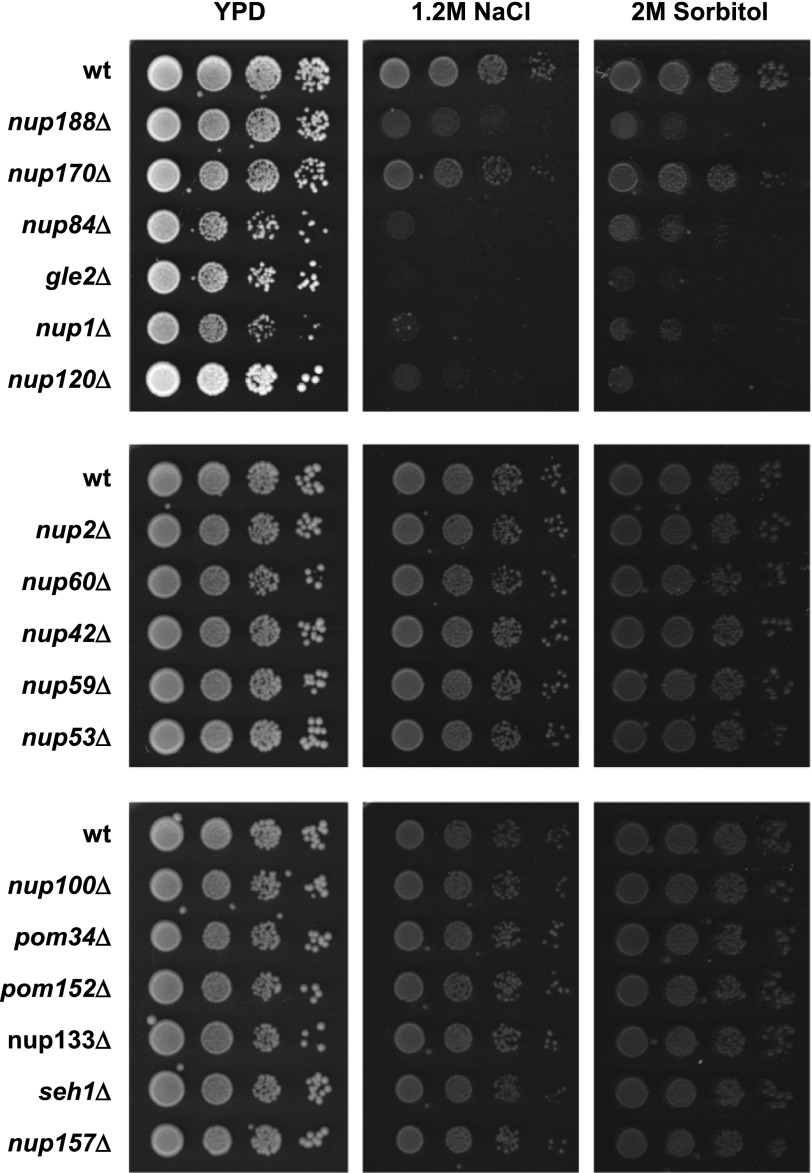
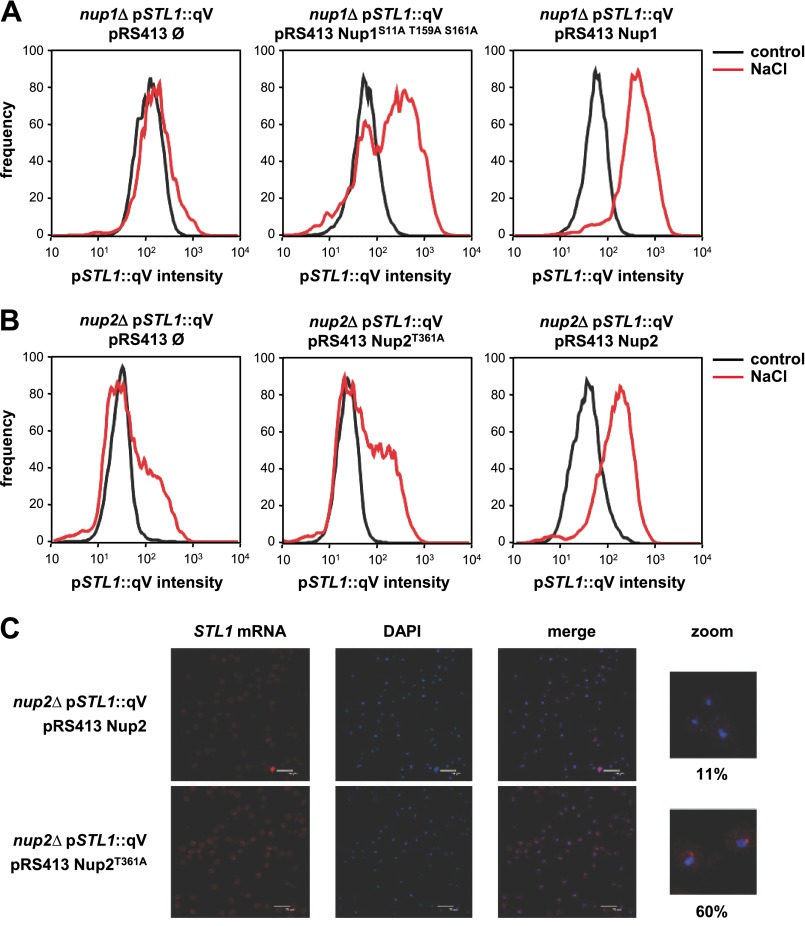
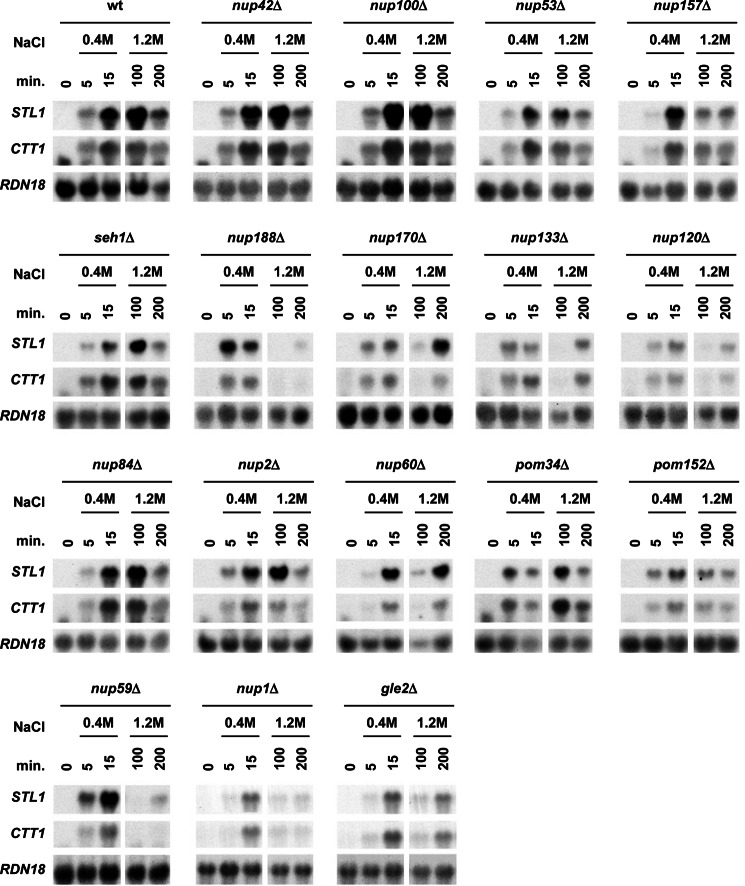
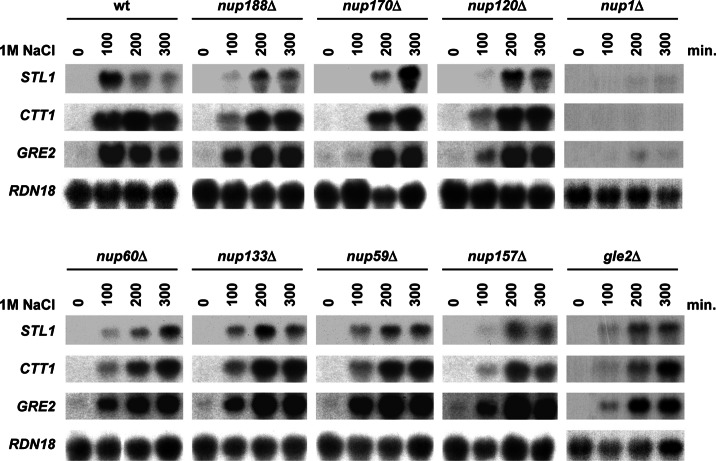
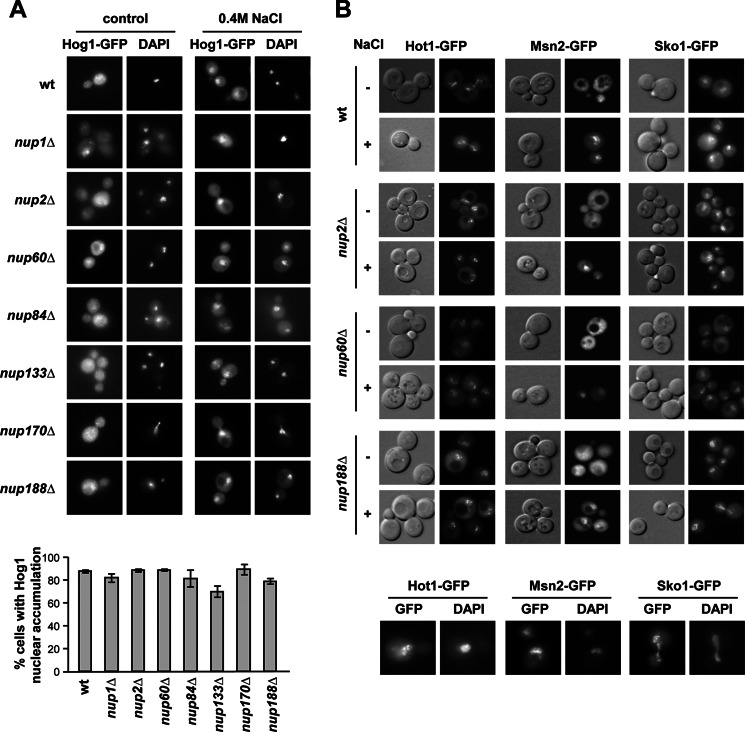
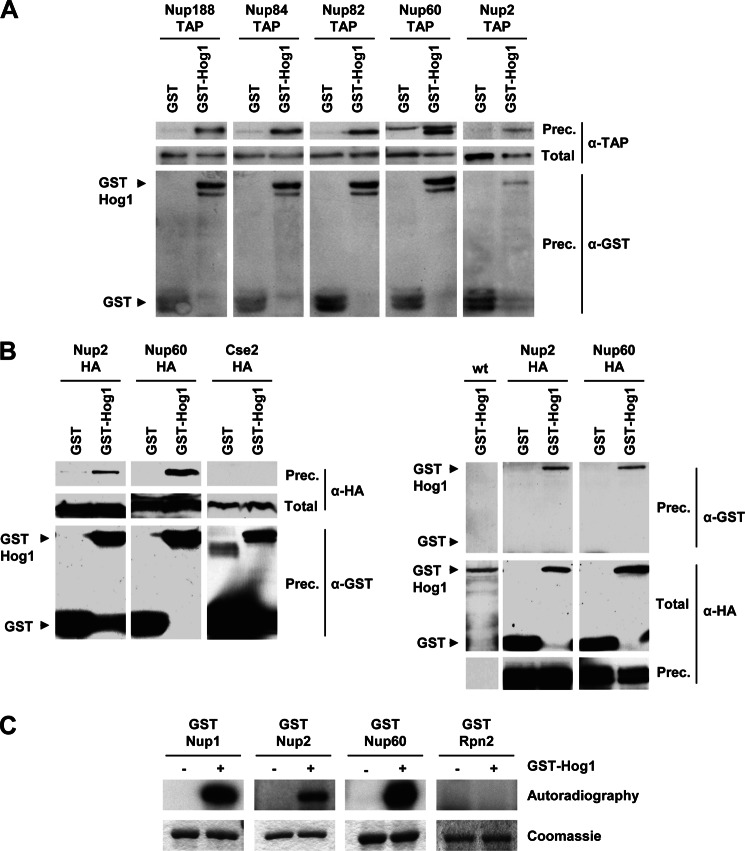
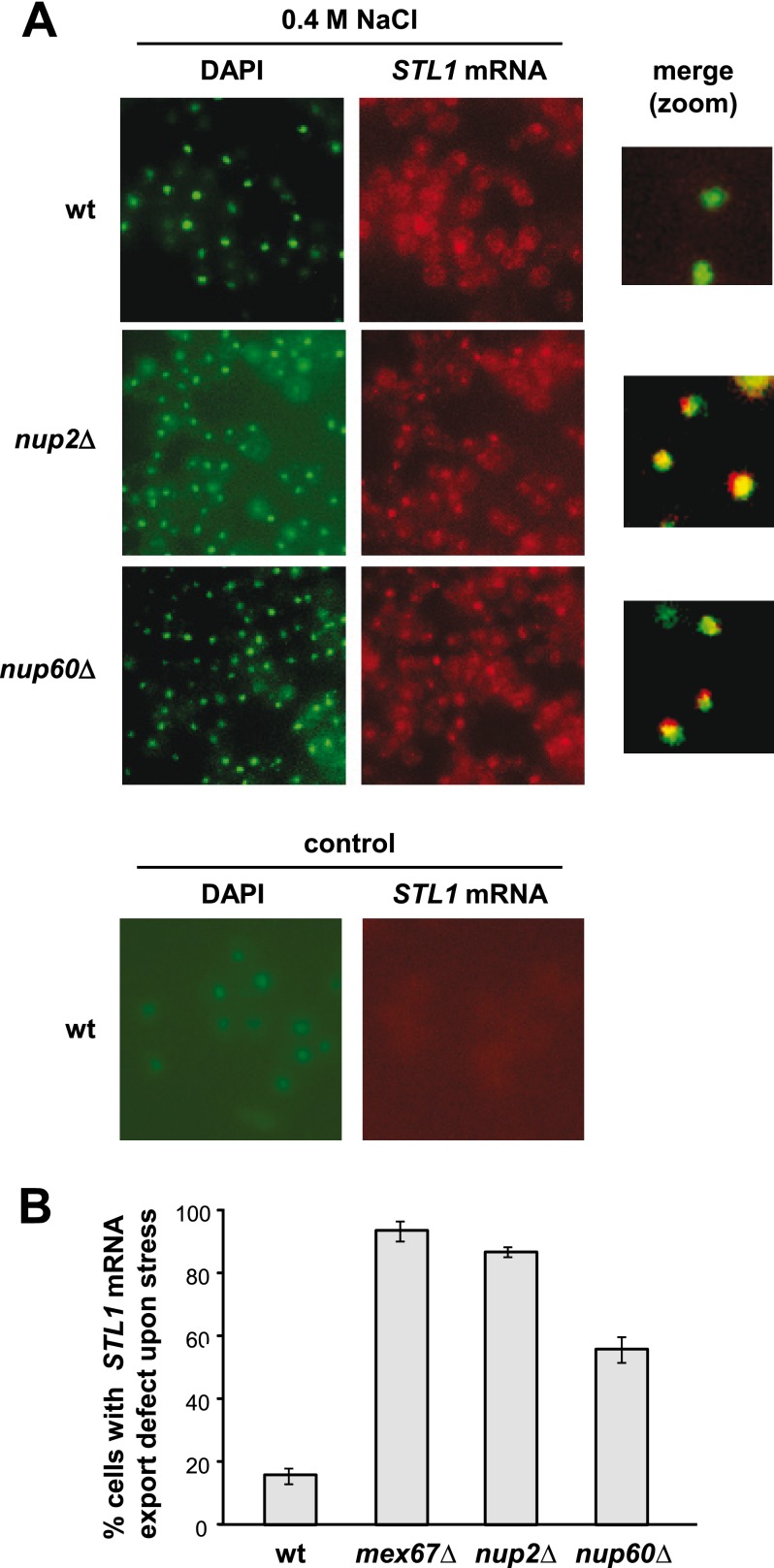
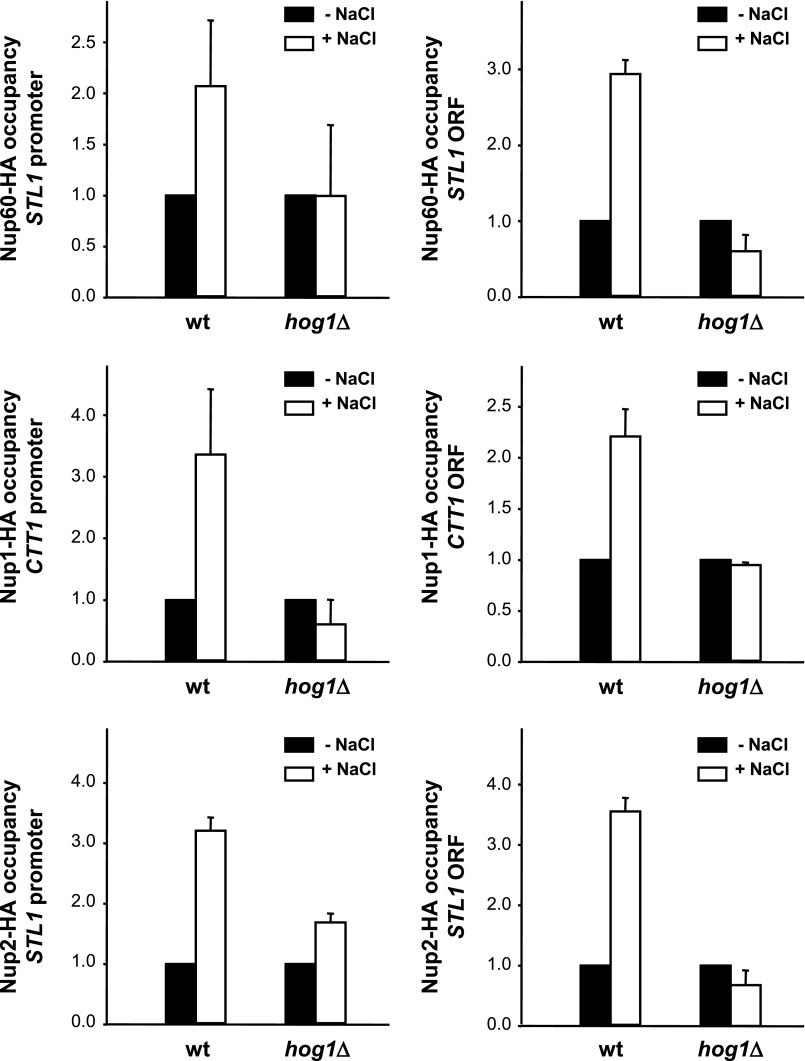
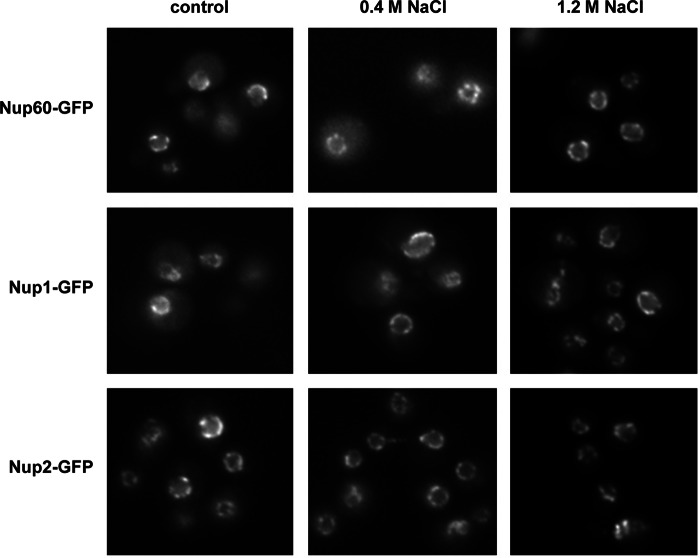
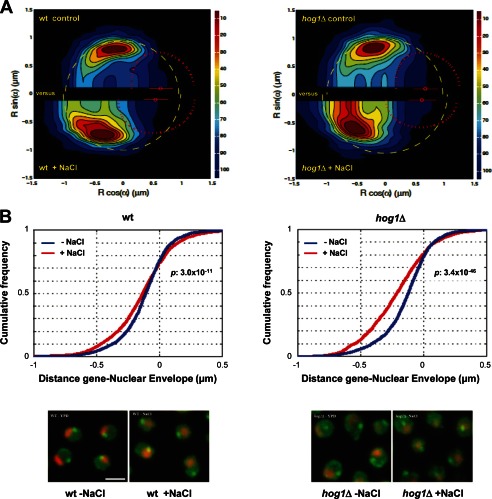
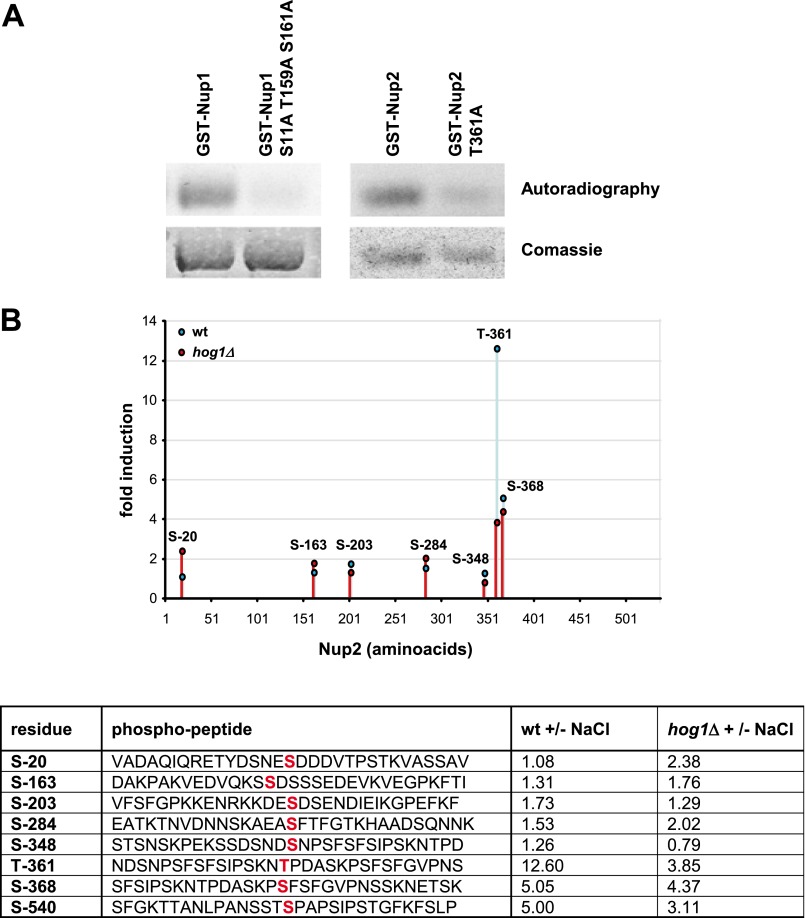
The control of mRNA biogenesis is exerted at several steps. In response to extracellular stimuli, stress-activated protein kinases (SAPK) modulate gene expression to maximize cell survival. In yeast, the Hog1 SAPK plays a key role in reprogramming the gene expression pattern required for cell survival upon osmostress by acting during transcriptional initiation and elongation. Here, we genetically show that an intact nuclear pore complex is important for cell survival and maximal expression of stress-responsive genes. The Hog1 SAPK associates with nuclear pore complex components and directly phosphorylates the Nup1, Nup2, and Nup60 components of the inner nuclear basket. Mutation of those factors resulted in a deficient export of stress-responsive genes upon stress. Association of Nup1, Nup2, and Nup60 to stress-responsive promoters occurs upon stress depending on Hog1 activity. Accordingly, STL1 gene territory is maintained at the nuclear periphery upon osmostress in a Hog1-dependent manner. Cells containing non-phosphorylatable mutants in Nup1 or Nup2 display reduced expression of stress-responsive genes. Together, proper mRNA biogenesis of stress-responsive genes requires of the coordinate action of synthesis and export machineries by the Hog1 SAPK.
mRNA 生物发生的控制在几个步骤中进行。响应细胞外刺激,应激激活蛋白激酶(SAPK)调节基因表达以最大限度地提高细胞存活率。在酵母中,Hog1 SAPK 通过在转录起始和延伸过程中发挥作用,在渗透压应激时细胞存活所需的基因表达模式的重编程中发挥关键作用。在这里,我们通过遗传实验表明,完整的核孔复合体对于细胞存活和应激响应基因的最大表达至关重要。Hog1 SAPK 与核孔复合体成分相关,并直接磷酸化核内篮的 Nup1、Nup2 和 Nup60 成分。这些因素的突变导致应激时应激响应基因的输出不足。依赖于 Hog1 活性,Nup1、Nup2 和 Nup60 与应激响应启动子的结合发生在应激时。因此,在渗透压应激下,STL1 基因区域以 Hog1 依赖的方式保持在核周。在 Nup1 或 Nup2 中含有不可磷酸化突变体的细胞显示应激响应基因的表达减少。总之,应激响应基因的适当 mRNA 生物发生需要 Hog1 SAPK 协调合成和输出机制的作用。