Gladstone Institute of Cardiovascular Disease, San Francisco, California, USA.
PLoS One. 2013 Apr 26;8(4):e62705. doi: 10.1371/journal.pone.0062705. Print 2013.
A-kinase anchoring proteins (AKAPs) are scaffolding molecules that coordinate and integrate G-protein signaling events to regulate development, physiology, and disease. One family member, AKAP13, encodes for multiple protein isoforms that contain binding sites for protein kinase A (PKA) and D (PKD) and an active Rho-guanine nucleotide exchange factor (Rho-GEF) domain. In mice, AKAP13 is required for development as null embryos die by embryonic day 10.5 with cardiovascular phenotypes. Additionally, the AKAP13 Rho-GEF and PKD-binding domains mediate cardiomyocyte hypertrophy in cell culture. However, the requirements for the Rho-GEF and PKD-binding domains during development and cardiac hypertrophy are unknown.
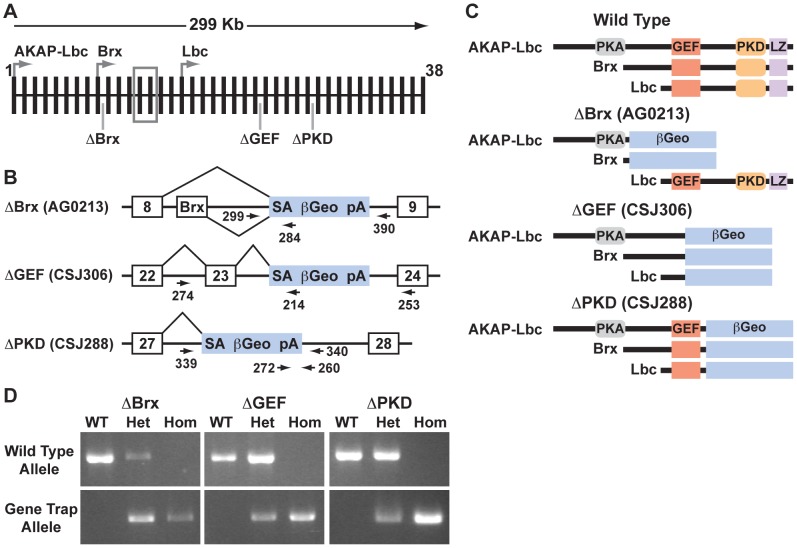
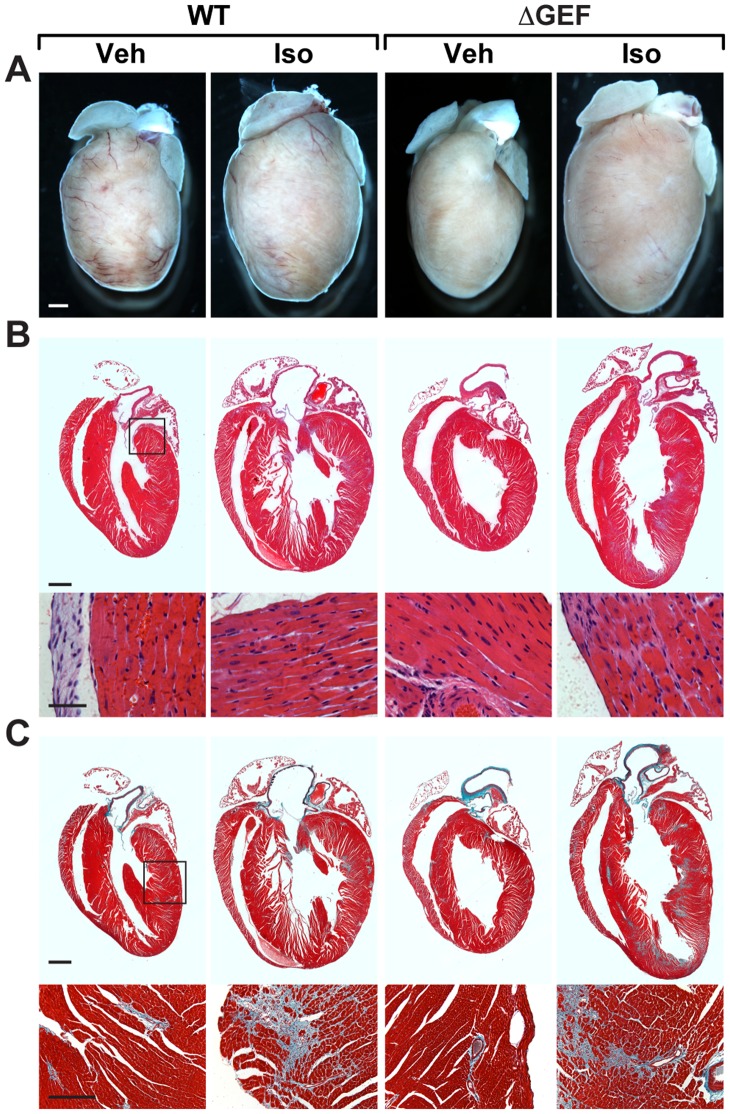
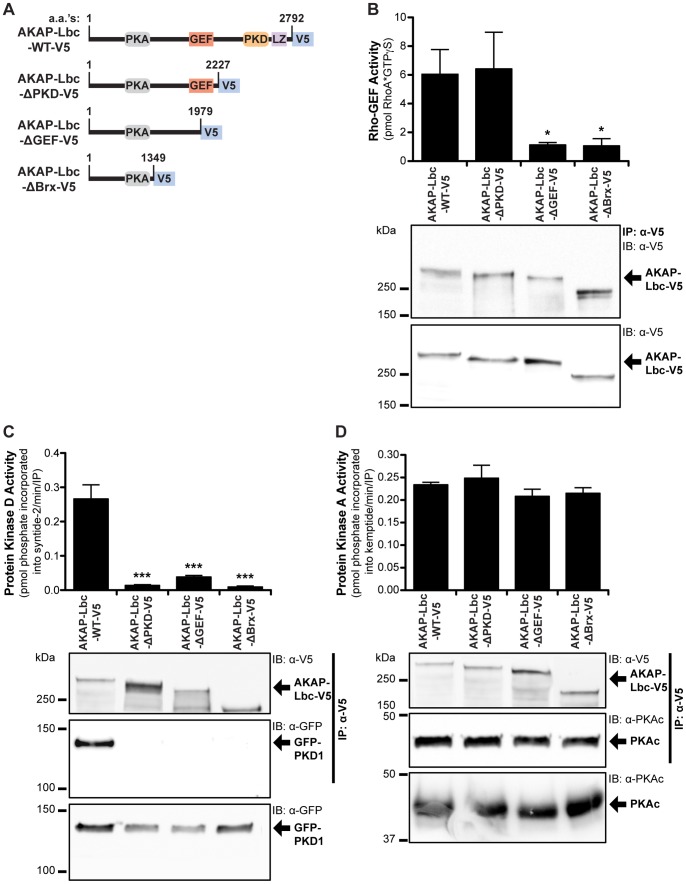
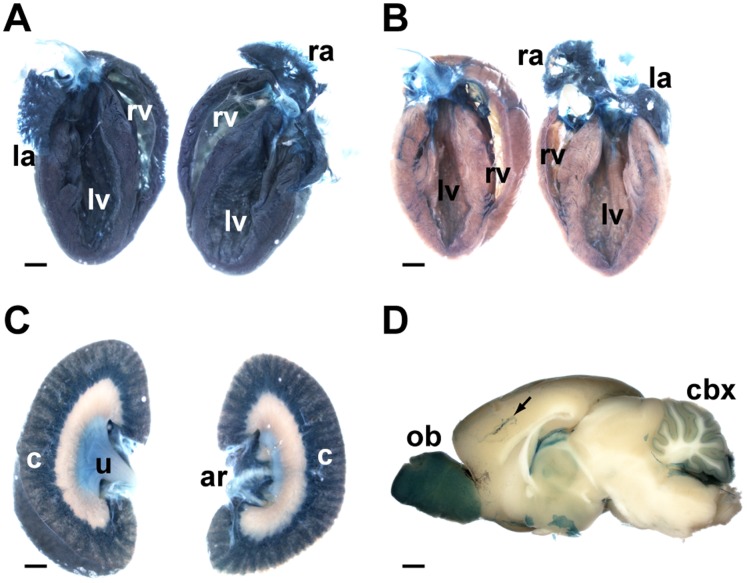
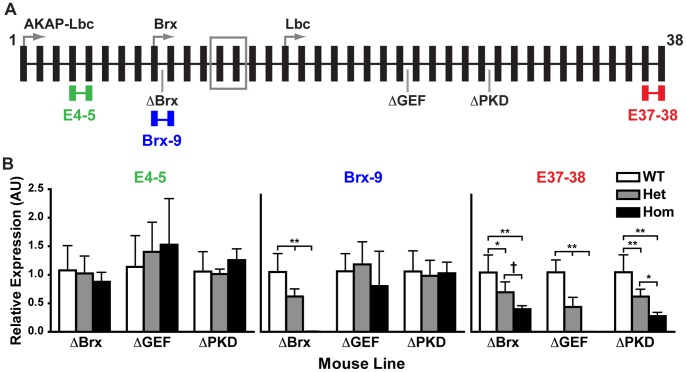
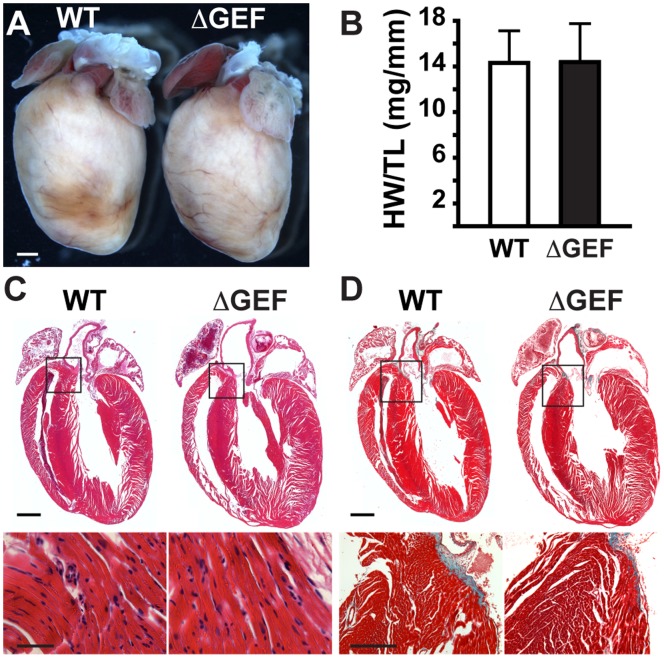
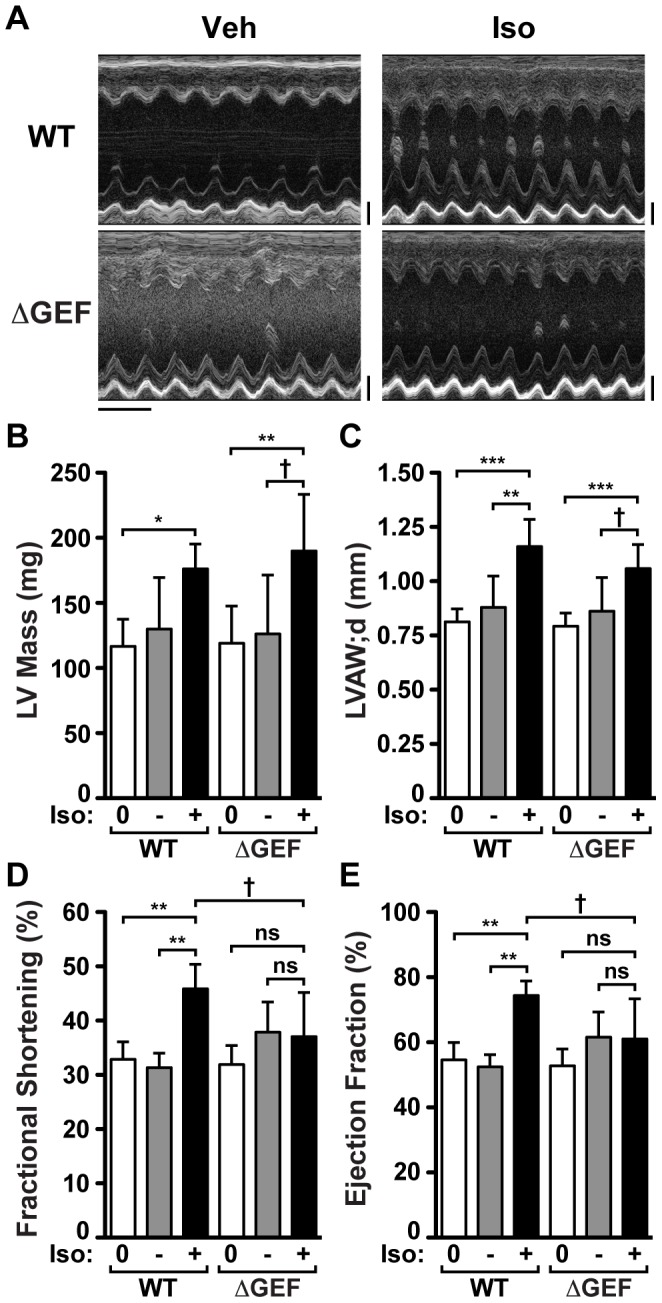
METHODOLOGY/PRINCIPAL FINDINGS: To determine if these AKAP13 protein domains are required for development, we used gene-trap events to create mutant mice that lacked the Rho-GEF and/or the protein kinase D-binding domains. Surprisingly, heterozygous matings produced mutant mice at Mendelian ratios that had normal viability and fertility. The adult mutant mice also had normal cardiac structure and electrocardiograms. To determine the role of these domains during β-adrenergic-induced cardiac hypertrophy, we stressed the mice with isoproterenol. We found that heart size was increased similarly in mice lacking the Rho-GEF and PKD-binding domains and wild-type controls. However, the mutant hearts had abnormal cardiac contractility as measured by fractional shortening and ejection fraction.
These results indicate that the Rho-GEF and PKD-binding domains of AKAP13 are not required for mouse development, normal cardiac architecture, or β-adrenergic-induced cardiac hypertrophic remodeling. However, these domains regulate aspects of β-adrenergic-induced cardiac hypertrophy.
A-激酶锚定蛋白(AKAPs)是一种支架分子,可协调和整合 G 蛋白信号事件,以调节发育、生理和疾病。AKAP13 是该家族的一个成员,其编码的多个蛋白异构体包含蛋白激酶 A(PKA)和 D(PKD)的结合位点以及一个活跃的 Rho 鸟嘌呤核苷酸交换因子(Rho-GEF)结构域。在小鼠中,AKAP13 对于胚胎发育是必需的,因为缺乏该基因的胚胎在胚胎第 10.5 天死亡,同时伴有心血管表型。此外,AKAP13 的 Rho-GEF 和 PKD 结合结构域在细胞培养中可介导心肌细胞肥大。然而,这些 AKAP13 蛋白结构域在发育和心肌肥大中的需求尚不清楚。
方法/主要发现:为了确定这些 AKAP13 蛋白结构域是否对发育是必需的,我们使用基因捕获事件来创建缺失 Rho-GEF 和/或蛋白激酶 D 结合结构域的突变小鼠。令人惊讶的是,杂合交配产生的突变小鼠以孟德尔比率存在,具有正常的生存能力和生育能力。成年突变小鼠的心脏结构和心电图也正常。为了确定这些结构域在β-肾上腺素能诱导的心肌肥大过程中的作用,我们用异丙肾上腺素对小鼠施加压力。我们发现,缺乏 Rho-GEF 和 PKD 结合结构域的突变小鼠与野生型对照小鼠的心脏大小增加相似。然而,这些突变小鼠的心脏收缩力异常,表现为分数缩短和射血分数降低。
这些结果表明,AKAP13 的 Rho-GEF 和 PKD 结合结构域对于小鼠的发育、正常的心脏结构或β-肾上腺素能诱导的心肌肥厚重塑不是必需的。然而,这些结构域调节了β-肾上腺素能诱导的心肌肥大的某些方面。