Department of Biochemistry, Yong Loo Lin School of Medicine, National University of Singapore, Singapore 119228.
J Proteome Res. 2013 Jun 7;12(6):2933-45. doi: 10.1021/pr400219s. Epub 2013 May 28.
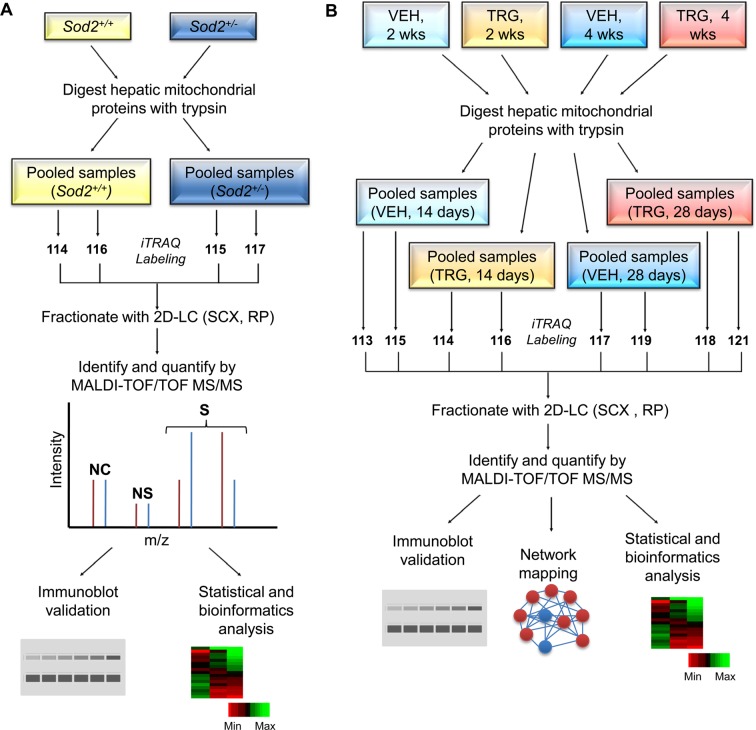
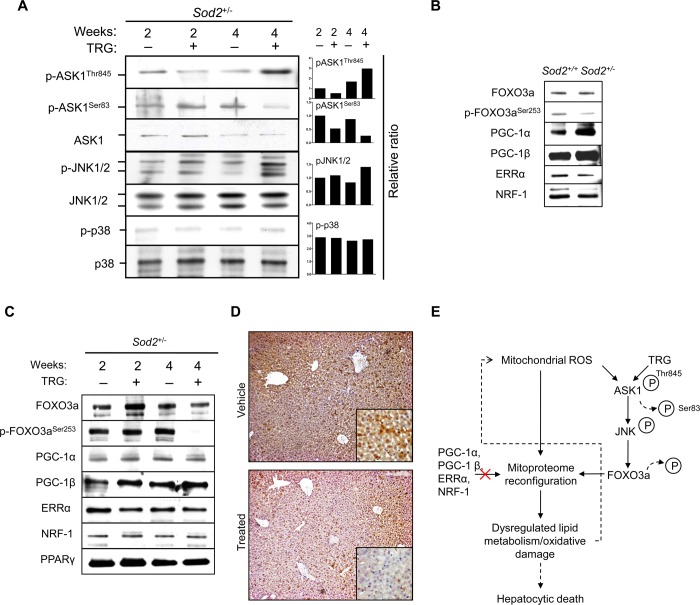
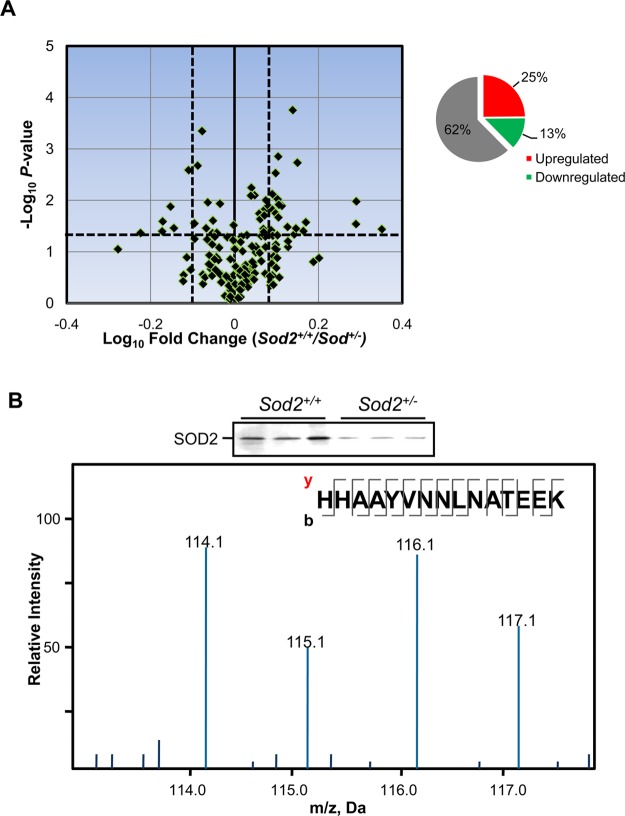
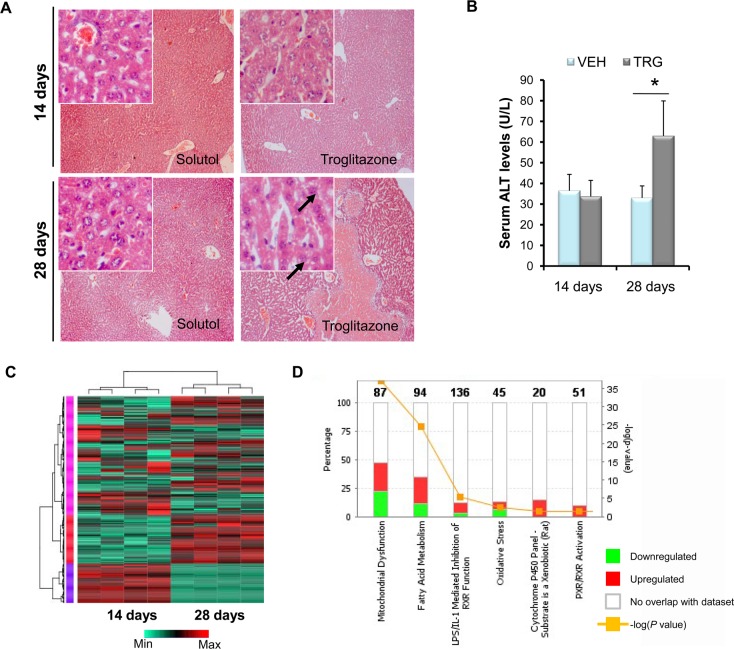
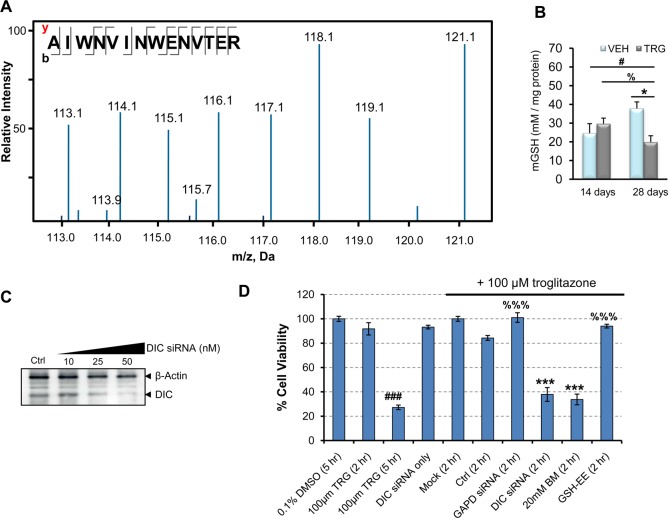
Troglitazone, a first-generation thiazolidinedione of antihyperglycaemic properties, was withdrawn from the market due to unacceptable idiosyncratic hepatotoxicity. Despite intensive research, the underlying mechanism of troglitazone-induced liver toxicity remains unknown. Here we report the use of the Sod2(+/-) mouse model of silent mitochondrial oxidative-stress-based and quantitative mass spectrometry-based proteomics to track the mitochondrial proteome changes induced by physiologically relevant troglitazone doses. By quantitative untargeted proteomics, we first globally profiled the Sod2(+/-) hepatic mitochondria proteome and found perturbations including GSH metabolism that enhanced the toxicity of the normally nontoxic troglitazone. Short- and long-term troglitazone administration in Sod2(+/-) mouse led to a mitochondrial proteome shift from an early compensatory response to an eventual phase of intolerable oxidative stress, due to decreased mitochondrial glutathione (mGSH) import protein, decreased dicarboxylate ion carrier (DIC), and the specific activation of ASK1-JNK and FOXO3a with prolonged troglitazone exposure. Furthermore, mapping of the detected proteins onto mouse specific protein-centered networks revealed lipid-associated proteins as contributors to overt mitochondrial and liver injury when under prolonged exposure to the lipid-normalizing troglitazone. By integrative toxicoproteomics, we demonstrated a powerful systems approach in identifying the collapse of specific fragile nodes and activation of crucial proteome reconfiguration regulators when targeted by an exogenous toxicant.
曲格列酮是一种具有降血糖作用的第一代噻唑烷二酮类药物,由于不可接受的特发性肝毒性而被撤出市场。尽管进行了深入的研究,但曲格列酮诱导肝毒性的潜在机制仍不清楚。在这里,我们报告使用 Sod2(+/-) 小鼠模型,该模型具有沉默的线粒体氧化应激和基于定量质谱的蛋白质组学,以跟踪生理相关曲格列酮剂量引起的线粒体蛋白质组变化。通过定量非靶向蛋白质组学,我们首先全局分析了 Sod2(+/-) 肝线粒体蛋白质组,发现了包括 GSH 代谢在内的扰动,这些扰动增强了通常非毒性的曲格列酮的毒性。短期和长期给予 Sod2(+/-) 小鼠曲格列酮会导致线粒体蛋白质组从早期代偿性反应转变为最终不可耐受的氧化应激阶段,这是由于线粒体谷胱甘肽 (mGSH) 导入蛋白减少、二羧酸离子载体 (DIC) 减少以及 ASK1-JNK 和 FOXO3a 的特异性激活所致,长期暴露于曲格列酮会导致这种情况。此外,将检测到的蛋白质映射到特定于小鼠的蛋白质中心网络上,揭示了当暴露于脂质调节曲格列酮时,脂质相关蛋白是明显的线粒体和肝损伤的贡献者。通过整合毒理学蛋白质组学,我们证明了一种强大的系统方法,用于在受到外源性毒物靶向时,识别特定脆弱节点的崩溃和关键蛋白质组重新配置调节剂的激活。