Department of Biophysics, Graduate School of Science, Kyoto University, Kyoto, Japan.
Proc Jpn Acad Ser B Phys Biol Sci. 2013;89(5):183-95. doi: 10.2183/pjab.89.183.
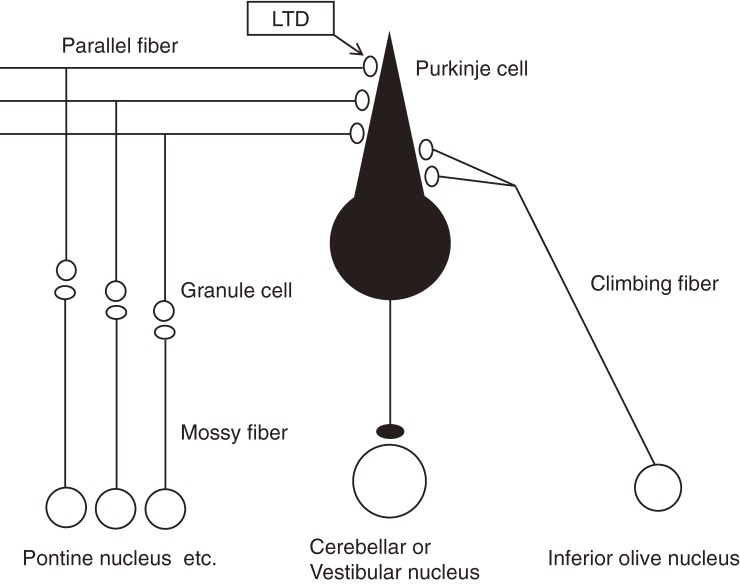
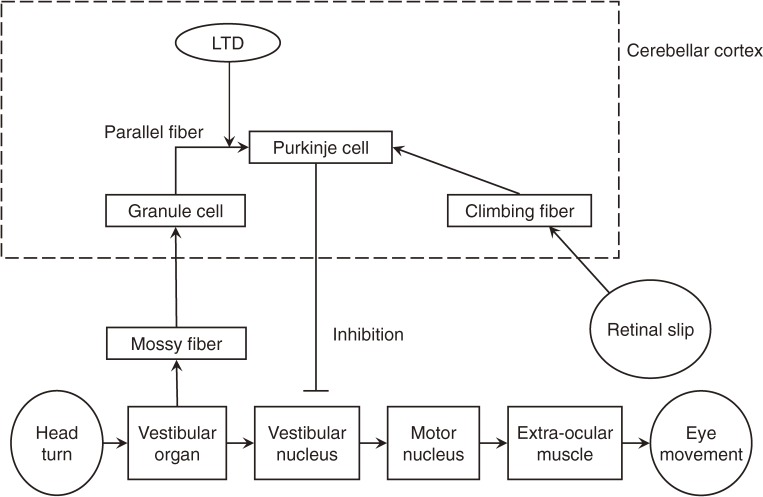
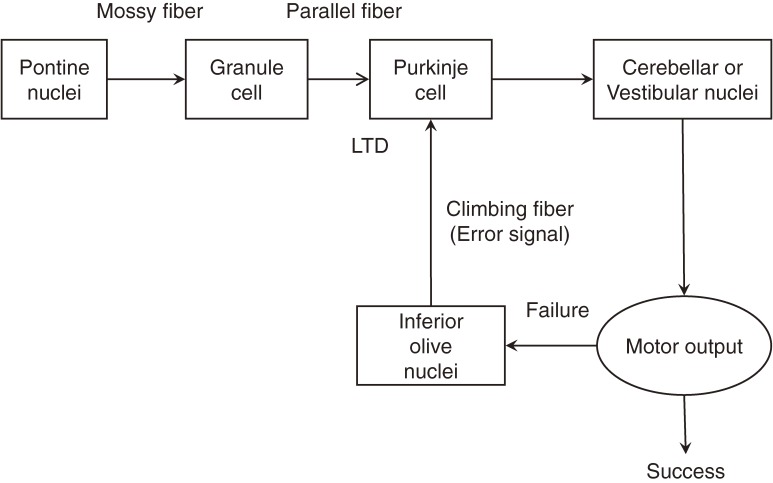
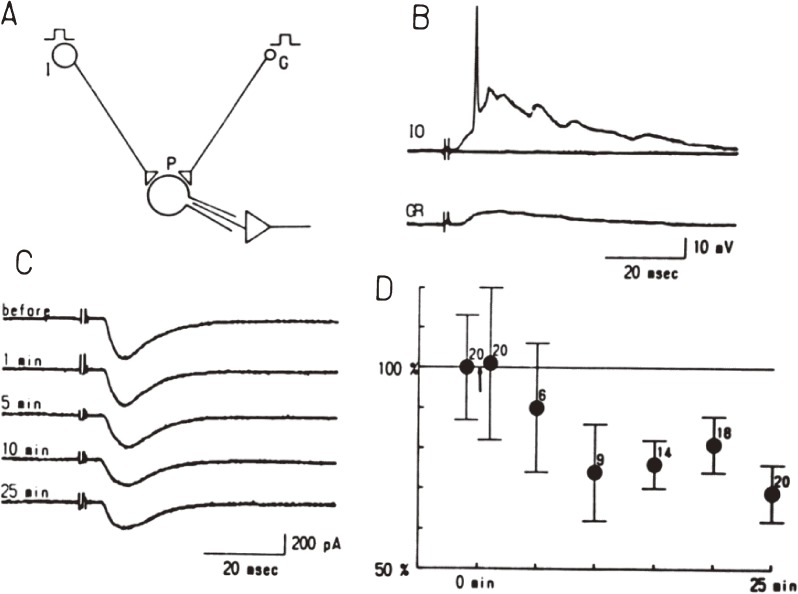
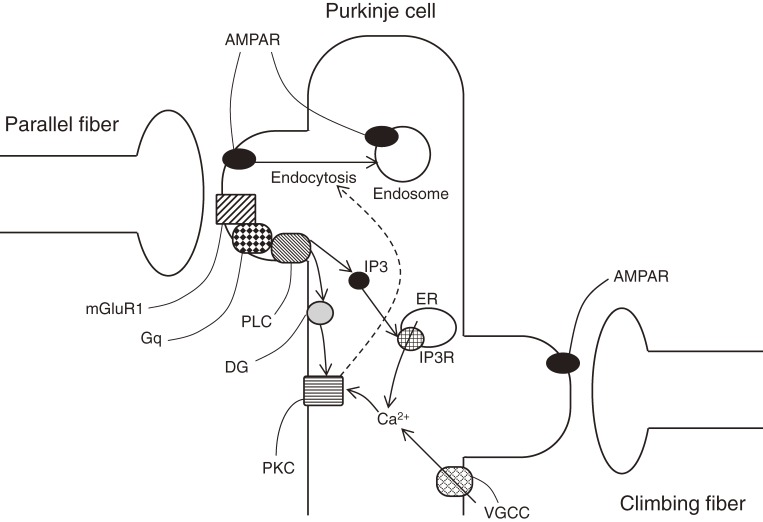
Cerebellar long-term depression (LTD) is a type of synaptic plasticity and has been considered as a critical cellular mechanism for motor learning. LTD occurs at excitatory synapses between parallel fibers and a Purkinje cell in the cerebellar cortex, and is expressed as reduced responsiveness to transmitter glutamate. Molecular induction mechanism of LTD has been intensively studied using culture and slice preparations, which has revealed critical roles of Ca(2+), protein kinase C and endocytosis of AMPA-type glutamate receptors. Involvement of a large number of additional molecules has also been demonstrated, and their interactions relevant to LTD mechanisms have been studied. In vivo experiments including those on mutant mice, have reported good correlation of LTD and motor learning. However, motor learning could occur with impaired LTD. A possibility that cerebellar synaptic plasticity other than LTD compensates for the defective LTD has been proposed.
小脑长时程抑制( LTD )是一种突触可塑性,被认为是运动学习的关键细胞机制。LTD 发生在小脑皮层的平行纤维和浦肯野细胞之间的兴奋性突触上,表现为对递质谷氨酸的反应性降低。使用培养物和切片制备物对 LTD 的分子诱导机制进行了深入研究,揭示了 Ca(2+)、蛋白激酶 C 和 AMPA 型谷氨酸受体的内吞作用的关键作用。还证明了大量其他分子的参与,并且研究了它们与 LTD 机制相关的相互作用。包括突变小鼠在内的体内实验报告了 LTD 与运动学习之间的良好相关性。然而,运动学习可能会伴随着 LTD 的损害而发生。有人提出,除了 LTD 之外,小脑突触可塑性可能会补偿 LTD 的缺陷。