Massey Sean G, Merriwether Ann M, Garcia Justin R
Binghamton University, Binghamton, NY.
J GLBT Fam Stud. 2013;9(2):129-151. doi: 10.1080/1550428X.2013.765257.
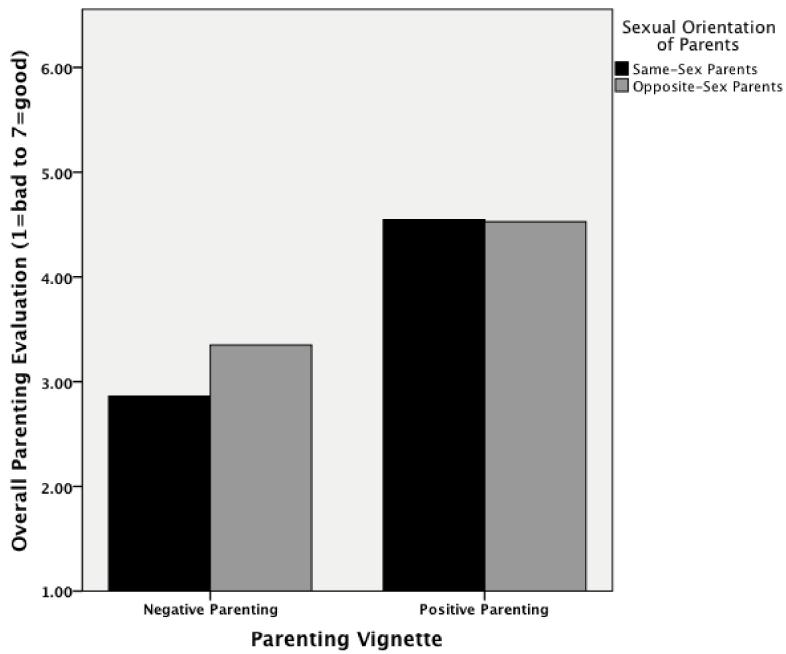
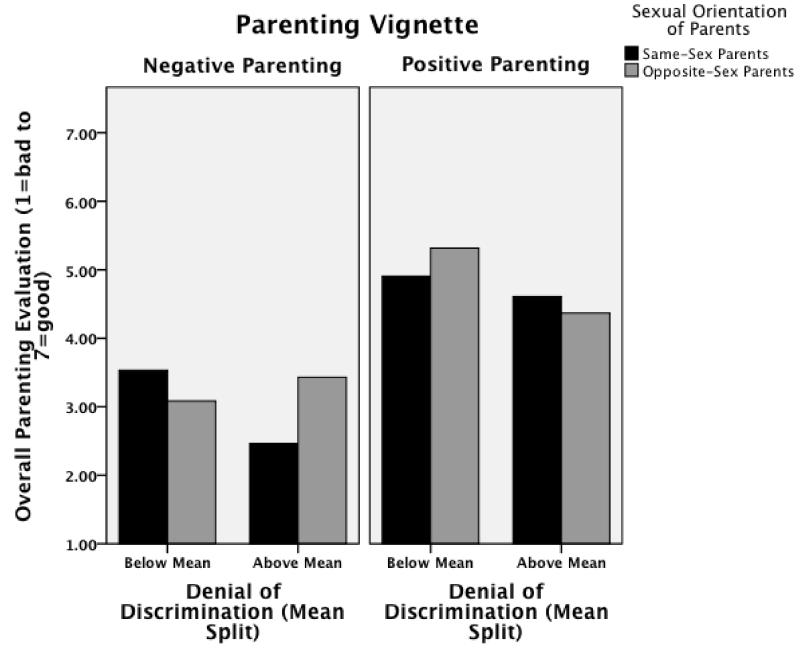
The current study compares the effects of traditional and modern anti-homosexual prejudice on evaluations of parenting practices of same-sex and opposite-sex couples. Undergraduate university student participants (N = 436) completed measures of traditional and modern anti-homosexual prejudice and responded to a vignette describing a restaurant scene in which parents react to their child's undesirable behavior. The parents' sexual orientation and the quality of their parenting (positive or negative quality) were varied randomly. It was predicted that participants who score higher in modern prejudice would rate the negative parenting behaviors of same-sex parents more negatively than similar behaviors in opposite-sex parents. It was also predicted that this modern prejudice effect would be most pronounced for male participants. Both hypotheses were supported.
当前的研究比较了传统和现代反同性恋偏见对评估同性和异性伴侣育儿方式的影响。本科大学生参与者(N = 436)完成了传统和现代反同性恋偏见的测量,并对一个描述餐厅场景的 vignette 做出反应,在这个场景中父母对孩子不良行为做出反应。父母的性取向及其育儿质量(积极或消极质量)是随机变化的。研究预测,在现代偏见方面得分较高的参与者会比异性父母的类似行为更负面地评价同性父母的负面育儿行为。还预测这种现代偏见效应在男性参与者中最为明显。两个假设均得到支持。