Clinical Research, Division, Fred Hutchinson Cancer Research Center, Mail Stop D1-100, 1100 Fairview Avenue North, PO Box 19024, Seattle, Washington 98109-1024, USA.
Reproduction. 2013 Jun 14;146(1):75-90. doi: 10.1530/REP-13-0086. Print 2013 Jul.
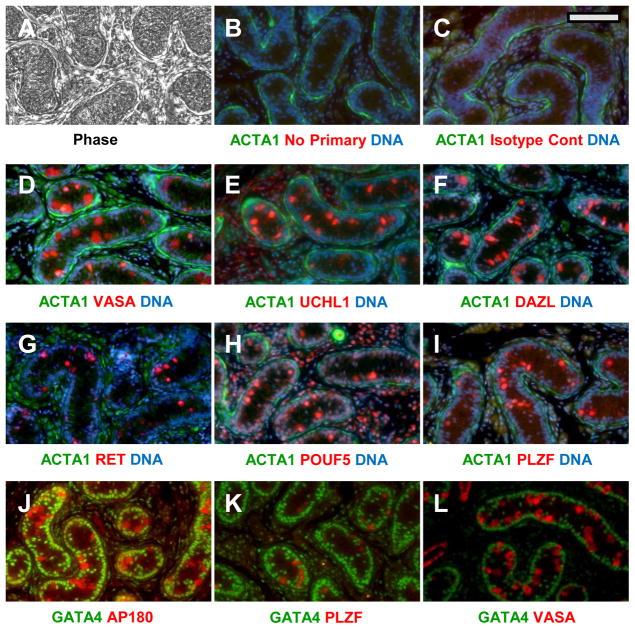
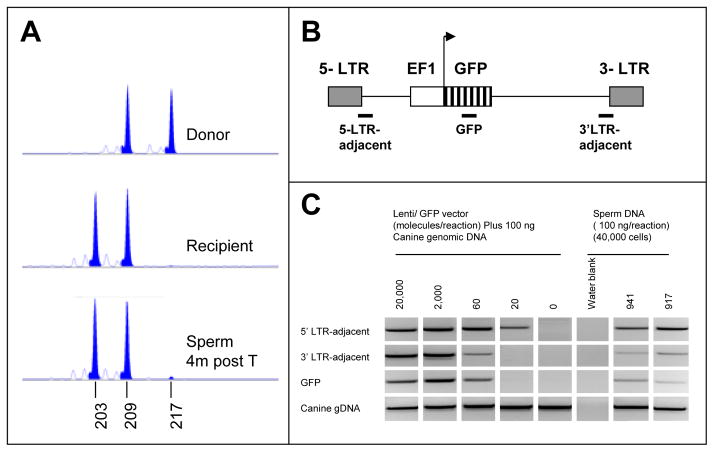
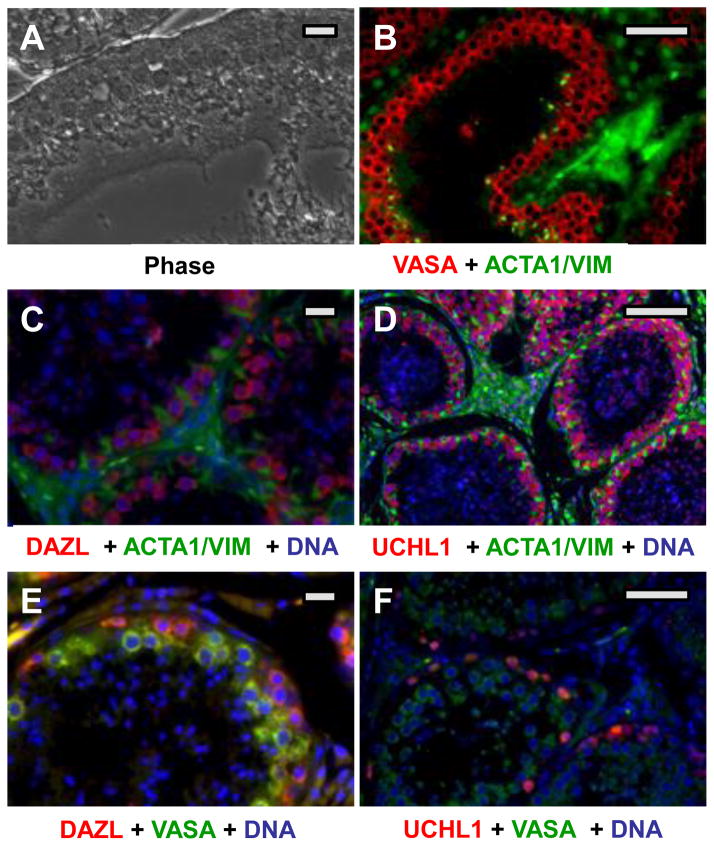
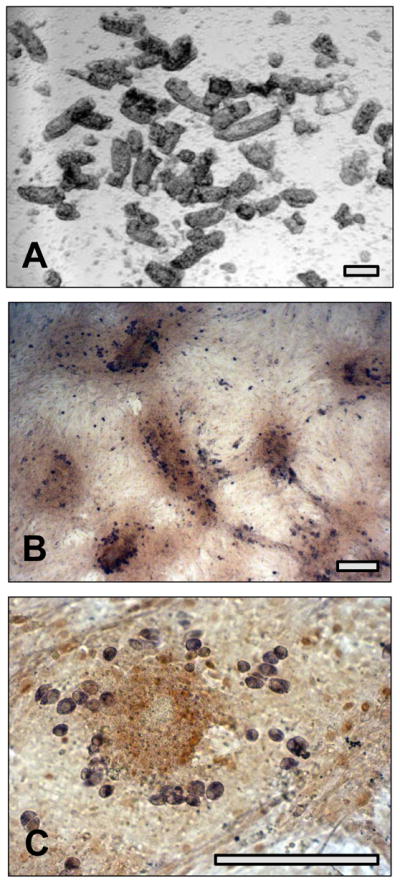
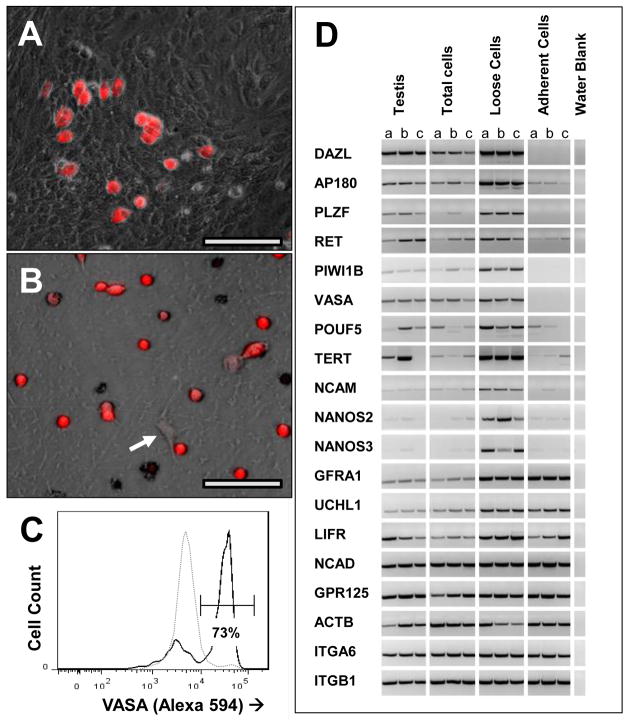
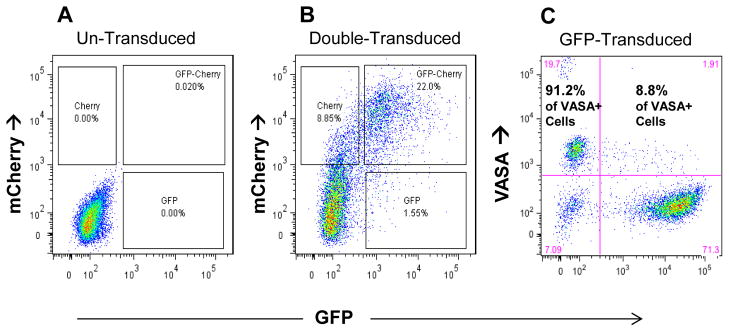
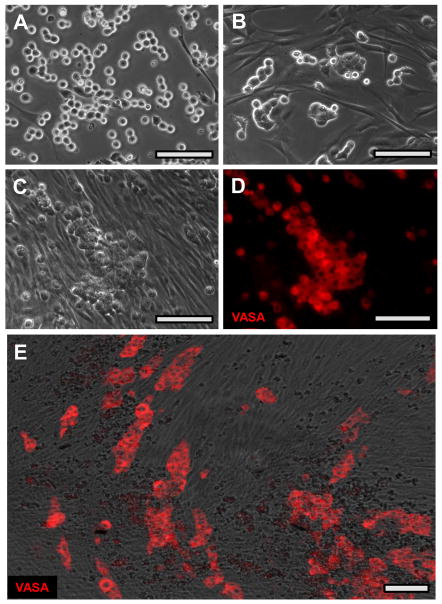
The dog is recognized as a highly predictive model for preclinical research. Its size, life span, physiology, and genetics more closely match human parameters than do those of the mouse model. Investigations of the genetic basis of disease and of new regenerative treatments have frequently taken advantage of canine models. However, full utility of this model has not been realized because of the lack of easy transgenesis. Blastocyst-mediated transgenic technology developed in mice has been very slow to translate to larger animals, and somatic cell nuclear transfer remains technically challenging, expensive, and low yield. Spermatogonial stem cell (SSC) transplantation, which does not involve manipulation of ova or blastocysts, has proven to be an effective alternative approach for generating transgenic offspring in rodents and in some large animals. Our recent demonstration that canine testis cells can engraft in a host testis, and generate donor-derived sperm, suggests that SSC transplantation may offer a similar avenue to transgenesis in the canine model. Here, we explore the potential of SSC transplantation in dogs as a means of generating canine transgenic models for preclinical models of genetic diseases. Specifically, we i) established markers for identification and tracking canine spermatogonial cells; ii) established methods for enrichment and genetic manipulation of these cells; iii) described their behavior in culture; and iv) demonstrated engraftment of genetically manipulated SSC and production of transgenic sperm. These findings help to set the stage for generation of transgenic canine models via SSC transplantation.
狗被认为是临床前研究的高度预测模型。它的体型、寿命、生理学和遗传学与人类的参数更为接近,而不是像小鼠模型那样。对疾病遗传基础和新再生治疗方法的研究经常利用犬模型。然而,由于缺乏易于转基因的方法,这种模型尚未得到充分利用。在小鼠中开发的囊胚介导的转基因技术在较大动物中的转化非常缓慢,体细胞核移植仍然具有技术挑战性、昂贵且产量低。精原干细胞(SSC)移植不涉及卵母细胞或囊胚的操作,已被证明是在啮齿动物和一些大型动物中产生转基因后代的有效替代方法。我们最近的研究表明,犬睾丸细胞可以在宿主睾丸中定植并产生供体衍生的精子,这表明 SSC 移植可能为犬模型中的转基因提供类似的途径。在这里,我们探讨了 SSC 移植在犬中的潜力,作为用于遗传疾病临床前模型的犬转基因模型的生成方法。具体而言,我们:i)建立了鉴定和跟踪犬精原细胞的标记物;ii)建立了这些细胞的富集和遗传操作方法;iii)描述了它们在培养中的行为;iv)证明了遗传修饰的 SSC 的定植和转基因精子的产生。这些发现有助于通过 SSC 移植生成转基因犬模型。