School of Biomedical Sciences, Faculty of Medicine, The Chinese University of Hong Kong, Shatin, N.T., Hong Kong, China.
Evid Based Complement Alternat Med. 2013;2013:792840. doi: 10.1155/2013/792840. Epub 2013 Apr 11.
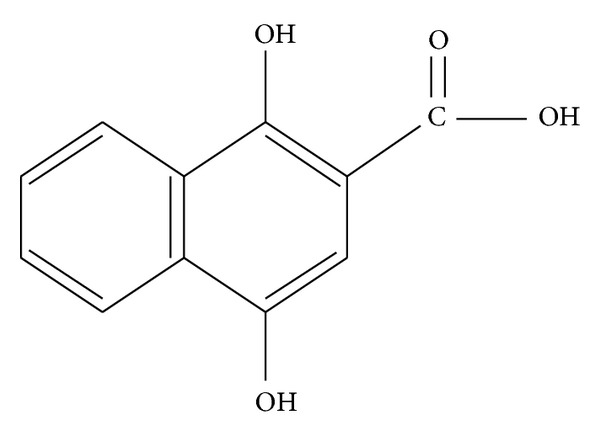
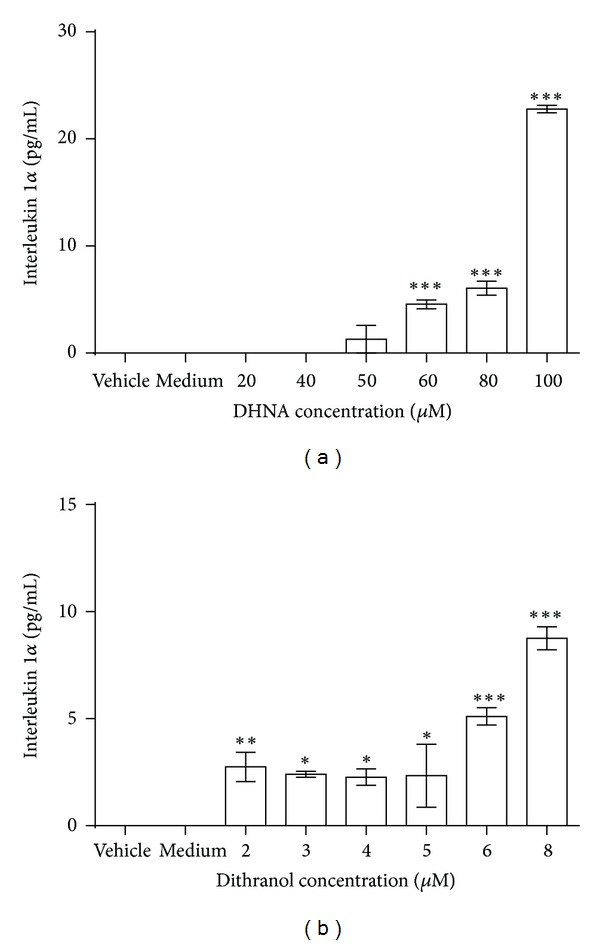
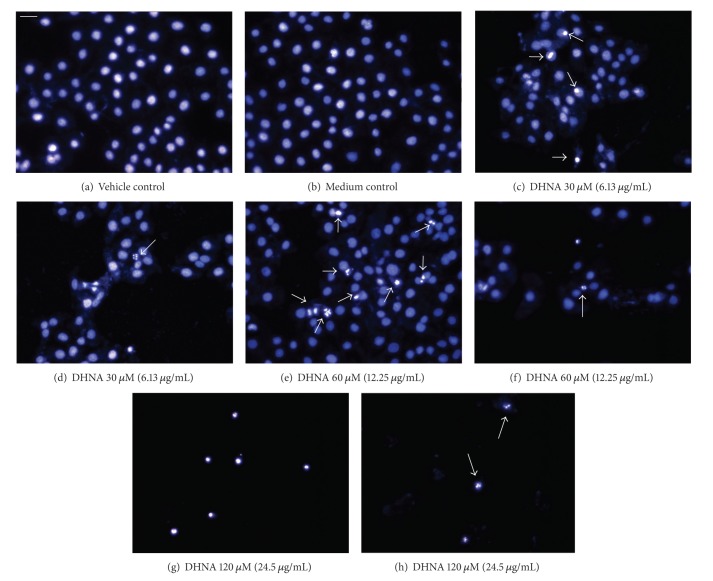
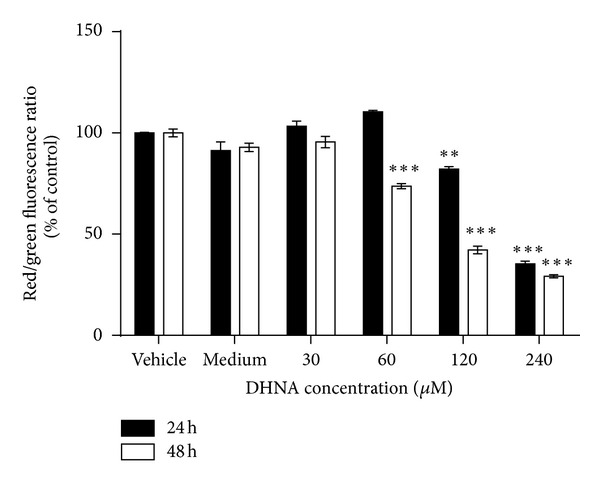
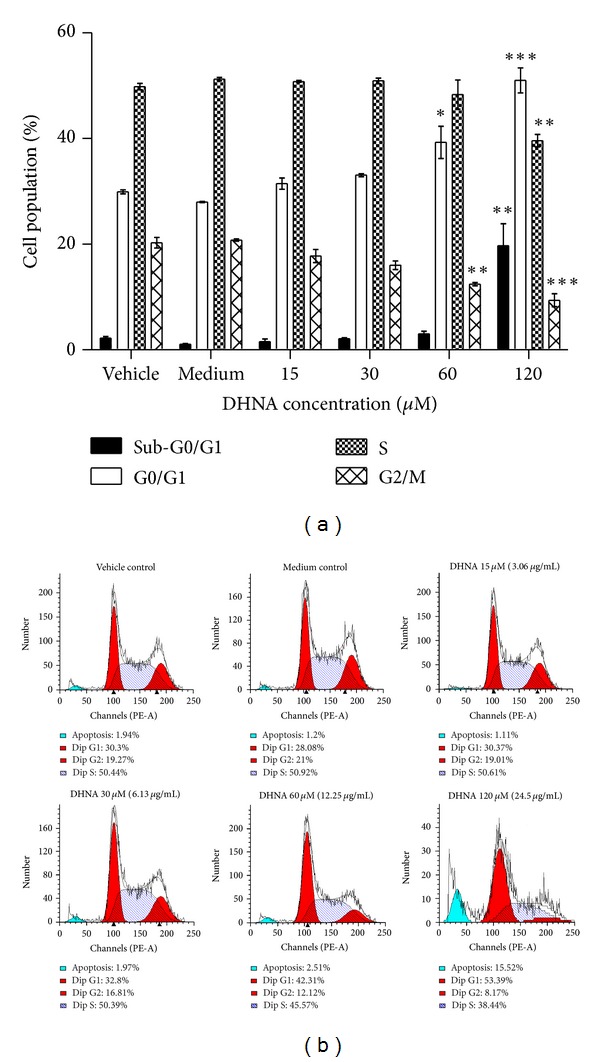
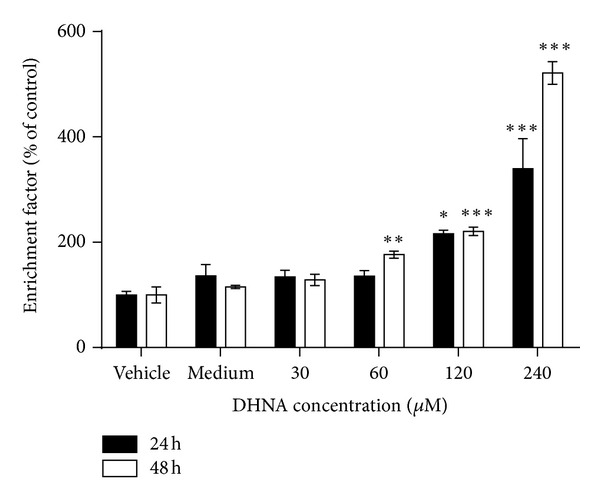
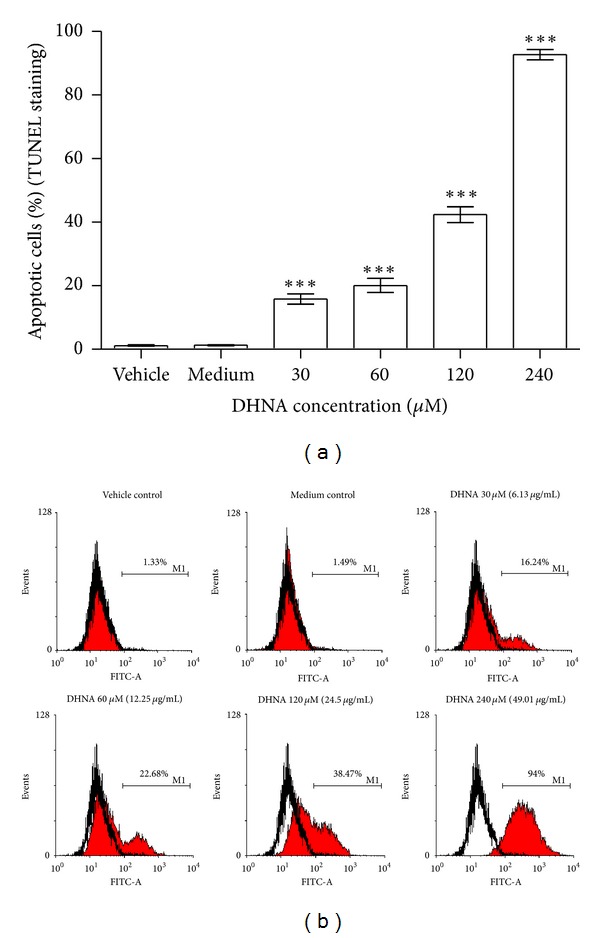
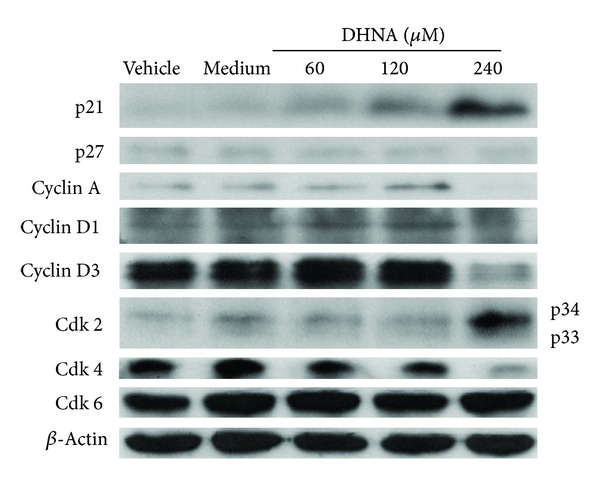
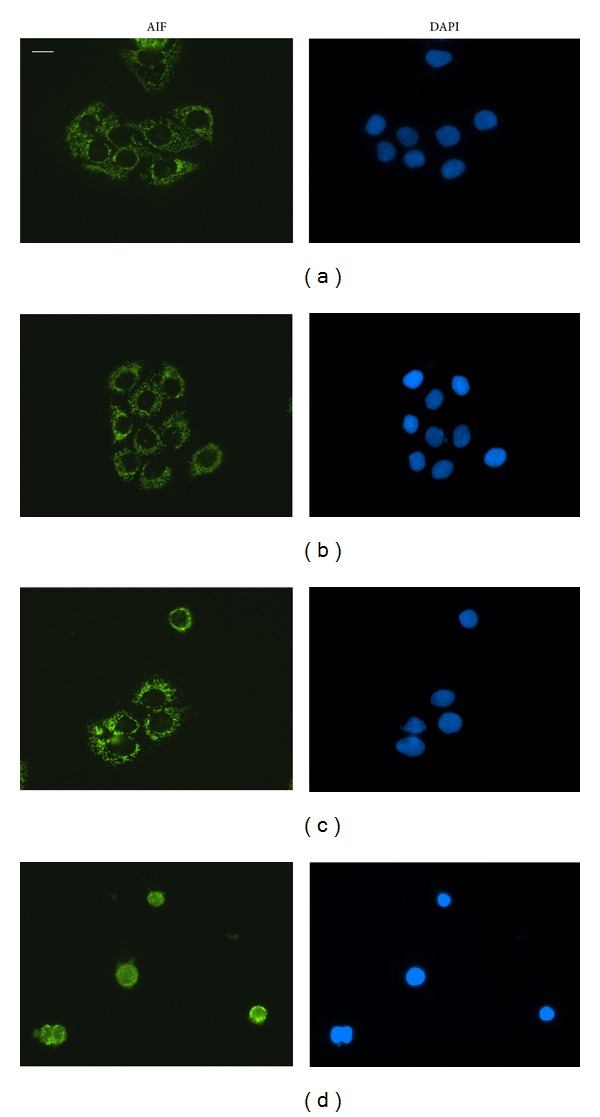
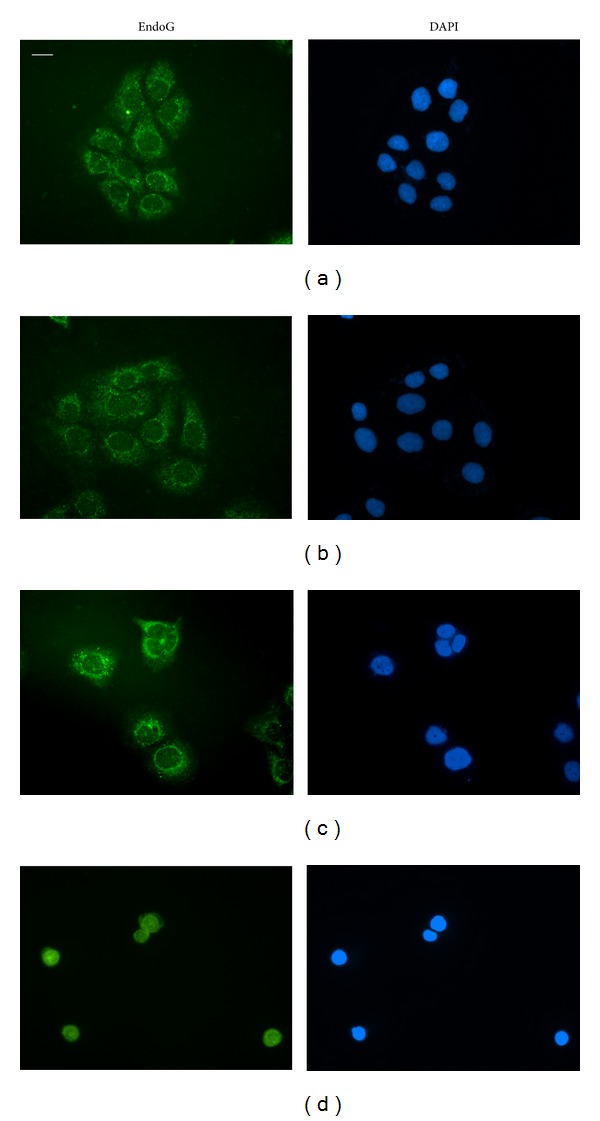
Psoriasis, which affects approximately 1-3% of the population worldwide, is a chronic inflammatory skin disorder characterized by epidermal keratinocytes hyperproliferation, abnormal differentiation, and inflammatory infiltration. Decrease in keratinocyte apoptosis is a specific pathogenic phenomenon in psoriasis. Chinese herbs have been used for the treatment of psoriasis in China showing promising effect in clinical trials. A traditional Chinese medicine has relatively fewer side effects with longer remission time and lower recurrence rate. The extract of Rubia cordifolia L. (EA) was previously found by us to induce HaCaT keratinocytes apoptosis. In this study we identified one of the components in Rubia cordifolia L., the anthraquinone precursor 1,4-dihydroxy-2-naphthoic acid (DHNA), induces HaCaT keratinocytes apoptosis through G0/G1 cell cycle arrest. We have also demonstrated that DHNA acts through both caspase-dependent and caspase-independent pathways. Besides, cytotoxicity and IL-1 α release assays indicate that DHNA causes less irritation problems than dithranol, which is commonly employed to treat psoriasis in many countries. Since DHNA possesses similar apoptotic effects on keratinocytes as dithranol but causes less irritation, DHNA therefore constitutes a promising alternative agent for treating psoriasis. Our studies also provide an insight on the potential of using EA and DHNA, alternatively, as a safe and effective treatment modality for psoriasis.
银屑病,一种影响全球约 1-3%人群的慢性炎症性皮肤疾病,其特征为表皮角质形成细胞过度增殖、异常分化和炎症浸润。角质形成细胞凋亡减少是银屑病的一个特定发病现象。在中国,中草药已被用于治疗银屑病,临床试验显示出良好的效果。中药的副作用相对较少,缓解时间较长,复发率较低。我们之前发现,茜草提取物(EA)能诱导 HaCaT 角质形成细胞凋亡。在这项研究中,我们鉴定出茜草中的一种成分,1,4-二羟基-2-萘甲酸(DHNA),通过 G0/G1 细胞周期阻滞诱导 HaCaT 角质形成细胞凋亡。我们还证明 DHNA 通过半胱天冬酶依赖性和非依赖性途径发挥作用。此外,细胞毒性和白细胞介素-1α释放试验表明,DHNA 引起的刺激问题比在许多国家用于治疗银屑病的地蒽酚少。由于 DHNA 对角质形成细胞具有与地蒽酚相似的凋亡作用,但引起的刺激较小,因此 DHNA 构成了治疗银屑病的一种有前途的替代药物。我们的研究还为使用 EA 和 DHNA 作为治疗银屑病的安全有效的治疗方法提供了新的思路。