Department of Environmental Toxicology, Eawag-Swiss Federal Institute of Aquatic Science and Technology, Dübendorf, Switzerland.
PLoS One. 2013 May 15;8(5):e62472. doi: 10.1371/journal.pone.0062472. Print 2013.
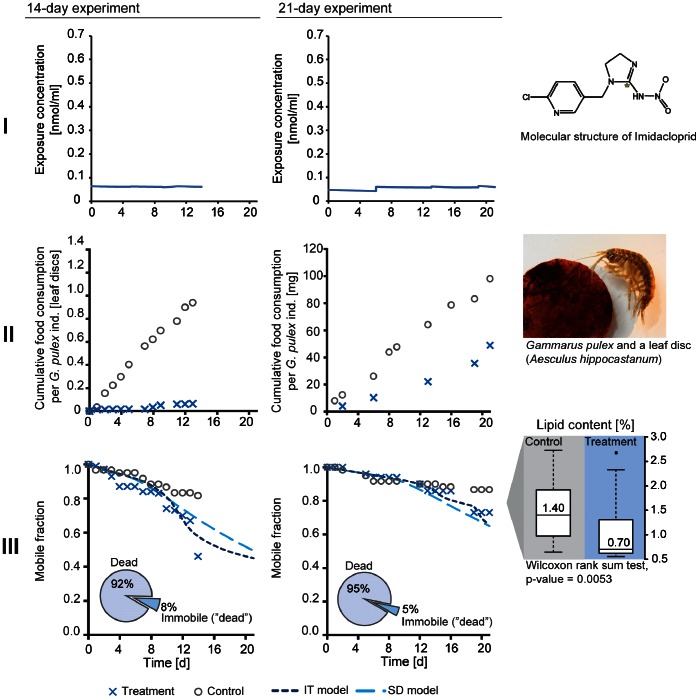
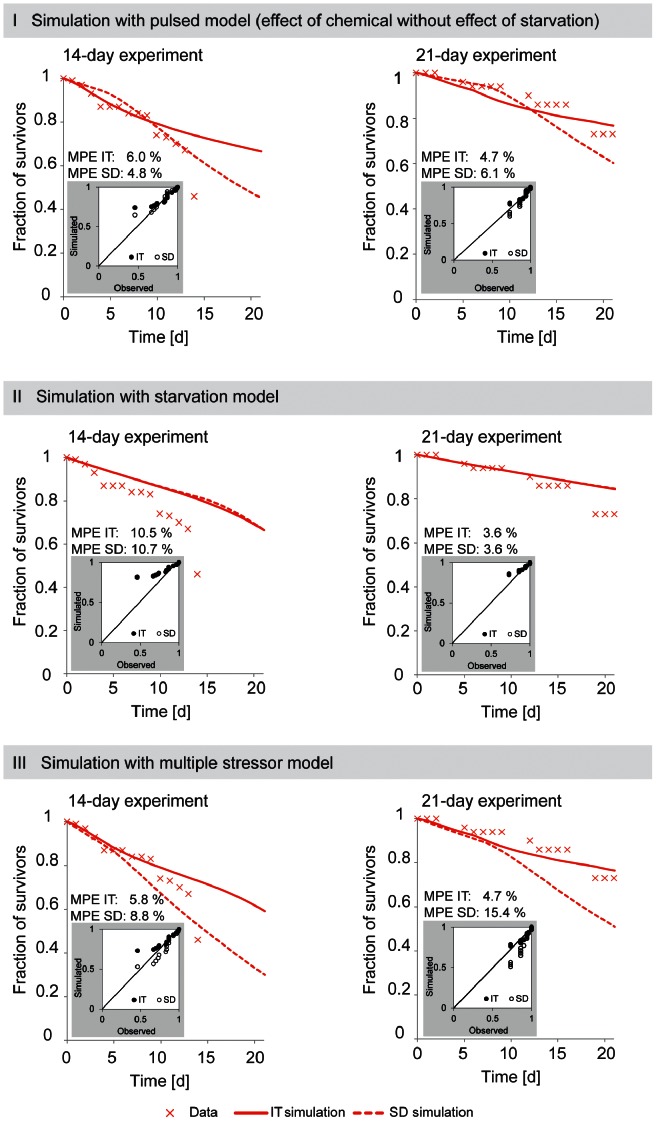
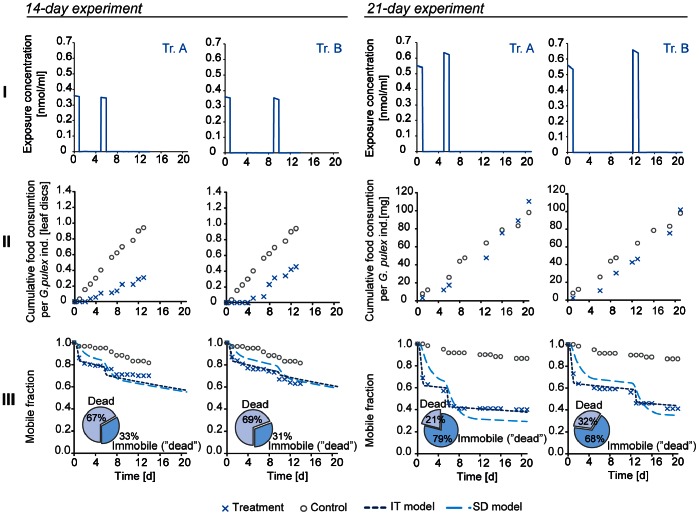
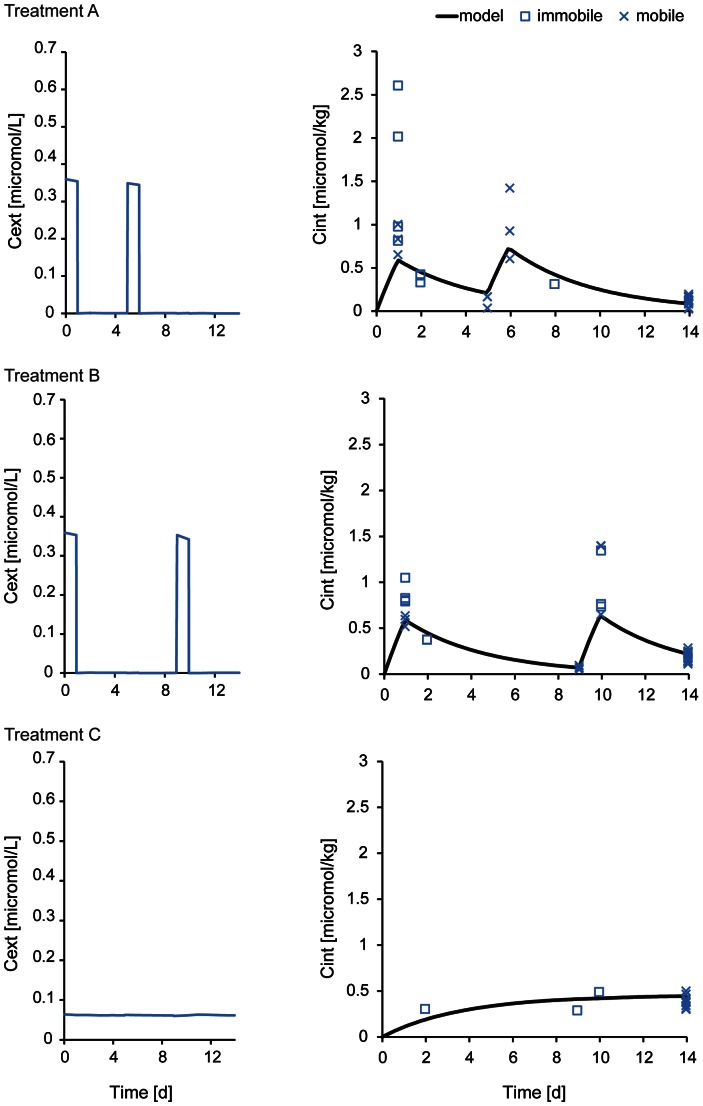
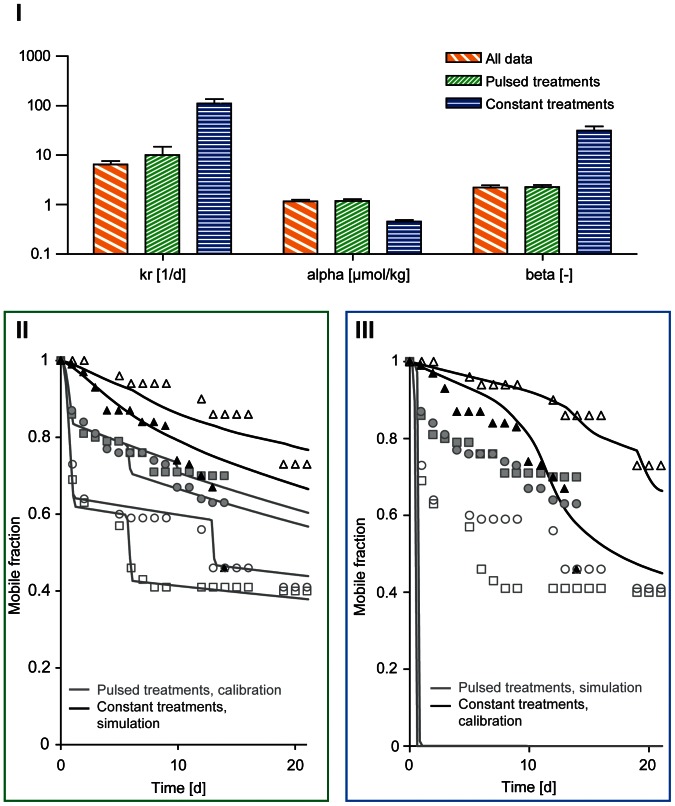
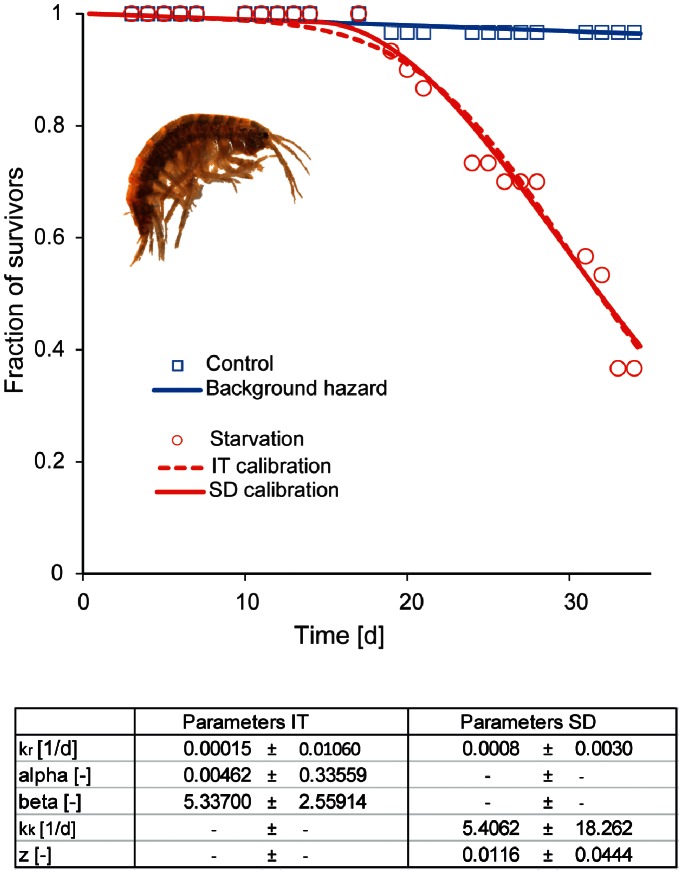
If an organism does not feed, it dies of starvation. Even though some insecticides which are used to control pests in agriculture can interfere with feeding behavior of insects and other invertebrates, the link from chemical exposure via affected feeding activity to impaired life history traits, such as survival, has not received much attention in ecotoxicology. One of these insecticides is the neonicotinoid imidacloprid, a neurotoxic substance acting specifically on the insect nervous system. We show that imidacloprid has the potential to indirectly cause lethality in aquatic invertebrate populations at low, sublethal concentrations by impairing movements and thus feeding. We investigated feeding activity, lipid content, immobility, and survival of the aquatic arthropod Gammarus pulex under exposure to imidacloprid. We performed experiments with 14 and 21 days duration, both including two treatments with two high, one day pulses of imidacloprid and one treatment with a low, constant concentration. Feeding of G. pulex as well as lipid content were significantly reduced under exposure to the low, constant imidacloprid concentration (15 µg/L). Organisms were not able to move and feed--and this caused high mortality after 14 days of constant exposure. In contrast, feeding and lipid content were not affected by repeated imidacloprid pulses. In these treatments, animals were mostly immobilized during the chemical pulses but did recover relatively fast after transfer to clean water. We also performed a starvation experiment without exposure to imidacloprid which showed that starvation alone does not explain the mortality in the constant imidacloprid exposure. Using a multiple stressor toxicokinetic-toxicodynamic modeling approach, we showed that both starvation and other toxic effects of imidacloprid play a role for determining mortality in constant exposure to the insecticide.
如果生物体不进食,它就会饿死。尽管一些用于控制农业害虫的杀虫剂可能会干扰昆虫和其他无脊椎动物的进食行为,但从化学暴露通过受影响的进食活动到受损的生活史特征(如生存)的联系在生态毒理学中并没有得到太多关注。其中一种杀虫剂是新烟碱类杀虫剂吡虫啉,它是一种对昆虫神经系统有特异性作用的神经毒物。我们表明,吡虫啉有可能通过损害运动从而间接导致水生无脊椎动物种群在低亚致死浓度下死亡。我们研究了吡虫啉暴露对水生节肢动物淡水蚤(Gammarus pulex)的摄食活动、脂质含量、不动性和存活率的影响。我们进行了为期 14 天和 21 天的实验,均包括两种处理,两种处理均为高浓度、一天一次的吡虫啉脉冲处理,以及一种低浓度、持续浓度的处理。在低浓度、持续的吡虫啉暴露下,淡水蚤的摄食以及脂质含量均显著降低。在持续暴露 14 天后,生物无法移动和进食,这导致了高死亡率。相比之下,重复的吡虫啉脉冲处理并没有影响摄食和脂质含量。在这些处理中,动物在化学脉冲期间大多处于不动状态,但在转移到干净的水中后相对较快地恢复。我们还进行了一次没有暴露于吡虫啉的饥饿实验,结果表明单独的饥饿并不能解释在持续暴露于吡虫啉时的死亡率。使用多胁迫毒物动力学-毒效动力学建模方法,我们表明饥饿和吡虫啉的其他毒性作用都在确定对杀虫剂持续暴露时的死亡率方面发挥了作用。