Biology Department, Grinnell College, Grinnell, IA, USA.
PLoS Genet. 2013 May;9(5):e1003506. doi: 10.1371/journal.pgen.1003506. Epub 2013 May 16.
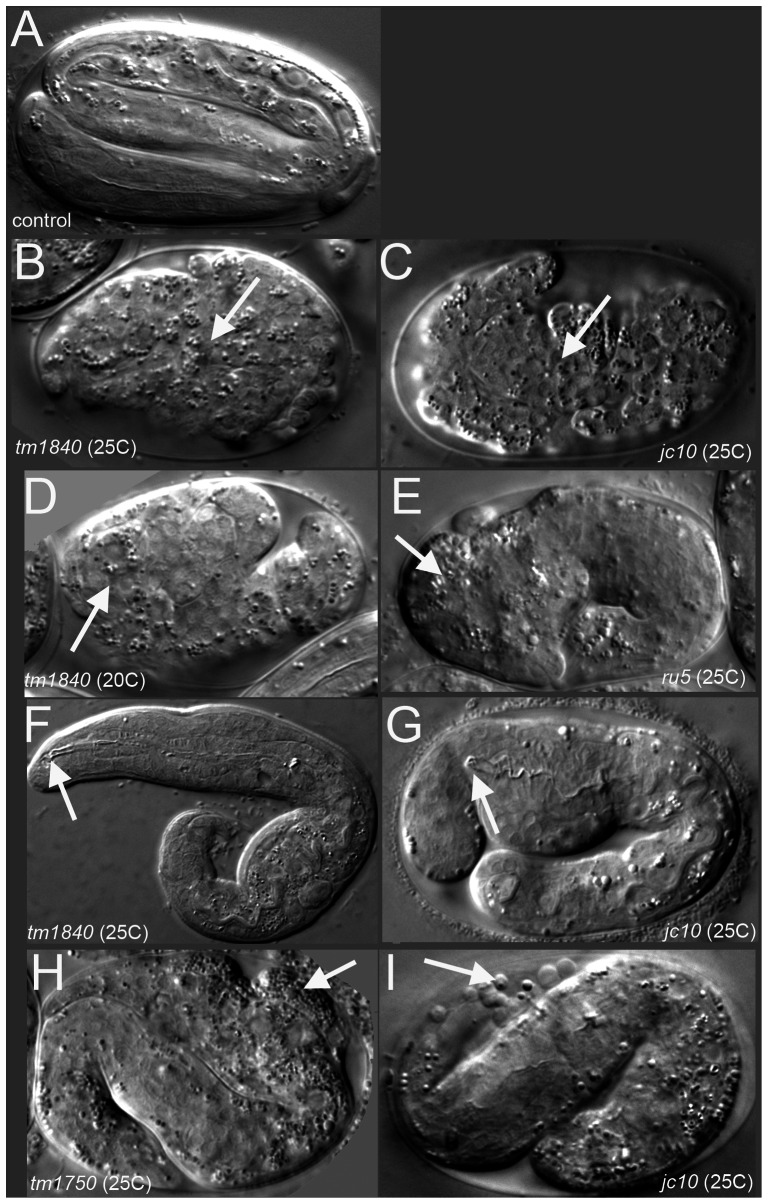
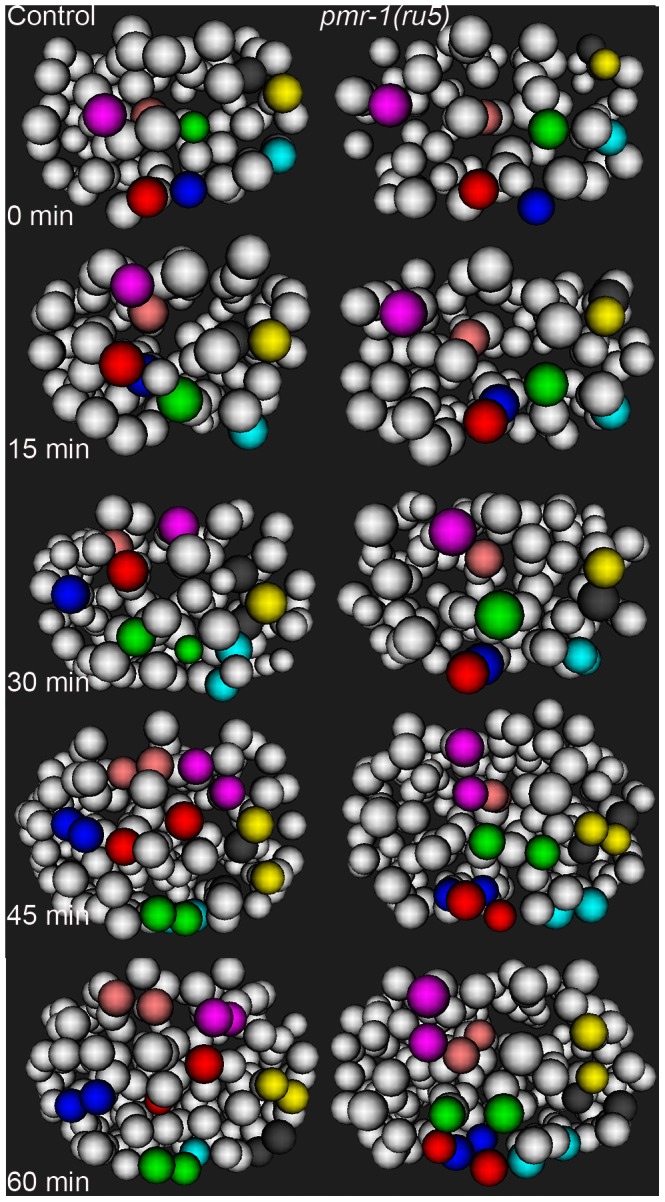
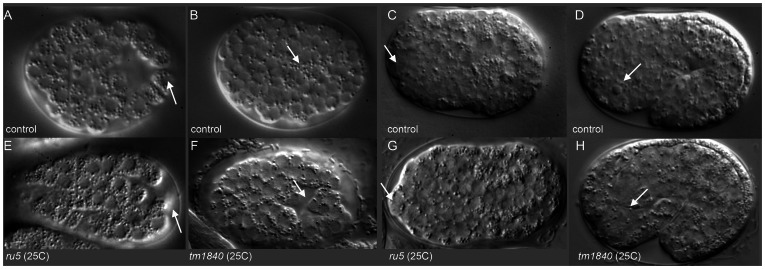
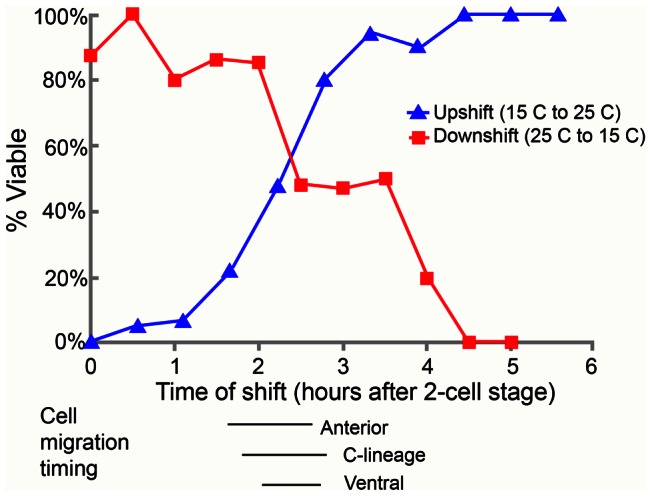
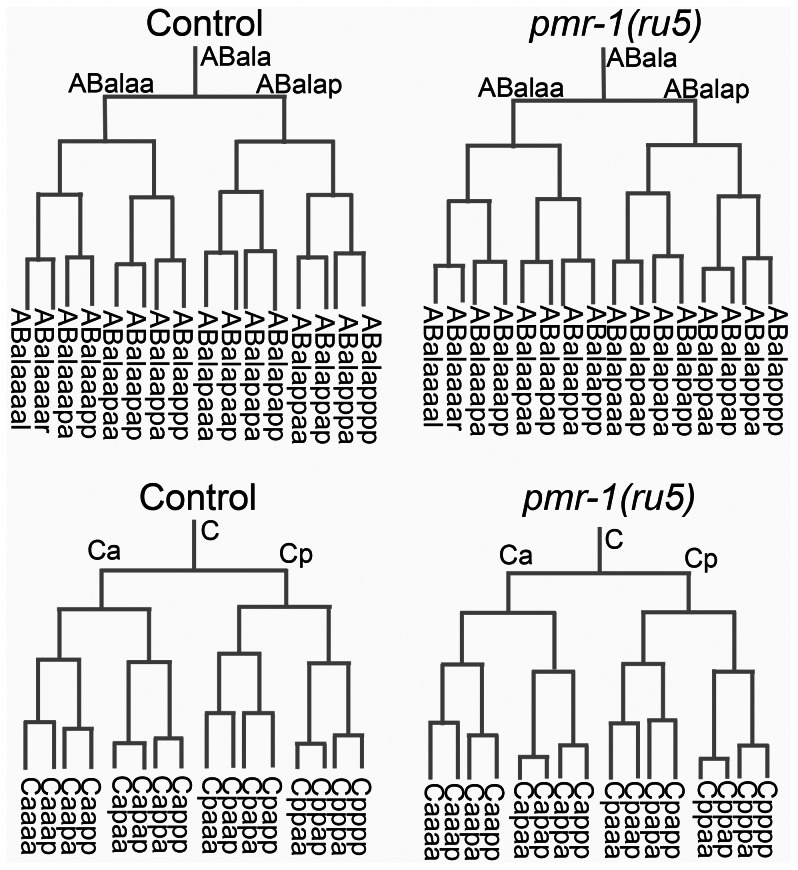
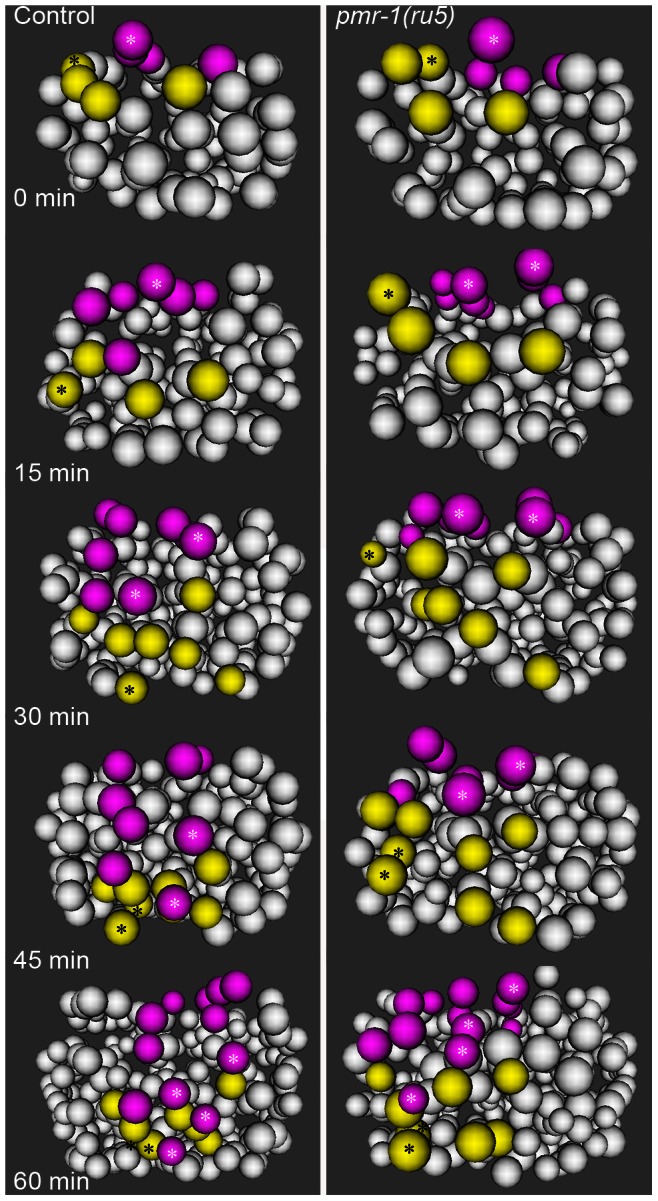
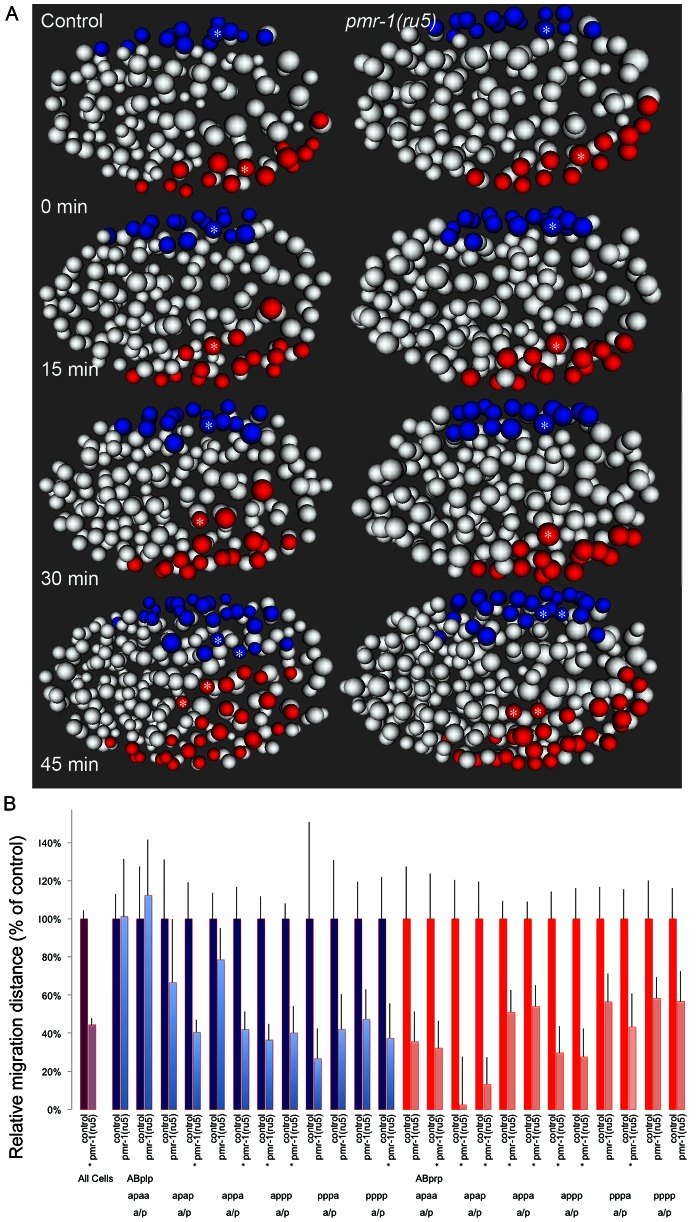
Maintaining levels of calcium in the cytosol is important for many cellular events, including cell migration, where localized regions of high calcium are required to regulate cytoskeletal dynamics, contractility, and adhesion. Studies show inositol-trisphosphate receptors (IP3R) and ryanodine receptors (RyR), which release calcium into the cytosol, are important regulators of cell migration. Similarly, proteins that return calcium to secretory stores are likely to be important for cell migration. The secretory protein calcium ATPase (SPCA) is a Golgi-localized protein that transports calcium from the cytosol into secretory stores. SPCA has established roles in protein processing, metal homeostasis, and inositol-trisphosphate signaling. Defects in the human SPCA1/ATP2C1 gene cause Hailey-Hailey disease (MIM# 169600), a genodermatosis characterized by cutaneous blisters and fissures as well as keratinocyte cell adhesion defects. We have determined that PMR-1, the Caenorhabditis elegans ortholog of SPCA1, plays an essential role in embryogenesis. Pmr-1 strains isolated from genetic screens show terminal phenotypes, such as ventral and anterior enclosure failures, body morphogenesis defects, and an unattached pharynx, which are caused by earlier defects during gastrulation. In Pmr-1 embryos, migration rates are significantly reduced for cells moving along the embryo surface, such as ventral neuroblasts, C-derived, and anterior-most blastomeres. Gene interaction experiments show changing the activity of itr-1/IP3R and unc-68/RyR modulates levels of embryonic lethality in Pmr-1 strains, indicating pmr-1 acts with these calcium channels to regulate cell migration. This analysis reveals novel genes involved in C. elegans cell migration, as well as a new role in cell migration for the highly conserved SPCA gene family.
维持细胞质中的钙水平对于许多细胞事件都很重要,包括细胞迁移,细胞迁移需要局部高钙区域来调节细胞骨架动力学、收缩性和黏附性。研究表明,将钙释放到细胞质中的肌醇三磷酸受体 (IP3R) 和兰尼碱受体 (RyR) 是细胞迁移的重要调节剂。同样,将钙返回分泌储存的蛋白质很可能对细胞迁移很重要。分泌蛋白钙 ATP 酶 (SPCA) 是一种定位于高尔基体的蛋白质,可将钙从细胞质转运到分泌储存库。SPCA 在蛋白质加工、金属稳态和肌醇三磷酸信号转导中具有重要作用。人类 SPCA1/ATP2C1 基因的缺陷导致 Hailey-Hailey 病 (MIM# 169600),这是一种遗传性皮肤病,其特征是皮肤水疱和裂隙以及角质形成细胞黏附缺陷。我们已经确定,秀丽隐杆线虫 SPCA1 的同源物 PMR-1 在胚胎发生中发挥重要作用。从遗传筛选中分离出的 Pmr-1 菌株表现出末端表型,例如腹侧和前侧包封失败、身体形态发生缺陷和未附着的咽,这是由于原肠胚形成期间的早期缺陷引起的。在 Pmr-1 胚胎中,沿着胚胎表面移动的细胞(例如腹侧神经母细胞、C 衍生细胞和最前的卵裂球)的迁移率显著降低。基因相互作用实验表明,改变 itr-1/IP3R 和 unc-68/RyR 的活性会调节 Pmr-1 菌株的胚胎致死率,表明 pmr-1 与这些钙通道一起作用以调节细胞迁移。这项分析揭示了参与秀丽隐杆线虫细胞迁移的新基因,以及高度保守的 SPCA 基因家族在细胞迁移中的新作用。