Vaccine and Gene Therapy Institute and Oregon National Primate Research Center, Oregon Health & Science University, Beaverton, OR 97006, USA.
Science. 2013 May 24;340(6135):1237874. doi: 10.1126/science.1237874.
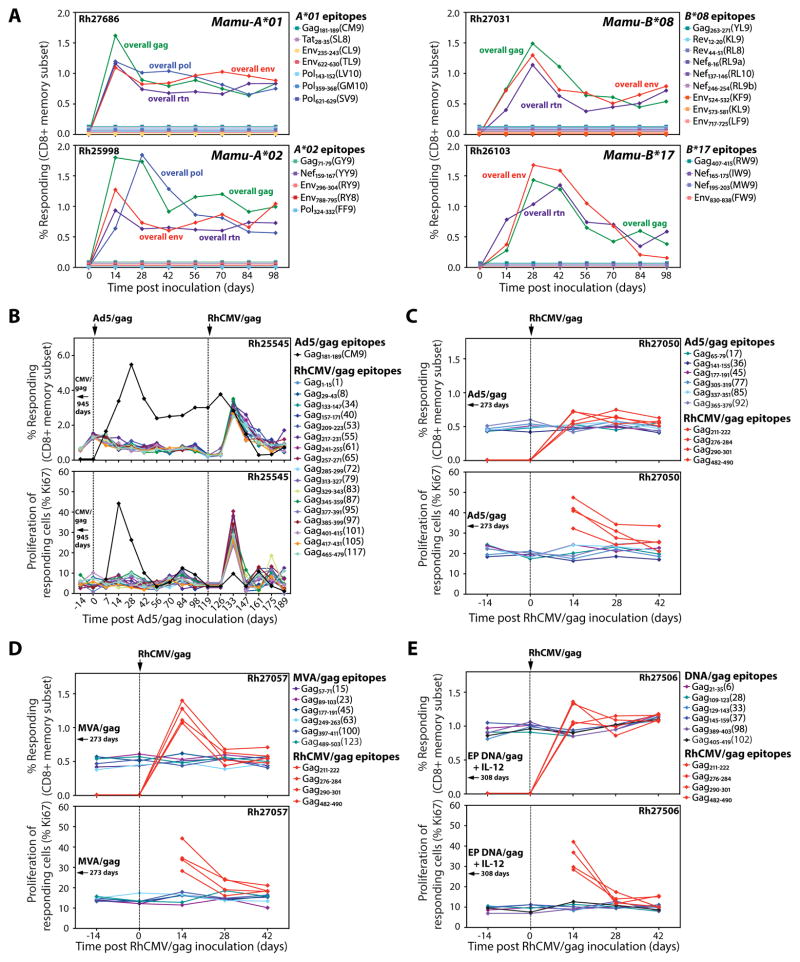
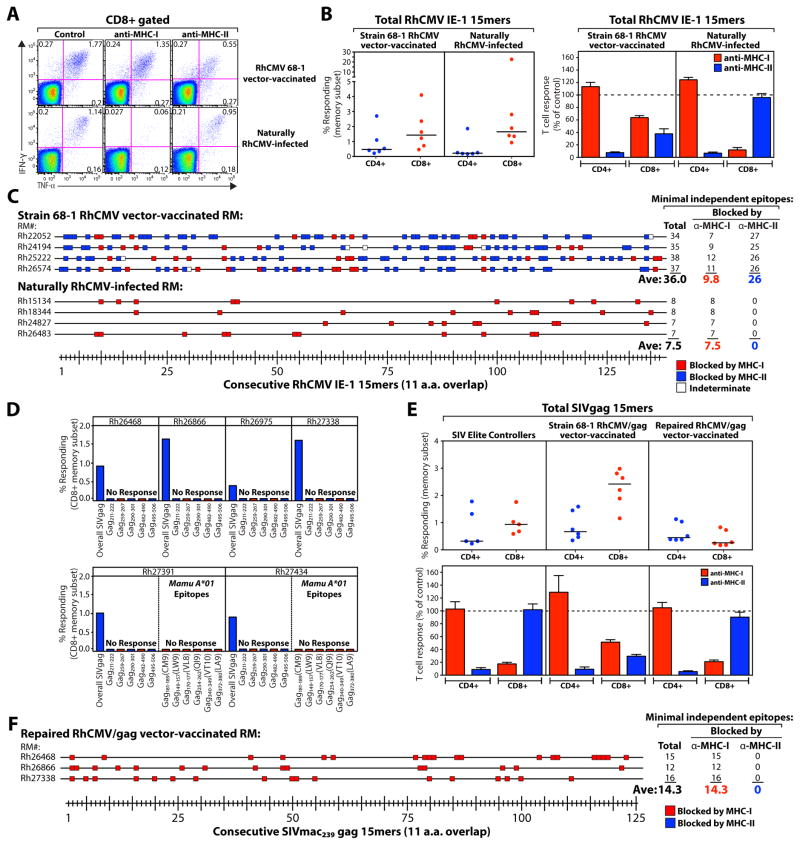
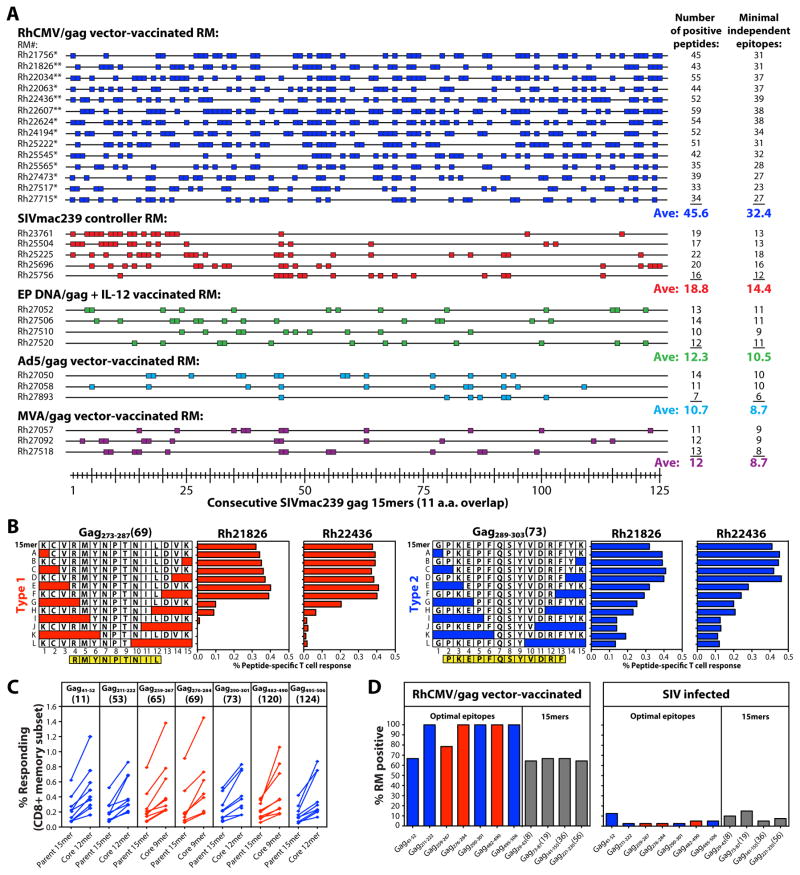
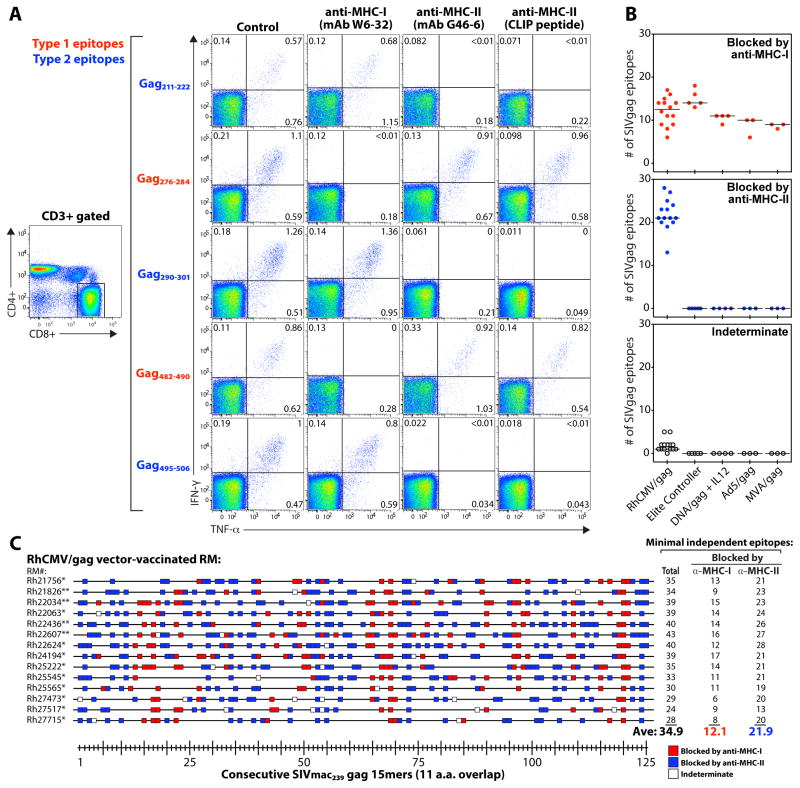
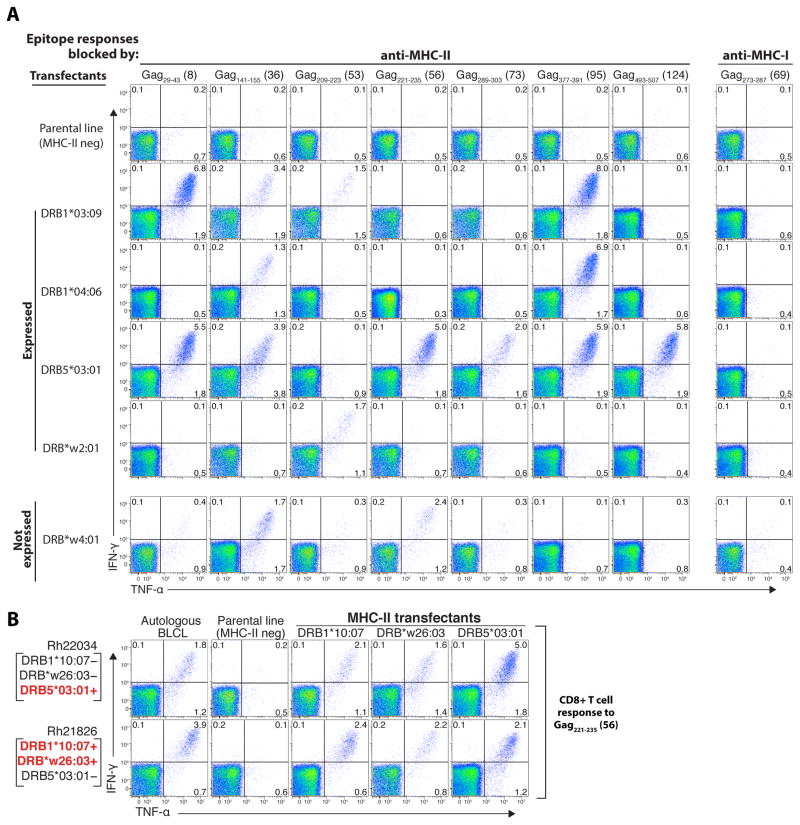
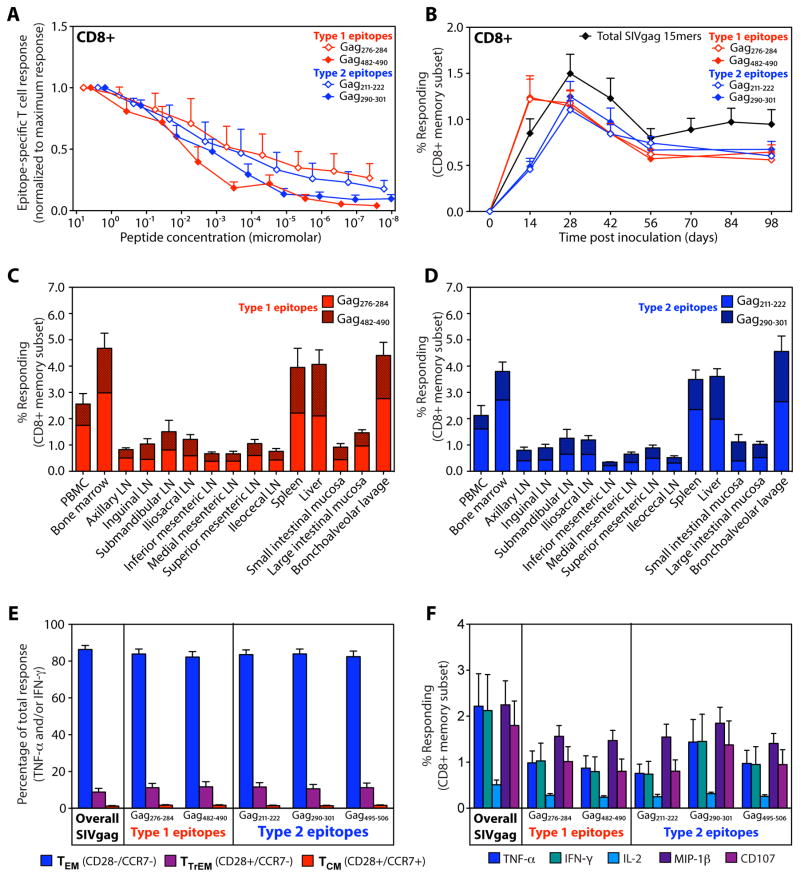
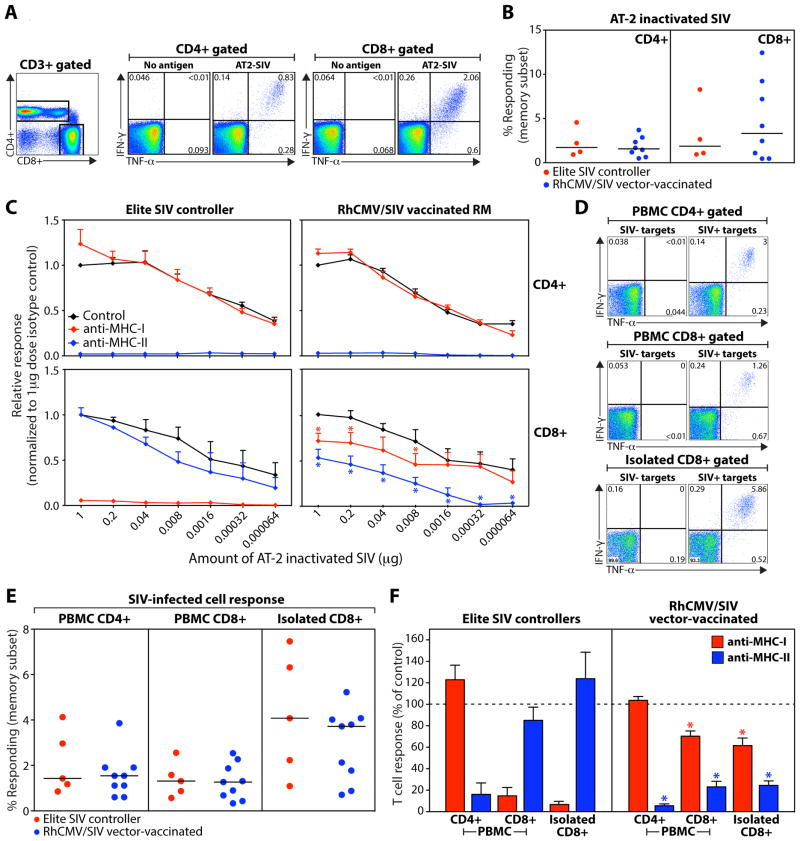
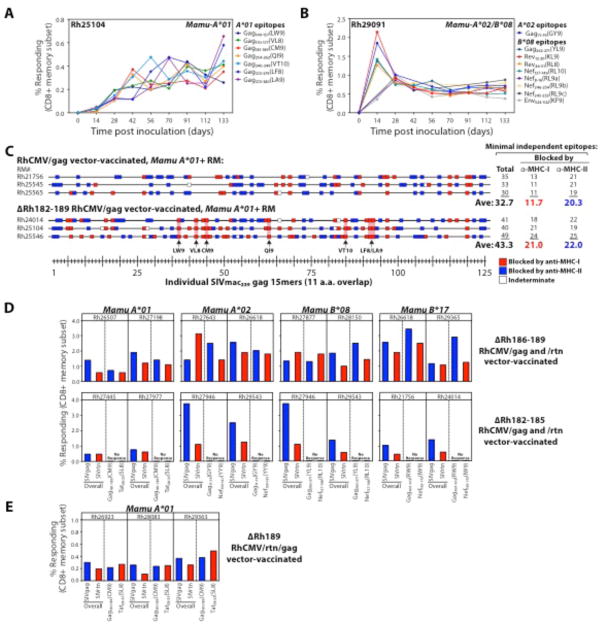
CD8(+) T cell responses focus on a small fraction of pathogen- or vaccine-encoded peptides, and for some pathogens, these restricted recognition hierarchies limit the effectiveness of antipathogen immunity. We found that simian immunodeficiency virus (SIV) protein-expressing rhesus cytomegalovirus (RhCMV) vectors elicit SIV-specific CD8(+) T cells that recognize unusual, diverse, and highly promiscuous epitopes, including dominant responses to epitopes restricted by class II major histocompatibility complex (MHC) molecules. Induction of canonical SIV epitope-specific CD8(+) T cell responses is suppressed by the RhCMV-encoded Rh189 gene (corresponding to human CMV US11), and the promiscuous MHC class I- and class II-restricted CD8(+) T cell responses occur only in the absence of the Rh157.5, Rh157.4, and Rh157.6 (human CMV UL128, UL130, and UL131) genes. Thus, CMV vectors can be genetically programmed to achieve distinct patterns of CD8(+) T cell epitope recognition.
CD8(+) T 细胞反应集中在少数病原体或疫苗编码的肽上,对于某些病原体,这些受限的识别层次限制了抗病原体免疫的有效性。我们发现,表达猴免疫缺陷病毒 (SIV) 蛋白的恒河猴巨细胞病毒 (RhCMV) 载体引发了 SIV 特异性 CD8(+) T 细胞,这些细胞识别不寻常的、多样化的和高度混杂的表位,包括对由 II 类主要组织相容性复合物 (MHC) 分子限制的表位的优势反应。RhCMV 编码的 Rh189 基因(对应于人 CMV US11)抑制了常规 SIV 表位特异性 CD8(+) T 细胞反应的诱导,而混杂的 MHC 类 I 和类 II 限制性 CD8(+) T 细胞反应仅在缺乏 Rh157.5、Rh157.4 和 Rh157.6(人 CMV UL128、UL130 和 UL131)基因的情况下发生。因此,CMV 载体可以通过遗传编程来实现不同的 CD8(+) T 细胞表位识别模式。