Yildiz Adalet Elcin, Ariyurek Macit Orhan, Karcaaltincaba Musturay
Department of Radiology, Faculty of Medicine, Hacettepe University, 06100 Ankara, Turkey.
ScientificWorldJournal. 2013 Apr 21;2013:321810. doi: 10.1155/2013/321810. Print 2013.
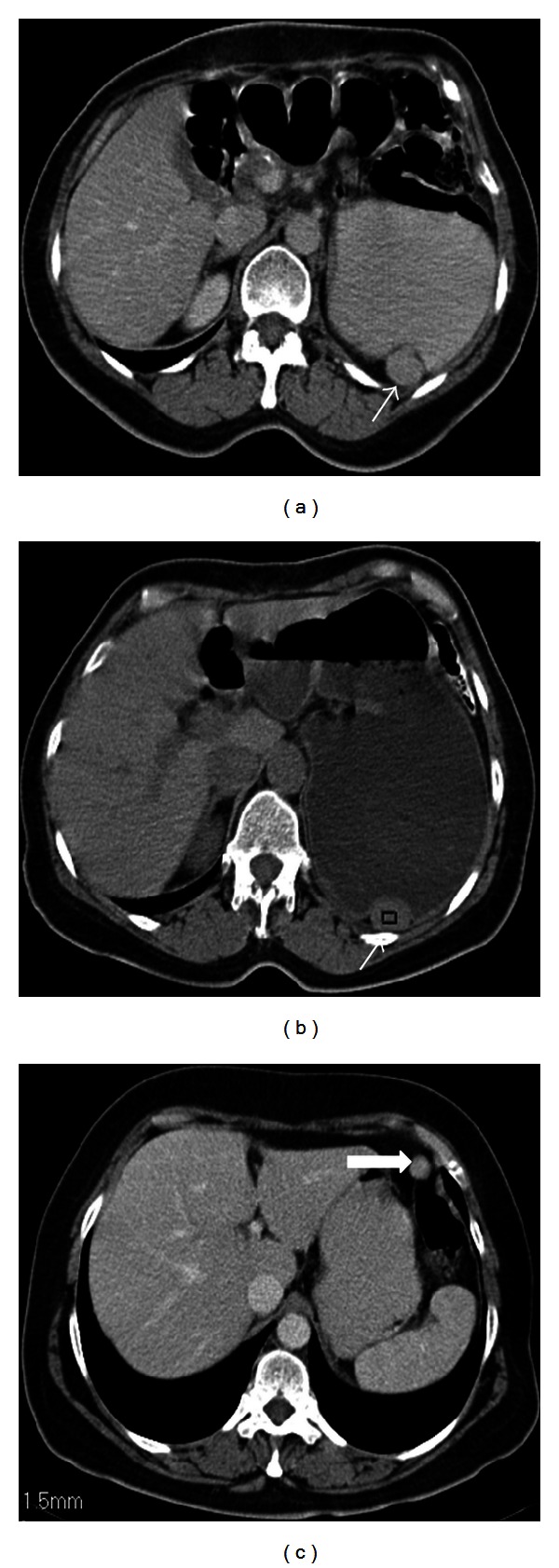
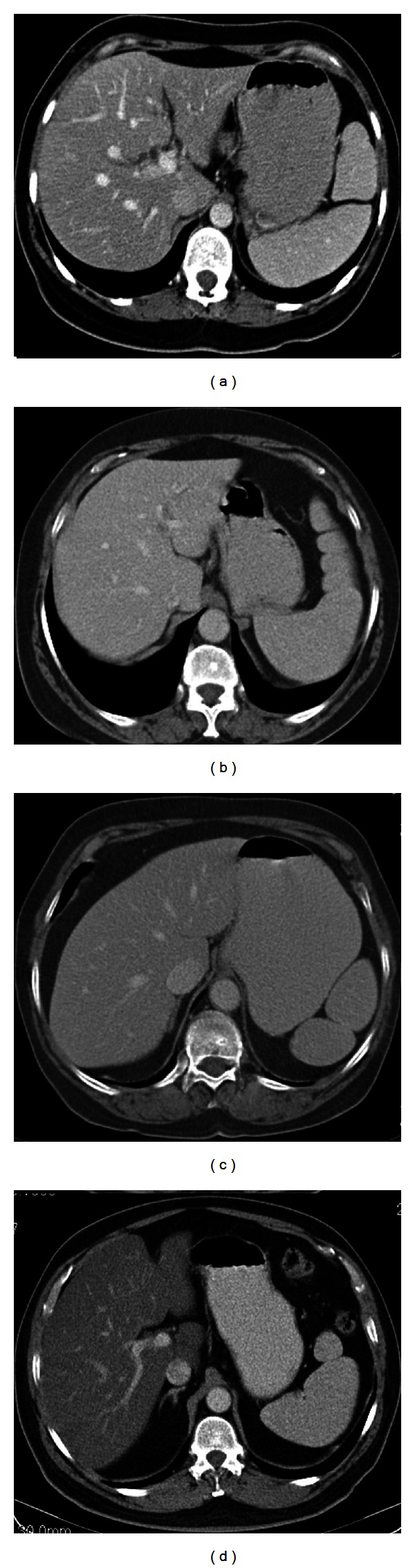
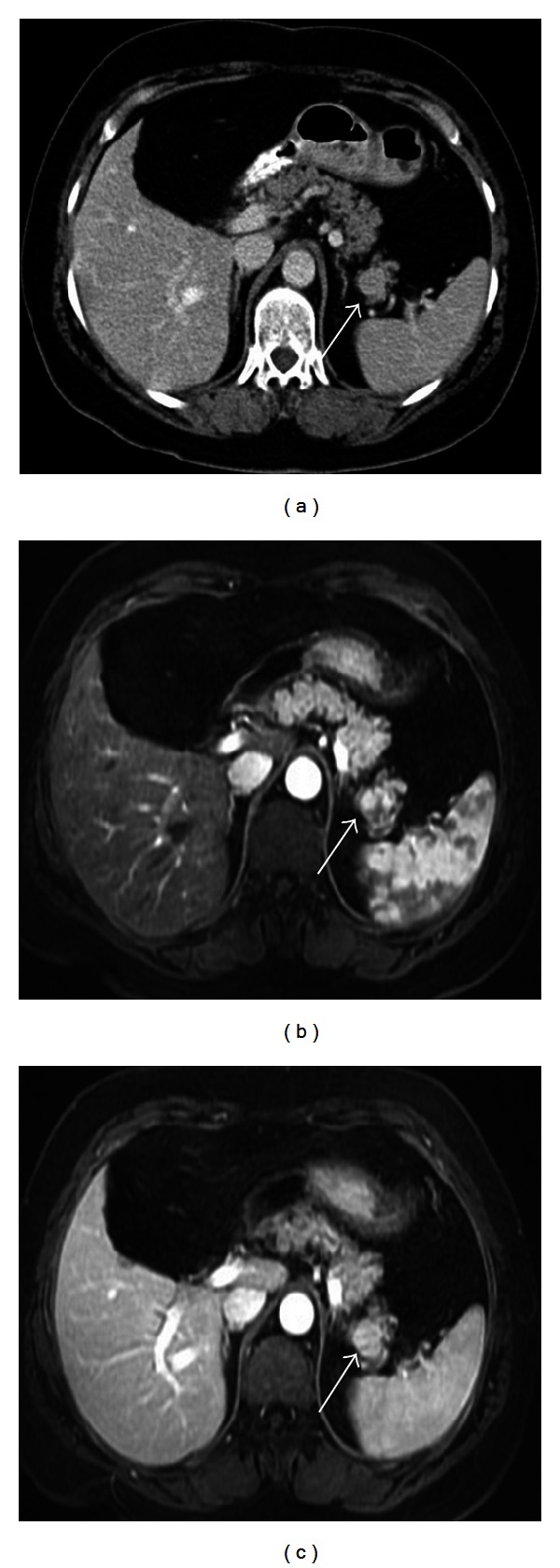
Spleen can have a wide range of anomalies including its shape, location, number, and size. Although most of these anomalies are congenital, there are also acquired types. Congenital anomalies affecting the shape of spleen are lobulations, notches, and clefts; the fusion and location anomalies of spleen are accessory spleen, splenopancreatic fusion, and wandering spleen; polysplenia can be associated with a syndrome. Splenosis and small spleen are acquired anomalies which are caused by trauma and sickle cell disease, respectively. These anomalies can be detected easily by using different imaging modalities including ultrasonography, computed tomography, magnetic resonance imaging, and also Tc-99m scintigraphy. In this pictorial essay, we review the imaging findings of these anomalies which can cause diagnostic pitfalls and be interpreted as pathologic processes.
脾脏可出现多种异常,包括其形状、位置、数量和大小。虽然这些异常大多是先天性的,但也有后天性类型。影响脾脏形状的先天性异常有分叶、切迹和裂隙;脾脏的融合和位置异常有副脾、脾胰融合和游走脾;多脾可与一种综合征相关。脾组织植入和小脾脏是分别由创伤和镰状细胞病引起的后天性异常。通过使用不同的成像方式,包括超声、计算机断层扫描、磁共振成像以及锝-99m闪烁扫描,这些异常很容易被检测到。在这篇图文文章中,我们回顾了这些异常的影像学表现,它们可能导致诊断陷阱,并被解释为病理过程。