International Ginseng and Herb Research Institute, Guemsan 312-804, Korea.
J Ginseng Res. 2011 Jun;35(2):209-18. doi: 10.5142/jgr.2011.35.2.209.
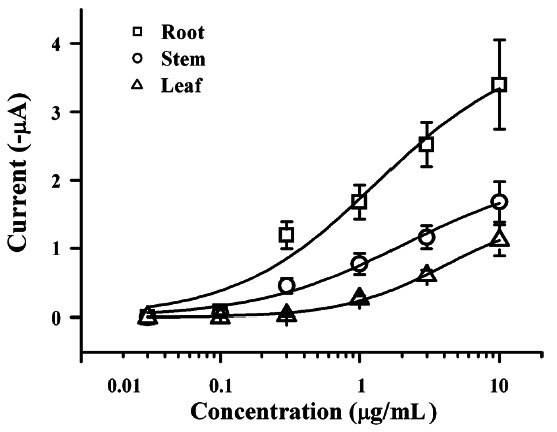
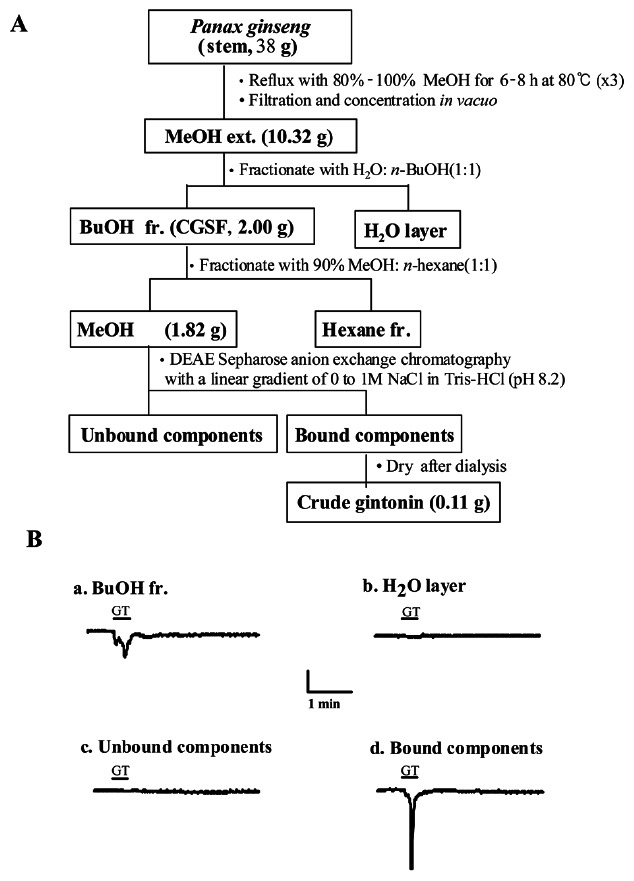
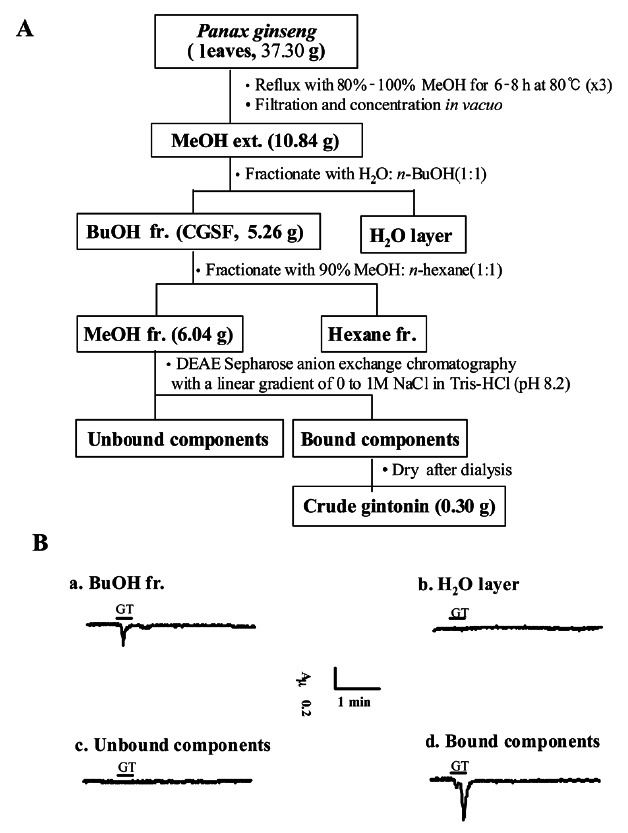
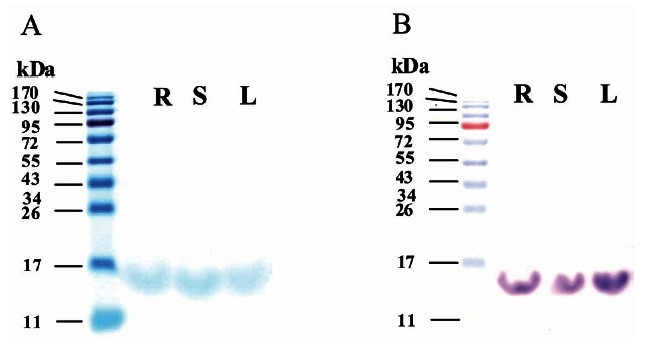
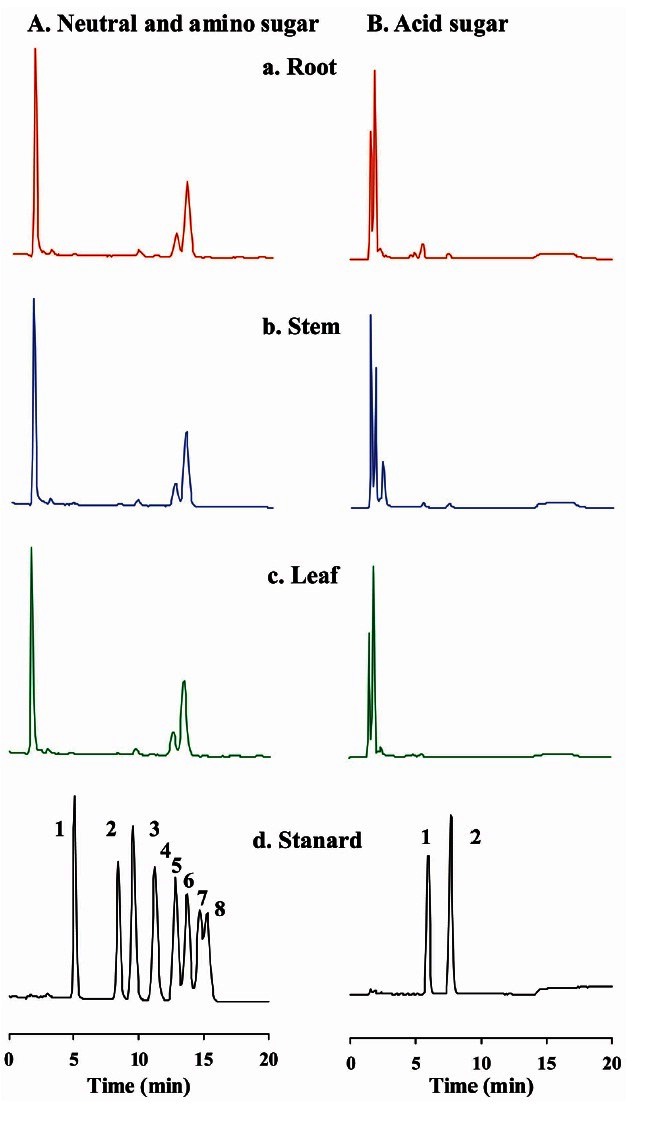
Ginseng has been used as a general tonic agent to invigorate the human body as an adaptogenic agent. In a previous report, we have shown that ginseng contains a novel glycolipoprotein called gintonin. The main function of gintonin is to transiently enhance intracellular free Ca(2+) [Ca(2+)]i levels in animal cells. The previous method for gintonin isolation included multiple steps using organic solvents. In the present report, we developed a simple method for the preparation of crude gintonin from ginseng root as well as stem and leaf, which produced a higher yield of gintonin than the previous one. The yield of gintonin was 0.20%, 0.29%, and 0.81% from ginseng root, stem, and leaf, respectively. The apparent molecular weight of gintonin isolated from stem and leaf through sodium dodecyl sulfate polyacrylamide gel electrophoresis was almost same as that from root but the compositions of amino acids, carbohydrates or lipids differed slightly between them. We also examined the effects of crude gintonin from ginseng root, stem, and leaf on endogenous Ca(2+)-activated Cl- channel (CaCC) activity of Xenopus oocytes through mobilization of [Ca(2+)]i. We found that the order of potency for the activation of CaCC was ginseng root > stem > leaf. The ED50 was 1.4±1.4, 4.5±5.9, and 3.9±1.1 μg/mL for root, stem and leaf, respectively. In the present study, we demonstrated for the first time that in addition to ginseng root, ginseng stem and leaf also contain gintonin. Gintonin can be prepared from a simple method with higher yield of gintonin from ginseng root, stem, and leaf. Finally, these results demonstrate the possibility that ginseng stem and leaf could also be utilized for ginstonin preparation after a simple procedure, rather than being discarded.
人参被用作一种滋补品,以适应人体的需要。在之前的报告中,我们已经表明人参含有一种新型糖脂蛋白,称为 gintonin。gintonin 的主要功能是在动物细胞中瞬时增强细胞内游离 Ca(2+) [Ca(2+)]i 水平。以前的 gintonin 分离方法包括使用有机溶剂的多个步骤。在本报告中,我们开发了一种从人参根、茎和叶中制备粗 gintonin 的简单方法,该方法产生的 gintonin 产量高于以前的方法。gintonin 的产量分别为 0.20%、0.29%和 0.81%,来自人参根、茎和叶。通过十二烷基硫酸钠聚丙烯酰胺凝胶电泳从茎和叶中分离出的 gintonin 的表观分子量几乎与从根中分离出的相同,但它们的氨基酸、碳水化合物或脂质组成略有不同。我们还检查了来自人参根、茎和叶的粗 gintonin 对非洲爪蟾卵母细胞内源性 Ca(2+)-激活 Cl-通道 (CaCC) 活性的影响,通过动员 [Ca(2+)]i。我们发现激活 CaCC 的效力顺序为人参根>茎>叶。根、茎和叶的 ED50 分别为 1.4±1.4、4.5±5.9 和 3.9±1.1 μg/mL。在本研究中,我们首次证明,除了人参根之外,人参茎和叶也含有 gintonin。Gintonin 可以通过一种简单的方法从人参根、茎和叶中制备,gintonin 的产量更高。最后,这些结果表明,人参茎和叶在经过简单处理后,也有可能用于制备 gintonin,而不是被丢弃。