Department of Surgery and Emory Center for Critical Care, Emory University School of Medicine, Atlanta, Georgia, USA.
PLoS One. 2013 May 22;8(5):e62792. doi: 10.1371/journal.pone.0062792. Print 2013.
Patients admitted to the intensive care unit with alcohol use disorders have increased morbidity and mortality. The purpose of this study was to determine how chronic alcohol ingestion alters the host response to sepsis in mice.
Mice were randomized to receive either alcohol or water for 12 weeks and then subjected to cecal ligation and puncture. Mice were sacrificed 24 hours post-operatively or followed seven days for survival.
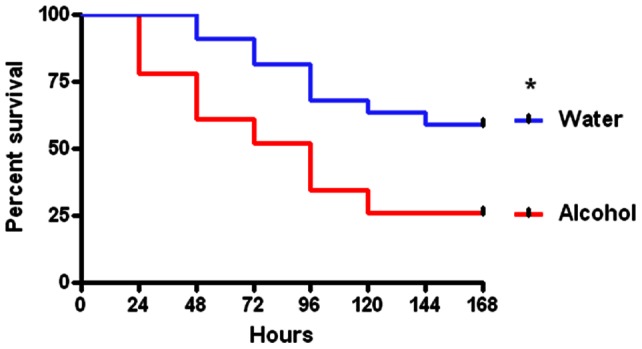
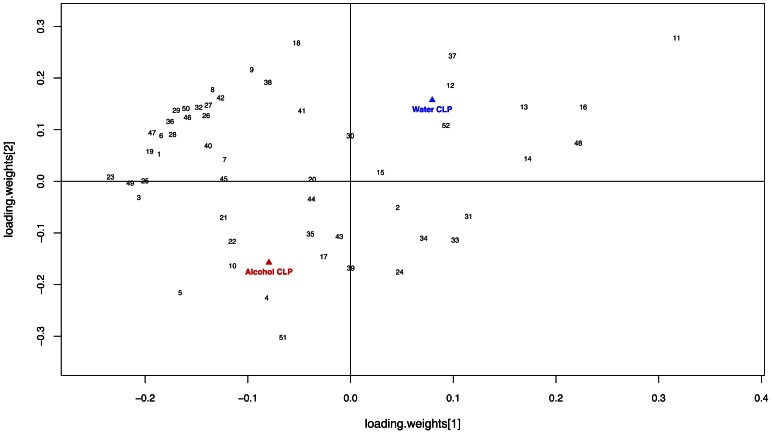
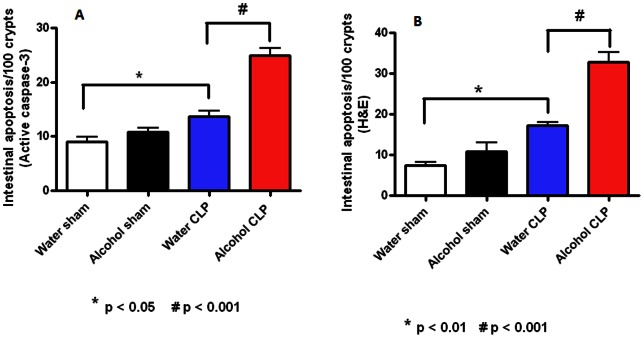
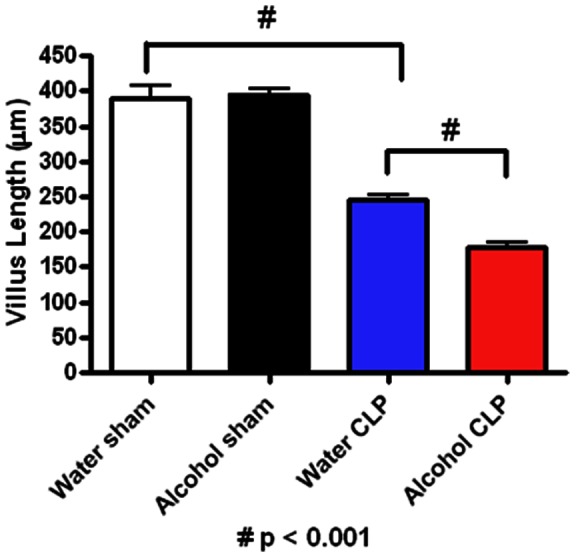
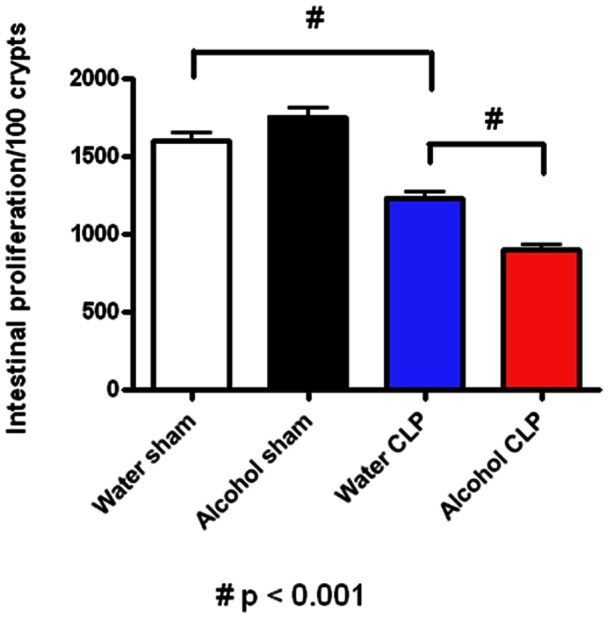
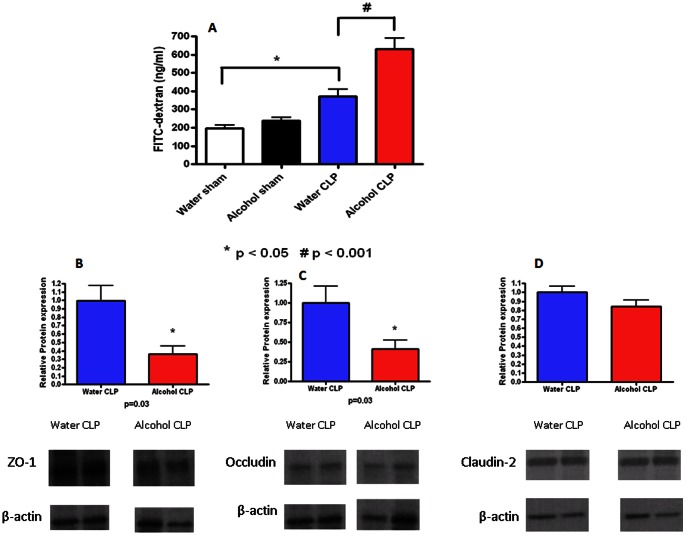
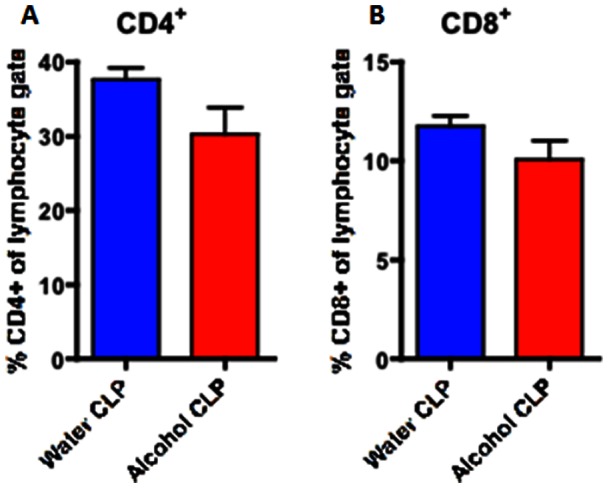
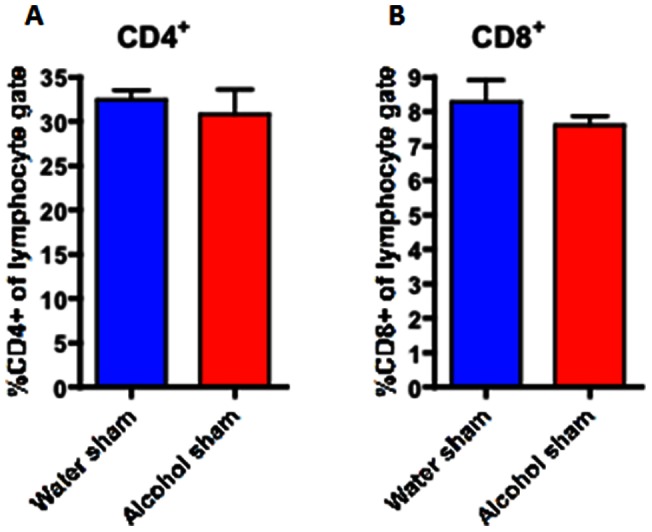
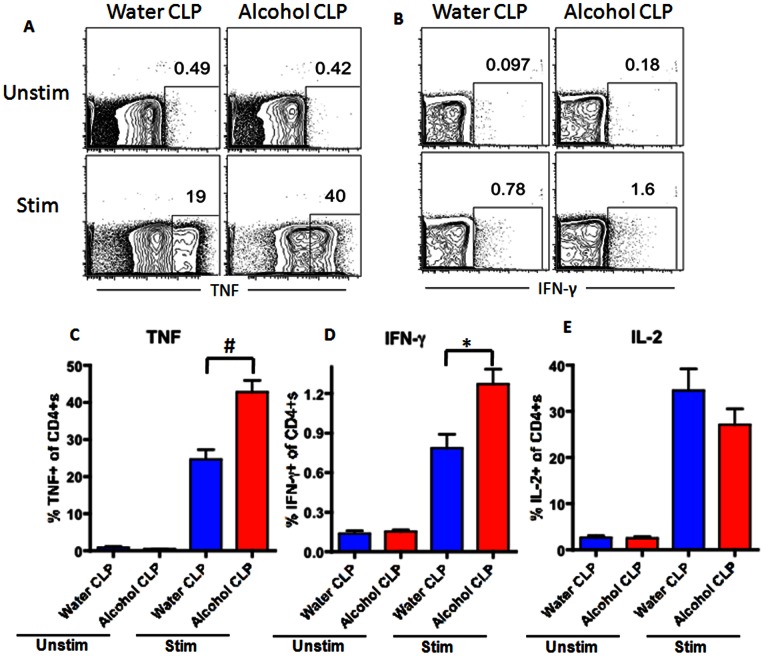
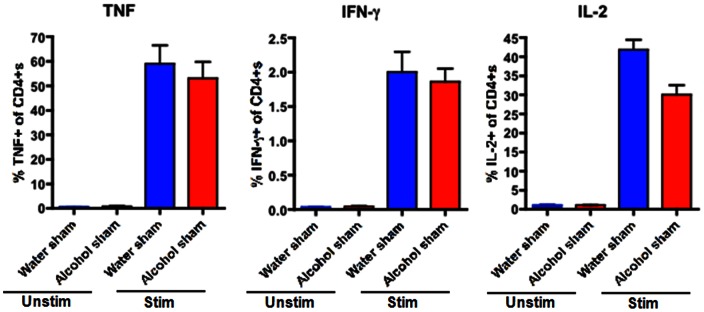
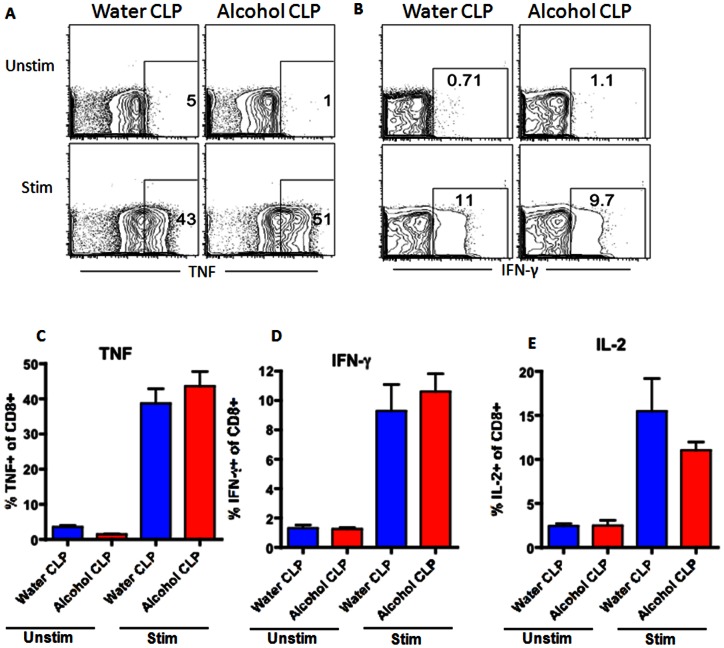
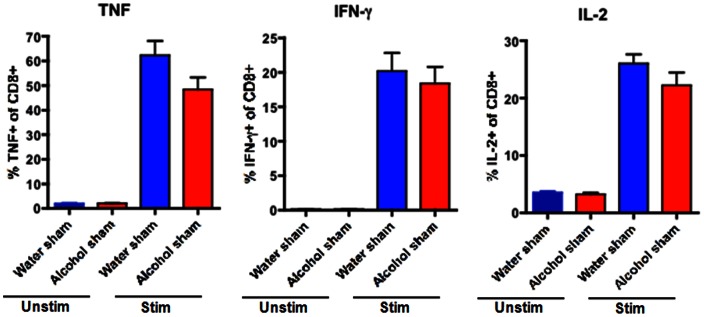
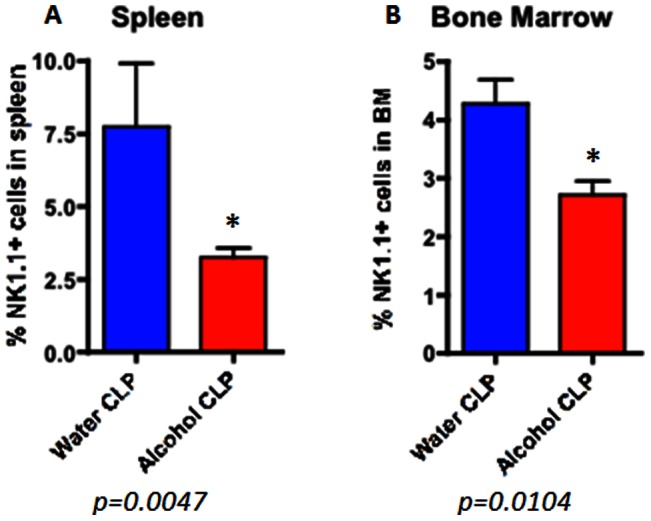
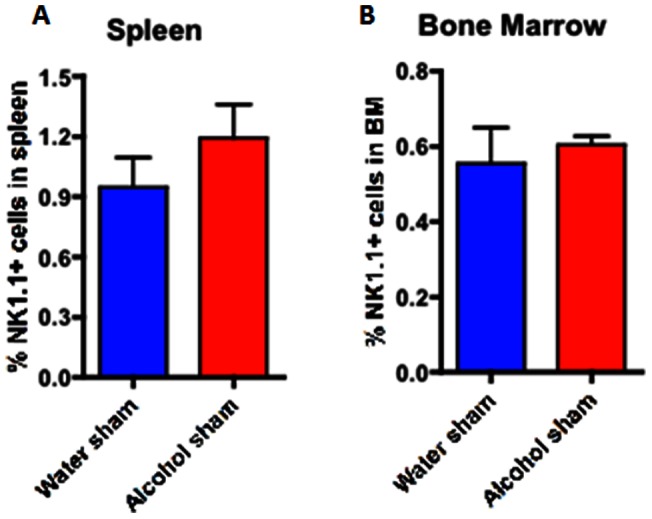
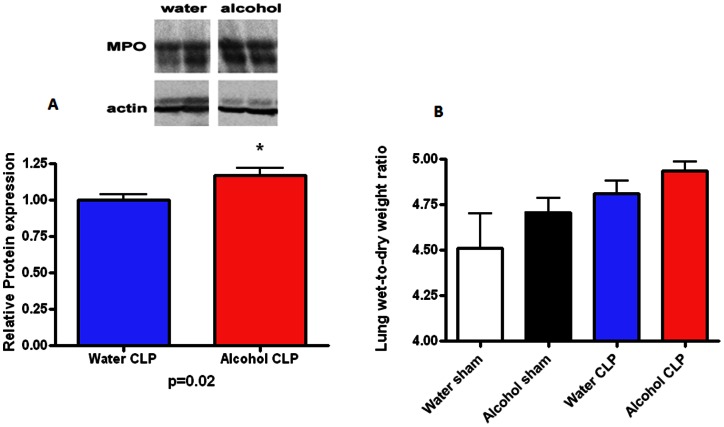
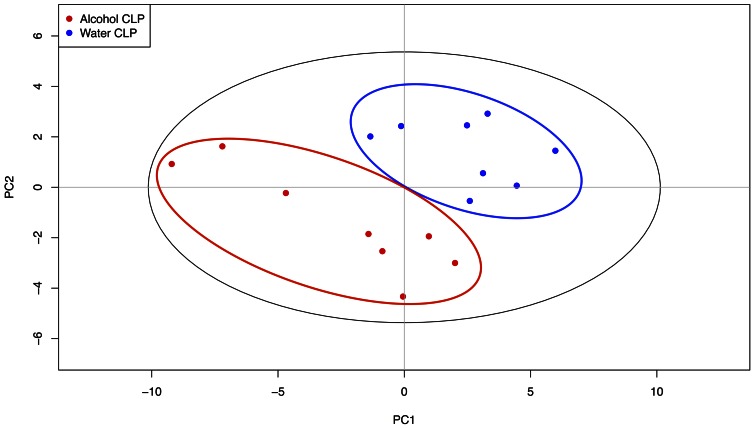
Septic alcohol-fed mice had a significantly higher mortality than septic water-fed mice (74% vs. 41%, p = 0.01). This was associated with worsened gut integrity in alcohol-fed mice with elevated intestinal epithelial apoptosis, decreased crypt proliferation and shortened villus length. Further, alcohol-fed mice had higher intestinal permeability with decreased ZO-1 and occludin protein expression in the intestinal tight junction. The frequency of splenic and bone marrow CD4+ T cells was similar between groups; however, splenic CD4+ T cells in septic alcohol-fed mice had a marked increase in both TNF and IFN-γ production following ex vivo stimulation. Neither the frequency nor function of CD8+ T cells differed between alcohol-fed and water-fed septic mice. NK cells were decreased in both the spleen and bone marrow of alcohol-fed septic mice. Pulmonary myeloperoxidase levels and BAL levels of G-CSF and TFG-β were higher in alcohol-fed mice. Pancreatic metabolomics demonstrated increased acetate, adenosine, xanthine, acetoacetate, 3-hydroxybutyrate and betaine in alcohol-fed mice and decreased cytidine, uracil, fumarate, creatine phosphate, creatine, and choline. Serum and peritoneal cytokines were generally similar between alcohol-fed and water-fed mice, and there were no differences in bacteremia, lung wet to dry weight, or pulmonary, liver or splenic histology.
When subjected to the same septic insult, mice with chronic alcohol ingestion have increased mortality. Alterations in intestinal integrity, the host immune response, and pancreatic metabolomics may help explain this differential response.
患有酒精使用障碍并入住重症监护病房的患者发病率和死亡率均升高。本研究旨在确定慢性酒精摄入如何改变小鼠对败血症的宿主反应。
将小鼠随机分为酒精组或水组,喂养 12 周,然后进行盲肠结扎和穿刺。术后 24 小时处死小鼠或进行 7 天存活期观察。
酒精喂养的败血症小鼠死亡率明显高于水喂养的败血症小鼠(74%比 41%,p=0.01)。这与酒精喂养的小鼠肠道完整性恶化有关,表现为肠上皮细胞凋亡增加、隐窝增殖减少和绒毛长度缩短。此外,酒精喂养的小鼠肠通透性增加,肠紧密连接中的 ZO-1 和 occludin 蛋白表达减少。脾和骨髓 CD4+T 细胞的频率在两组之间相似;然而,败血症酒精喂养的小鼠的脾 CD4+T 细胞在体外刺激后 TNF 和 IFN-γ 的产生明显增加。酒精喂养和水喂养的败血症小鼠之间 CD8+T 细胞的频率和功能均无差异。NK 细胞在酒精喂养的败血症小鼠的脾和骨髓中均减少。酒精喂养的小鼠的肺髓过氧化物酶水平和 BAL 中的 G-CSF 和 TFG-β 水平升高。胰腺代谢组学显示,酒精喂养的小鼠中的乙酸盐、腺苷、黄嘌呤、乙酰乙酸盐、3-羟丁酸和甜菜碱增加,而胞苷、尿嘧啶、富马酸、磷酸肌酸、肌酸和胆碱减少。血清和腹腔细胞因子在酒精喂养和水喂养的小鼠之间通常相似,并且菌血症、肺湿重/干重、肺、肝或脾组织学均无差异。
在受到相同的败血症打击时,慢性酒精摄入的小鼠死亡率增加。肠道完整性改变、宿主免疫反应和胰腺代谢组学的改变可能有助于解释这种不同的反应。