1] Molecular Medicine Laboratory, International Centre for Genetic Engineering and Biotechnology (ICGEB), Trieste, Italy [2] Department of Medical Sciences, Faculty of Medicine, University of Trieste, Trieste, Italy.
Gene Ther. 2013 Oct;20(10):1014-21. doi: 10.1038/gt.2013.26. Epub 2013 May 30.
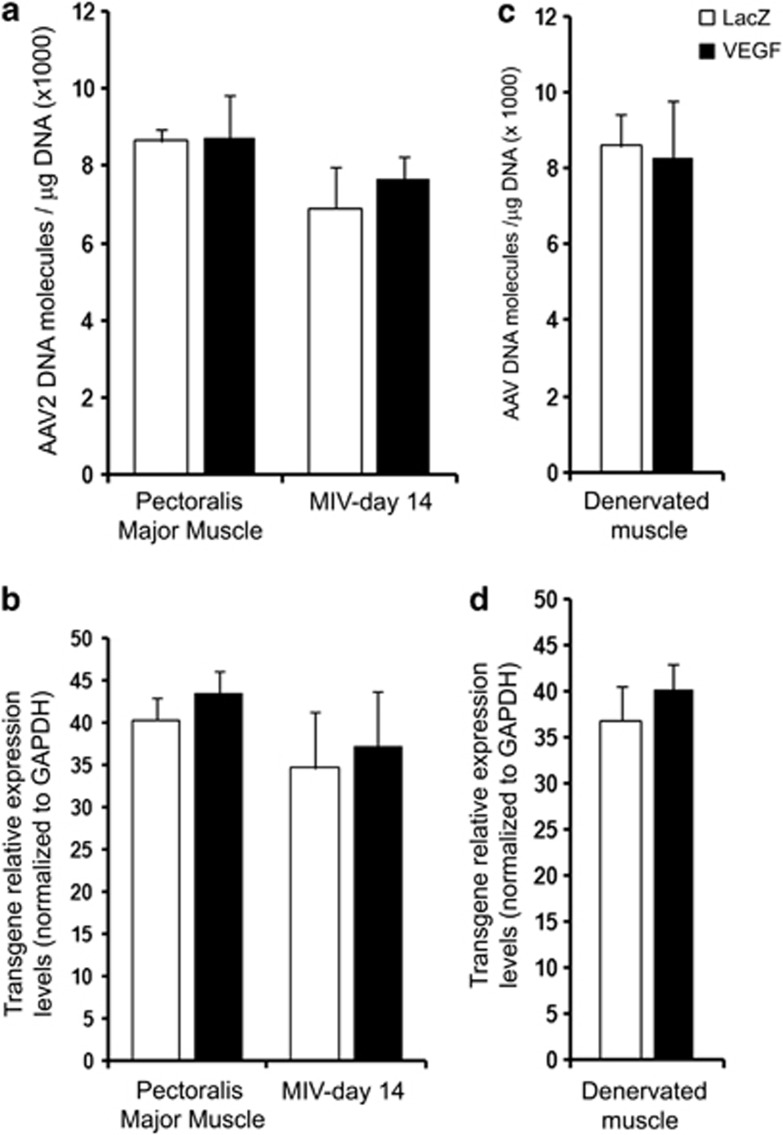
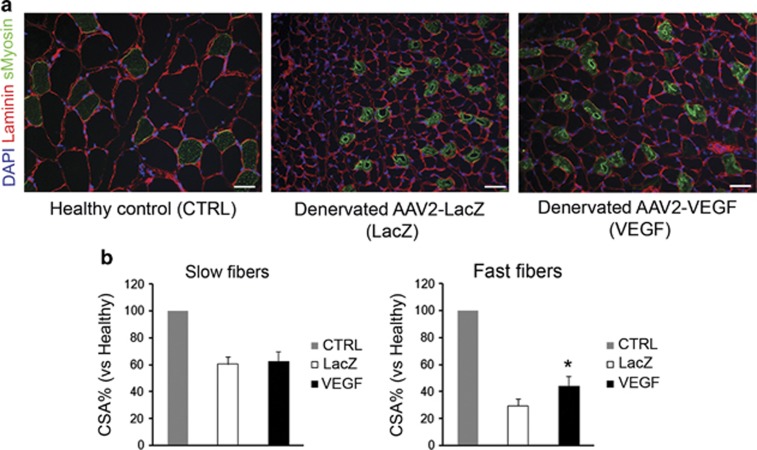
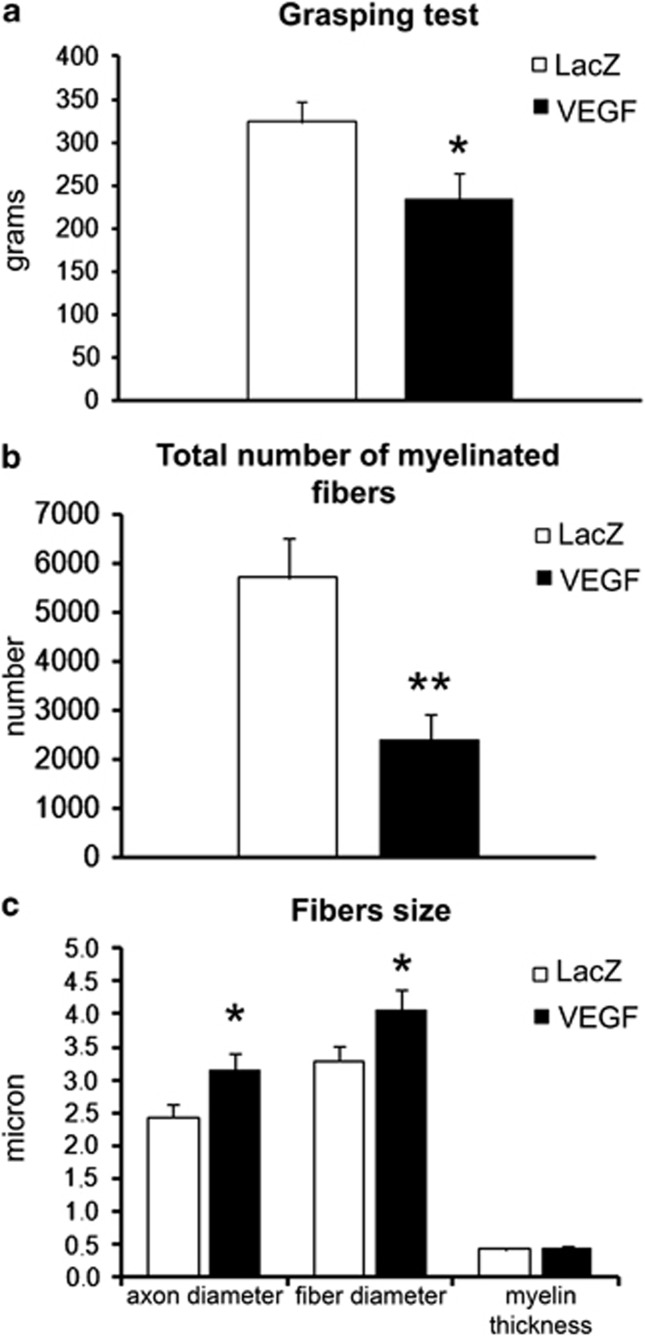
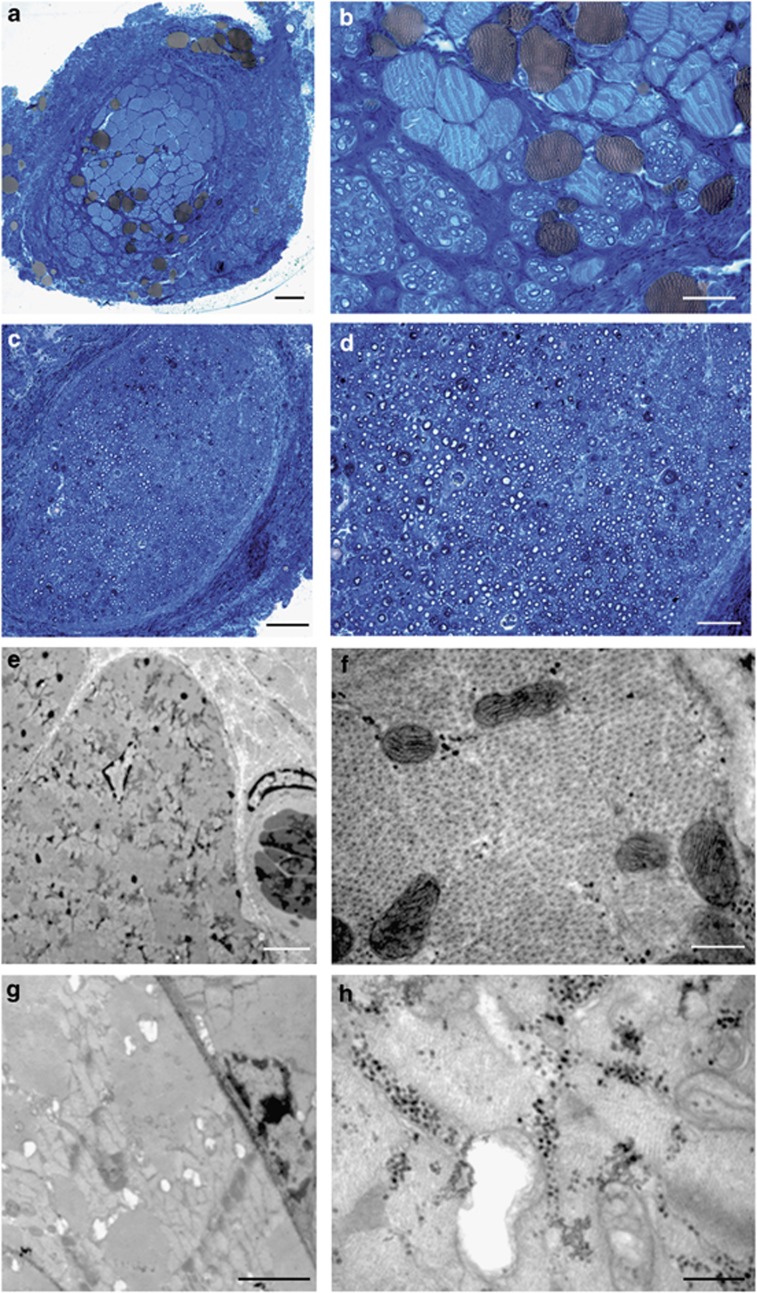
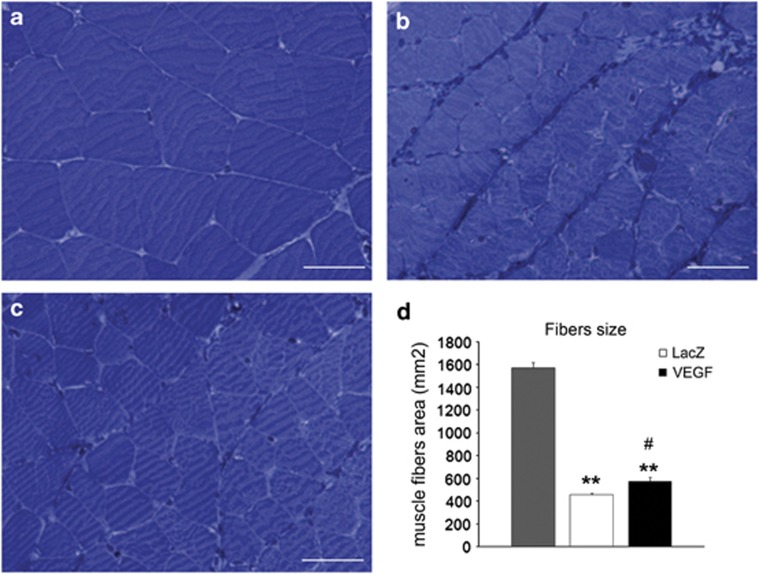
Functional recovery after peripheral nerve injury depends on both improvement of nerve regeneration and prevention of denervation-related skeletal muscle atrophy. To reach these goals, in this study we overexpressed vascular endothelial growth factor (VEGF) by means of local gene transfer with adeno-associated virus (AAV). Local gene transfer in the regenerating peripheral nerve was obtained by reconstructing a 1-cm-long rat median nerve defect using a vein segment filled with skeletal muscle fibers that have been previously injected with either AAV2-VEGF or AAV2-LacZ, and the morphofunctional outcome of nerve regeneration was assessed 3 months after surgery. Surprisingly, results showed that overexpression of VEGF in the muscle-vein-combined guide led to a worse nerve regeneration in comparison with AAV-LacZ controls. Local gene transfer in the denervated muscle was obtained by direct injection of either AAV2-VEGF or AAV2-LacZ in the flexor digitorum sublimis muscle after median nerve transection and results showed a significantly lower progression of muscle atrophy in AAV2-VEGF-treated muscles in comparison with muscles treated with AAV2-LacZ. Altogether, our results suggest that local delivery of VEGF by AAV2-VEGF-injected transplanted muscle fibers do not represent a rational approach to promote axonal regeneration along a venous nerve guide. By contrast, AAV2-VEGF direct local injection in denervated skeletal muscle significantly attenuates denervation-related atrophy, thus representing a promising strategy for improving the outcome of post-traumatic neuromuscular recovery after nerve injury and repair.
周围神经损伤后的功能恢复既依赖于神经再生的改善,也依赖于预防去神经支配相关的骨骼肌萎缩。为了达到这些目标,在这项研究中,我们通过腺相关病毒(AAV)的局部基因转移来过表达血管内皮生长因子(VEGF)。通过用先前注射过 AAV2-VEGF 或 AAV2-LacZ 的骨骼肌纤维填充的静脉段来重建 1cm 长的大鼠正中神经缺损,从而实现再生周围神经中的局部基因转移,并在手术后 3 个月评估神经再生的形态和功能结果。令人惊讶的是,结果表明,与 AAV-LacZ 对照组相比,在肌肉-静脉复合引导物中过表达 VEGF 导致神经再生更差。通过在正中神经切断后直接向屈指深肌注射 AAV2-VEGF 或 AAV2-LacZ 来实现失神经肌肉中的局部基因转移,结果显示 AAV2-VEGF 处理的肌肉中的肌肉萎缩进展明显低于 AAV2-LacZ 处理的肌肉。总之,我们的结果表明,通过注射 AAV2-VEGF 的移植肌肉纤维进行局部递送 VEGF 并不能代表促进沿着静脉神经引导的轴突再生的合理方法。相比之下,AAV2-VEGF 直接在失神经的骨骼肌中局部注射可显著减轻失神经相关的萎缩,因此代表了一种有前途的策略,可以改善创伤后神经肌肉损伤和修复后的神经肌肉恢复的结果。