Department of Cardiology, Center of Clinical Pharmacology, Third Xiangya Hospital, Central South University, Changsha, Hunan, China.
Arterioscler Thromb Vasc Biol. 2013 Aug;33(8):1920-7. doi: 10.1161/ATVBAHA.113.301609. Epub 2013 May 30.
Circulating angiogenic cells play an essential role in angiogenesis but are dysfunctional in diabetes mellitus characterized by excessive oxidative stress. We hypothesize that oxidative stress-mediated upregulation of thrombospondin-2 (TSP-2), a potent antiangiogenic protein, contributes to diabetic bone marrow-derived angiogenic cell (BMAC) dysfunction.
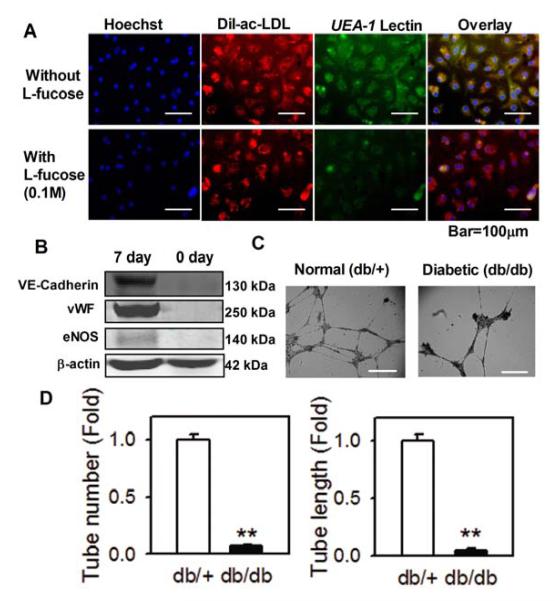
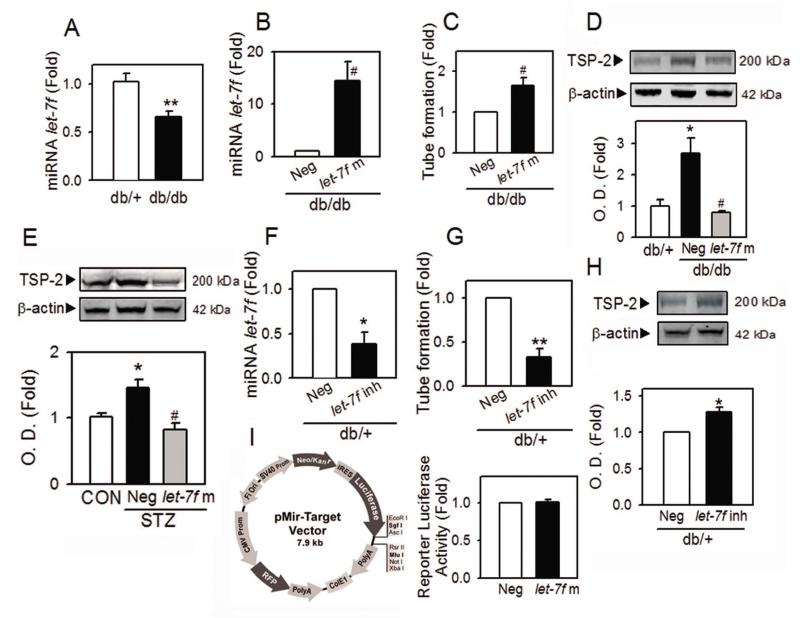
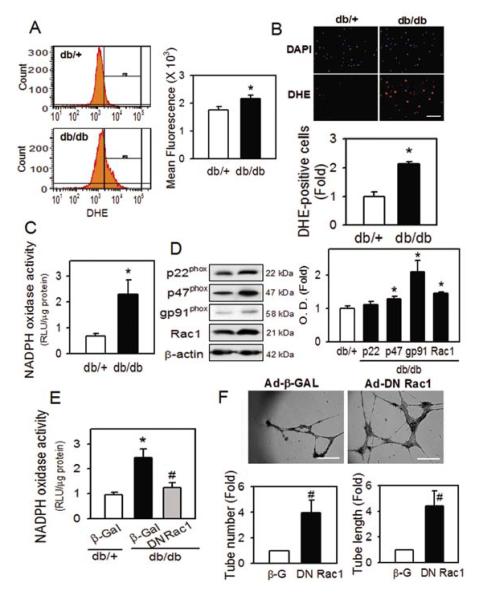
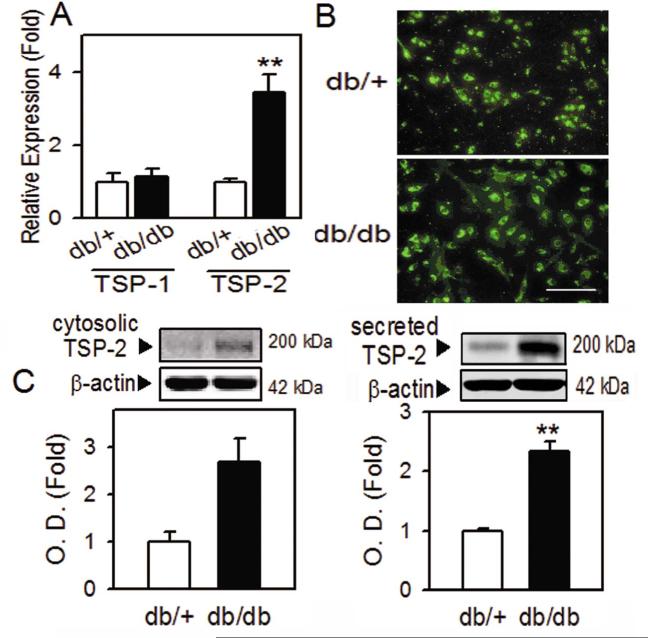
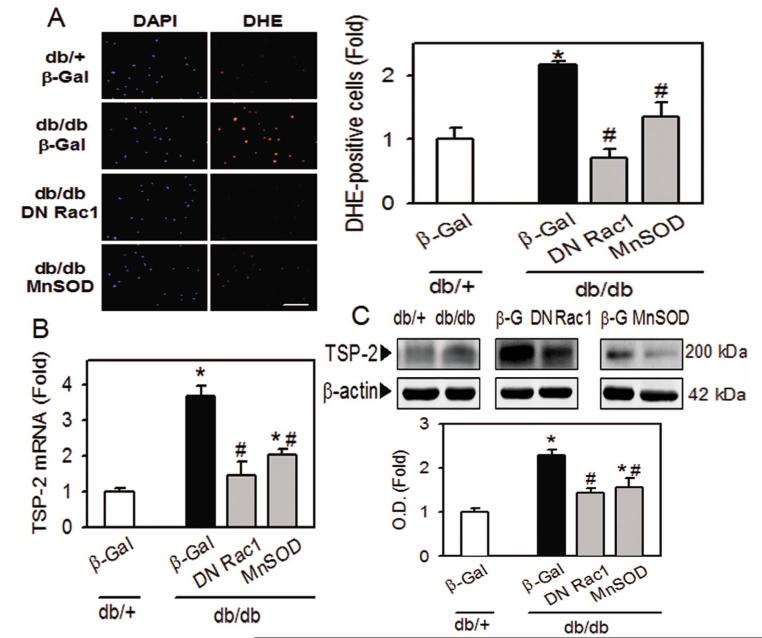
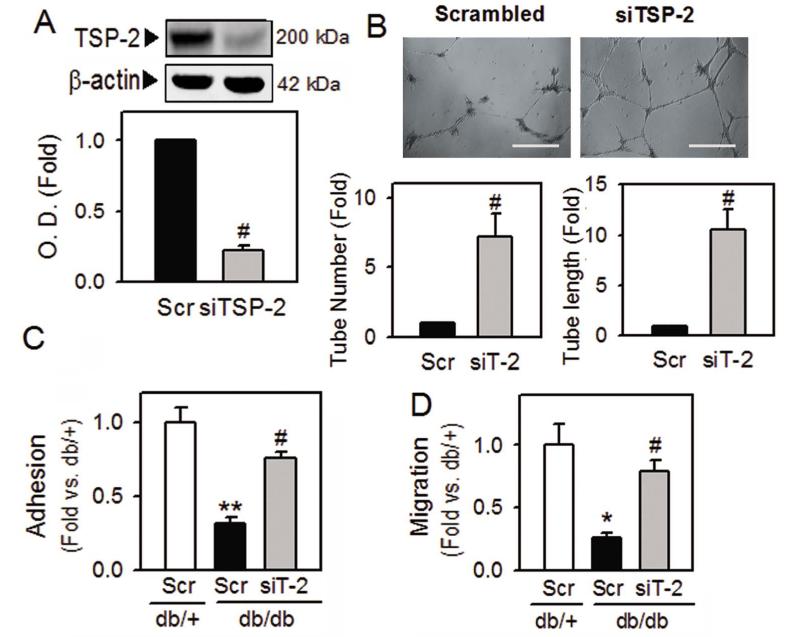
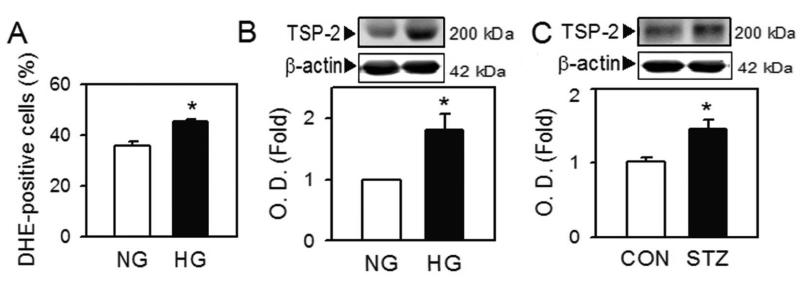
BMACs were isolated from adult male type 2 diabetic db/db mice and control db/+ (C57BLKS/J) mice. In Matrigel tube formation assay, angiogenic function was impaired in diabetic BMACs, accompanied by increased oxidative stress and nicotinamide adenine dinucleotide phosphate oxidase activity. BMAC angiogenic function was restored by overexpression of dominant negative Rac1 or by overexpression of manganese superoxide dismutase. TSP-2 mRNA and protein were both significantly upregulated in diabetic BMACs, mediated by increased oxidative stress as shown by a decrease in TSP-2 level after overexpression of dominant negative Rac1 or manganese superoxide dismutase. Silencing TSP-2 by its small interfering RNA in diabetic BMACs improved BMAC function in tube formation, adhesion, and migration assays. Notably, the upregulation of TSP-2 was also found in BMACs from streptozotocin-induced type 1 diabetic mice, and normal BMACs with high glucose treatment. let-7f, a microRNA which has been related to endothelial angiogenic function, is found to play key role in TSP-2 increase, but let-7f did not directly interact with TSP-2 mRNA.
The upregulation of TSP-2 mediated by increased oxidative stress contributes to angiogenesis dysfunction in diabetic BMACs.
循环血管生成细胞在血管生成中起着至关重要的作用,但在以过度氧化应激为特征的糖尿病中功能失调。我们假设,氧化应激介导的血小板反应蛋白-2(TSP-2)上调,一种有效的抗血管生成蛋白,导致糖尿病骨髓源性血管生成细胞(BMAC)功能障碍。
从成年雄性 2 型糖尿病 db/db 小鼠和对照 db/+(C57BLKS/J)小鼠中分离 BMAC。在 Matrigel 管形成试验中,糖尿病 BMAC 的血管生成功能受损,伴有氧化应激增加和烟酰胺腺嘌呤二核苷酸磷酸氧化酶活性增加。过表达显性失活 Rac1 或过表达锰超氧化物歧化酶可恢复 BMAC 的血管生成功能。TSP-2 mRNA 和蛋白在糖尿病 BMAC 中均显著上调,这是由氧化应激增加介导的,如过表达显性失活 Rac1 或锰超氧化物歧化酶后 TSP-2 水平降低所示。在糖尿病 BMAC 中用其小干扰 RNA 沉默 TSP-2 可改善 BMAC 在管形成、黏附和迁移试验中的功能。值得注意的是,TSP-2 的上调也在链脲佐菌素诱导的 1 型糖尿病小鼠和高糖处理的正常 BMAC 中发现。let-7f,一种与内皮血管生成功能相关的 microRNA,被发现对 TSP-2 的增加起着关键作用,但 let-7f 并没有直接与 TSP-2 mRNA 相互作用。
由氧化应激增加介导的 TSP-2 上调导致糖尿病 BMAC 中的血管生成功能障碍。