Program in Biochemistry, Cellular and Molecular Biology, Johns Hopkins School of Medicine, Baltimore, MD 21205, USA.
BMC Genomics. 2013 May 31;14:367. doi: 10.1186/1471-2164-14-367.
Mosaic somatic alterations are present in all multi-cellular organisms, but the physiological effects of low-level mosaicism are largely unknown. Most mosaic alterations remain undetectable with current analytical approaches, although the presence of such alterations is increasingly implicated as causative for disease.
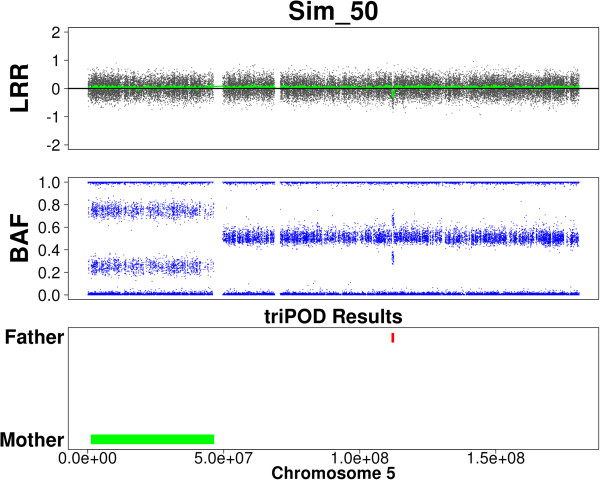
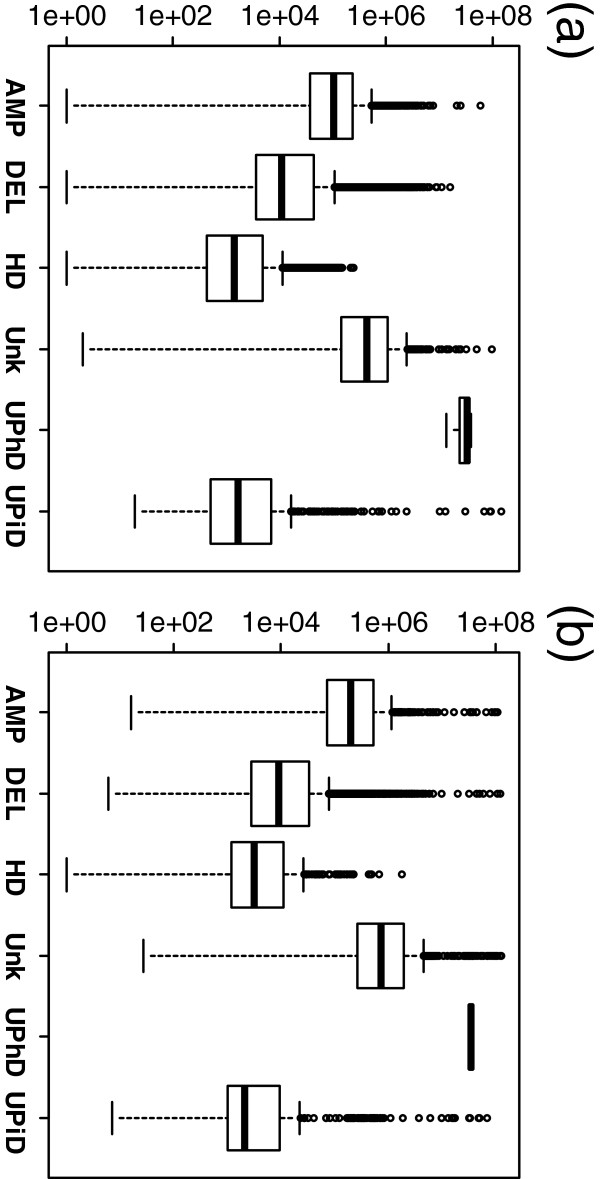
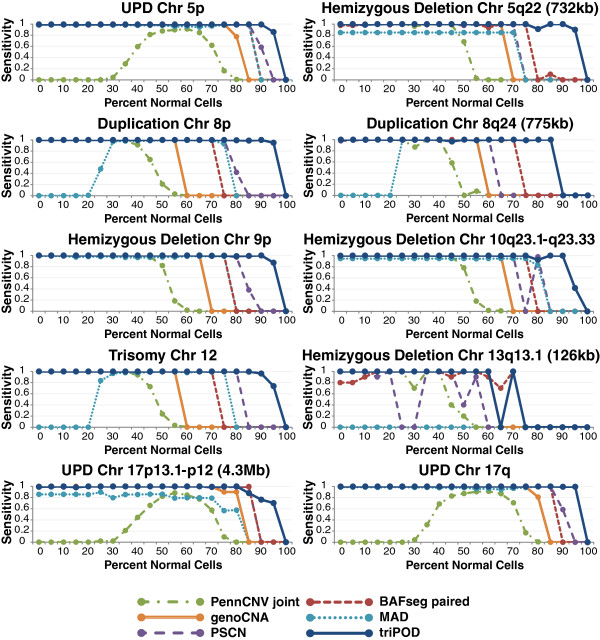
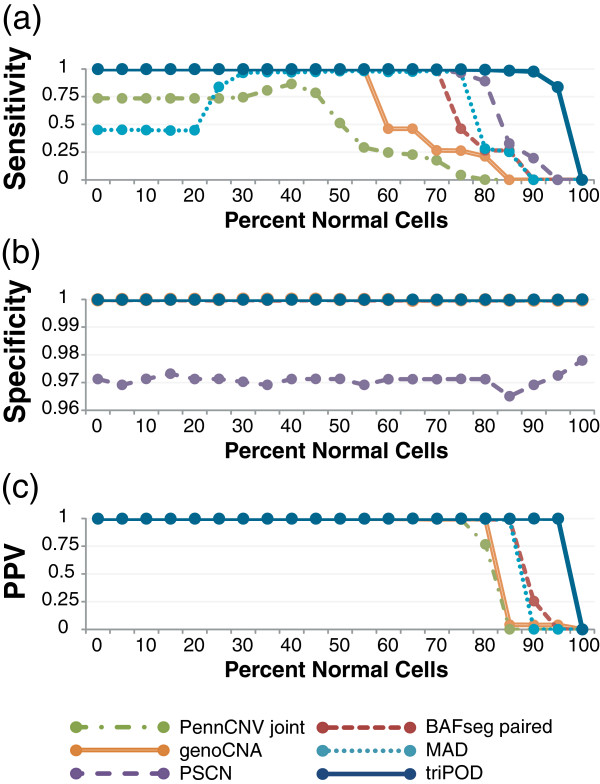
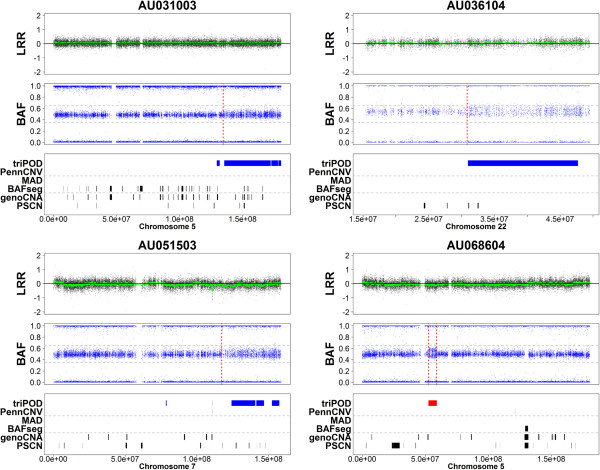
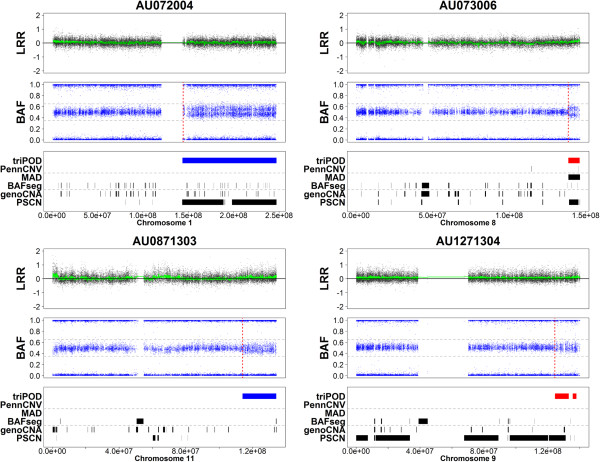
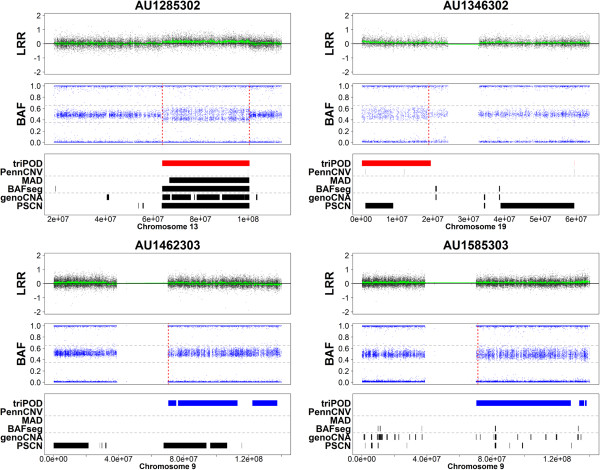
Here, we present the Parent-of-Origin-based Detection (POD) method for chromosomal abnormality detection in trio-based SNP microarray data. Our software implementation, triPOD, was benchmarked using a simulated dataset, outperformed comparable software for sensitivity of abnormality detection, and displayed substantial improvement in the detection of low-level mosaicism while maintaining comparable specificity. Examples of low-level mosaic abnormalities from a large autism dataset demonstrate the benefits of the increased sensitivity provided by triPOD. The triPOD analyses showed robustness across multiple types of Illumina microarray chips. Two large, clinically-relevant datasets were characterized and compared.
Our method and software provide a significant advancement in the ability to detect low-level mosaic abnormalities, thereby opening new avenues for research into the implications of mosaicism in pathogenic and non-pathogenic processes.
镶嵌性体细胞改变存在于所有多细胞生物中,但低水平镶嵌性的生理影响在很大程度上尚不清楚。尽管越来越多的证据表明这种改变是疾病的原因,但目前的分析方法仍无法检测到大多数镶嵌性改变。
在这里,我们提出了基于亲本来源的检测(POD)方法,用于检测基于三核苷酸 SNP 微阵列数据的染色体异常。我们的软件 triPOD 使用模拟数据集进行了基准测试,在异常检测的灵敏度方面优于可比软件,并在保持可比特异性的同时,显著提高了低水平镶嵌性的检测能力。来自大型自闭症数据集的低水平镶嵌异常示例展示了 triPOD 提供的更高灵敏度的优势。triPOD 分析在多种类型的 Illumina 微阵列芯片上表现出稳健性。对两个大型临床相关数据集进行了特征描述和比较。
我们的方法和软件在检测低水平镶嵌异常方面提供了显著的进步,从而为研究镶嵌性在致病和非致病过程中的意义开辟了新的途径。