Bosco Nabil, Brahmbhatt Viral, Oliveira Manuel, Martin Francois-Pierre, Lichti Pia, Raymond Frederic, Mansourian Robert, Metairon Sylviane, Pace-Asciak Cecil, Bastic Schmid Viktoria, Rezzi Serge, Haller Dirk, Benyacoub Jalil
Lipids Health Dis. 2013 May 31;12:81. doi: 10.1186/1476-511X-12-81.
Inflammatory bowel diseases (IBD) are chronic intestinal inflammatory diseases affecting about 1% of western populations. New eating behaviors might contribute to the global emergence of IBD. Although the immunoregulatory effects of omega-3 fatty acids have been well characterized in vitro, their role in IBD is controversial.
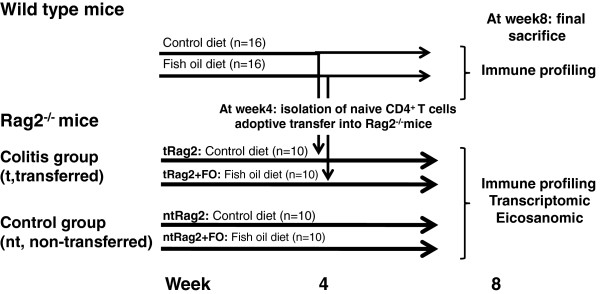
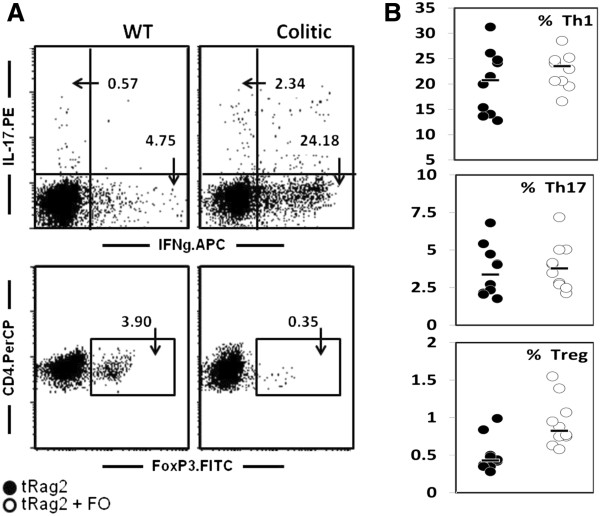
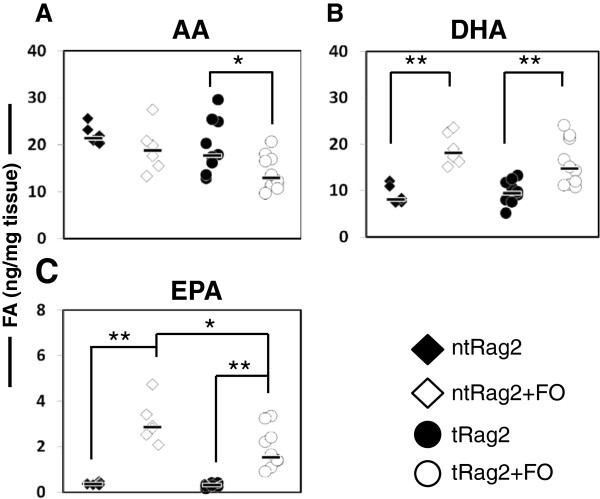
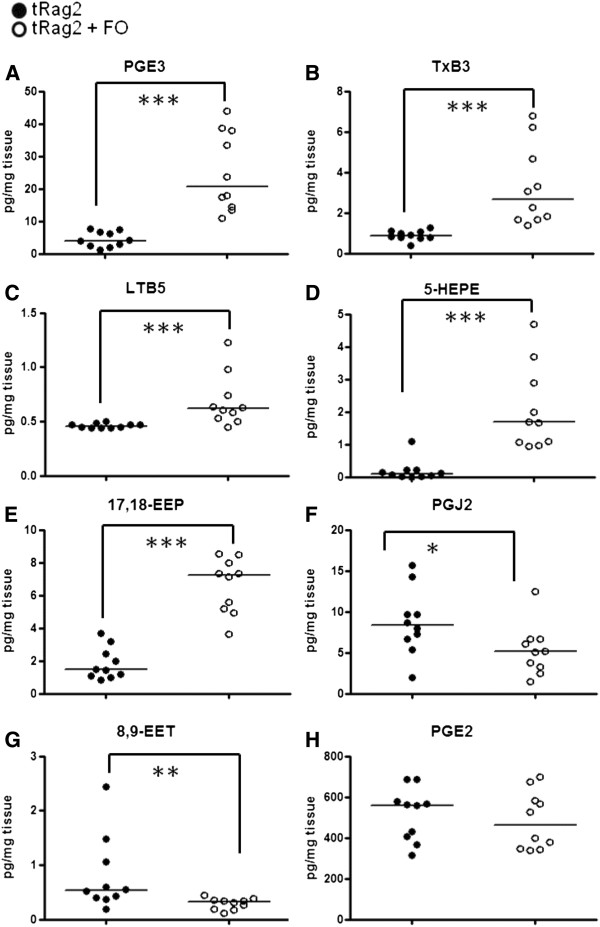
The aim of this study was to assess the impact of increased fish oil intake on colonic gene expression, eicosanoid metabolism and development of colitis in a mouse model of IBD. Rag-2 deficient mice were fed fish oil (FO) enriched in omega-3 fatty acids i.e. EPA and DHA or control diet for 4 weeks before colitis induction by adoptive transfer of naïve T cells and maintained in the same diet for 4 additional weeks. Onset of colitis was monitored by colonoscopy and further confirmed by immunological examinations. Whole genome expression profiling was made and eicosanoids were measured by HPLC-MS/MS in colonic samples.
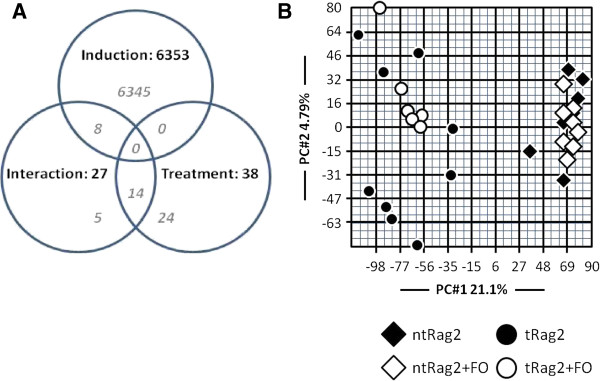
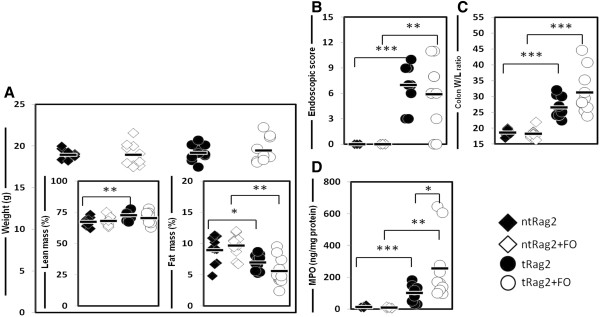
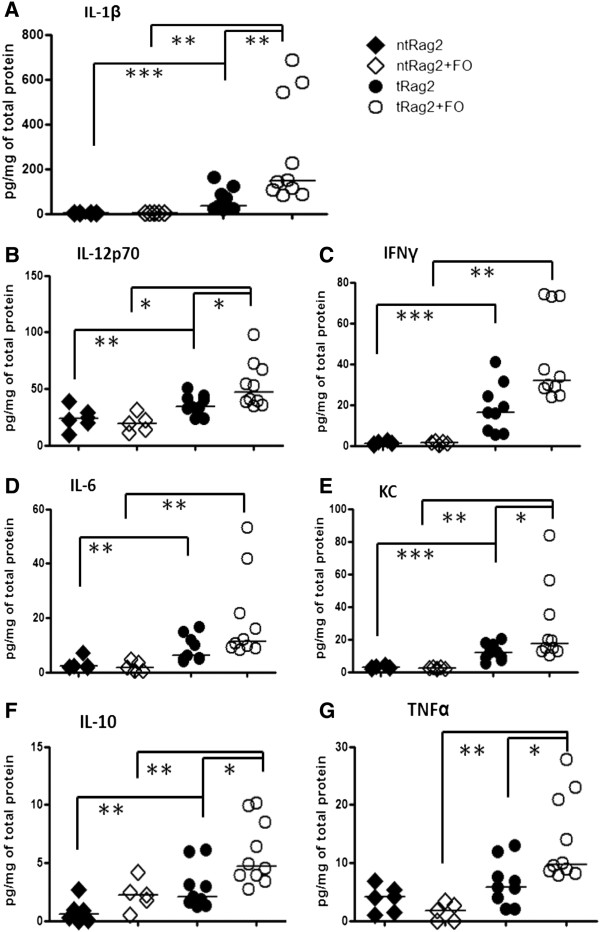
A significant reduction of colonic proinflammatory eicosanoids in FO fed mice compared to control was observed. However, neither alteration of colonic gene expression signature nor reduction in IBD scores was observed under FO diet.
Thus, increased intake of dietary FO did not prevent experimental colitis.
炎症性肠病(IBD)是一种慢性肠道炎症性疾病,影响约1%的西方人群。新的饮食行为可能导致IBD在全球范围内的出现。尽管ω-3脂肪酸的免疫调节作用在体外已得到充分表征,但其在IBD中的作用仍存在争议。
本研究的目的是评估在IBD小鼠模型中增加鱼油摄入量对结肠基因表达、类花生酸代谢和结肠炎发展的影响。在通过幼稚T细胞的过继转移诱导结肠炎之前,给Rag-2缺陷小鼠喂食富含ω-3脂肪酸(即EPA和DHA)的鱼油(FO)或对照饮食4周,并在接下来的4周内保持相同饮食。通过结肠镜检查监测结肠炎的发作,并通过免疫学检查进一步确认。进行全基因组表达谱分析,并通过HPLC-MS/MS测量结肠样本中的类花生酸。
与对照组相比,观察到喂食FO的小鼠结肠促炎类花生酸显著减少。然而,在FO饮食下未观察到结肠基因表达特征的改变或IBD评分的降低。
因此,增加膳食FO的摄入量并不能预防实验性结肠炎。