School of Psychological Science, La Trobe University Melbourne, VIC, Australia ; Calvary Health Care Bethlehem Melbourne, VIC, Australia.
Front Hum Neurosci. 2013 May 21;7:178. doi: 10.3389/fnhum.2013.00178. eCollection 2013.
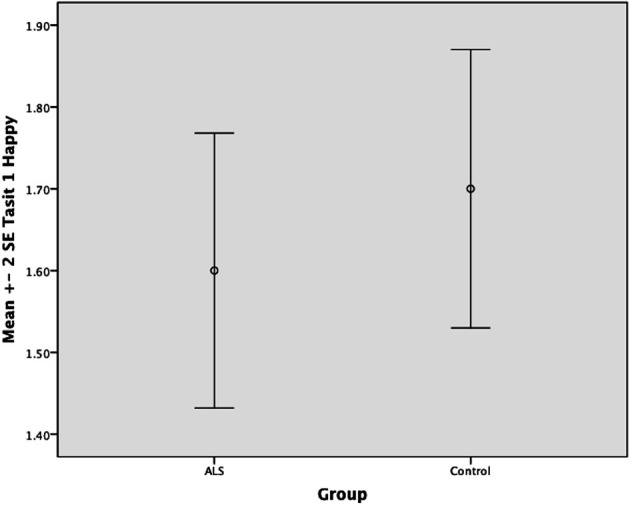
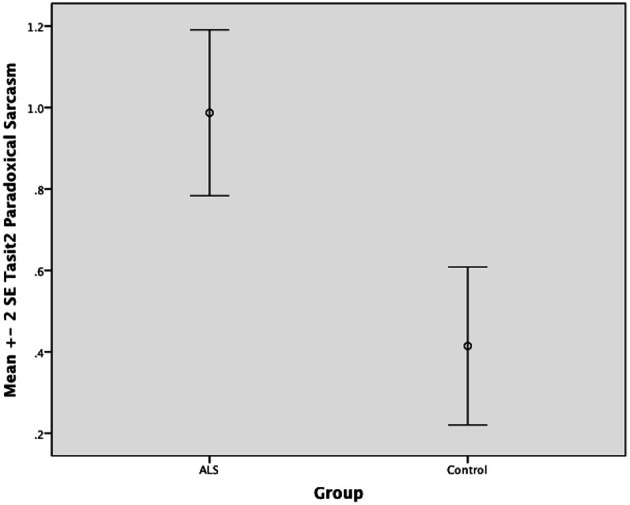
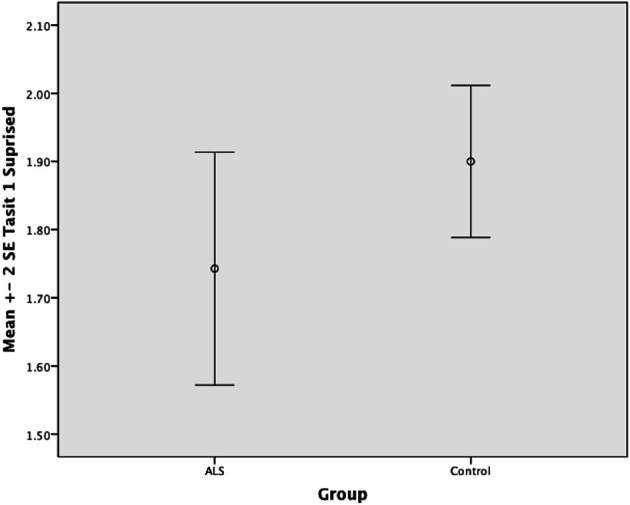
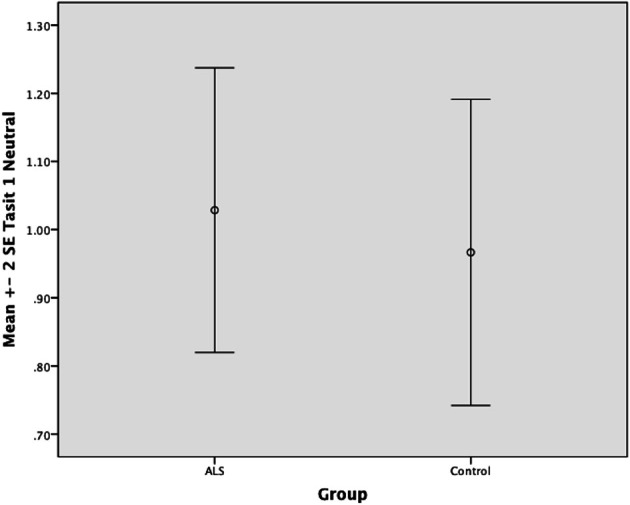
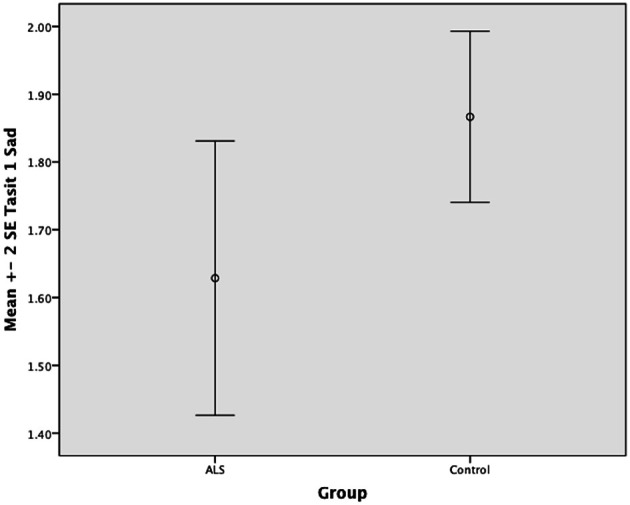
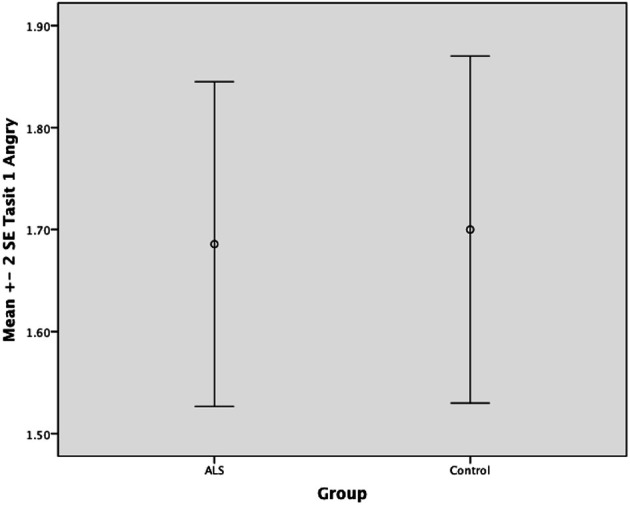
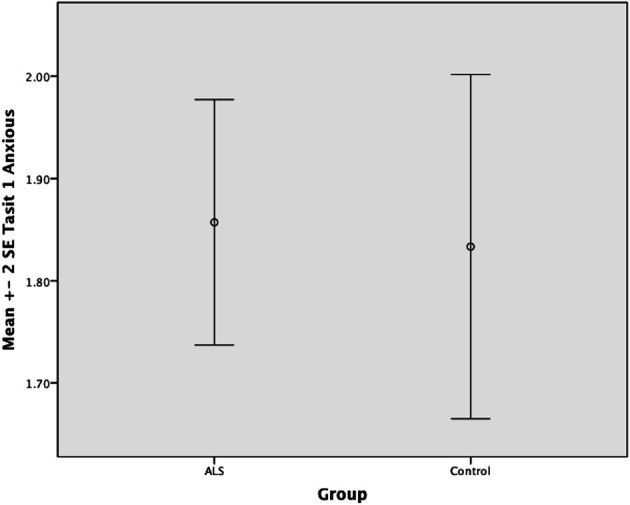
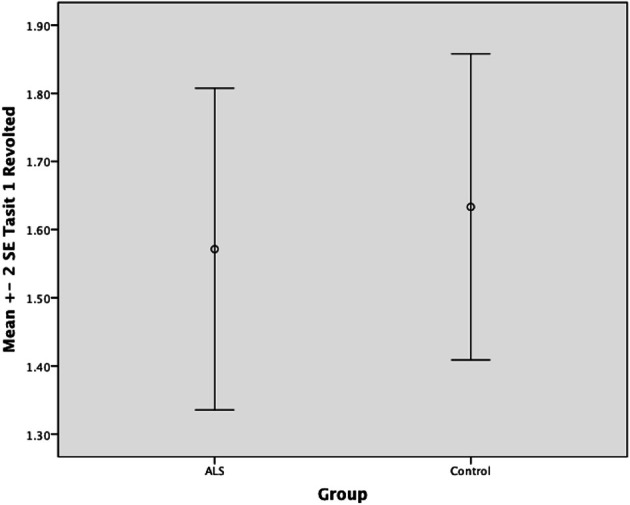
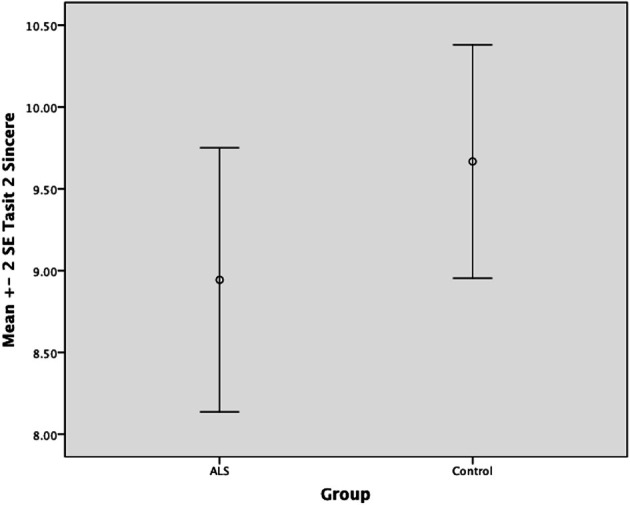
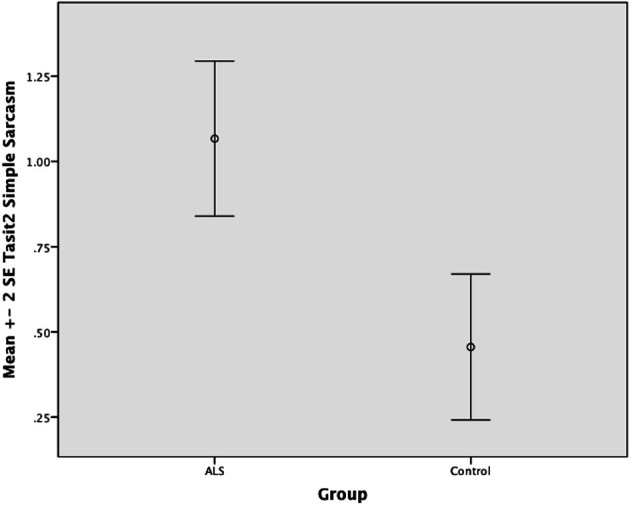
Amyotrophic lateral sclerosis (ALS) is a rapidly progressive condition involving degeneration of both upper and lower motor neurons. Recent research suggests that a proportion of persons with ALS show a profile similar to that of frontotemporal dementia (FTD), with this group of ALS patients exhibiting social cognitive deficits. Although social cognitive deficits have been partially explored in ALS, research has yet to investigate such changes using ecologically valid measures. Therefore, this study aimed to further characterize the scope of social cognitive and emotion recognition deficits in non-demented ALS patients using an ecologically valid measure of social cognition. A sample of 35 ALS patients and 30 age-and-education matched controls were assessed using the Addenbrooke's Cognitive Examination, the Brixton Spatial Anticipation Test, and The Awareness of Social Inference Test, where participants were required to discriminate between various emotions and decipher socially challenging scenarios enacted in video vignettes. Participants with ALS showed significant difficulties in recognizing both sarcastic and paradoxical sarcastic statements, but not sincere statements, when compared to controls. After controlling for executive difficulties, ALS patients still displayed significant difficulties on tasks that assessed their comprehension of both sarcastic and paradoxical sarcastic statements. The inability to read social cues and make social inferences has the potential to place significant strain on familial/interpersonal relationships in ALS. The findings of this study highlight the importance of employing a broader range of neuropsychological assessment tools to aid in early detection of frontal lobe impairment in non-demented ALS patients.
肌萎缩侧索硬化症(ALS)是一种快速进展的疾病,涉及上下运动神经元的退化。最近的研究表明,一部分 ALS 患者表现出类似于额颞叶痴呆(FTD)的特征,这些 ALS 患者表现出社交认知缺陷。尽管在 ALS 中已经部分探索了社交认知缺陷,但研究尚未使用生态有效的措施来研究这些变化。因此,本研究旨在使用一种生态有效的社交认知测量方法,进一步描述非痴呆 ALS 患者的社交认知和情绪识别缺陷的范围。一项由 35 名 ALS 患者和 30 名年龄和教育程度匹配的对照组组成的样本,使用 Addenbrooke 的认知评估、布里克斯顿空间预期测试和社会推理测试进行评估,其中参与者需要区分各种情绪并解读视频短片中扮演的具有挑战性的社交场景。与对照组相比,ALS 患者在识别讽刺和反讽语句时存在明显困难,但在识别真诚语句时则没有明显困难。在控制了执行功能困难后,ALS 患者在评估他们对讽刺和反讽语句的理解的任务上仍表现出明显的困难。无法解读社交线索和进行社交推理有可能会给 ALS 患者的家庭/人际关系带来重大压力。本研究的结果强调了采用更广泛的神经心理学评估工具的重要性,以帮助早期发现非痴呆 ALS 患者的额叶损伤。