Institute of Systematic Botany & Zürich-Basel Plant Science Centre, University of Zurich, Zürich, Switzerland.
PLoS One. 2013 May 29;8(5):e64621. doi: 10.1371/journal.pone.0064621. Print 2013.
Sexually deceptive orchids of the genus Ophrys mimic the mating signals of their pollinator females to attract males as pollinators. This mode of pollination is highly specific and leads to strong reproductive isolation between species. This study aims to identify candidate genes responsible for pollinator attraction and reproductive isolation between three closely related species, O. exaltata, O. sphegodes and O. garganica. Floral traits such as odour, colour and morphology are necessary for successful pollinator attraction. In particular, different odour hydrocarbon profiles have been linked to differences in specific pollinator attraction among these species. Therefore, the identification of genes involved in these traits is important for understanding the molecular basis of pollinator attraction by sexually deceptive orchids.
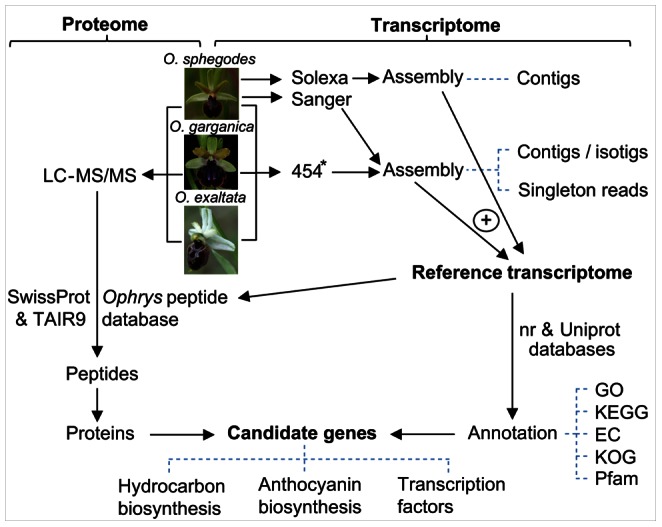
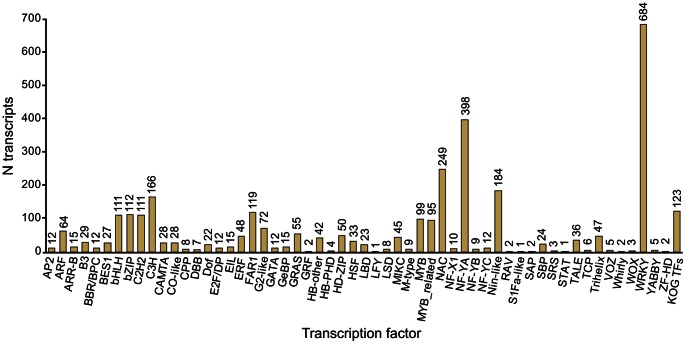
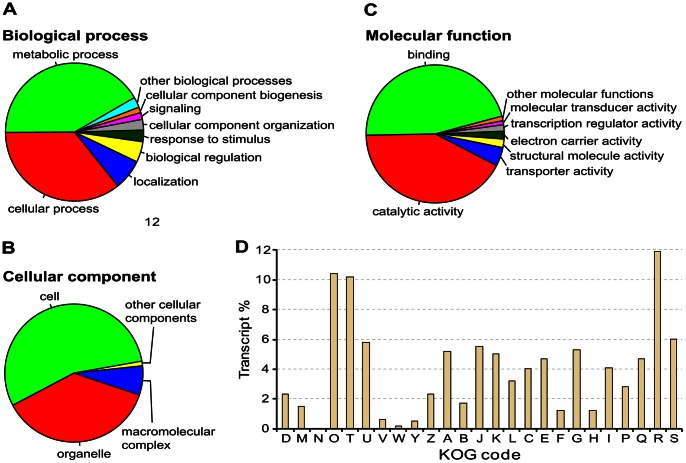
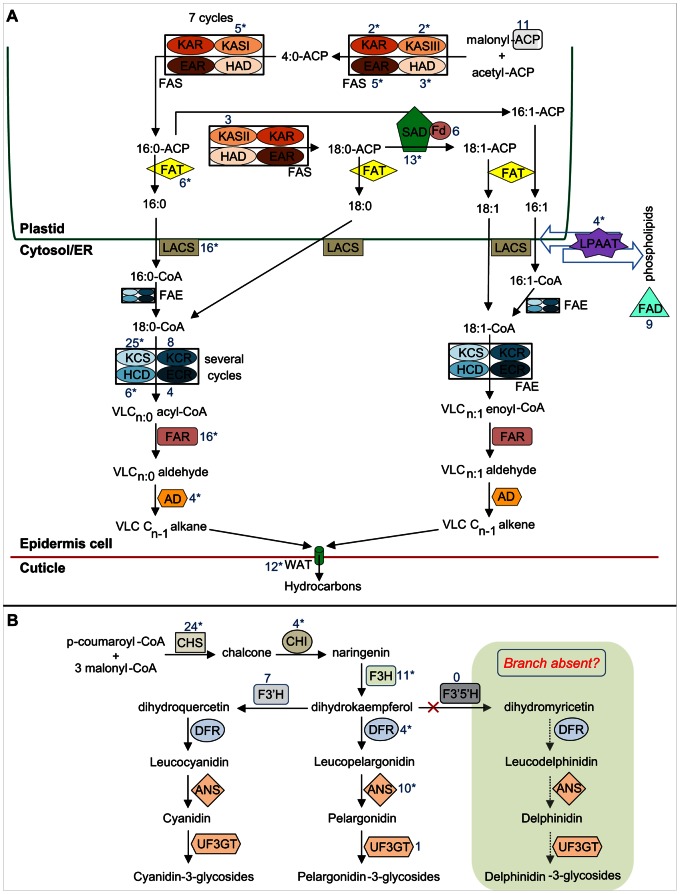
We have created floral reference transcriptomes and proteomes for these three Ophrys species using a combination of next-generation sequencing (454 and Solexa), Sanger sequencing, and shotgun proteomics (tandem mass spectrometry). In total, 121 917 unique transcripts and 3531 proteins were identified. This represents the first orchid proteome and transcriptome from the orchid subfamily Orchidoideae. Proteome data revealed proteins corresponding to 2644 transcripts and 887 proteins not observed in the transcriptome. Candidate genes for hydrocarbon and anthocyanin biosynthesis were represented by 156 and 61 unique transcripts in 20 and 7 genes classes, respectively. Moreover, transcription factors putatively involved in the regulation of flower odour, colour and morphology were annotated, including Myb, MADS and TCP factors.
Our comprehensive data set generated by combining transcriptome and proteome technologies allowed identification of candidate genes for pollinator attraction and reproductive isolation among sexually deceptive orchids. This includes genes for hydrocarbon and anthocyanin biosynthesis and regulation, and the development of floral morphology. These data will serve as an invaluable resource for research in orchid floral biology, enabling studies into the molecular mechanisms of pollinator attraction and speciation.
兰花属的 Ophrys 属植物通过模拟其传粉媒介雌性的交配信号来吸引雄性作为传粉媒介,从而具有欺骗性。这种授粉方式非常特殊,导致物种之间的生殖隔离很强。本研究旨在确定三个密切相关的物种,即 O. exaltata、O. sphegodes 和 O. garganica 中负责吸引传粉媒介和生殖隔离的候选基因。花的特征,如气味、颜色和形态,对于成功吸引传粉媒介是必要的。特别是,不同的气味碳氢化合物图谱与这些物种之间特定传粉媒介吸引的差异有关。因此,鉴定参与这些特征的基因对于理解有性欺骗兰花吸引传粉媒介的分子基础非常重要。
我们使用下一代测序(454 和 Solexa)、Sanger 测序和鸟枪法蛋白质组学(串联质谱)相结合的方法,为这三种 Ophrys 物种创建了花的参考转录组和蛋白质组。总共鉴定出 121917 个独特的转录本和 3531 个蛋白质。这代表了 Orchidoideae 兰科亚科的第一个兰花蛋白质组和转录组。蛋白质组数据显示,在转录组中没有观察到 2644 个转录本和 887 个蛋白质对应的蛋白质。类异戊二烯和花青素生物合成的候选基因分别由 20 个和 7 个基因类别的 156 个和 61 个独特转录本代表。此外,注释了可能参与花气味、颜色和形态调控的转录因子,包括 Myb、MADS 和 TCP 因子。
我们通过结合转录组和蛋白质组技术生成的综合数据集,鉴定出有性欺骗兰花之间吸引传粉媒介和生殖隔离的候选基因。这包括类异戊二烯和花青素生物合成和调控以及花形态发育的基因。这些数据将成为兰花花生物学研究的宝贵资源,使研究传粉媒介吸引和物种形成的分子机制成为可能。