• 文献检索
  • 文档翻译
  • 深度研究
  • 学术资讯
  • Suppr Zotero 插件Zotero 插件
  • 邀请有礼
  • 套餐&价格
  • 历史记录
应用&插件
Suppr Zotero 插件Zotero 插件浏览器插件Mac 客户端Windows 客户端微信小程序
定价
高级版会员购买积分包购买API积分包
服务
文献检索文档翻译深度研究API 文档MCP 服务
关于我们
关于 Suppr公司介绍联系我们用户协议隐私条款
关注我们

Suppr 超能文献

核心技术专利:CN118964589B侵权必究
粤ICP备2023148730 号-1Suppr @ 2026

文献检索

告别复杂PubMed语法,用中文像聊天一样搜索,搜遍4000万医学文献。AI智能推荐,让科研检索更轻松。

立即免费搜索

文件翻译

保留排版,准确专业,支持PDF/Word/PPT等文件格式,支持 12+语言互译。

免费翻译文档

深度研究

AI帮你快速写综述,25分钟生成高质量综述,智能提取关键信息,辅助科研写作。

立即免费体验

一步法将壳聚糖和 N-棕榈酰壳聚糖生物功能化量子点,用于潜在的生物医学应用。

One-step biofunctionalization of quantum dots with chitosan and N-palmitoyl chitosan for potential biomedical applications.

机构信息

Center of Nanoscience, Nanotechnology and Innovation-CeNano2I, Department of Metallurgical and Materials Engineering, Federal University of Minas Gerais, Av. Antônio Carlos, 6627 - Escola de Engenharia - Bloco 2 - sala 2233, Pampulha, Belo Horizonte/MG, 31.270-901, Brazil.

出版信息

Molecules. 2013 Jun 4;18(6):6550-72. doi: 10.3390/molecules18066550.

DOI:10.3390/molecules18066550
PMID:23736790
原文链接:https://pmc.ncbi.nlm.nih.gov/articles/PMC6269993/
Abstract

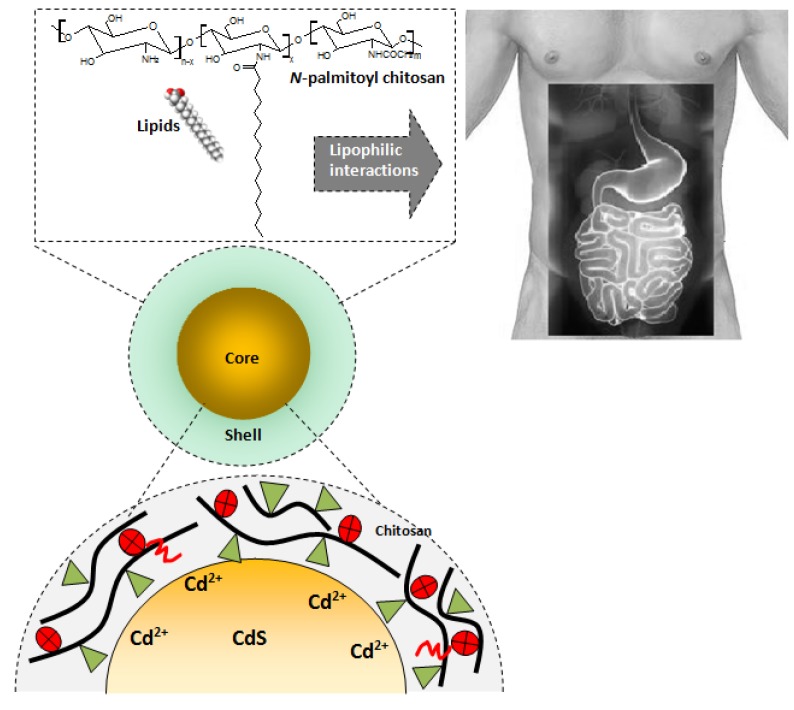
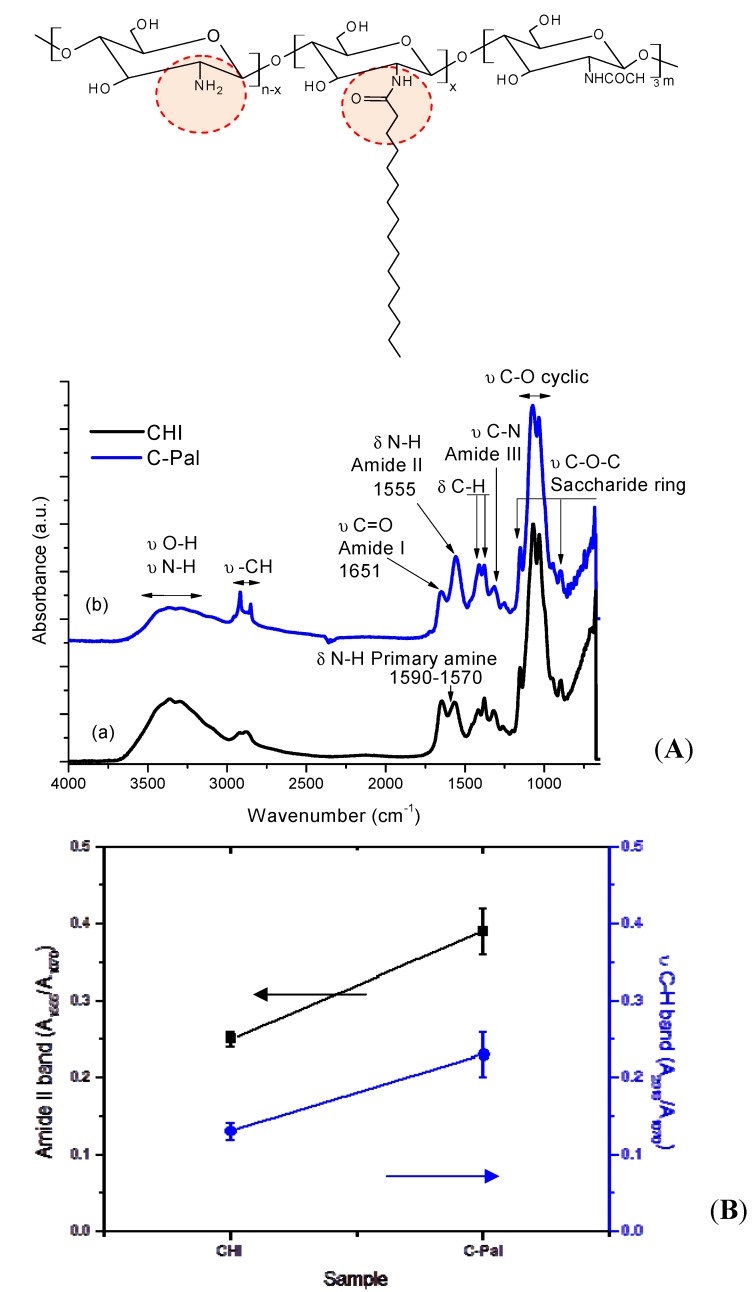
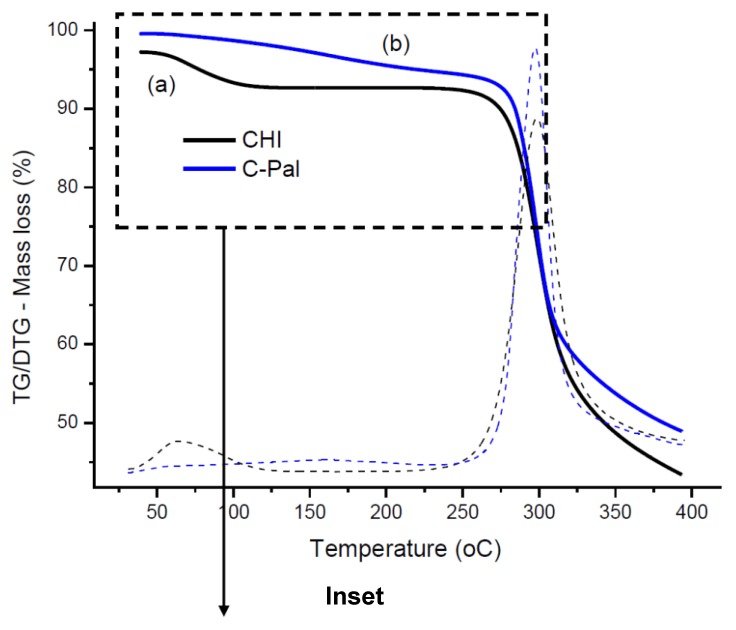
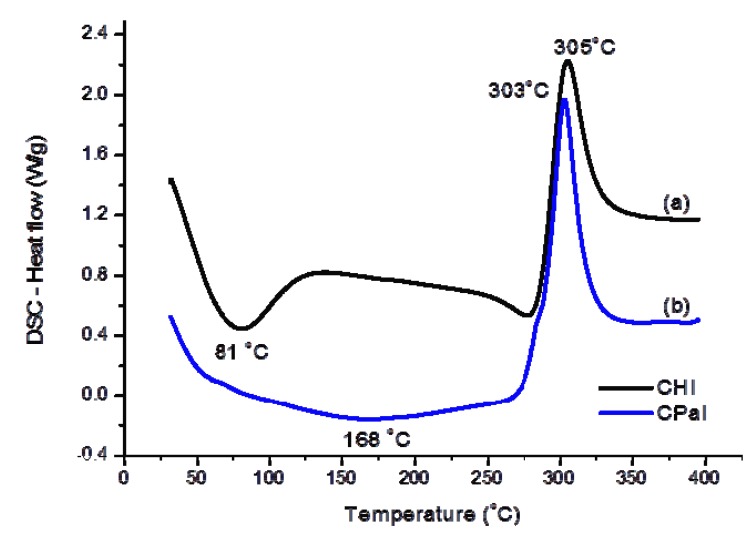
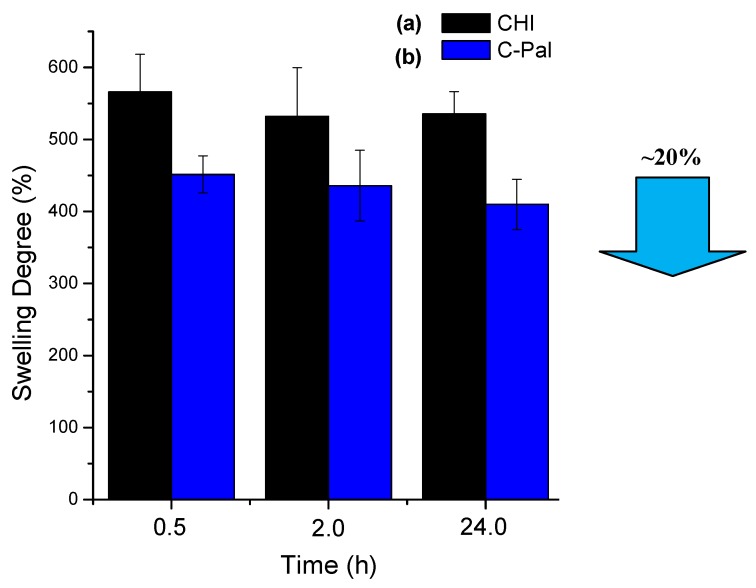
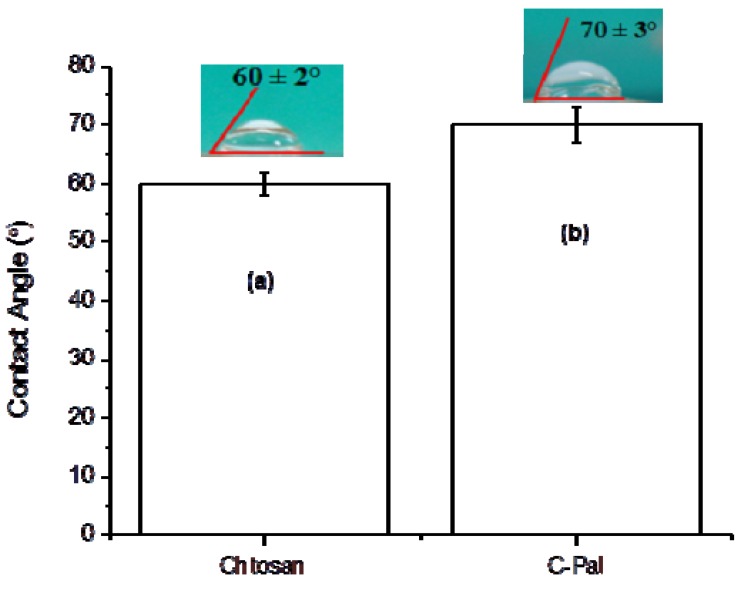
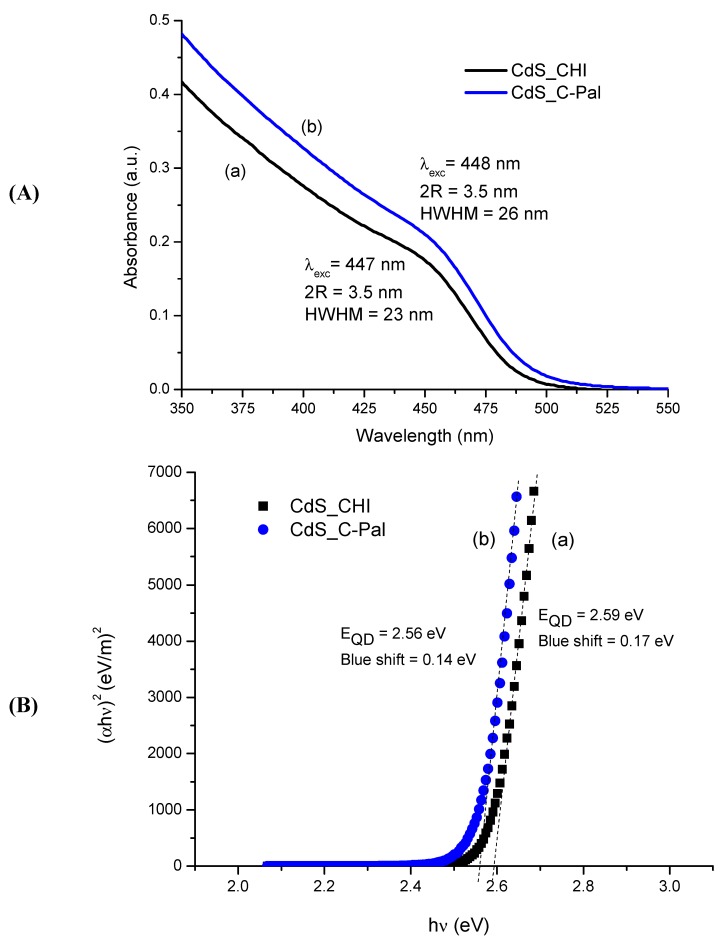
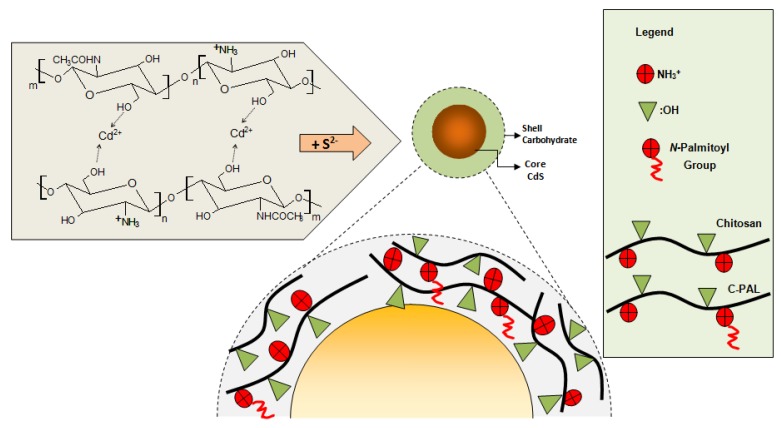
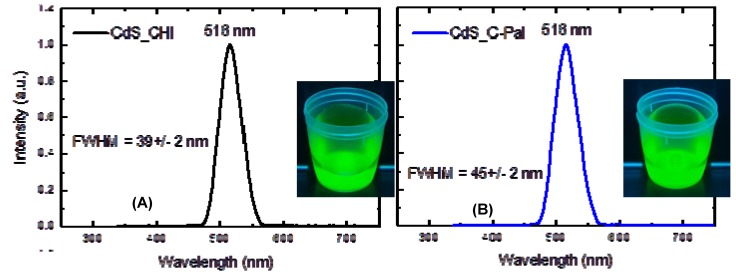
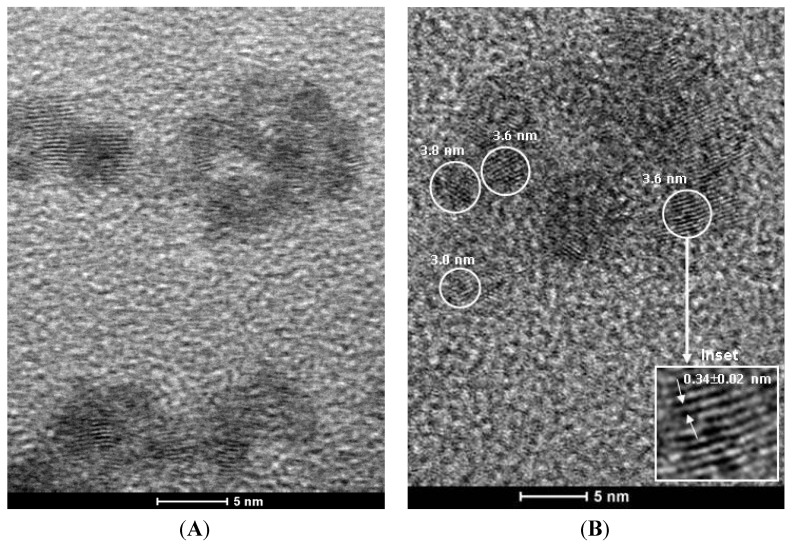
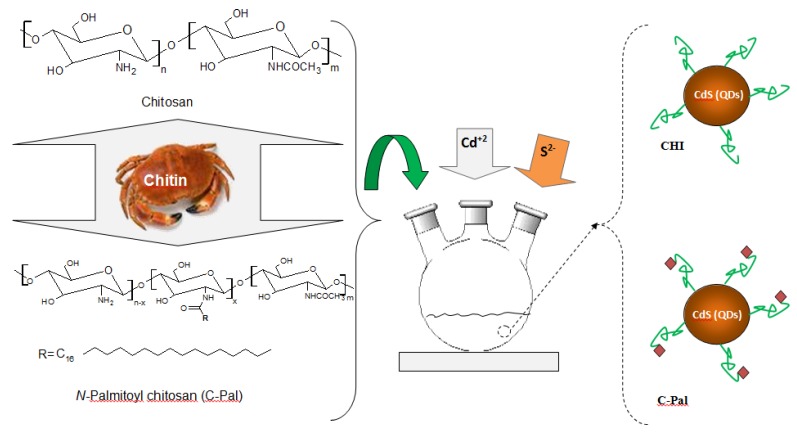
Carbohydrates and derivatives (such as glycolipids, glycoproteins) are of critical importance for cell structure, metabolism and functions. The effects of carbohydrate and lipid metabolic imbalances most often cause health disorders and diseases. In this study, new carbohydrate-based nanobioconjugates were designed and synthesized at room temperature using a single-step aqueous route combining chitosan and acyl-modified chitosan with fluorescent inorganic nanoparticles. N-palmitoyl chitosan (C-Pal) was prepared aiming at altering the lipophilic behavior of chitosan (CHI), but also retaining its reasonable water solubility for potential biomedical applications. CHI and C-Pal were used for producing biofunctionalized CdS quantum dots (QDs) as colloidal water dispersions. Fourier transform infrared spectroscopy (FTIR), thermal analysis (TG/DSC), surface contact angle (SCA), and degree of swelling (DS) in phosphate buffer were used to characterize the carbohydrates. Additionally, UV-Visible spectroscopy (UV-Vis), photoluminescence spectroscopy (PL), dynamic light scattering (DLS), scanning and transmission electron microscopy (SEM/TEM) were used to evaluate the precursors and nanobioconjugates produced. The FTIR spectra associated with the thermal analysis results have undoubtedly indicated the presence of N-palmitoyl groups "grafted" to the chitosan chain (C-Pal) which significantly altered its behavior towards water swelling and surface contact angle as compared to the unmodified chitosan. Furthermore, the results have evidenced that both CHI and C-Pal performed as capping ligands on nucleating and stabilizing colloidal CdS QDs with estimated average size below 3.5 nm and fluorescent activity in the visible range of the spectra. Therefore, an innovative "one-step" process was developed via room temperature aqueous colloidal chemistry for producing biofunctionalized quantum dots using water soluble carbohydrates tailored with amphiphilic behavior offering potential applications as fluorescent biomarkers in the investigation of glycoconjugates for the nutrition, biology, pharmaceutical, and medicine fields.

摘要

碳水化合物及其衍生物(如糖脂、糖蛋白)对细胞结构、代谢和功能至关重要。碳水化合物和脂质代谢失衡的影响通常会导致健康障碍和疾病。在这项研究中,设计并合成了新型基于碳水化合物的纳米生物缀合物,在室温下使用单步水相途径,将壳聚糖和酰基修饰的壳聚糖与荧光无机纳米粒子结合。N-棕榈酰壳聚糖(C-Pal)的制备旨在改变壳聚糖(CHI)的亲脂性行为,但同时保留其在潜在生物医学应用中的合理水溶性。CHI 和 C-Pal 用于制备生物功能化的 CdS 量子点(QD)作为胶体水分散体。傅里叶变换红外光谱(FTIR)、热分析(TG/DSC)、表面接触角(SCA)和在磷酸盐缓冲液中的溶胀度(DS)用于表征碳水化合物。此外,还使用紫外可见光谱(UV-Vis)、光致发光光谱(PL)、动态光散射(DLS)、扫描和透射电子显微镜(SEM/TEM)来评估所制备的前驱体和纳米生物缀合物。与热分析结果相关的 FTIR 光谱无疑表明存在“接枝”到壳聚糖链上的 N-棕榈酰基团(C-Pal),与未修饰的壳聚糖相比,它显著改变了其对水膨胀和表面接触角的行为。此外,结果表明,CHI 和 C-Pal 都可以作为成核和稳定胶体 CdS QD 的配体,其平均尺寸估计小于 3.5nm,在可见光谱范围内具有荧光活性。因此,通过室温下的水相胶体化学开发了一种创新的“一步法”工艺,用于使用具有两亲性的水溶性碳水化合物来制备生物功能化的量子点,该工艺具有潜在的应用前景,可作为营养、生物学、制药和医学领域中糖缀合物研究的荧光生物标志物。
https://cdn.ncbi.nlm.nih.gov/pmc/blobs/5145/6269993/f89ceacfd867/molecules-18-06550-g012.jpg
https://cdn.ncbi.nlm.nih.gov/pmc/blobs/5145/6269993/da12dab9ba96/molecules-18-06550-g001.jpg
https://cdn.ncbi.nlm.nih.gov/pmc/blobs/5145/6269993/4327641086e6/molecules-18-06550-g002.jpg
https://cdn.ncbi.nlm.nih.gov/pmc/blobs/5145/6269993/2270744df0a4/molecules-18-06550-g003a.jpg
https://cdn.ncbi.nlm.nih.gov/pmc/blobs/5145/6269993/cc1088439627/molecules-18-06550-g004.jpg
https://cdn.ncbi.nlm.nih.gov/pmc/blobs/5145/6269993/826783a156c7/molecules-18-06550-g005.jpg
https://cdn.ncbi.nlm.nih.gov/pmc/blobs/5145/6269993/45fc9f3c9516/molecules-18-06550-g006.jpg
https://cdn.ncbi.nlm.nih.gov/pmc/blobs/5145/6269993/96e94454e38e/molecules-18-06550-g007.jpg
https://cdn.ncbi.nlm.nih.gov/pmc/blobs/5145/6269993/f9cb430f83b2/molecules-18-06550-g008.jpg
https://cdn.ncbi.nlm.nih.gov/pmc/blobs/5145/6269993/ce874d37cd2b/molecules-18-06550-g009.jpg
https://cdn.ncbi.nlm.nih.gov/pmc/blobs/5145/6269993/236f9db72c82/molecules-18-06550-g010.jpg
https://cdn.ncbi.nlm.nih.gov/pmc/blobs/5145/6269993/52c248d34ff2/molecules-18-06550-g011.jpg
https://cdn.ncbi.nlm.nih.gov/pmc/blobs/5145/6269993/f89ceacfd867/molecules-18-06550-g012.jpg
https://cdn.ncbi.nlm.nih.gov/pmc/blobs/5145/6269993/da12dab9ba96/molecules-18-06550-g001.jpg
https://cdn.ncbi.nlm.nih.gov/pmc/blobs/5145/6269993/4327641086e6/molecules-18-06550-g002.jpg
https://cdn.ncbi.nlm.nih.gov/pmc/blobs/5145/6269993/2270744df0a4/molecules-18-06550-g003a.jpg
https://cdn.ncbi.nlm.nih.gov/pmc/blobs/5145/6269993/cc1088439627/molecules-18-06550-g004.jpg
https://cdn.ncbi.nlm.nih.gov/pmc/blobs/5145/6269993/826783a156c7/molecules-18-06550-g005.jpg
https://cdn.ncbi.nlm.nih.gov/pmc/blobs/5145/6269993/45fc9f3c9516/molecules-18-06550-g006.jpg
https://cdn.ncbi.nlm.nih.gov/pmc/blobs/5145/6269993/96e94454e38e/molecules-18-06550-g007.jpg
https://cdn.ncbi.nlm.nih.gov/pmc/blobs/5145/6269993/f9cb430f83b2/molecules-18-06550-g008.jpg
https://cdn.ncbi.nlm.nih.gov/pmc/blobs/5145/6269993/ce874d37cd2b/molecules-18-06550-g009.jpg
https://cdn.ncbi.nlm.nih.gov/pmc/blobs/5145/6269993/236f9db72c82/molecules-18-06550-g010.jpg
https://cdn.ncbi.nlm.nih.gov/pmc/blobs/5145/6269993/52c248d34ff2/molecules-18-06550-g011.jpg
https://cdn.ncbi.nlm.nih.gov/pmc/blobs/5145/6269993/f89ceacfd867/molecules-18-06550-g012.jpg

相似文献

1
One-step biofunctionalization of quantum dots with chitosan and N-palmitoyl chitosan for potential biomedical applications.一步法将壳聚糖和 N-棕榈酰壳聚糖生物功能化量子点,用于潜在的生物医学应用。
Molecules. 2013 Jun 4;18(6):6550-72. doi: 10.3390/molecules18066550.
2
Bioconjugation of quantum-dots with chitosan and N,N,N-trimethyl chitosan.量子点与壳聚糖和 N,N,N-三甲基壳聚糖的偶联。
Carbohydr Polym. 2012 Sep 1;90(1):189-96. doi: 10.1016/j.carbpol.2012.05.022. Epub 2012 May 11.
3
Surface modified fluorescent quantum dots with neurotransmitter ligands for potential targeting of cell signaling applications.表面修饰的具有神经递质配体的荧光量子点,用于潜在的靶向细胞信号转导应用。
Colloids Surf B Biointerfaces. 2013 Nov 1;111:60-70. doi: 10.1016/j.colsurfb.2013.05.030. Epub 2013 May 25.
4
Bioengineered quantum dot/chitosan-tripeptide nanoconjugates for targeting the receptors of cancer cells.用于靶向癌细胞受体的生物工程量子点/壳聚糖-三肽纳米共轭物。
Int J Biol Macromol. 2016 Jan;82:780-9. doi: 10.1016/j.ijbiomac.2015.10.047. Epub 2015 Oct 21.
5
Functionalized-chitosan/quantum dot nano-hybrids for nanomedicine applications: towards biolabeling and biosorbing phosphate metabolites.用于纳米医学应用的功能化壳聚糖/量子点纳米杂化物:用于生物标记和生物吸附磷酸盐代谢物
J Mater Chem B. 2013 Mar 28;1(12):1696-1711. doi: 10.1039/c3tb00498h. Epub 2013 Feb 7.
6
Quantum dot/glycol chitosan fluorescent nanoconjugates.量子点/乙二醇壳聚糖荧光纳米共轭物
Nanoscale Res Lett. 2015 Apr 10;10:172. doi: 10.1186/s11671-015-0879-2. eCollection 2015.
7
Carboxymethyl chitosan functionalization of Bi2S3 quantum dots: Towards eco-friendly fluorescent core-shell nanoprobes.羧甲基壳聚糖功能化 Bi2S3 量子点:迈向环保型荧光核壳纳米探针。
Carbohydr Polym. 2016 Aug 1;146:455-66. doi: 10.1016/j.carbpol.2016.03.062. Epub 2016 Mar 22.
8
The fluorescent interactions between amphiphilic chitosan derivatives and water-soluble quantum dots.两亲性壳聚糖衍生物与水溶性量子点之间的荧光相互作用。
Spectrochim Acta A Mol Biomol Spectrosc. 2016 Jan 5;152:343-51. doi: 10.1016/j.saa.2015.07.068. Epub 2015 Jul 14.
9
Highly luminescent chitosan-L-cysteine functionalized CdTe quantum dots film: synthesis and characterization.壳聚糖-L-半胱氨酸功能化的碲化镉量子点高荧光薄膜的制备与表征。
Carbohydr Polym. 2013 Sep 12;97(2):327-34. doi: 10.1016/j.carbpol.2013.04.056. Epub 2013 May 15.
10
Fluorescent nanohybrids based on quantum dot-chitosan-antibody as potential cancer biomarkers.基于量子点-壳聚糖-抗体的荧光纳米杂合体作为潜在的癌症生物标志物。
ACS Appl Mater Interfaces. 2014 Jul 23;6(14):11403-12. doi: 10.1021/am5019989. Epub 2014 Jul 3.

引用本文的文献

1
Chitosan-CdS Quantum Dots Biohybrid for Highly Selective Interaction with Copper(II) Ions.用于与铜(II)离子进行高选择性相互作用的壳聚糖 - 硫化镉量子点生物杂化物
ACS Omega. 2022 Jun 7;7(24):21014-21024. doi: 10.1021/acsomega.2c01793. eCollection 2022 Jun 21.
2
A Fibrinogen-Mimicking, Activated-Platelet-Sensitive Nanocoacervate Enhances Thrombus Targeting and Penetration of Tissue Plasminogen Activator for Effective Thrombolytic Therapy.一种纤维蛋白原模拟物,激活血小板敏感的纳米凝聚体增强组织型纤溶酶原激活剂的血栓靶向和穿透作用,实现有效的溶栓治疗。
Adv Healthc Mater. 2022 Oct;11(19):e2201265. doi: 10.1002/adhm.202201265. Epub 2022 Jul 31.
3

本文引用的文献

1
Functionalized-chitosan/quantum dot nano-hybrids for nanomedicine applications: towards biolabeling and biosorbing phosphate metabolites.用于纳米医学应用的功能化壳聚糖/量子点纳米杂化物:用于生物标记和生物吸附磷酸盐代谢物
J Mater Chem B. 2013 Mar 28;1(12):1696-1711. doi: 10.1039/c3tb00498h. Epub 2013 Feb 7.
2
Emission Spectral Properties of Cadmium Sulfide Nanoparticles with Multiphoton Excitation.硫化镉纳米颗粒多光子激发的发射光谱特性
J Phys Chem B. 2002 May;106(21):5365-5370. doi: 10.1021/jp0134953. Epub 2002 Apr 25.
3
Bioconjugation of quantum-dots with chitosan and N,N,N-trimethyl chitosan.
Glycol-Chitosan-Based Technetium-99m-Loaded Multifunctional Nanomicelles: Synthesis, Evaluation, and In Vivo Biodistribution.
基于乙二醇壳聚糖的载有锝-99m的多功能纳米胶束:合成、评估及体内生物分布
Nanomaterials (Basel). 2022 Jun 27;12(13):2198. doi: 10.3390/nano12132198.
4
Recent Developments in Chitosan-Based Adsorbents for the Removal of Pollutants from Aqueous Environments.壳聚糖基吸附剂在去除水环境污染物方面的最新进展。
Molecules. 2021 Jan 23;26(3):594. doi: 10.3390/molecules26030594.
5
Fluorescent Submicron-Sized Poly(heptafluoro--butyl methacrylate) Particles with Long-Term Stability.具有长期稳定性的荧光亚微米级聚(七氟丁基甲基丙烯酸酯)粒子。
Molecules. 2020 Apr 25;25(9):2013. doi: 10.3390/molecules25092013.
6
Quantum dot/glycol chitosan fluorescent nanoconjugates.量子点/乙二醇壳聚糖荧光纳米共轭物
Nanoscale Res Lett. 2015 Apr 10;10:172. doi: 10.1186/s11671-015-0879-2. eCollection 2015.
7
One-step colloidal synthesis of biocompatible water-soluble ZnS quantum dot/chitosan nanoconjugates.一步法胶体合成生物相容性水溶性 ZnS 量子点/壳聚糖纳米复合物。
Nanoscale Res Lett. 2013 Dec 5;8(1):512. doi: 10.1186/1556-276X-8-512.
量子点与壳聚糖和 N,N,N-三甲基壳聚糖的偶联。
Carbohydr Polym. 2012 Sep 1;90(1):189-96. doi: 10.1016/j.carbpol.2012.05.022. Epub 2012 May 11.
4
Chitosan oligosaccharide-arachidic acid-based nanoparticles for anti-cancer drug delivery.基于壳寡糖-花生酸的纳米粒子用于抗癌药物递送。
Int J Pharm. 2013 Jan 30;441(1-2):373-80. doi: 10.1016/j.ijpharm.2012.11.018. Epub 2012 Nov 19.
5
Study of carbohydrate-protein interactions using glyco-QDs with different fluorescence emission wavelengths.使用具有不同荧光发射波长的糖基 QD 研究碳水化合物-蛋白质相互作用。
Carbohydr Res. 2012 Nov 1;361:189-94. doi: 10.1016/j.carres.2012.08.018. Epub 2012 Sep 5.
6
Quantum dot impregnated-chitosan film for heavy metal ion sensing and removal.量子点浸渍壳聚糖薄膜用于重金属离子传感和去除。
Langmuir. 2012 Nov 6;28(44):15687-96. doi: 10.1021/la3027573. Epub 2012 Oct 22.
7
Improvement of drug safety by the use of lipid-based nanocarriers.通过使用基于脂质的纳米载体来改善药物安全性。
J Control Release. 2012 Oct 10;163(1):34-45. doi: 10.1016/j.jconrel.2012.06.002. Epub 2012 Jun 12.
8
Core/shell nanoparticles: classes, properties, synthesis mechanisms, characterization, and applications.核/壳纳米粒子:类别、性质、合成机制、表征及应用
Chem Rev. 2012 Apr 11;112(4):2373-433. doi: 10.1021/cr100449n. Epub 2011 Dec 28.
9
Enzyme-polymers conjugated to quantum-dots for sensing applications.酶-聚合物偶联量子点用于传感应用。
Sensors (Basel). 2011;11(10):9951-72. doi: 10.3390/s111009951. Epub 2011 Oct 21.
10
Biomolecule-quantum dot systems for bioconjugation applications.用于生物缀合应用的生物分子 - 量子点系统。
Colloids Surf B Biointerfaces. 2011 Jun 1;84(2):360-8. doi: 10.1016/j.colsurfb.2011.01.027. Epub 2011 Feb 25.