Laboratory of Molecular Carcinogenesis, National Institute of Environmental Health Sciences, NIH, Research Triangle Park, NC 27709, USA.
Mediators Inflamm. 2013;2013:641851. doi: 10.1155/2013/641851. Epub 2013 May 13.
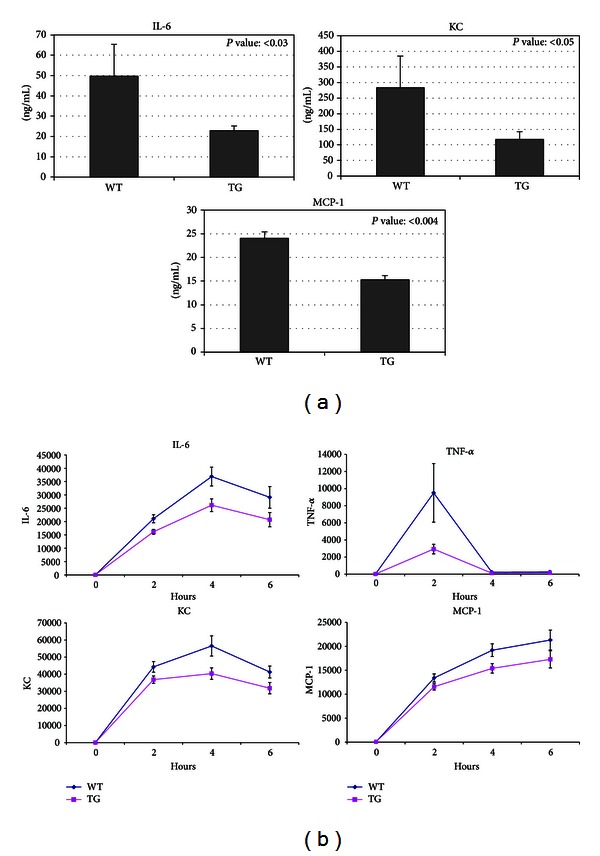
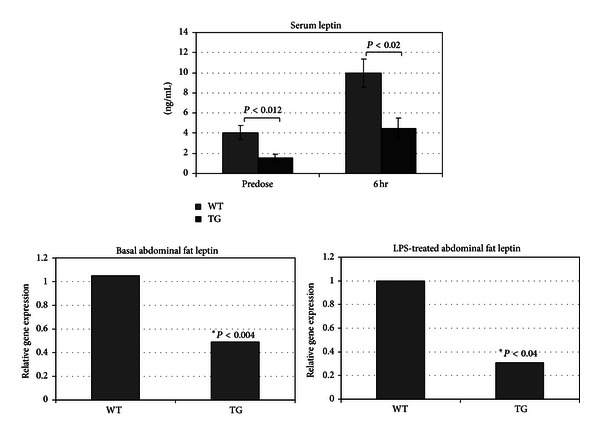
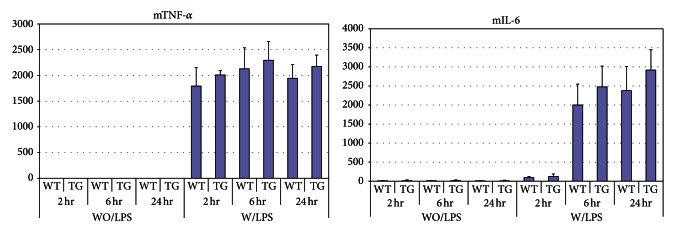
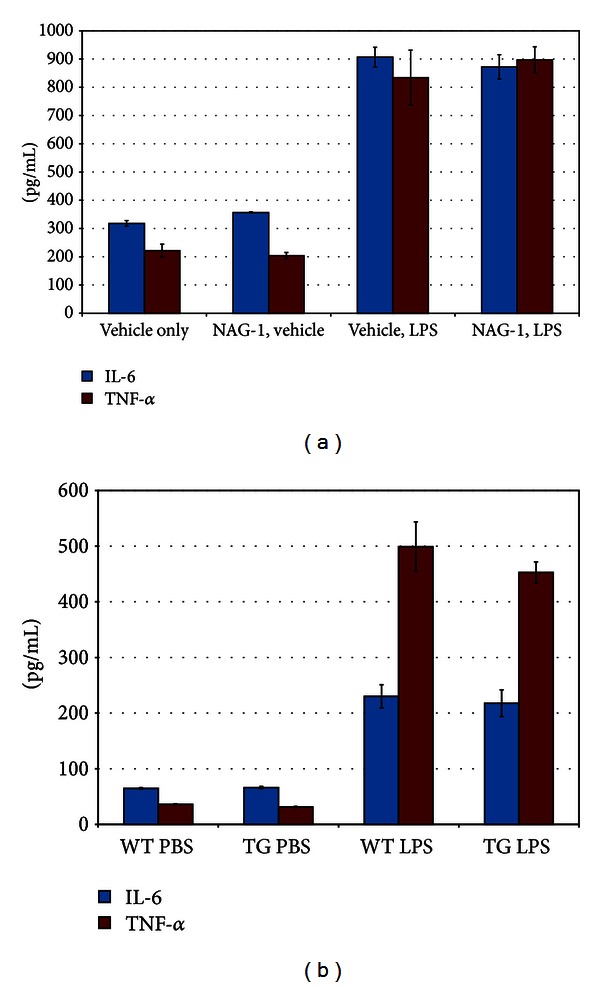
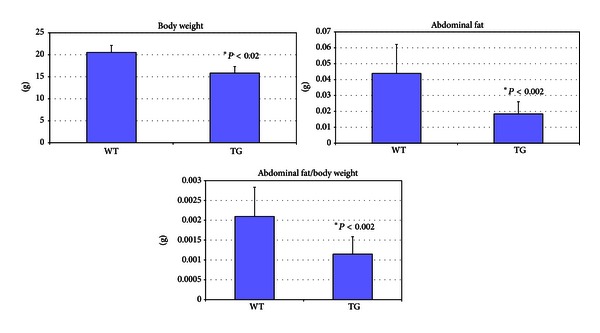
NAG-1/GDF15 is a TGF- β superfamily member with poorly characterized biological activity proposed to inhibit inflammatory cytokine production. Transgenic mice expressing human NAG-1/GDF15 (NAG-1 (Tg/Lox) ) are leaner with lower body weight and are resistant to chemically or genetically induced intestinal tumors. Because of the link between obesity, inflammation, and cancer, we examined whether these mice exhibit a reduced response to inflammatory stimuli. The NAG-1 (Tg/Lox) mice had a reduced inflammatory response to LPS based on the serum levels of cytokines KC, IL-6, MCP-1, and TNF α . In contrast to literature reports and our in vivo results, NAG-1 did not inhibit LPS-induced cytokine expression in vitro in RAW264.7 cells, mouse peritoneal macrophages, or mouse liver Kupffer cells, suggesting that NAG-1/GDF15 does not directly inhibit LPS-induced inflammatory cytokine production. However, NAG-1 (Tg/Lox) mice have less white adipose tissue, the major source of inflammatory adipokines including leptin. Basal and LPS-treated serum leptin and mRNA levels in the adipose tissue of NAG-1 (Tg/Lox) mice were lower than those in WT mice. We propose that the reduced white adipose tissue and reduced leptin expression may be responsible, in part, for the reduced inflammatory response to LPS and the decrease in intestinal tumors observed in NAG-1 (Tg/Lox) mice.
NAG-1/GDF15 是 TGF-β 超家族成员,其生物学活性特征不明显,据推测可抑制炎症细胞因子的产生。表达人 NAG-1/GDF15 的转基因小鼠(NAG-1(Tg/Lox))体型更瘦,体重更低,并且对化学或基因诱导的肠道肿瘤具有抗性。鉴于肥胖、炎症和癌症之间存在关联,我们研究了这些小鼠是否表现出对炎症刺激的反应降低。基于 KC、IL-6、MCP-1 和 TNF-α 等细胞因子的血清水平,NAG-1(Tg/Lox)小鼠对 LPS 的炎症反应降低。与文献报道和我们的体内结果相反,NAG-1 并未在体外 RAW264.7 细胞、小鼠腹腔巨噬细胞或小鼠肝枯否细胞中抑制 LPS 诱导的细胞因子表达,这表明 NAG-1/GDF15 不会直接抑制 LPS 诱导的炎症细胞因子产生。然而,NAG-1(Tg/Lox)小鼠的白色脂肪组织较少,而白色脂肪组织是包括瘦素在内的炎症脂肪因子的主要来源。NAG-1(Tg/Lox)小鼠的基础和 LPS 处理后的血清瘦素水平以及脂肪组织中的瘦素 mRNA 水平均低于 WT 小鼠。我们提出,白色脂肪组织减少和瘦素表达降低可能部分导致了 NAG-1(Tg/Lox)小鼠对 LPS 的炎症反应降低和肠道肿瘤减少。