The Gabriele Bartoli Brain Tumor Research Laboratory, Department of Neurological Surgery, The Neurological Institute, Columbia University College of Physicians and Surgeons, New York City, NY 10032, USA.
J Oncol. 2013;2013:486912. doi: 10.1155/2013/486912. Epub 2013 May 8.
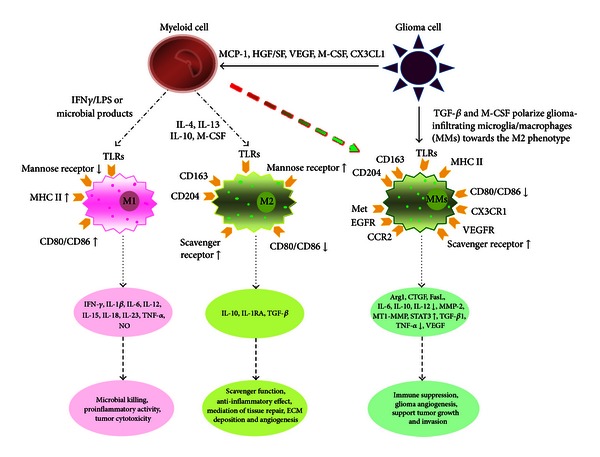
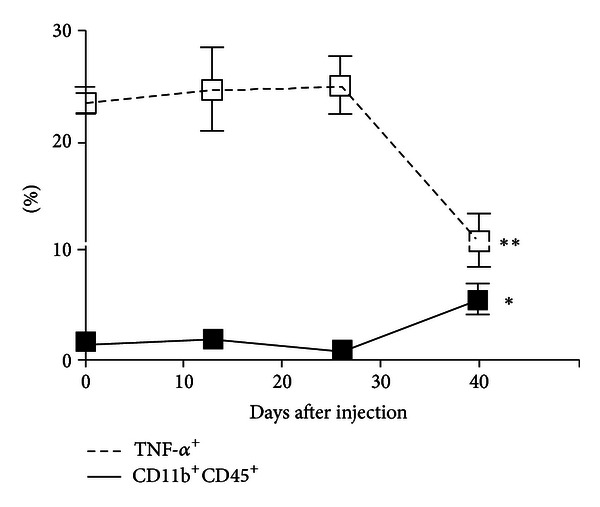
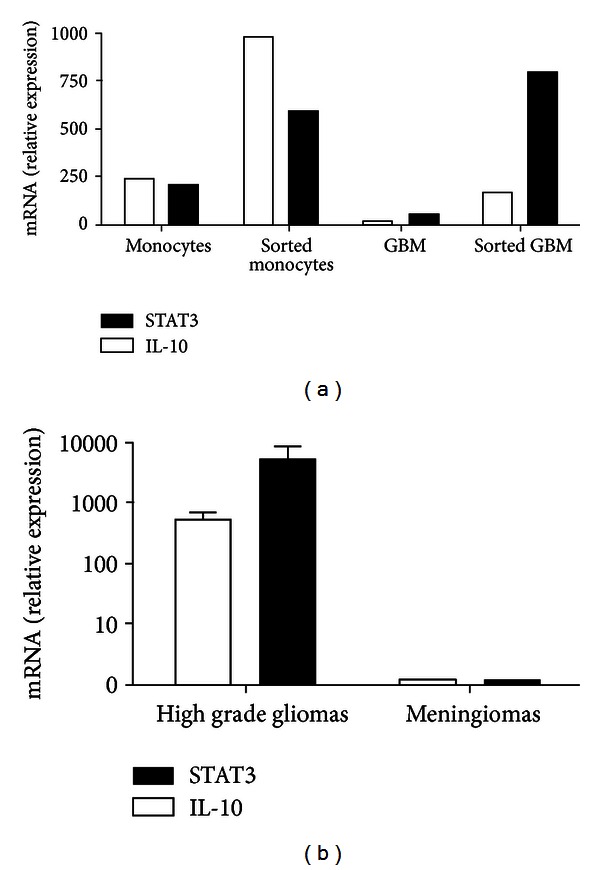
Tumor-associated macrophages (TAMs) contribute substantially to the tumor mass of gliomas and have been shown to play a major role in the creation of a tumor microenvironment that promotes tumor progression. Shortcomings of attempts at antiglioma immunotherapy may result from a failure to adequately address these effects. Emerging evidence supports an independent categorization of glioma TAMs as alternatively activated M2-type macrophages, in contrast to classically activated proinflammatory M1-type macrophages. These M2-type macrophages exert glioma-supportive effects through reduced anti-tumor functions, increased expression of immunosuppressive mediators, and nonimmune tumor promotion through expression of trophic and invasion-facilitating substances. Much of our work has demonstrated these features of glioma TAMs, and together with the supporting literature will be reviewed here. Additionally, the dynamics of glioma cell-TAM interaction over the course of tumor development remain poorly understood; our efforts to elucidate glioma cell-TAM dynamics are summarized. Finally, the molecular pathways which underlie M2-type TAM polarization and gene expression similarly require further investigation, and may present the most potent targets for immunotherapeutic intervention. Highlighting recent evidence implicating the transcription factor STAT3 in immunosuppressive tumorigenic glioma TAMs, we advocate for gene array-based approaches to identify yet unappreciated expression regulators and effector molecules important to M2-type glioma TAMs polarization and function within the glioma tumor microenvironment.
肿瘤相关巨噬细胞(TAMs)在神经胶质瘤肿瘤块中起重要作用,并被证实可在促进肿瘤进展的肿瘤微环境中发挥主要作用。抗神经胶质瘤免疫疗法的不足之处可能源于未能充分解决这些影响。新出现的证据支持将神经胶质瘤 TAMs 作为独立的、替代性激活的 M2 型巨噬细胞进行分类,而不是经典激活的促炎 M1 型巨噬细胞。这些 M2 型巨噬细胞通过降低抗肿瘤功能、增加免疫抑制介质的表达以及通过表达营养和促进侵袭的物质来促进非免疫肿瘤的发生,从而发挥神经胶质瘤支持作用。我们的大部分工作都证明了神经胶质瘤 TAMs 的这些特征,并且将与支持文献一起进行综述。此外,胶质瘤细胞-TAM 相互作用在肿瘤发展过程中的动态仍然知之甚少;我们总结了阐明胶质瘤细胞-TAM 动态的努力。最后,M2 型 TAM 极化和基因表达的分子途径同样需要进一步研究,并且可能成为免疫治疗干预的最有效靶点。强调最近的证据表明转录因子 STAT3 参与了免疫抑制性致瘤性神经胶质瘤 TAMs,我们主张采用基于基因阵列的方法来鉴定尚未被认识到的表达调节剂和效应分子,这些分子对于 M2 型神经胶质瘤 TAMs 极化和在神经胶质瘤肿瘤微环境中的功能很重要。