• 文献检索
  • 文档翻译
  • 深度研究
  • 学术资讯
  • Suppr Zotero 插件Zotero 插件
  • 邀请有礼
  • 套餐&价格
  • 历史记录
应用&插件
Suppr Zotero 插件Zotero 插件浏览器插件Mac 客户端Windows 客户端微信小程序
定价
高级版会员购买积分包购买API积分包
服务
文献检索文档翻译深度研究API 文档MCP 服务
关于我们
关于 Suppr公司介绍联系我们用户协议隐私条款
关注我们

Suppr 超能文献

核心技术专利:CN118964589B侵权必究
粤ICP备2023148730 号-1Suppr @ 2026

文献检索

告别复杂PubMed语法,用中文像聊天一样搜索,搜遍4000万医学文献。AI智能推荐,让科研检索更轻松。

立即免费搜索

文件翻译

保留排版,准确专业,支持PDF/Word/PPT等文件格式,支持 12+语言互译。

免费翻译文档

深度研究

AI帮你快速写综述,25分钟生成高质量综述,智能提取关键信息,辅助科研写作。

立即免费体验

基于 M2 样肿瘤相关巨噬细胞靶向纳米复合物的肿瘤微环境重塑与肿瘤治疗。

Tumor microenvironment remodeling and tumor therapy based on M2-like tumor associated macrophage-targeting nano-complexes.

机构信息

College of Chemistry, Chemical Engineering and Resource Utilization, Northeast Forestry University. Harbin 150040, P. R. China.

Key Laboratory of Green Process and Engineering, State Key Laboratory of Biochemical Engineering, Institute of Process Engineering, Chinese Academy of Sciences, Beijing 100190, P.R. China.

出版信息

Theranostics. 2021 Jan 1;11(6):2892-2916. doi: 10.7150/thno.50928. eCollection 2021.

DOI:10.7150/thno.50928
PMID:33456579
原文链接:https://pmc.ncbi.nlm.nih.gov/articles/PMC7806477/
Abstract

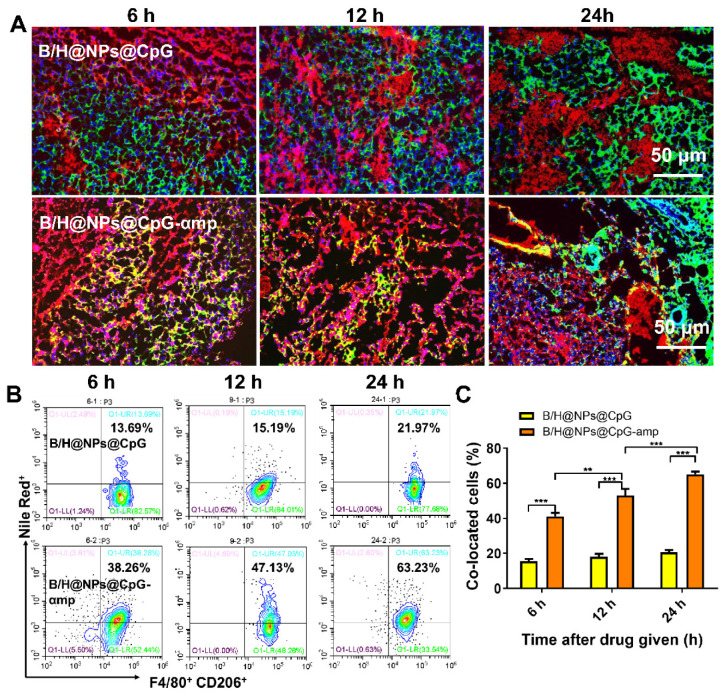
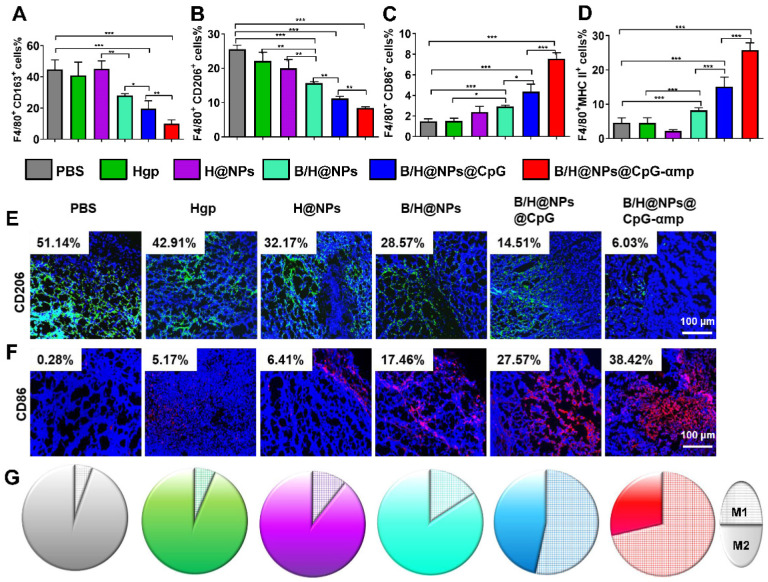
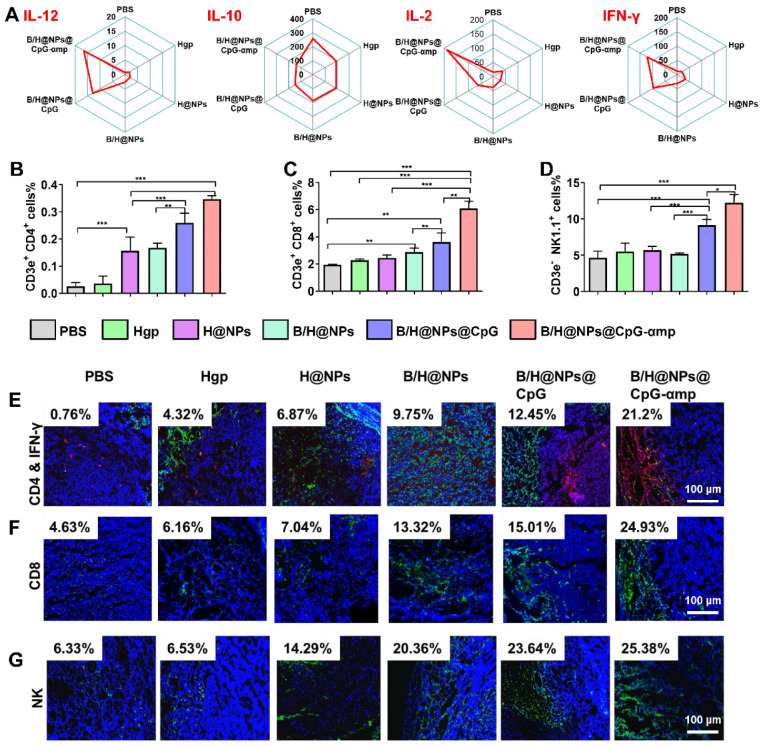
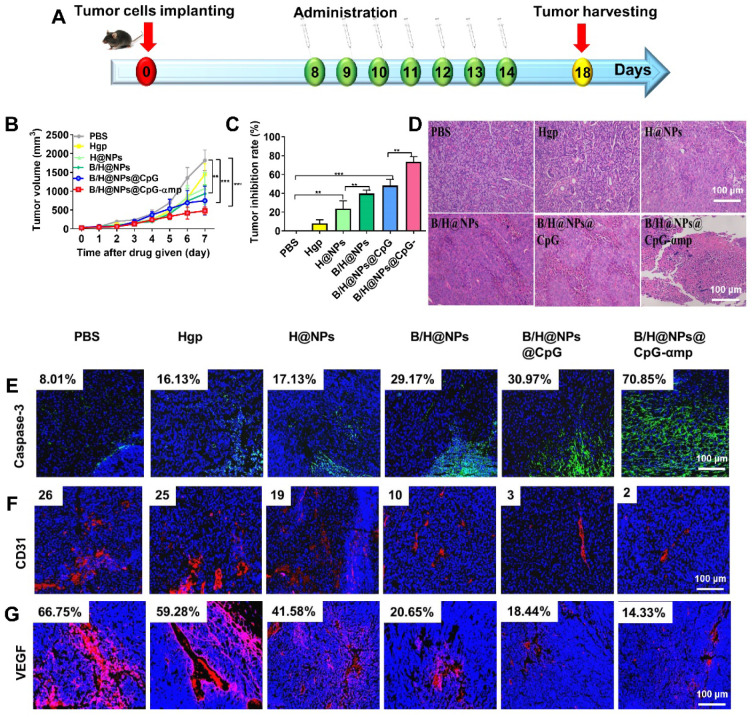
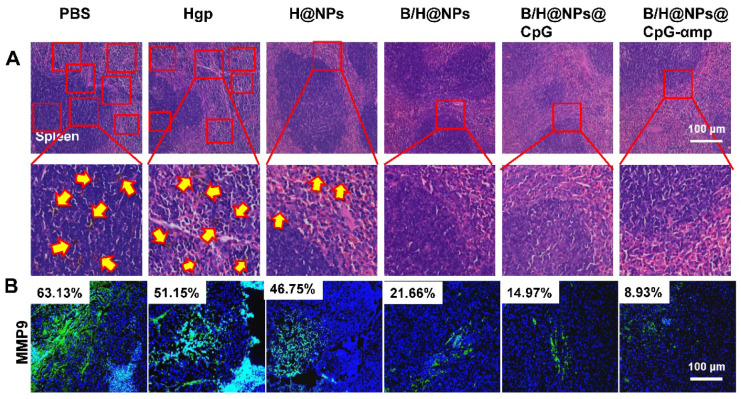
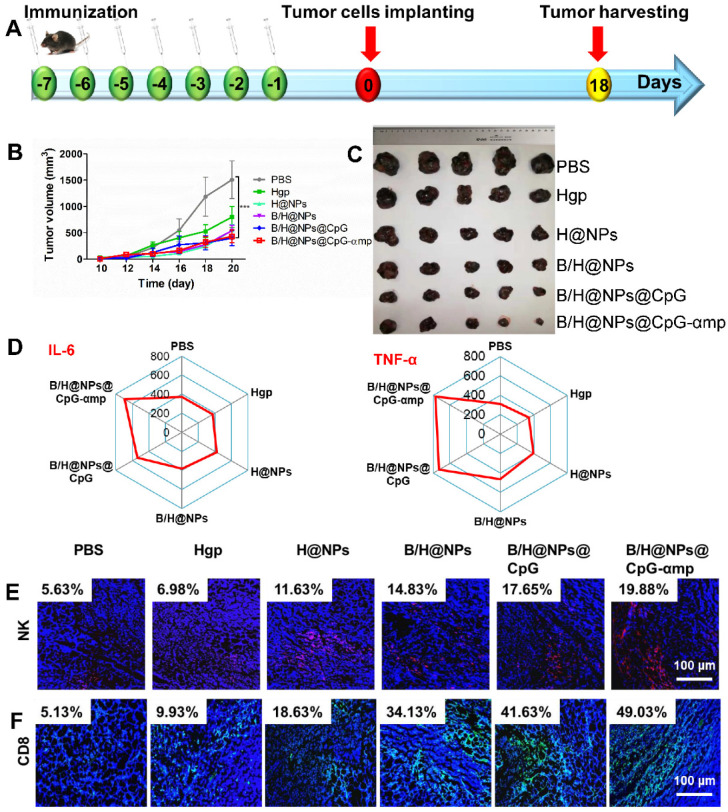
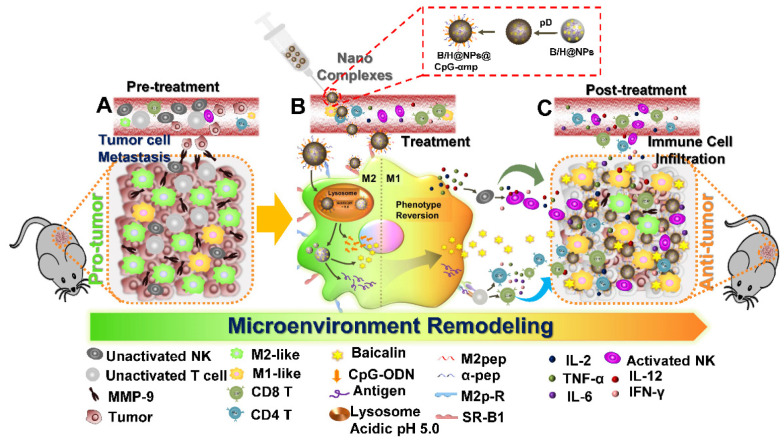
Among the many immunosuppressive cells in the tumor microenvironment, tumor-associated-macrophages (TAMs) are well known to contribute to tumor development. TAMs can be conditioned (polarized) to transition between classical M1-like macrophages, or alternatively to M2-like macrophages. Both are regulated by signaling molecules in the microenvironment. M1-like TAMs can secrete classic inflammatory cytokines that kill tumors by promoting tumor cell necrosis and immune cell infiltration into the tumor microenvironment. In contrast, M2-like TAMs exhibit powerful tumor-promoting functions, including degradation of tumor extracellular matrix, destruction of basement membrane, promotion of angiogenesis, and recruitment of immunosuppressor cells, all of which further promote tumor progression and distal metastasis. Therefore, remodeling the tumor microenvironment by reversing the TAM phenotype will be favorable for tumor therapy, especially immunotherapy. PLGA nanoparticles encapsulating baicalin and melanoma antigen Hgp peptide fragment 25-33 were fabricated using the ultrasonic double-emulsion technique. The nanoparticles were further loaded with CpG fragments and used conjugated M2pep and α-pep peptides on their surfaces to produce novel nano-complexes. The capability to target M2-like TAMs and anti-tumor immunotherapy effects of nano-complexes were evaluated by flow cytometry and confocal microscopy . We also investigated the survival and histopathology of murine melanoma models administrated with different nanocomplexes. Improvements in the tumor microenvironment for immune attack of melanoma-bearing mice were also assessed. The nano-complexes were effectively ingested by M2-like TAMs and , and the acidic lysosomal environment triggered the disintegration of polydopamine from the nanoparticle surface, which resulted in the release of the payloads. The released CpG played an important role in transforming the M2-like TAMs into the M1-like phenotype that further secreted inflammatory cytokines. The reversal of TAM released cytokines and gradually suppressed tumor angiogenesis, permitting the remodeling of the tumor microenvironment. Moreover, the activated TAMs also presented antigen to T cells, which further stimulated the antitumor immune response that inhibited tumor metastasis. Activated T cells released cytokines, which stimulated NK cell infiltration and directly resulted in killing tumor cells. The baicalin released by M1-like TAMs also killed tumor cells. The nano-complexes facilitated baicalin, antigen, and immunostimulant delivery to M2-like TAMs, which polarized and reversed the M2-like TAM phenotype and remodeled the tumor microenvironment to allow killing of tumor cells.

摘要

在肿瘤微环境中的许多免疫抑制细胞中,肿瘤相关巨噬细胞(TAMs)被认为有助于肿瘤的发展。TAMs 可以被调节(极化)以在经典的 M1 样巨噬细胞之间转换,或者转换为 M2 样巨噬细胞。两者都受到微环境中信号分子的调节。M1 样 TAMs 可以分泌经典的炎症细胞因子,通过促进肿瘤细胞坏死和免疫细胞浸润到肿瘤微环境中来杀死肿瘤。相比之下,M2 样 TAMs 表现出强大的肿瘤促进功能,包括肿瘤细胞外基质的降解、基底膜的破坏、血管生成的促进和免疫抑制细胞的募集,所有这些都进一步促进了肿瘤的进展和远处转移。因此,通过逆转 TAM 表型重塑肿瘤微环境有利于肿瘤治疗,特别是免疫治疗。

采用超声双乳液技术制备了包载黄芩苷和黑色素瘤抗原 Hgp 肽段 25-33 的 PLGA 纳米粒。进一步将纳米粒装载 CpG 片段,并在其表面接枝 M2pep 和α-pep 肽,制备新型纳米复合物。通过流式细胞术和共聚焦显微镜评估了纳米复合物靶向 M2 样 TAMs 和抗肿瘤免疫治疗作用。我们还研究了不同纳米复合物给药的荷瘤小鼠的生存和组织病理学情况。还评估了改善荷瘤小鼠肿瘤微环境对免疫攻击的效果。

纳米复合物被 M2 样 TAMs 有效摄取,并且酸性溶酶体环境触发了纳米颗粒表面聚多巴胺的崩解,导致载药的释放。释放的 CpG 在将 M2 样 TAMs 转化为分泌炎症细胞因子的 M1 样表型方面发挥了重要作用。TAM 释放的细胞因子的逆转和逐渐抑制肿瘤血管生成,允许重塑肿瘤微环境。此外,激活的 TAMs 还向 T 细胞呈递抗原,进一步刺激抗肿瘤免疫反应,抑制肿瘤转移。激活的 T 细胞释放细胞因子,刺激 NK 细胞浸润,并直接导致肿瘤细胞的杀伤。M1 样 TAMs 释放的黄芩苷也杀死了肿瘤细胞。

纳米复合物促进了黄芩苷、抗原和免疫刺激剂向 M2 样 TAMs 的递送,极化并逆转了 M2 样 TAM 表型,重塑了肿瘤微环境,从而杀死肿瘤细胞。
https://cdn.ncbi.nlm.nih.gov/pmc/blobs/7ef4/7806477/b802657d354b/thnov11p2892g011.jpg
https://cdn.ncbi.nlm.nih.gov/pmc/blobs/7ef4/7806477/cc05e3823f21/thnov11p2892g001.jpg
https://cdn.ncbi.nlm.nih.gov/pmc/blobs/7ef4/7806477/95dbedf5ccdf/thnov11p2892g002.jpg
https://cdn.ncbi.nlm.nih.gov/pmc/blobs/7ef4/7806477/370442b9af0c/thnov11p2892g003.jpg
https://cdn.ncbi.nlm.nih.gov/pmc/blobs/7ef4/7806477/604730e81f69/thnov11p2892g004.jpg
https://cdn.ncbi.nlm.nih.gov/pmc/blobs/7ef4/7806477/c8a0c7d01f87/thnov11p2892g005.jpg
https://cdn.ncbi.nlm.nih.gov/pmc/blobs/7ef4/7806477/fdc1fa6ab586/thnov11p2892g006.jpg
https://cdn.ncbi.nlm.nih.gov/pmc/blobs/7ef4/7806477/223adc342812/thnov11p2892g007.jpg
https://cdn.ncbi.nlm.nih.gov/pmc/blobs/7ef4/7806477/ea89557240bd/thnov11p2892g008.jpg
https://cdn.ncbi.nlm.nih.gov/pmc/blobs/7ef4/7806477/c613a62cf29b/thnov11p2892g009.jpg
https://cdn.ncbi.nlm.nih.gov/pmc/blobs/7ef4/7806477/490d75e74d17/thnov11p2892g010.jpg
https://cdn.ncbi.nlm.nih.gov/pmc/blobs/7ef4/7806477/b802657d354b/thnov11p2892g011.jpg
https://cdn.ncbi.nlm.nih.gov/pmc/blobs/7ef4/7806477/cc05e3823f21/thnov11p2892g001.jpg
https://cdn.ncbi.nlm.nih.gov/pmc/blobs/7ef4/7806477/95dbedf5ccdf/thnov11p2892g002.jpg
https://cdn.ncbi.nlm.nih.gov/pmc/blobs/7ef4/7806477/370442b9af0c/thnov11p2892g003.jpg
https://cdn.ncbi.nlm.nih.gov/pmc/blobs/7ef4/7806477/604730e81f69/thnov11p2892g004.jpg
https://cdn.ncbi.nlm.nih.gov/pmc/blobs/7ef4/7806477/c8a0c7d01f87/thnov11p2892g005.jpg
https://cdn.ncbi.nlm.nih.gov/pmc/blobs/7ef4/7806477/fdc1fa6ab586/thnov11p2892g006.jpg
https://cdn.ncbi.nlm.nih.gov/pmc/blobs/7ef4/7806477/223adc342812/thnov11p2892g007.jpg
https://cdn.ncbi.nlm.nih.gov/pmc/blobs/7ef4/7806477/ea89557240bd/thnov11p2892g008.jpg
https://cdn.ncbi.nlm.nih.gov/pmc/blobs/7ef4/7806477/c613a62cf29b/thnov11p2892g009.jpg
https://cdn.ncbi.nlm.nih.gov/pmc/blobs/7ef4/7806477/490d75e74d17/thnov11p2892g010.jpg
https://cdn.ncbi.nlm.nih.gov/pmc/blobs/7ef4/7806477/b802657d354b/thnov11p2892g011.jpg

相似文献

1
Tumor microenvironment remodeling and tumor therapy based on M2-like tumor associated macrophage-targeting nano-complexes.基于 M2 样肿瘤相关巨噬细胞靶向纳米复合物的肿瘤微环境重塑与肿瘤治疗。
Theranostics. 2021 Jan 1;11(6):2892-2916. doi: 10.7150/thno.50928. eCollection 2021.
2
Multifunctional biomimetic nanoparticles loading baicalin for polarizing tumor-associated macrophages.载黄芩苷的多功能仿生纳米粒子对肿瘤相关巨噬细胞的极化作用
Nanoscale. 2019 Nov 14;11(42):20206-20220. doi: 10.1039/c9nr03353j. Epub 2019 Oct 17.
3
Molecular-Targeted Immunotherapeutic Strategy for Melanoma via Dual-Targeting Nanoparticles Delivering Small Interfering RNA to Tumor-Associated Macrophages.通过向肿瘤相关巨噬细胞递送小干扰 RNA 的双靶向纳米粒子实现黑色素瘤的分子靶向免疫治疗策略。
ACS Nano. 2017 Sep 26;11(9):9536-9549. doi: 10.1021/acsnano.7b05465. Epub 2017 Sep 6.
4
Synthesis and evaluation of multivalent M2pep peptides for targeting alternatively activated M2 macrophages.用于靶向替代活化的M2巨噬细胞的多价M2pep肽的合成与评价
J Control Release. 2016 Feb 28;224:103-111. doi: 10.1016/j.jconrel.2015.12.057. Epub 2016 Jan 7.
5
Tumor microenvironment remodeling via targeted depletion of M2-like tumor-associated macrophages for cancer immunotherapy.通过靶向清除M2样肿瘤相关巨噬细胞重塑肿瘤微环境用于癌症免疫治疗
Acta Biomater. 2023 Apr 1;160:239-251. doi: 10.1016/j.actbio.2023.02.006. Epub 2023 Feb 11.
6
Tumor microenvironment-responsive macrophage-mediated immunotherapeutic drug delivery.肿瘤微环境响应性巨噬细胞介导的免疫治疗药物递送。
Acta Biomater. 2024 Sep 15;186:369-382. doi: 10.1016/j.actbio.2024.07.042. Epub 2024 Aug 2.
7
Targeted ferritin nanoparticle encapsulating CpG oligodeoxynucleotides induces tumor-associated macrophage M2 phenotype polarization into M1 phenotype and inhibits tumor growth.包裹CpG寡脱氧核苷酸的靶向铁蛋白纳米颗粒可诱导肿瘤相关巨噬细胞的M2表型极化为M1表型,并抑制肿瘤生长。
Nanoscale. 2020 Nov 12;12(43):22268-22280. doi: 10.1039/d0nr04520a.
8
Ginseng-derived nanoparticles alter macrophage polarization to inhibit melanoma growth.人参衍生纳米颗粒改变巨噬细胞极化以抑制黑色素瘤生长。
J Immunother Cancer. 2019 Nov 27;7(1):326. doi: 10.1186/s40425-019-0817-4.
9
M1-like macrophages change tumor blood vessels and microenvironment in murine melanoma.M1样巨噬细胞改变小鼠黑色素瘤中的肿瘤血管和微环境。
PLoS One. 2018 Jan 10;13(1):e0191012. doi: 10.1371/journal.pone.0191012. eCollection 2018.
10
Inhibition of STAT3 by 2-Methoxyestradiol suppresses M2 polarization and protumoral functions of macrophages in breast cancer.2-甲氧基雌二醇通过抑制 STAT3 抑制乳腺癌中巨噬细胞的 M2 极化和促肿瘤功能。
BMC Cancer. 2024 Sep 10;24(1):1129. doi: 10.1186/s12885-024-12871-w.

引用本文的文献

1
Comprehensive analysis reveals MCM4 as a biomarker for guiding therapies and immunomodulatory role in skin cutaneous melanoma.综合分析表明,MCM4作为一种生物标志物,可用于指导皮肤黑色素瘤的治疗及发挥免疫调节作用。
J Cancer. 2025 Aug 11;16(12):3752-3766. doi: 10.7150/jca.117471. eCollection 2025.
2
Immunosuppressive tumor microenvironment and advance in immunotherapy in melanoma bone metastasis.黑色素瘤骨转移中的免疫抑制性肿瘤微环境与免疫治疗进展
Front Immunol. 2025 Aug 27;16:1608215. doi: 10.3389/fimmu.2025.1608215. eCollection 2025.
3
Flavonoids in atopic dermatitis: mechanisms, delivery innovations, and translational strategies.

本文引用的文献

1
Engineering Nanoparticles to Reprogram the Tumor Immune Microenvironment for Improved Cancer Immunotherapy.工程化纳米颗粒以重编程肿瘤免疫微环境用于改善癌症免疫治疗
Theranostics. 2019 Oct 17;9(26):7981-8000. doi: 10.7150/thno.37568. eCollection 2019.
2
IL-12 Enhances Immune Response by Modulation of Myeloid Derived Suppressor Cells in Tumor Microenvironment.白细胞介素-12通过调节肿瘤微环境中髓源性抑制细胞增强免疫反应。
Chonnam Med J. 2019 Jan;55(1):31-39. doi: 10.4068/cmj.2019.55.1.31. Epub 2019 Jan 25.
3
Baicalin suppresses proliferation, migration, and invasion in human glioblastoma cells via Ca-dependent pathway.
特应性皮炎中的类黄酮:作用机制、递送创新及转化策略
Front Pharmacol. 2025 Aug 22;16:1631977. doi: 10.3389/fphar.2025.1631977. eCollection 2025.
4
Machine Learning-Derived Neddylation Gene Signature for Predicting Prognosis and Immunotherapy Benefits in Colorectal Cancer.用于预测结直肠癌预后和免疫治疗获益的机器学习衍生的Neddylation基因特征
Immunotargets Ther. 2025 Aug 25;14:931-952. doi: 10.2147/ITT.S532644. eCollection 2025.
5
Fatty acid-binding proteins as potential biomarkers for human cancer prognosis.脂肪酸结合蛋白作为人类癌症预后的潜在生物标志物。
Sci Rep. 2025 Sep 1;15(1):32067. doi: 10.1038/s41598-025-17992-1.
6
Curcumin and Resveratrol as Dual Modulators of the STAT3 Pathway in Lung Cancer: A Comprehensive Review.姜黄素和白藜芦醇作为肺癌中STAT3信号通路的双重调节剂:综述
Food Sci Nutr. 2025 Aug 25;13(9):e70829. doi: 10.1002/fsn3.70829. eCollection 2025 Sep.
7
A multifunctional biomimetic nanoplatform combined with immune checkpoint blockade for triple-negative breast cancer immunotherapy through inhibiting polarization of M2 macrophages.一种多功能仿生纳米平台,通过抑制M2巨噬细胞极化,联合免疫检查点阻断用于三阴性乳腺癌免疫治疗。
J Nanobiotechnology. 2025 Aug 18;23(1):569. doi: 10.1186/s12951-025-03663-w.
8
Stimuli-Responsive Drug Delivery Systems for Enhanced Melanoma Immunotherapy.用于增强黑色素瘤免疫治疗的刺激响应型药物递送系统
Drug Des Devel Ther. 2025 Aug 7;19:6789-6816. doi: 10.2147/DDDT.S517331. eCollection 2025.
9
Immune organoid for cancer immunotherapy.用于癌症免疫治疗的免疫类器官
Acta Pharm Sin B. 2025 Jul;15(7):3419-3435. doi: 10.1016/j.apsb.2025.04.031. Epub 2025 May 17.
10
Silibinin Anticancer Effects Through the Modulation of the Tumor Immune Microenvironment in Triple-Negative Breast Cancer.水飞蓟宾通过调节三阴性乳腺癌肿瘤免疫微环境发挥抗癌作用。
Int J Mol Sci. 2025 Jun 28;26(13):6265. doi: 10.3390/ijms26136265.
黄芩苷通过钙依赖途径抑制人胶质母细胞瘤细胞的增殖、迁移和侵袭。
Drug Des Devel Ther. 2018 Oct 2;12:3247-3261. doi: 10.2147/DDDT.S176403. eCollection 2018.
4
Pharmacokinetics and Bioavailability Enhancement of Baicalin: A Review.黄芩苷的药代动力学与生物利用度提高:综述
Eur J Drug Metab Pharmacokinet. 2019 Apr;44(2):159-168. doi: 10.1007/s13318-018-0509-3.
5
Scutellaria: Debates on the anticancer property.黄芩:抗癌属性的争议。
Biomed Pharmacother. 2018 Sep;105:1299-1310. doi: 10.1016/j.biopha.2018.06.107. Epub 2018 Jun 23.
6
Macrophage targeting: opening new possibilities for cancer immunotherapy.靶向巨噬细胞:为癌症免疫疗法开辟新的可能。
Immunology. 2018 Nov;155(3):285-293. doi: 10.1111/imm.12976. Epub 2018 Jul 31.
7
Glycocalyx-Mimicking Nanoparticles Improve Anti-PD-L1 Cancer Immunotherapy through Reversion of Tumor-Associated Macrophages.糖萼模拟纳米粒子通过逆转肿瘤相关巨噬细胞改善抗 PD-L1 癌症免疫治疗。
Biomacromolecules. 2018 Jun 11;19(6):2098-2108. doi: 10.1021/acs.biomac.8b00305. Epub 2018 Apr 16.
8
Toll-Like Receptor Ligands and Interferon-γ Synergize for Induction of Antitumor M1 Macrophages.Toll样受体配体与干扰素-γ协同诱导抗肿瘤M1巨噬细胞。
Front Immunol. 2017 Oct 26;8:1383. doi: 10.3389/fimmu.2017.01383. eCollection 2017.
9
Antitumor effects of baicalin on ovarian cancer cells through induction of cell apoptosis and inhibition of cell migration in vitro.黄芩苷通过诱导细胞凋亡和抑制细胞迁移在体外对卵巢癌细胞的抗肿瘤作用。
Mol Med Rep. 2017 Dec;16(6):8729-8734. doi: 10.3892/mmr.2017.7757. Epub 2017 Oct 10.
10
Molecular-Targeted Immunotherapeutic Strategy for Melanoma via Dual-Targeting Nanoparticles Delivering Small Interfering RNA to Tumor-Associated Macrophages.通过向肿瘤相关巨噬细胞递送小干扰 RNA 的双靶向纳米粒子实现黑色素瘤的分子靶向免疫治疗策略。
ACS Nano. 2017 Sep 26;11(9):9536-9549. doi: 10.1021/acsnano.7b05465. Epub 2017 Sep 6.