Department of Paediatrics I, Neonatology, University Hospital Essen, University Duisburg-Essen, Essen, Germany.
PLoS One. 2013 May 30;8(5):e64480. doi: 10.1371/journal.pone.0064480. Print 2013.
Propofol is commonly used as sedative in newborns and children. Recent experimental studies led to contradictory results, revealing neurodegenerative or neuroprotective properties of propofol on the developing brain. We investigated neurodevelopmental short- and long-term effects of neonatal propofol treatment.
6-day-old Wistar rats (P6), randomised in two groups, received repeated intraperitoneal injections (0, 90, 180 min) of 30 mg/kg propofol or normal saline and sacrificed 6, 12 and 24 hrs following the first injection. Cortical and thalamic areas were analysed by Western blot and quantitative real-time PCR (qRT-PCR) for expression of apoptotic and neurotrophin-dependent signalling pathways. Long-term effects were assessed by Open-field and Novel-Object-Recognition at P30 and P120.
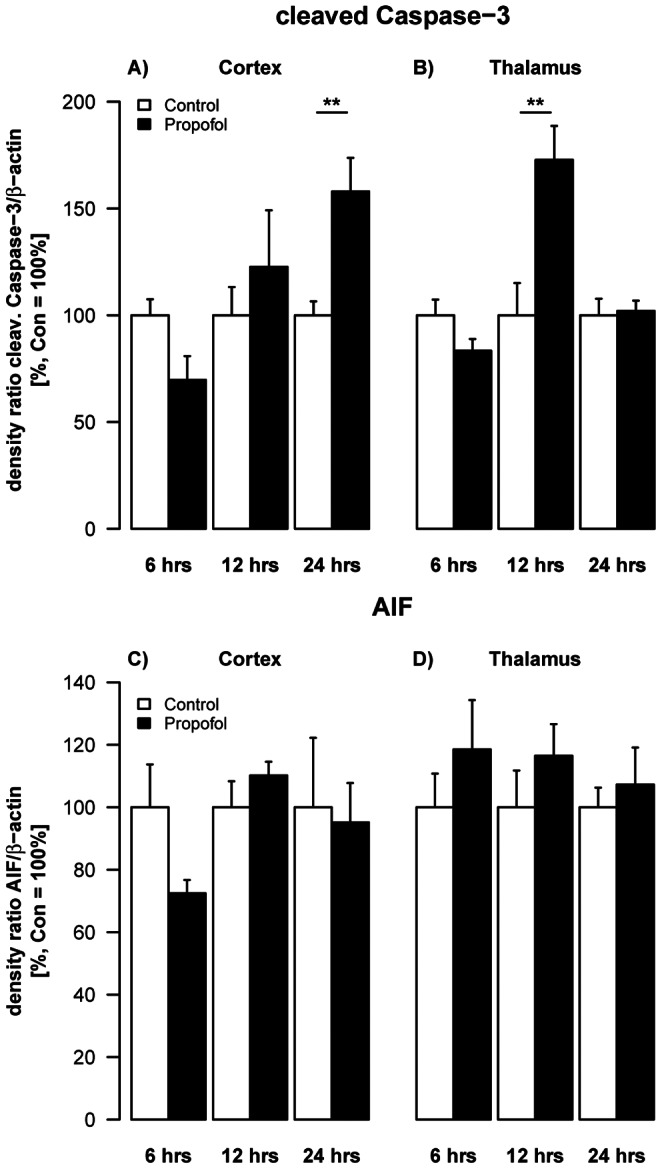
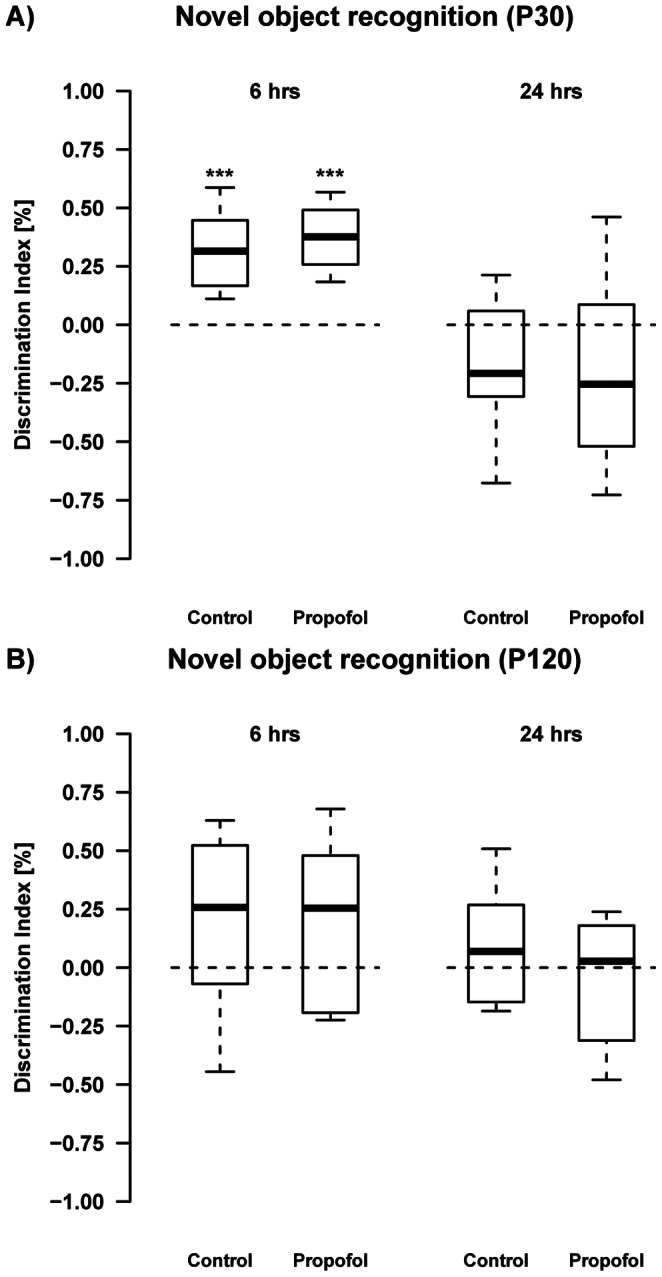
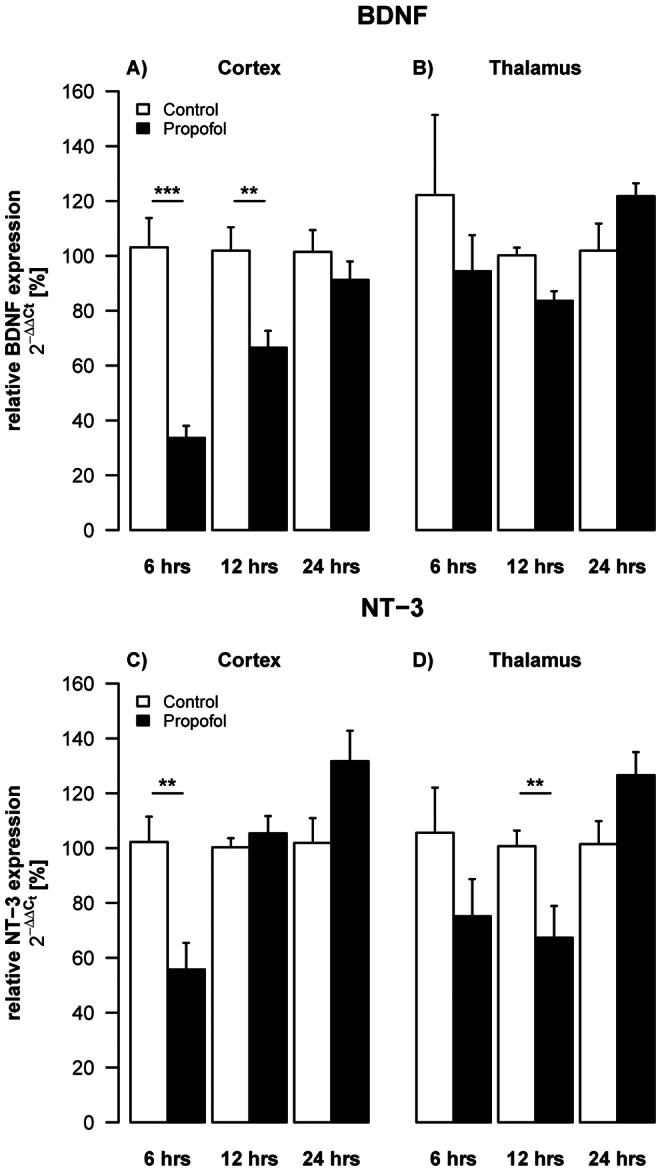
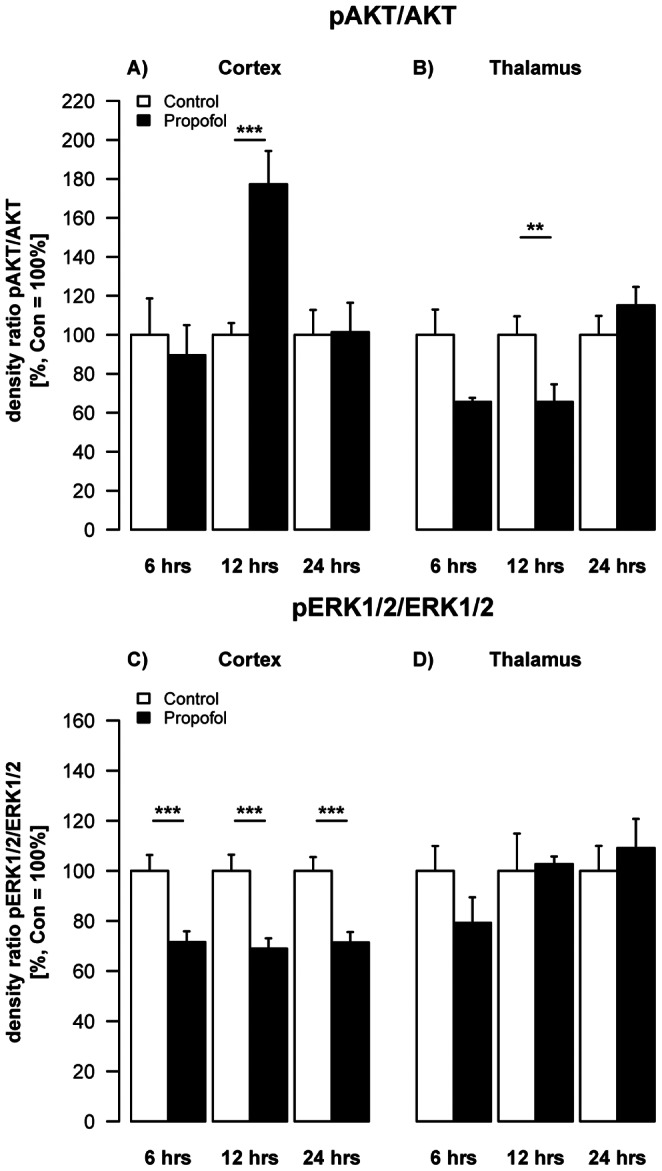
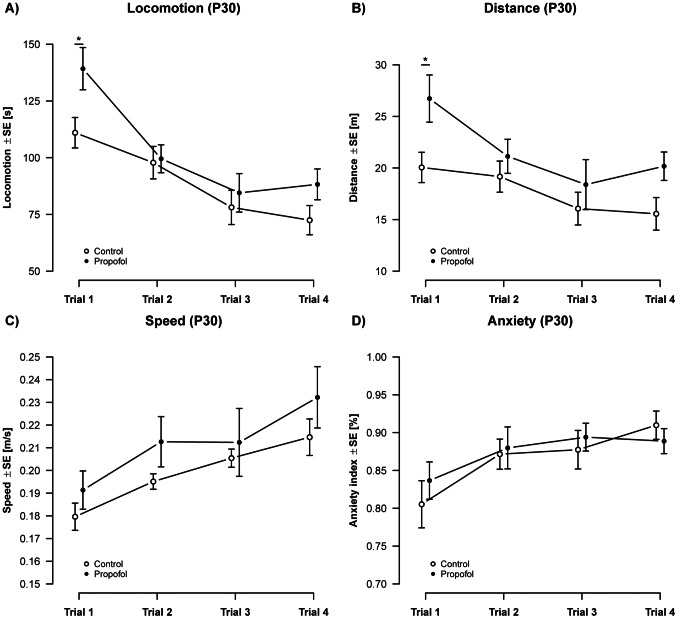
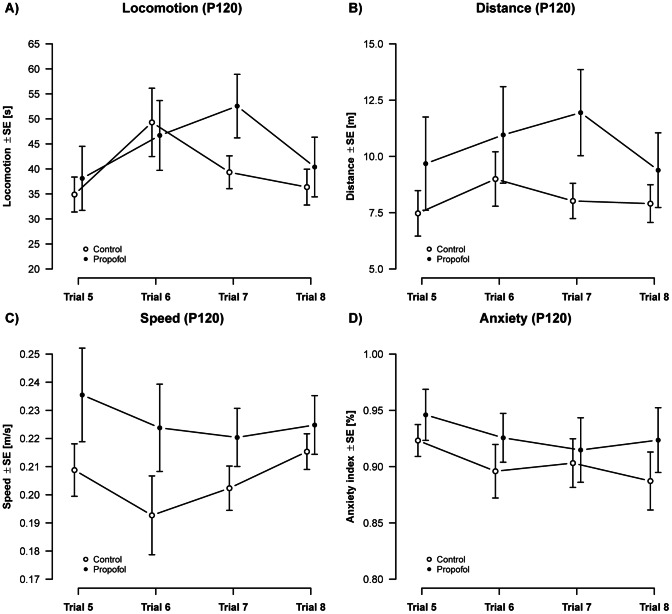
Western blot analyses revealed a transient increase of activated caspase-3 in cortical, and a reduction of active mitogen-activated protein kinases (ERK1/2, AKT) in cortical and thalamic areas. qRT-PCR analyses showed a down-regulation of neurotrophic factors (BDNF, NGF, NT-3) in cortical and thalamic regions. Minor impairment in locomotive activity was observed in propofol treated adolescent animals at P30. Memory or anxiety were not impaired at any time point.
Exposing the neonatal rat brain to propofol induces acute neurotrophic imbalance and neuroapoptosis in a region- and time-specific manner and minor behavioural changes in adolescent animals.
异丙酚通常被用作新生儿和儿童的镇静剂。最近的实验研究得出了相互矛盾的结果,表明异丙酚对发育中的大脑具有神经退行性或神经保护特性。我们研究了新生大鼠异丙酚治疗的神经发育短期和长期影响。
6 日龄 Wistar 大鼠(P6)随机分为两组,接受 30mg/kg 异丙酚或生理盐水的重复腹腔注射(0、90、180 分钟),并在第一次注射后 6、12 和 24 小时处死。通过 Western blot 和定量实时 PCR(qRT-PCR)分析皮质和丘脑区域中凋亡和神经营养因子依赖性信号通路的表达。通过 P30 和 P120 的旷场和新物体识别测试评估长期影响。
Western blot 分析显示,皮质中激活的 caspase-3 短暂增加,皮质和丘脑区域中活性丝裂原活化蛋白激酶(ERK1/2、AKT)减少。qRT-PCR 分析显示皮质和丘脑区域中神经营养因子(BDNF、NGF、NT-3)下调。在 P30 时,接受异丙酚治疗的青少年动物的运动活动能力略有受损。在任何时间点均未观察到记忆或焦虑受损。
新生大鼠大脑暴露于异丙酚会以区域和时间特异性的方式引起急性神经营养失衡和神经细胞凋亡,并导致青少年动物出现轻微的行为变化。