Department of Biology, Faculty of Sciences, University of Porto, Rua do Campo Alegre, Porto 4619-007, Portugal.
Mar Drugs. 2013 Jun 5;11(6):1936-60. doi: 10.3390/md11061936.
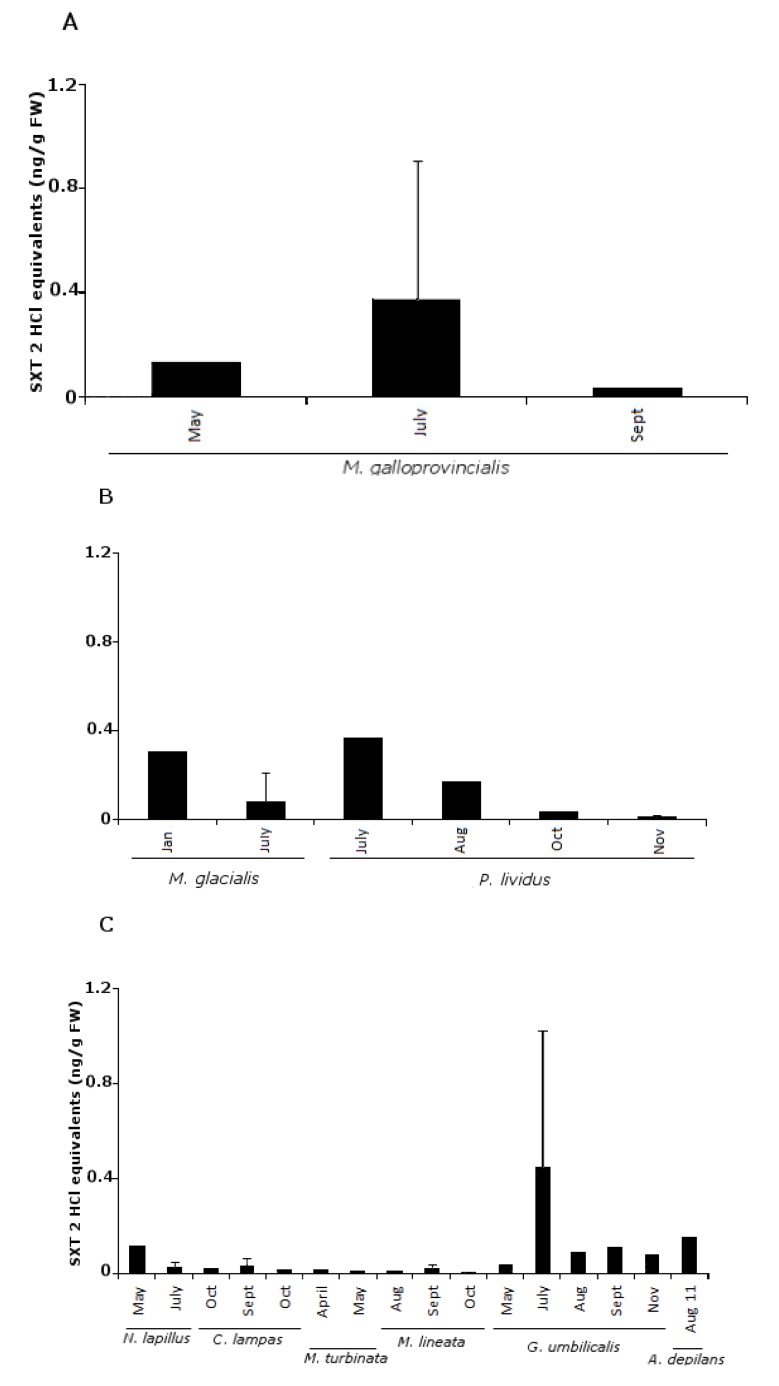
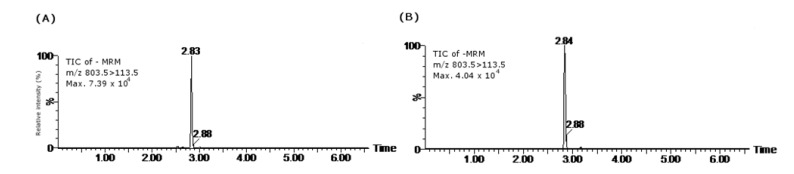
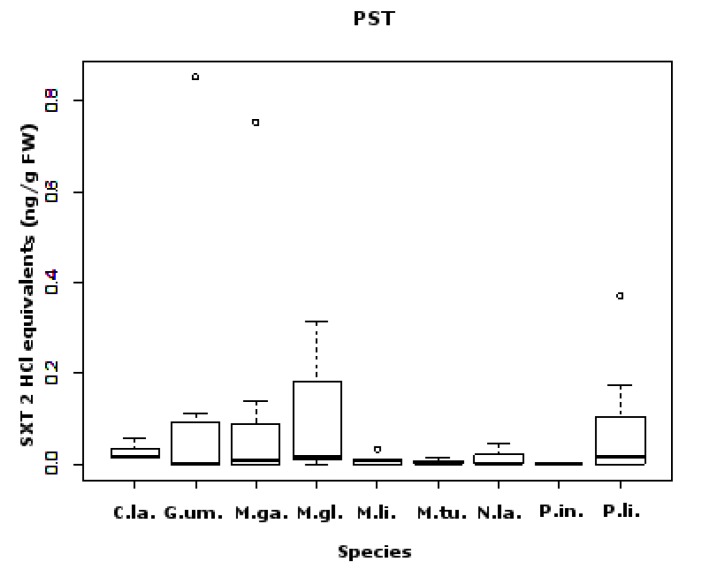
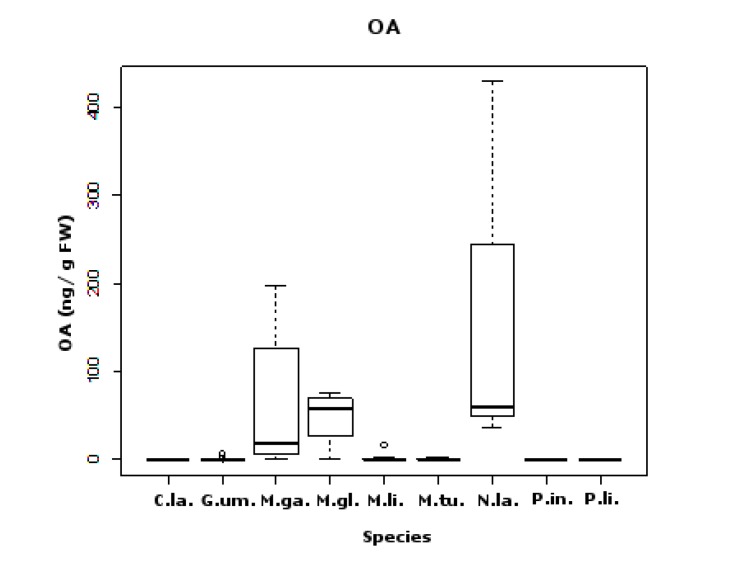
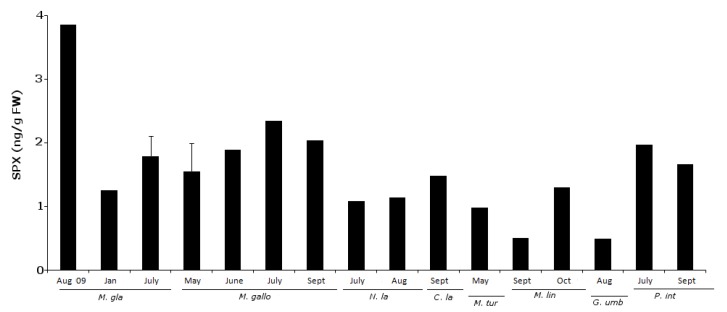
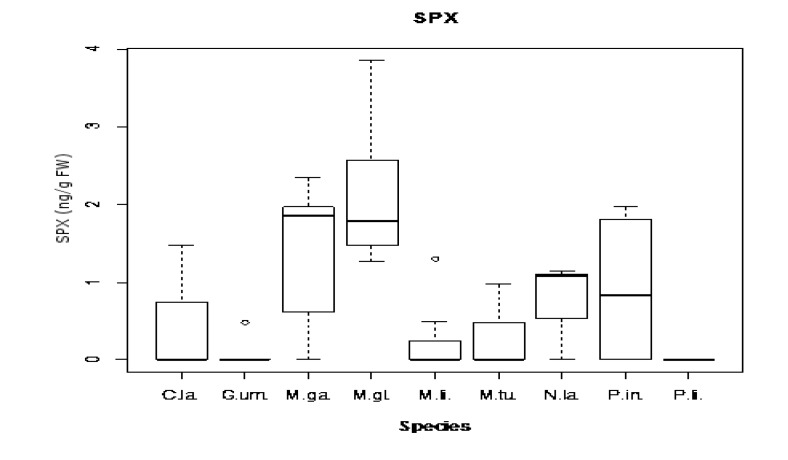
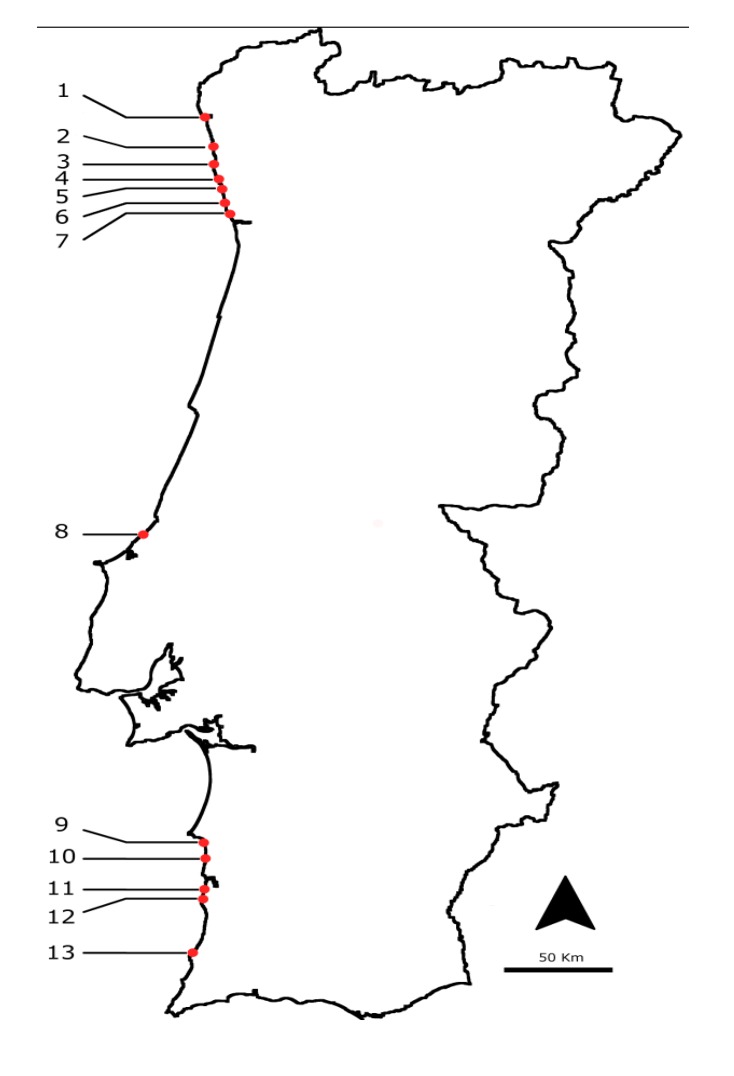
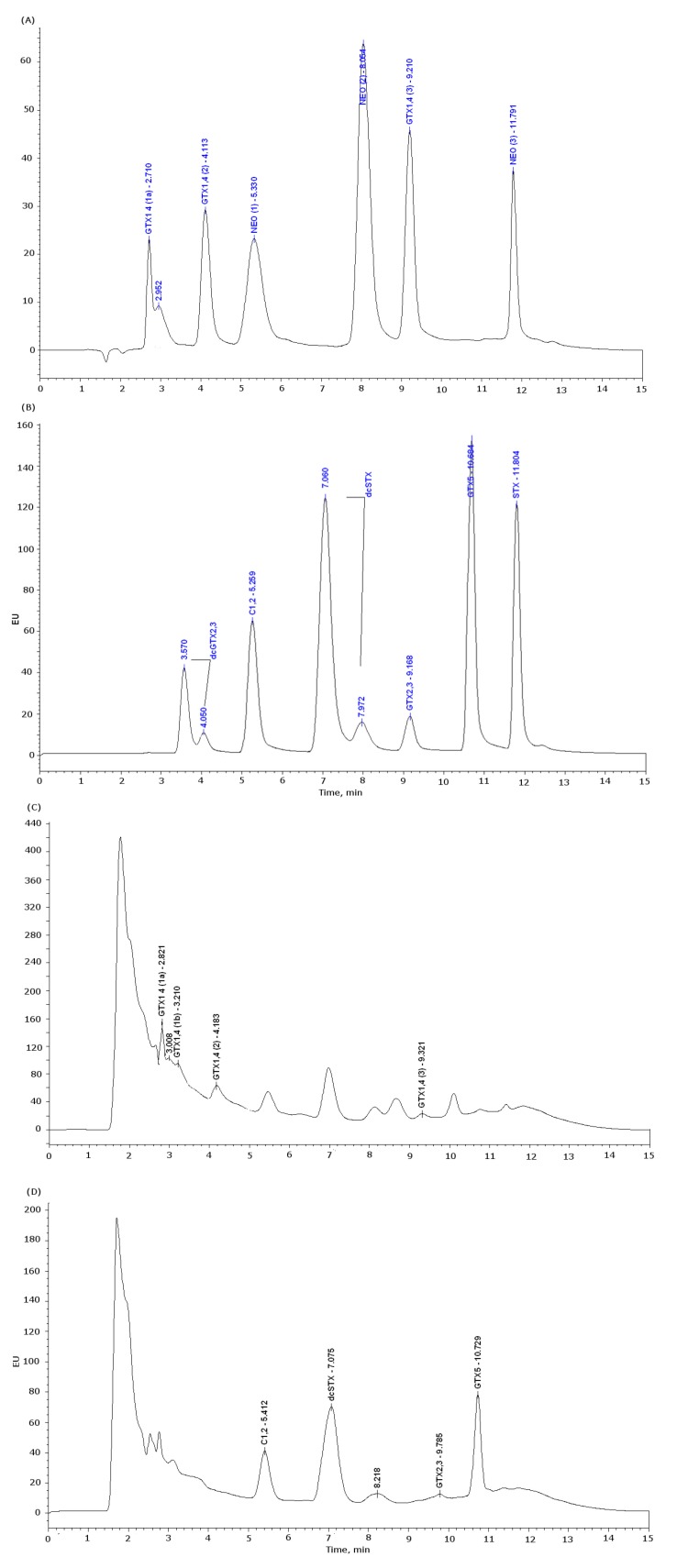
The prevalence of poisoning events due to harmful algal blooms (HABs) has declined during the last two decades through monitoring programs and legislation, implemented mainly for bivalves. However, new toxin vectors and emergent toxins pose a challenge to public health. Several locations on the Portuguese coast were surveyed between 2009 and 2010 for three distinct biotoxin groups [saxitoxin (PST), spirolide (SPX) and okadaic acid (OA)], in 14 benthic species of mollusks and echinoderms. Our main goals were to detect new vectors and unravel the seasonal and geographical patterns of these toxins. PSTs were analyzed by the Lawrence method, SPXs by LC-MS/MS, and OA by LC-MS/MS and UPLC-MS/MS. We report 16 new vectors for these toxins in the North Atlantic. There were differences in toxin contents among species, but no significant geographical or seasonal patterns were found. Our results suggest that legislation should be adjusted to extend the monitoring of marine toxins to a wider range of species besides edible bivalves.
在过去的二十年中,通过监测计划和立法,有害藻华(HAB)引起的中毒事件的发生率有所下降,这些立法主要针对双壳类动物。然而,新的毒素载体和新兴毒素对公共健康构成了挑战。2009 年至 2010 年间,在葡萄牙沿海的几个地点对 14 种底栖贝类和棘皮动物中的三种不同的生物毒素组(石房蛤毒素(PST)、短裸甲藻毒素(SPX)和 okadaic 酸(OA))进行了调查。我们的主要目标是检测新的毒素载体,并揭示这些毒素的季节性和地理模式。PSTs 通过 Lawrence 方法进行分析,SPXs 通过 LC-MS/MS 进行分析,OA 通过 LC-MS/MS 和 UPLC-MS/MS 进行分析。我们报告了北大西洋中 16 种新的毒素载体。不同物种之间的毒素含量存在差异,但未发现明显的地理或季节性模式。我们的研究结果表明,立法应进行调整,将海洋毒素的监测范围扩大到除可食用双壳类动物以外的更多物种。