van Hell Albert J, Melo Manuel N, van Blitterswijk Wim J, Gueth Dayana M, Braumuller Tanya M, Pedrosa Lilia R C, Song Ji-Ying, Marrink Siewert J, Koning Gerben A, Jonkers Jos, Verheij Marcel
The Netherlands Cancer Institute, Antoni van Leeuwenhoek Hospital, Divisions of Biological Stress Responses, Amsterdam, The Netherlands.
Sci Rep. 2013;3:1949. doi: 10.1038/srep01949.
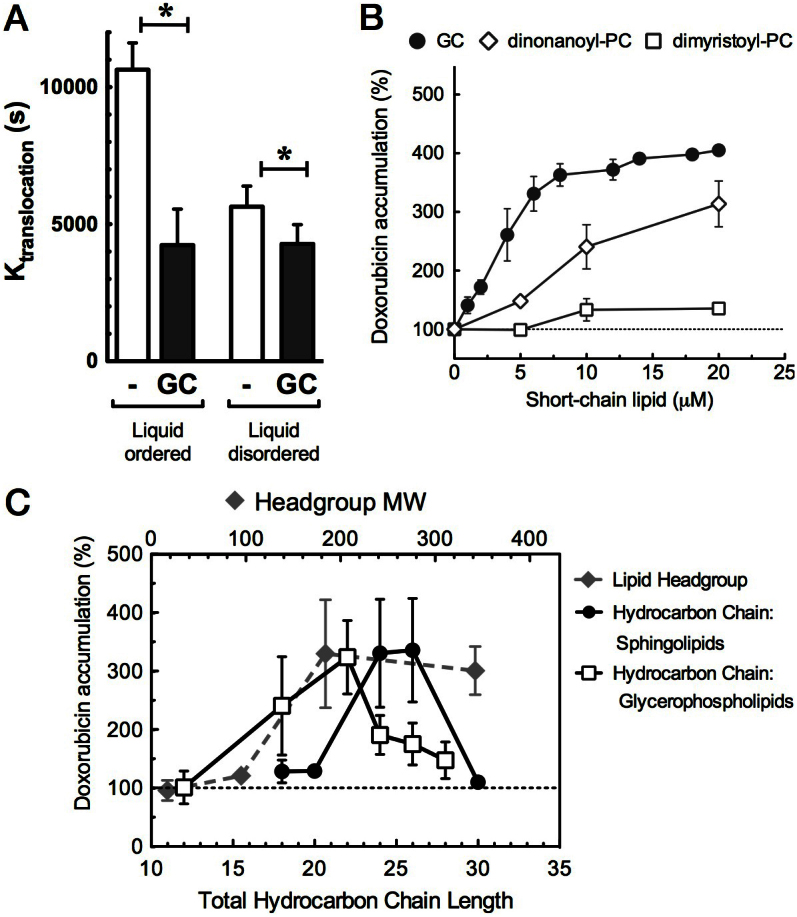
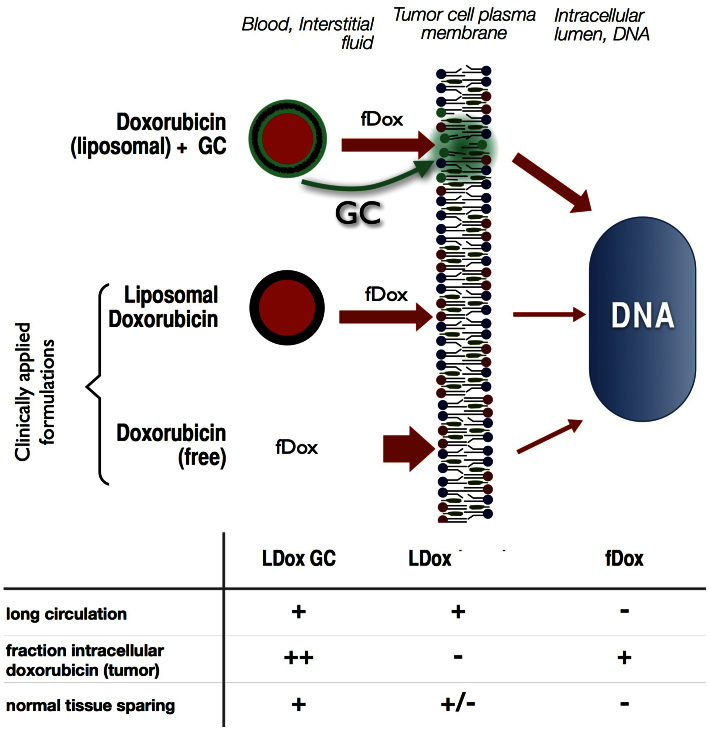
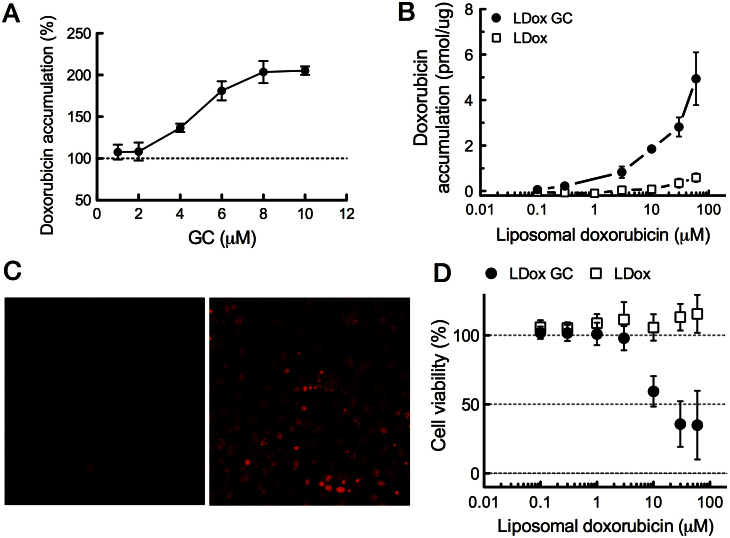
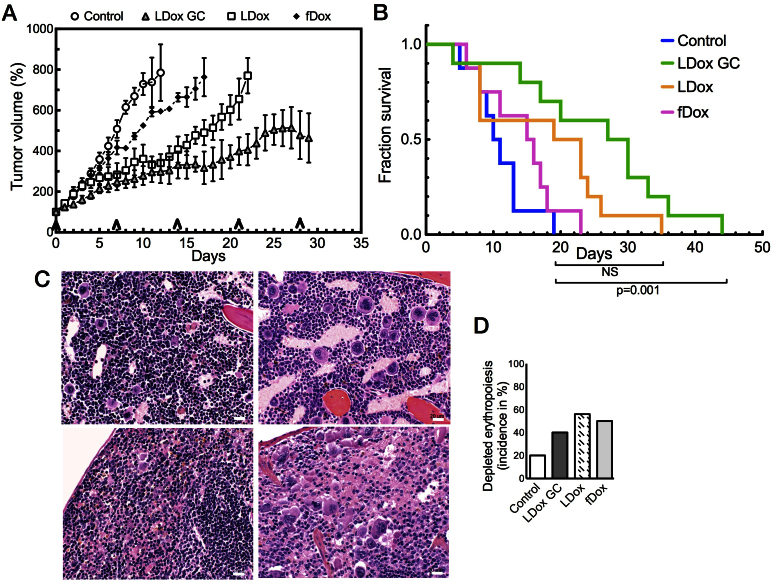
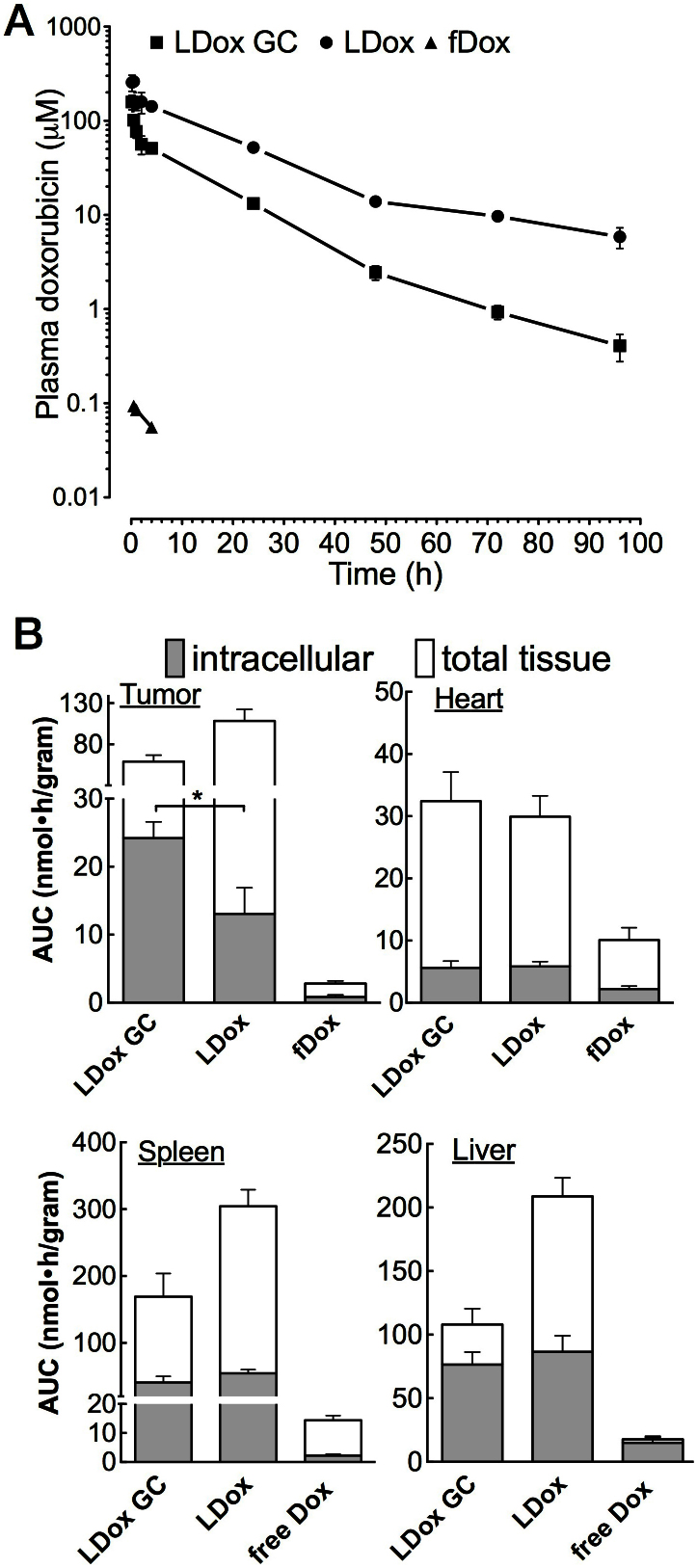
Design and efficacy of bioactive drugs is restricted by their (in)ability to traverse cellular membranes. Therapy resistance, a major cause of ineffective cancer treatment, is frequently due to suboptimal intracellular accumulation of the drug. We report a molecular mechanism that promotes trans-membrane movement of a stereotypical, widely used anti-cancer agent to counteract resistance. Well-defined lipid analogues adapt to the amphiphilic drug doxorubicin, when co-inserted into the cell membrane, and assemble a transient channel that rapidly facilitates the translocation of the drug onto the intracellular membrane leaflet. Molecular dynamic simulations unveiled the structure and dynamics of membrane channel assembly. We demonstrate that this principle successfully addresses multi-drug resistance of genetically engineered mouse breast cancer models. Our results illuminate the role of the plasma membrane in restricting the efficacy of established therapies and drug resistance - and provide a mechanism to overcome ineffectiveness of existing and candidate drugs.
生物活性药物的设计和疗效受到其穿越细胞膜能力的限制。治疗耐药性是癌症治疗无效的主要原因,通常是由于药物在细胞内的积累不理想所致。我们报告了一种分子机制,该机制可促进一种典型的、广泛使用的抗癌药物的跨膜运动,以对抗耐药性。当明确的脂质类似物与两亲性药物阿霉素共同插入细胞膜时,它们会适应阿霉素,并组装一个瞬时通道,该通道可迅速促进药物转运到细胞内膜小叶上。分子动力学模拟揭示了膜通道组装的结构和动力学。我们证明,这一原理成功解决了基因工程小鼠乳腺癌模型的多药耐药性问题。我们的结果阐明了质膜在限制既定疗法疗效和耐药性方面的作用,并提供了一种克服现有药物和候选药物无效性的机制。