He Bulang, Musk Gabby C, Mou Lingjun, Waneck Gerald L, Delriviere Luc
Sir Charles Gairdner Hospital, Nedlands, Australia.
JSLS. 2013 Jan-Mar;17(1):126-31. doi: 10.4293/108680812X13517013318021.
Laparoscopic surgery has rapidly expanded in surgical practice with well-accepted benefits of minimal incision, less analgesia, better cosmetics, and quick recovery. The surgical technique for kidney transplantation has remained unchanged since the first successful kidney transplant in the 1950s. Over the past decade, there were only a few case reports of kidney transplantation by laparoscopic or robotic surgery. Therefore, the aim of this study is to develop a laparoscopic technique for kidney transplantation at the region of the native kidney.
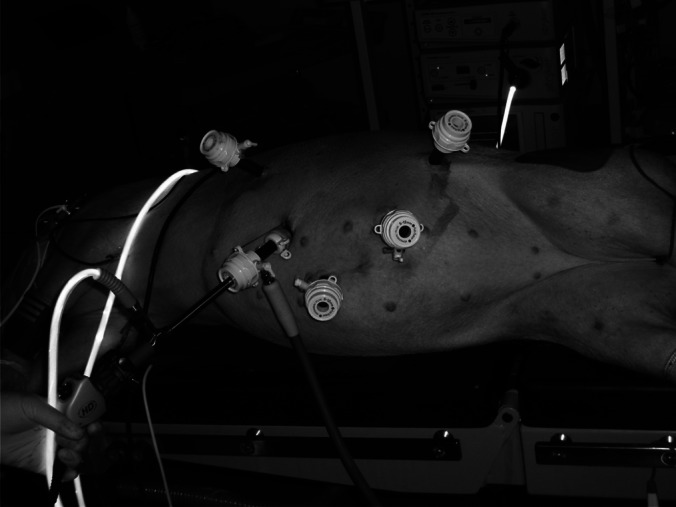
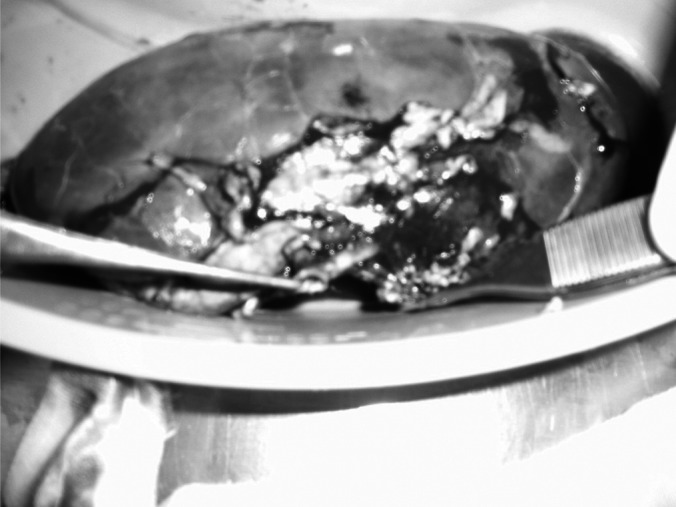
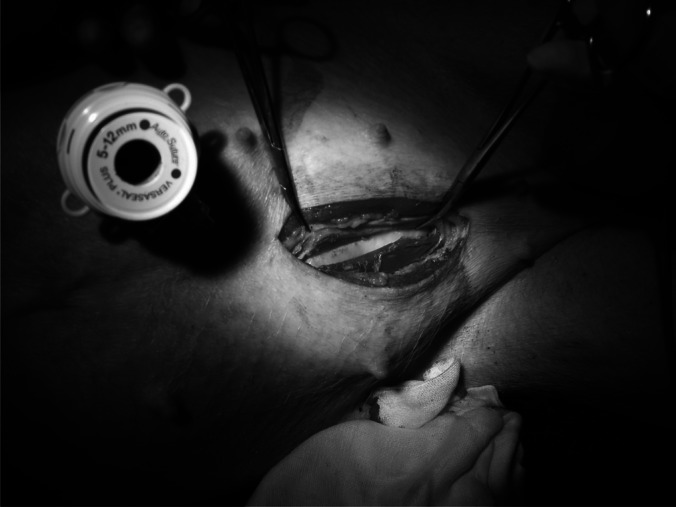
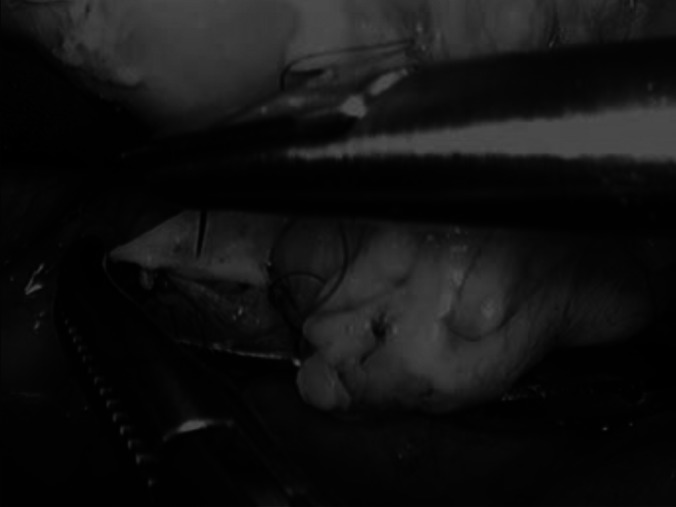
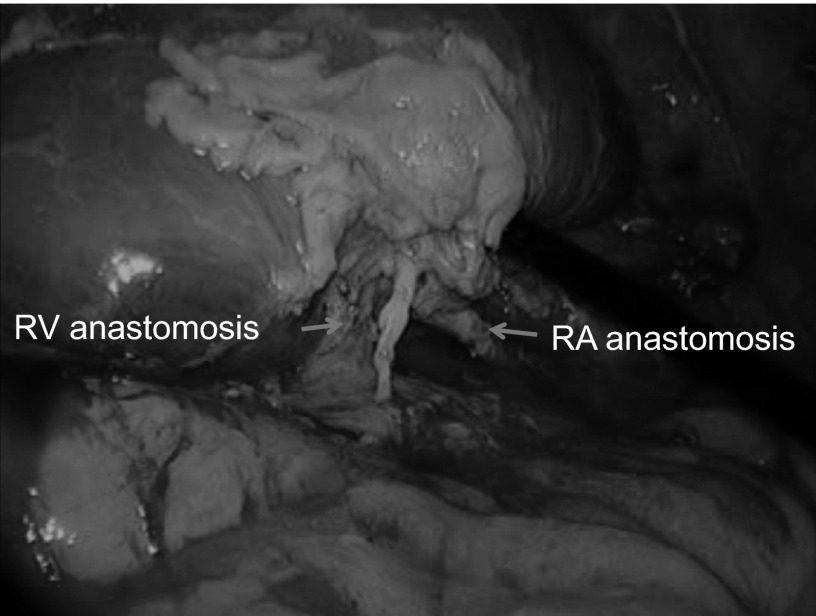
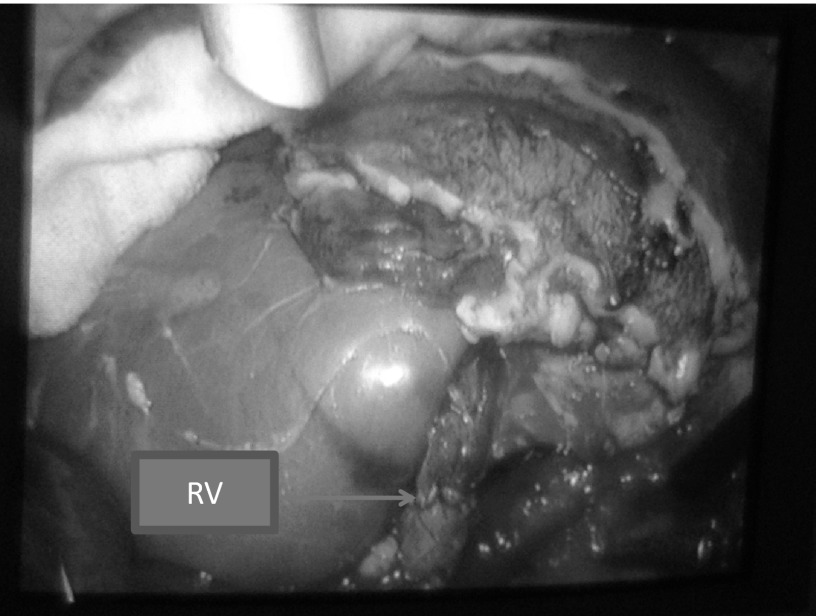
After initial development of the laparoscopic technique for kidney transplant in cadaveric pigs, 5 live pigs (Sus scrofa, weighing 45-50 kg) underwent laparoscopic kidney transplant under general anesthesia. First, laparoscopic donor nephrectomy was performed, and then the kidney was perfused and preserved with cold Ross solution. The orthotopic auto-transplant was subsequently performed using the laparoscopic technique. The blood flow of the kidney graft was assessed using Doppler ultrasonography, and urine output was monitored.
The laparoscopic kidney transplant was successful in 4 live pigs. Immediate urine output was observed in 3 pigs. The blood flow in the kidney was adequate, as determined using Doppler ultrasonography.
It has been shown that laparoscopic kidney orthotopic transplant is feasible and safe in the pig model. Immediate kidney graft function can be achieved. A further study will be considered to identify the potential surgical morbidity and mortality after recovery in a pig model before translating the technique to clinical human kidney transplantation.
腹腔镜手术在外科实践中迅速发展,具有切口小、镇痛需求少、美容效果好及恢复快等公认的优点。自20世纪50年代首例成功的肾移植手术以来,肾移植的手术技术一直未变。在过去十年中,仅有少数关于腹腔镜或机器人辅助肾移植的病例报告。因此,本研究的目的是开发一种在原位肾脏区域进行肾移植的腹腔镜技术。
在初步开发了猪尸体的腹腔镜肾移植技术后,5头活猪(体重45 - 50千克的家猪)在全身麻醉下接受了腹腔镜肾移植。首先,进行腹腔镜供体肾切除术,然后用冷罗斯溶液灌注并保存肾脏。随后使用腹腔镜技术进行原位自体移植。使用多普勒超声评估肾移植的血流情况,并监测尿量。
4头活猪的腹腔镜肾移植手术成功。3头猪术后立即出现尿量。通过多普勒超声检查确定肾脏血流充足。
已证明在猪模型中腹腔镜原位肾移植是可行且安全的。可实现移植肾的即时功能。在将该技术应用于临床人体肾移植之前,将考虑进一步研究以确定猪模型恢复后潜在的手术并发症和死亡率。