Ramos Roberta P, Alencar Maria Clara N, Treptow Erika, Arbex Flávio, Ferreira Eloara M V, Neder J Alberto
Pulmonary Function and Clinical Exercise Physiology Unit (SEFICE), Division of Respiratory Diseases, Department of Medicine, Federal University of Sao Paulo (UNIFESP), Rua Francisco de Castro 54, Vila Mariana, 04020-050 São Paulo, SP, Brazil.
Pulm Med. 2013;2013:359021. doi: 10.1155/2013/359021. Epub 2013 May 12.
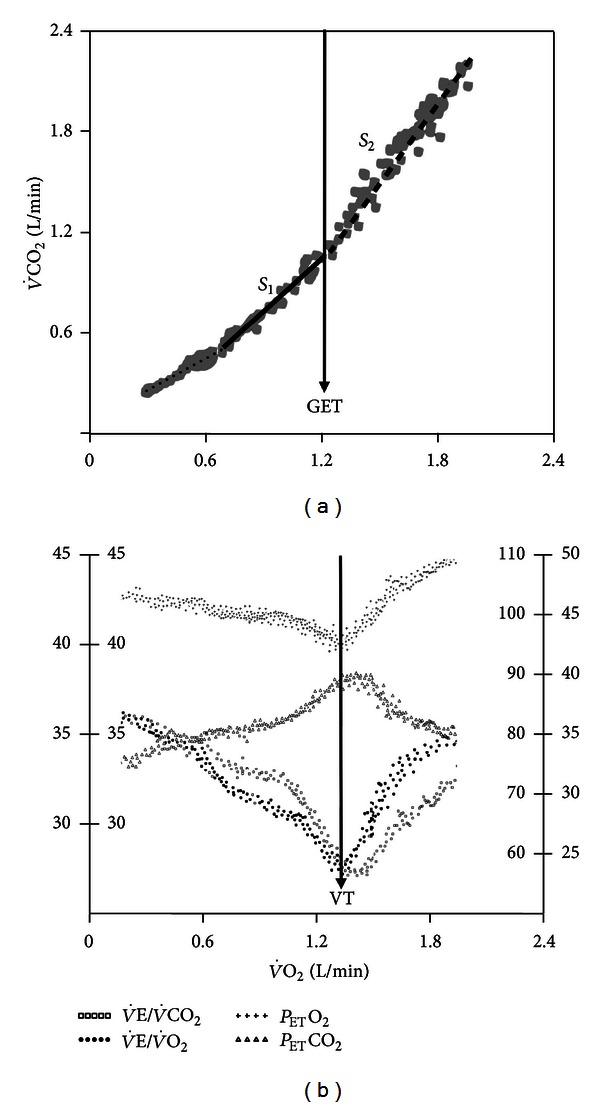
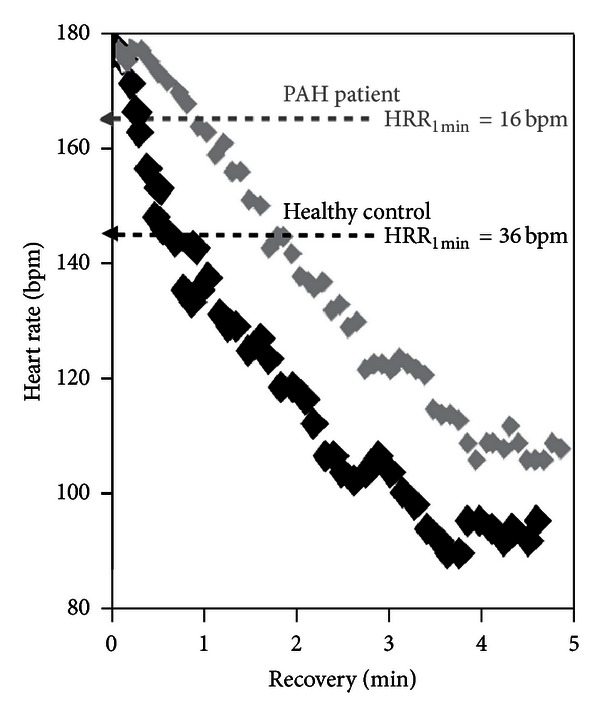
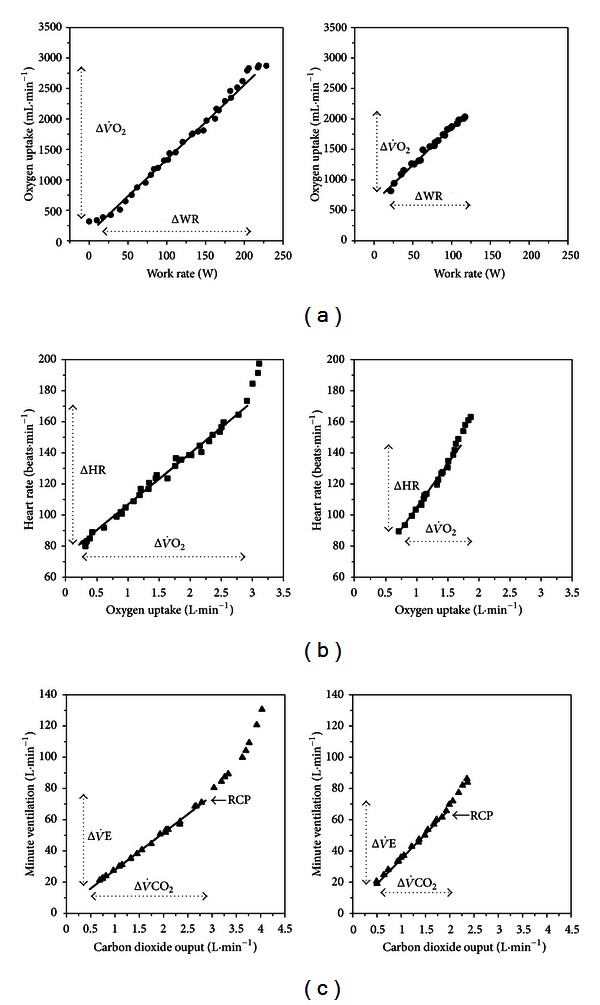
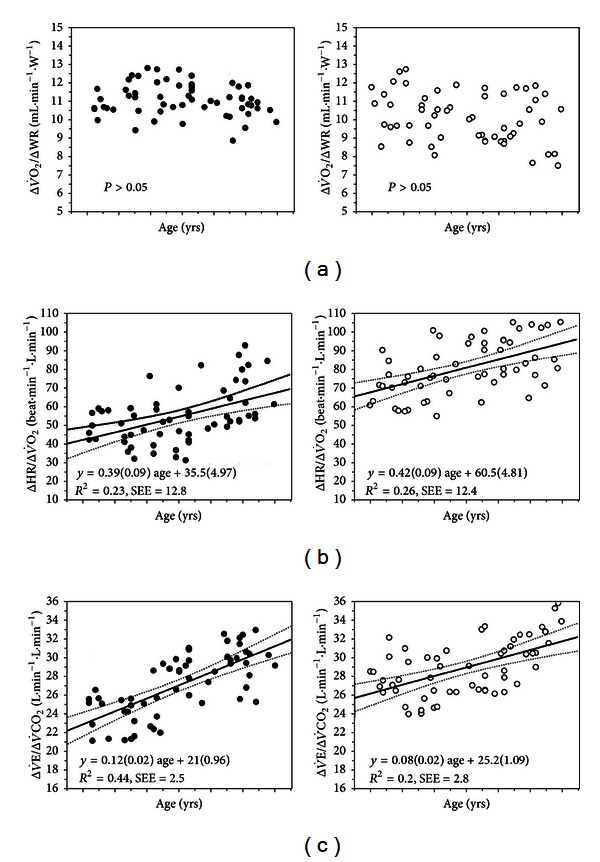
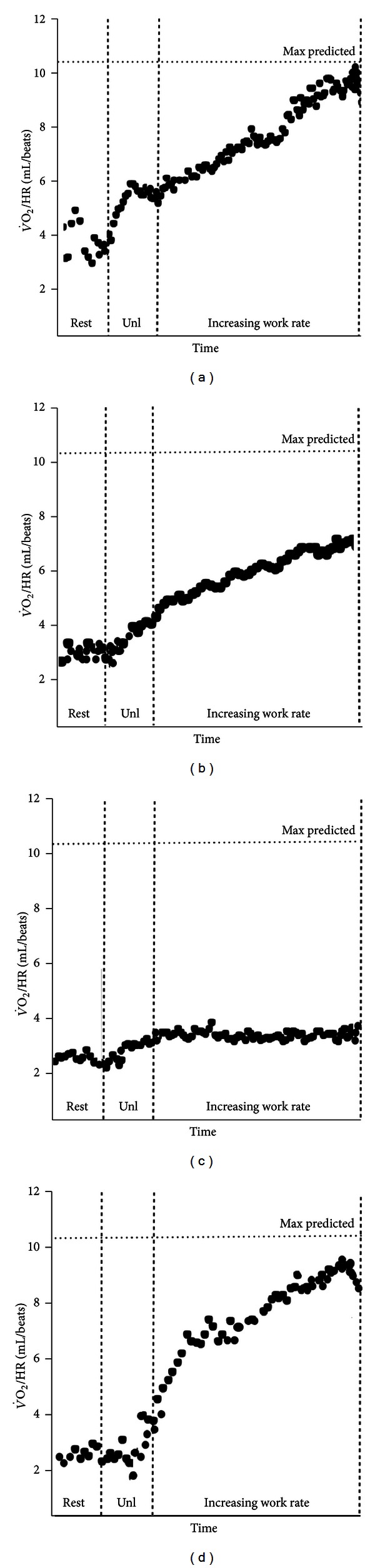
The advent of microprocessed "metabolic carts" and rapidly incremental protocols greatly expanded the clinical applications of cardiopulmonary exercise testing (CPET). The response normalcy to CPET is more commonly appreciated at discrete time points, for example, at the estimated lactate threshold and at peak exercise. Analysis of the response profiles of cardiopulmonary responses at submaximal exercise and recovery, however, might show abnormal physiologic functioning which would not be otherwise unraveled. Although this approach has long been advocated as a key element of the investigational strategy, it remains largely neglected in practice. The purpose of this paper, therefore, is to highlight the usefulness of selected submaximal metabolic, ventilatory, and cardiovascular variables in different clinical scenarios and patient populations. Special care is taken to physiologically justify their use to answer pertinent clinical questions and to the technical aspects that should be observed to improve responses' reproducibility and reliability. The most recent evidence in favor of (and against) these variables for diagnosis, impairment evaluation, and prognosis in systemic diseases is also critically discussed.
微处理“代谢车”的出现以及快速递增方案极大地扩展了心肺运动试验(CPET)的临床应用。CPET的反应正常性更常见于离散时间点,例如在估计的乳酸阈值和运动峰值时。然而,对次最大运动和恢复时心肺反应的反应曲线进行分析,可能会显示出异常的生理功能,否则这些功能将无法被揭示。尽管这种方法长期以来一直被倡导为研究策略的关键要素,但在实践中它在很大程度上仍被忽视。因此,本文的目的是强调在不同临床场景和患者群体中选定的次最大代谢、通气和心血管变量的有用性。特别注意从生理学角度说明使用这些变量来回答相关临床问题的合理性,以及为提高反应的可重复性和可靠性应注意的技术方面。还对支持(和反对)这些变量用于全身性疾病的诊断、损伤评估和预后的最新证据进行了批判性讨论。