Biol Chem. 2013 Oct;394(10):1253-62. doi: 10.1515/hsz-2013-0141.
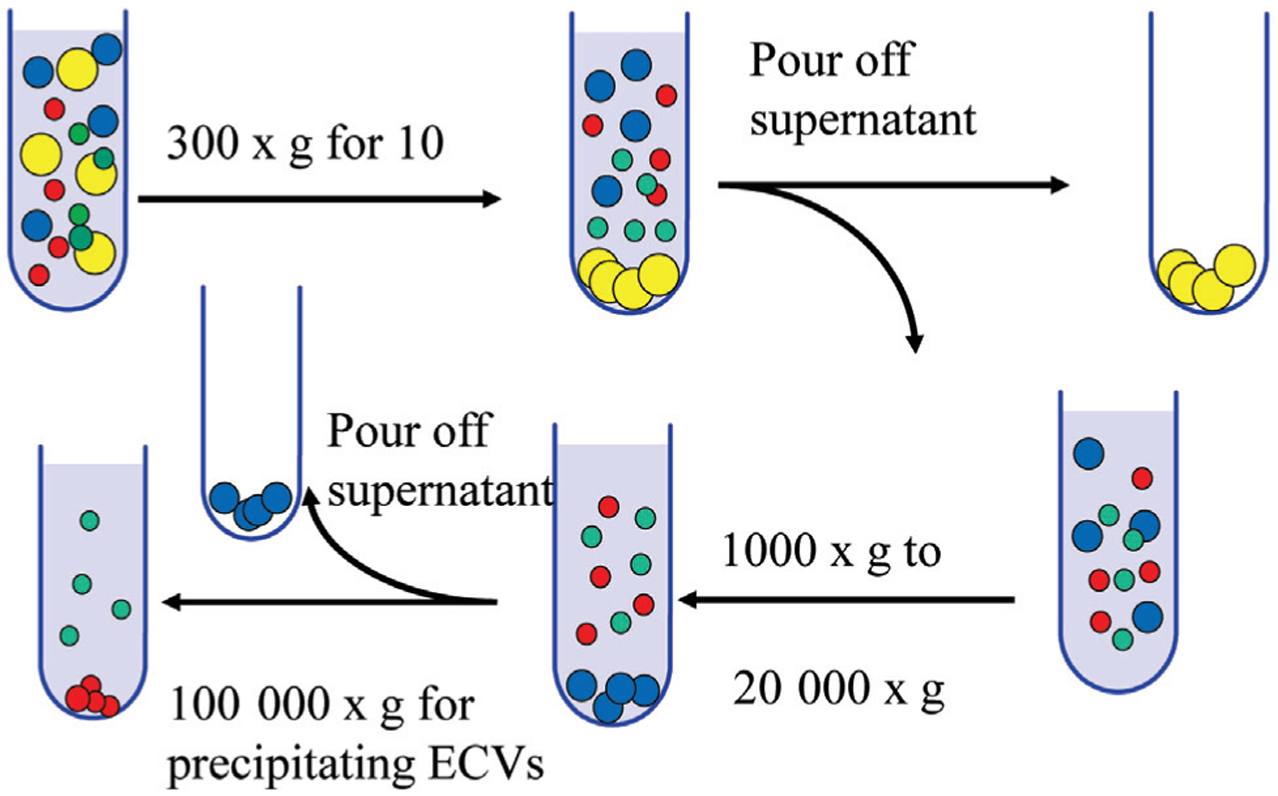
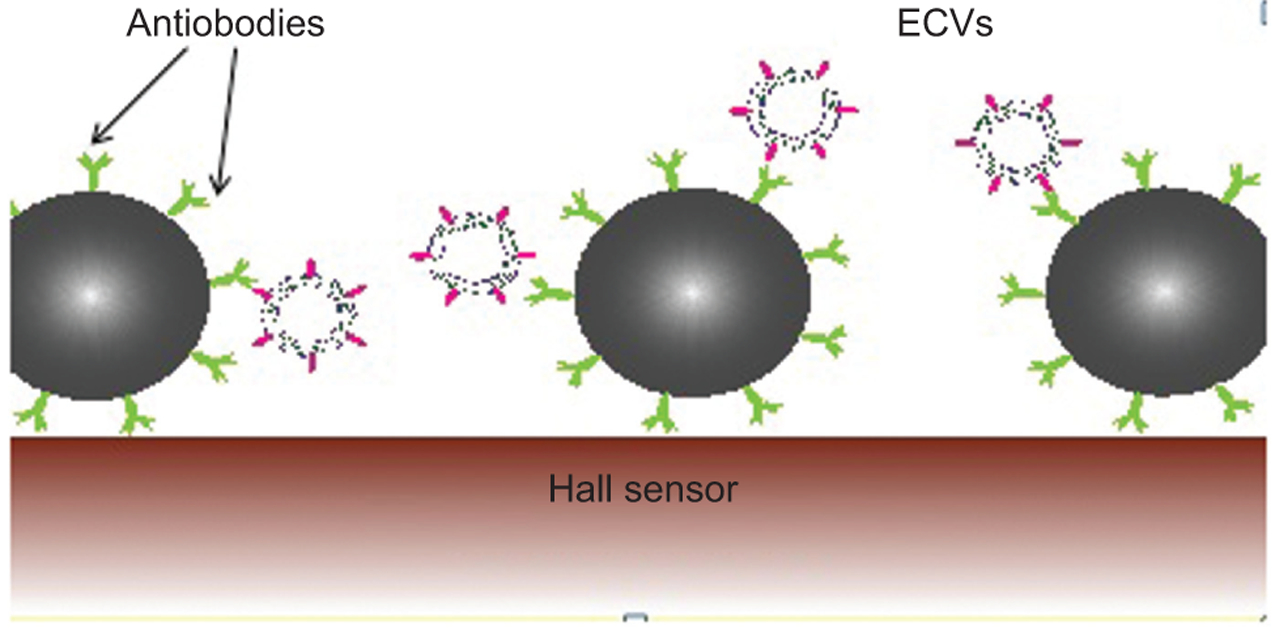
Extracellular vesicles (EVs), including microvesicles and exosomes, are nano- to micron-sized vesicles, which may deliver bioactive cargos that include lipids, growth factors and their receptors, proteases, signaling molecules, as well as mRNA and non-coding RNA, released from the cell of origin, to target cells. EVs are released by all cell types and likely induced by mechanisms involved in oncogenic transformation, environmental stimulation, cellular activation, oxidative stress, or death. Ongoing studies investigate the molecular mechanisms and mediators of EVs-based intercellular communication at physiological and oncogenic conditions with the hope of using this information as a possible source for explaining physiological processes in addition to using them as therapeutic targets and disease biomarkers in a variety of diseases. A major limitation in this evolving discipline is the hardship and the lack of standardization for already challenging techniques to isolate EVs. Technical advances have been accomplished in the field of isolation with improving knowledge and emerging novel technologies, including ultracentrifugation, microfluidics, magnetic beads and filtration-based isolation methods. In this review, we will discuss the latest advances in methods of isolation methods and production of clinical grade EVs as well as their advantages and disadvantages, and the justification for their support and the challenges that they encounter.
细胞外囊泡(EVs),包括微泡和外泌体,是纳米到微米大小的囊泡,可能将包括脂质、生长因子及其受体、蛋白酶、信号分子以及 mRNA 和非编码 RNA 在内的生物活性货物从起源细胞递送到靶细胞。EVs 由所有细胞类型释放,并且可能由涉及致癌转化、环境刺激、细胞激活、氧化应激或死亡的机制诱导。正在进行的研究调查 EV 基于细胞间通讯的分子机制和介质,在生理和致癌条件下,希望利用这些信息作为解释生理过程的可能来源,除了将它们用作治疗靶点和疾病生物标志物在各种疾病中。在这个不断发展的学科中,一个主要的限制是已经具有挑战性的分离 EV 的技术的困难和缺乏标准化。在分离领域已经取得了技术进步,包括超离心、微流控、磁珠和基于过滤的分离方法,这些技术提高了对 EV 的认识,并涌现出了新兴技术。在这篇综述中,我们将讨论分离方法和临床级 EV 生产的最新进展及其优缺点,以及对它们的支持的理由和它们遇到的挑战。