Department of Anatomy, Yong Loo Lin School of Medicine, National University of Singapore, Singapore, Singapore.
PLoS One. 2013 Jun 11;8(6):e65945. doi: 10.1371/journal.pone.0065945. Print 2013.
Maternal diabetes alters gene expression leading to neural tube defects (NTDs) in the developing brain. The mechanistic pathways that deregulate the gene expression remain unknown. It is hypothesized that exposure of neural stem cells (NSCs) to high glucose/hyperglycemia results in activation of epigenetic mechanisms which alter gene expression and cell fate during brain development.
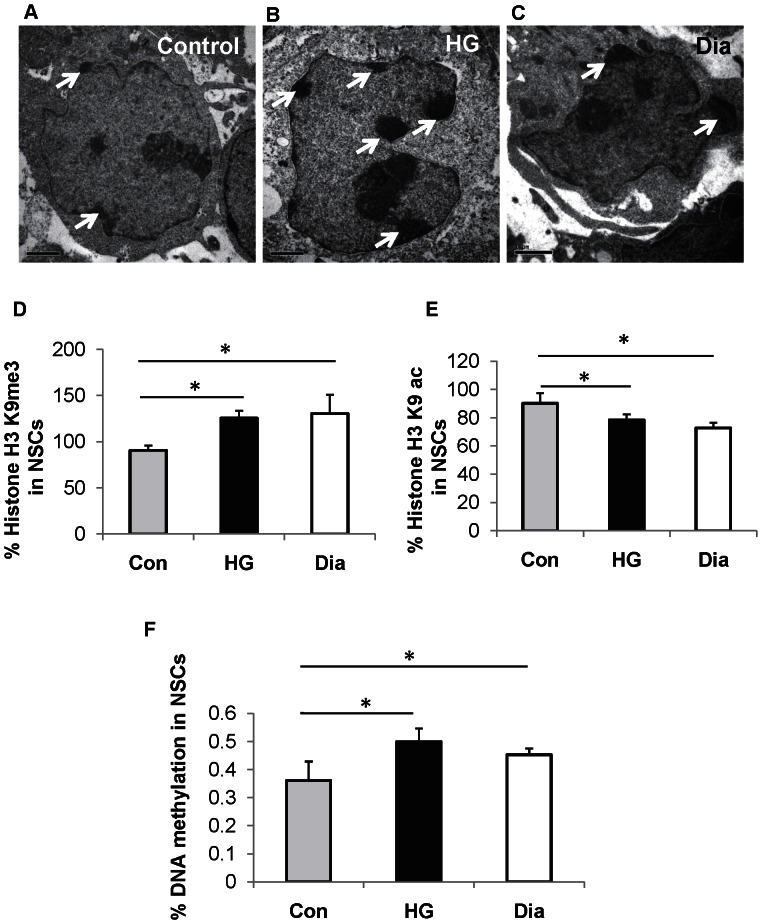
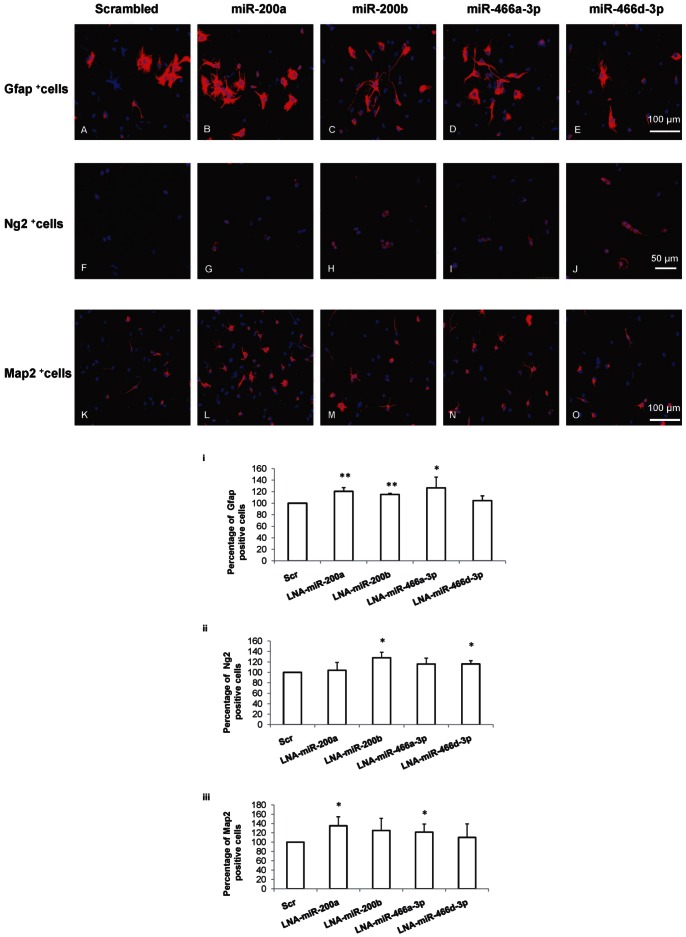
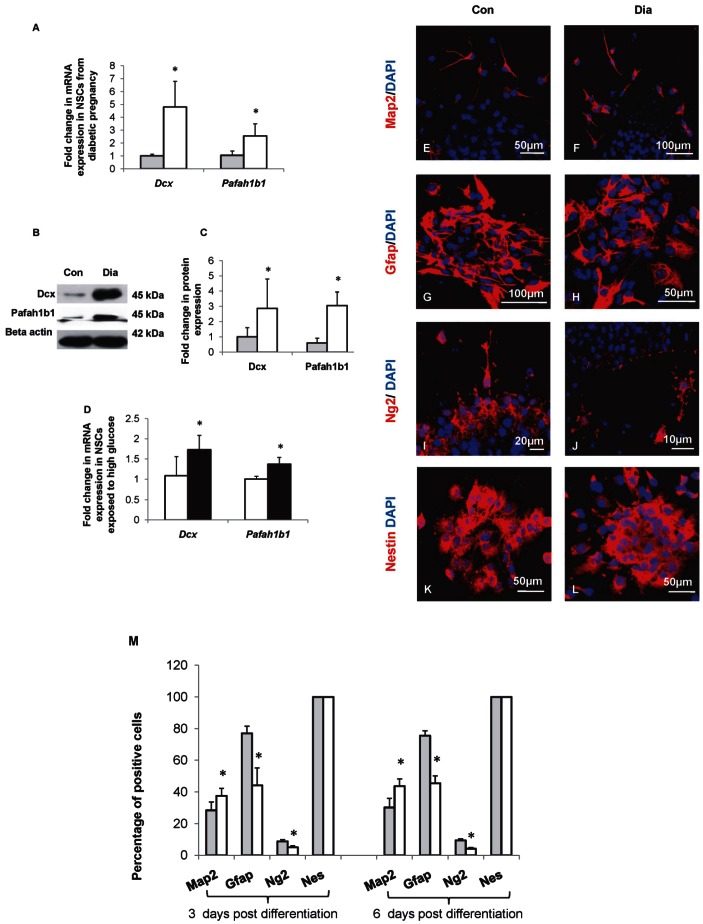
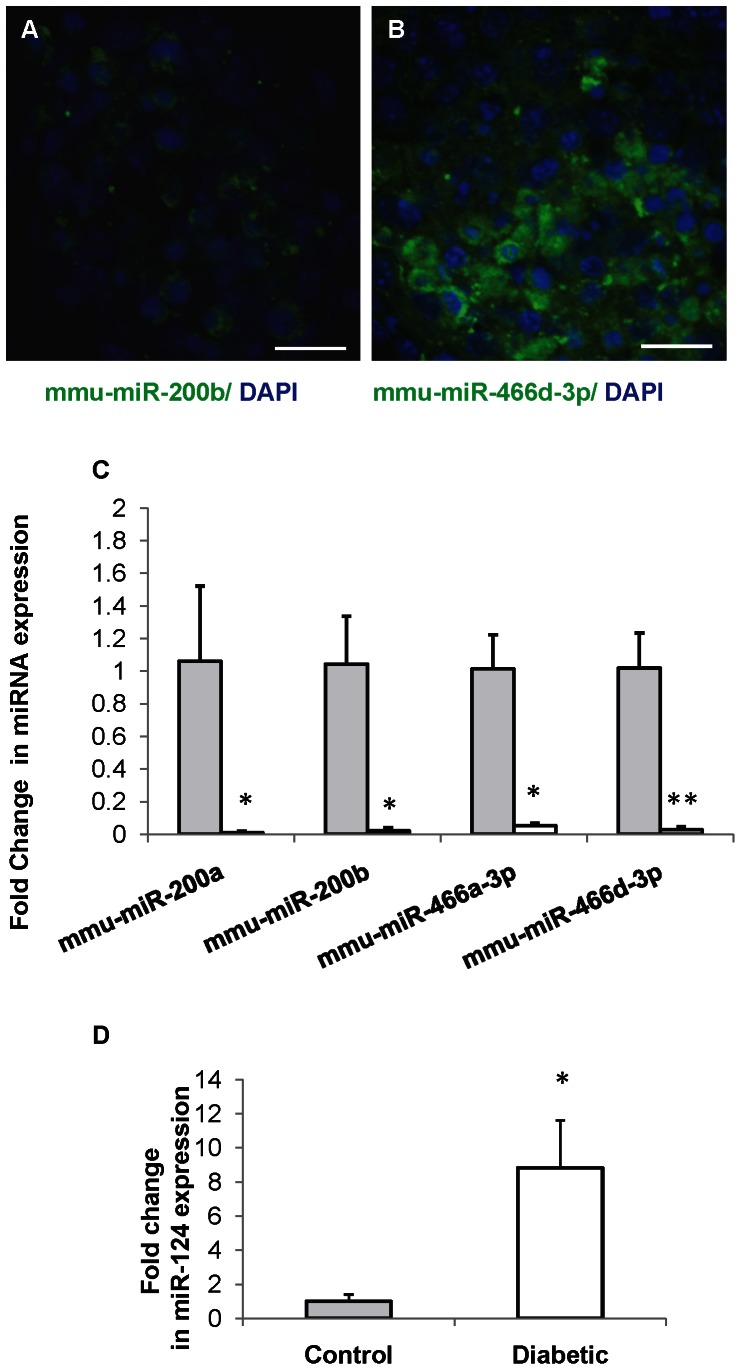
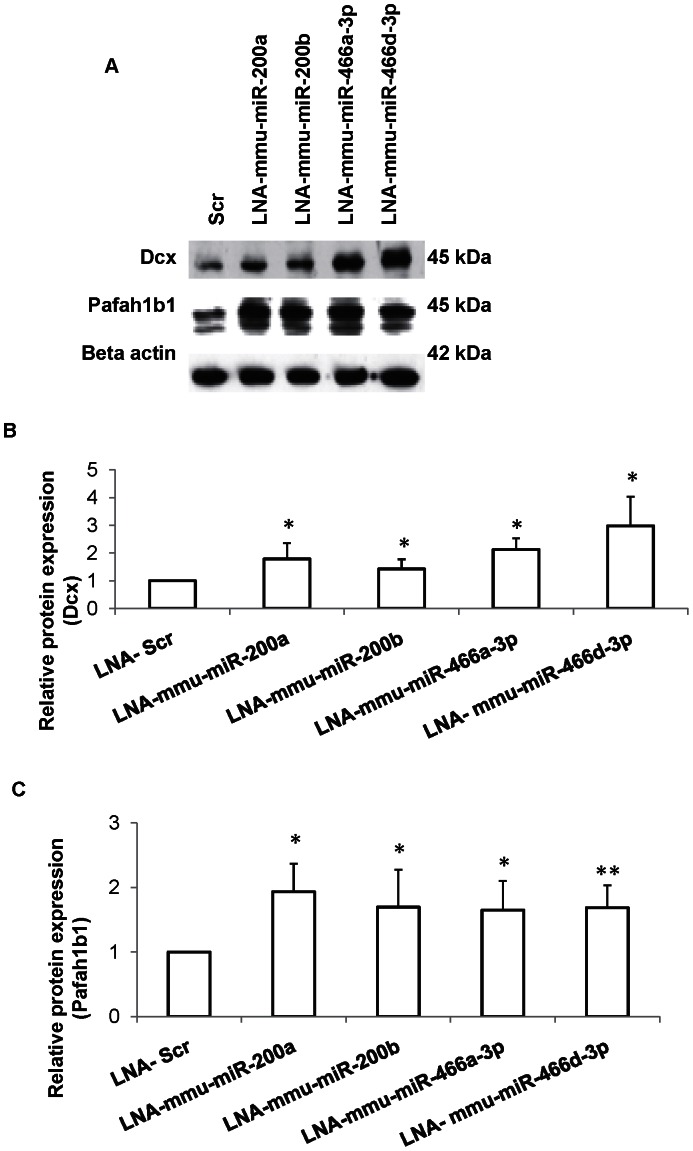
NSCs were isolated from normal pregnancy and streptozotocin induced-diabetic pregnancy and cultured in physiological glucose. In order to examine hyperglycemia induced epigenetic changes in NSCs, chromatin reorganization, global histone status at lysine 9 residue of histone H3 (acetylation and trimethylation) and global DNA methylation were examined and found to be altered by hyperglycemia. In NSCs, hyperglycemia increased the expression of Dcx (Doublecortin) and Pafah1b1 (Platelet activating factor acetyl hydrolase, isoform 1b, subunit 1) proteins concomitant with decreased expression of four microRNAs (mmu-miR-200a, mmu-miR-200b, mmu-miR-466a-3p and mmu-miR-466 d-3p) predicted to target these genes. Knockdown of specific microRNAs in NSCs resulted in increased expression of Dcx and Pafah1b1 proteins confirming target prediction and altered NSC fate by increasing the expression of neuronal and glial lineage markers.
CONCLUSION/INTERPRETATION: This study revealed that hyperglycemia alters the epigenetic mechanisms in NSCs, resulting in altered expression of some development control genes which may form the basis for the NTDs. Since epigenetic changes are reversible, they may be valuable therapeutic targets in order to improve fetal outcomes in diabetic pregnancy.
母体糖尿病改变基因表达,导致发育中大脑的神经管缺陷(NTD)。调节基因表达的机制途径尚不清楚。据推测,神经干细胞(NSCs)暴露于高血糖/高血糖会导致表观遗传机制的激活,从而改变大脑发育过程中的基因表达和细胞命运。
从正常妊娠和链脲佐菌素诱导的糖尿病妊娠中分离出 NSCs,并在生理葡萄糖中培养。为了研究 NSCs 中高血糖诱导的表观遗传变化,检查了染色质重排、组蛋白 H3 赖氨酸 9 残基上的全局组蛋白状态(乙酰化和三甲基化)和全局 DNA 甲基化,发现它们被高血糖改变。在 NSCs 中,高血糖增加了 Dcx(双皮质)和 Pafah1b1(血小板激活因子乙酰水解酶,同工型 1b,亚基 1)蛋白的表达,同时降低了四个 microRNAs(mmu-miR-200a、mmu-miR-200b、mmu-miR-466a-3p 和 mmu-miR-466d-3p)的表达,这些 microRNAs 被预测可靶向这些基因。在 NSCs 中特异性 microRNAs 的敲低导致 Dcx 和 Pafah1b1 蛋白的表达增加,证实了靶标预测,并通过增加神经元和神经胶质谱系标志物的表达改变了 NSCs 的命运。
结论/解释:这项研究表明,高血糖改变了 NSCs 中的表观遗传机制,导致一些发育控制基因的表达发生改变,这可能是 NTD 的基础。由于表观遗传变化是可逆的,因此它们可能是有价值的治疗靶点,以改善糖尿病妊娠中的胎儿结局。