Centre for Evidence-based Veterinary Medicine, School of Veterinary Medicine and Science, The University of Nottingham, Sutton Bonington Campus, LE12 5RD Loughborough, UK.
BMC Vet Res. 2013 Jun 19;9:121. doi: 10.1186/1746-6148-9-121.
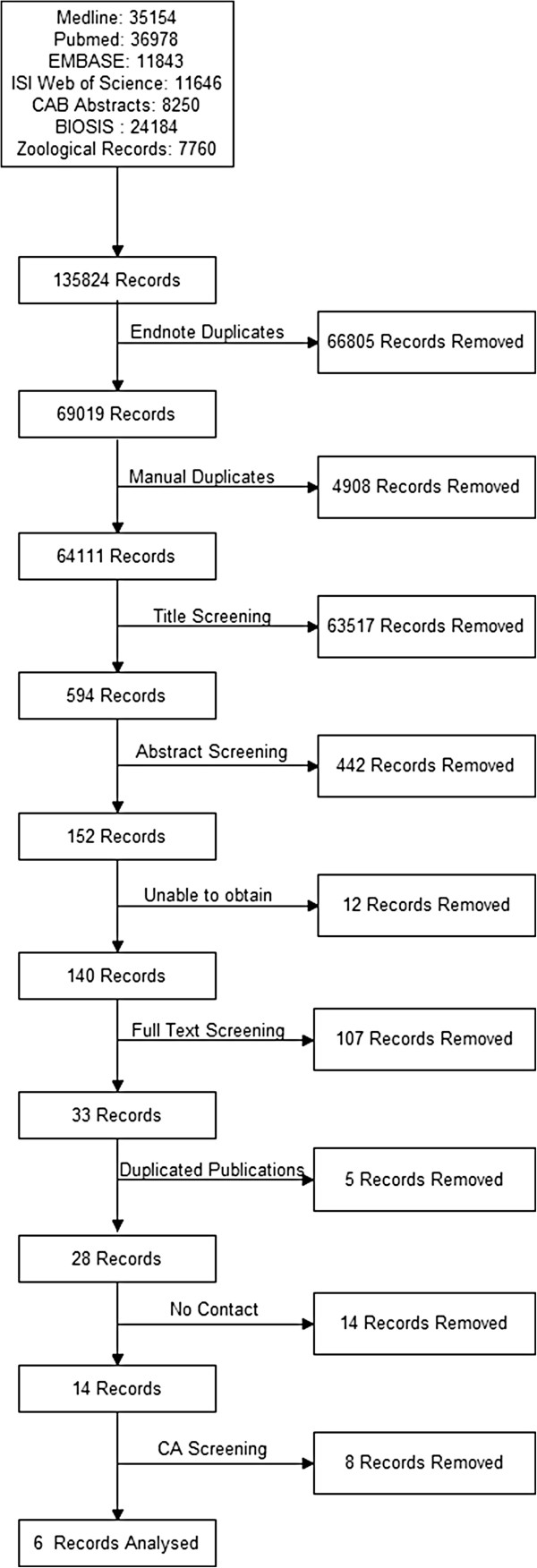
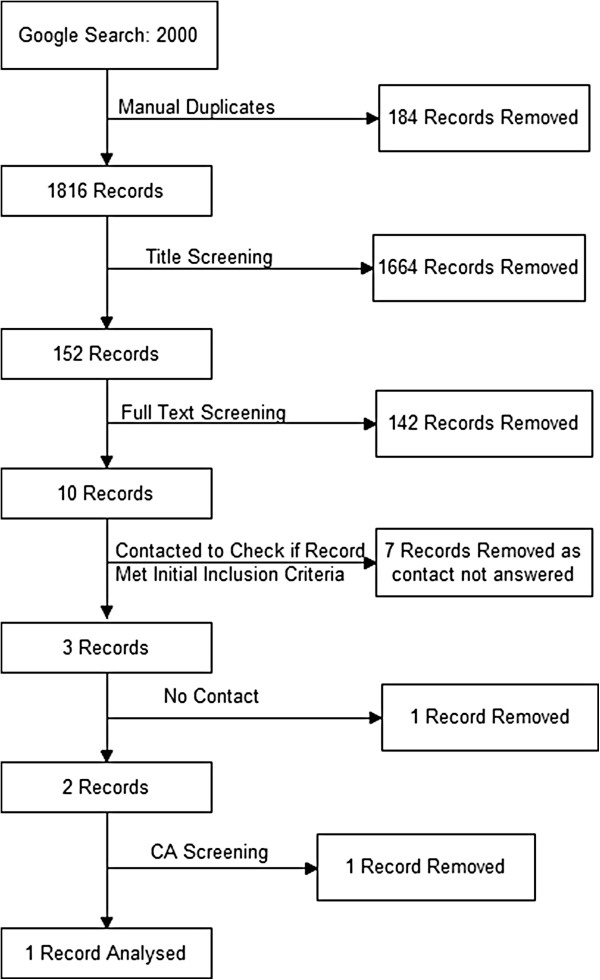
There are a number of different methods that can be used when estimating the size of the owned cat and dog population in a region, leading to varying population estimates. The aim of this study was to conduct a systematic review to evaluate the methods that have been used for estimating the sizes of owned cat and dog populations and to assess the biases associated with those methods.A comprehensive, systematic search of seven electronic bibliographic databases and the Google search engine was carried out using a range of different search terms for cats, dogs and population. The inclusion criteria were that the studies had involved owned or pet domestic dogs and/or cats, provided an estimate of the size of the owned dog or cat population, collected raw data on dog and cat ownership, and analysed primary data. Data relating to study methodology were extracted and assessed for biases.
Seven papers were included in the final analysis. Collection methods used to select participants in the included studies were: mailed surveys using a commercial list of contacts, door to door surveys, random digit dialled telephone surveys, and randomised telephone surveys using a commercial list of numbers. Analytical and statistical methods used to estimate the pet population size were: mean number of dogs/cats per household multiplied by the number of households in an area, human density multiplied by number of dogs per human, and calculations using predictors of pet ownership.
The main biases of the studies included selection bias, non-response bias, measurement bias and biases associated with length of sampling time. Careful design and planning of studies is a necessity before executing a study to estimate pet populations.
在估算一个地区内自有猫和狗数量时,有许多不同的方法可以使用,这导致了不同的人口估算。本研究的目的是进行系统评价,以评估用于估算自有猫和狗数量的方法,并评估这些方法相关的偏差。
我们进行了一项全面、系统的搜索,使用了一系列不同的猫、狗和人口搜索词,搜索了七个电子书目数据库和 Google 搜索引擎。纳入标准是研究涉及自有或宠物家犬和/或猫,提供自有犬或猫数量的估计,收集有关犬和猫所有权的原始数据,并分析主要数据。提取与研究方法学相关的数据,并评估其偏差。
最终有 7 篇论文被纳入分析。纳入研究中选择参与者的收集方法是:使用商业联系人名单进行邮寄调查、挨家挨户调查、随机数字拨号电话调查以及使用商业电话号码列表进行随机电话调查。用于估计宠物人口数量的分析和统计方法是:每户的平均犬/猫数量乘以该地区的户数、人口密度乘以每人的犬数,以及使用宠物拥有预测因子进行计算。
研究的主要偏差包括选择偏差、无应答偏差、测量偏差和与采样时间长度相关的偏差。在执行估计宠物数量的研究之前,必须精心设计和规划研究。