Department of Entomology and Department of Molecular Biology and Genetics, Cornell University, Ithaca, NY, 13853, USA.
J Chem Ecol. 2013 Jul;39(7):952-61. doi: 10.1007/s10886-013-0308-x. Epub 2013 Jun 21.
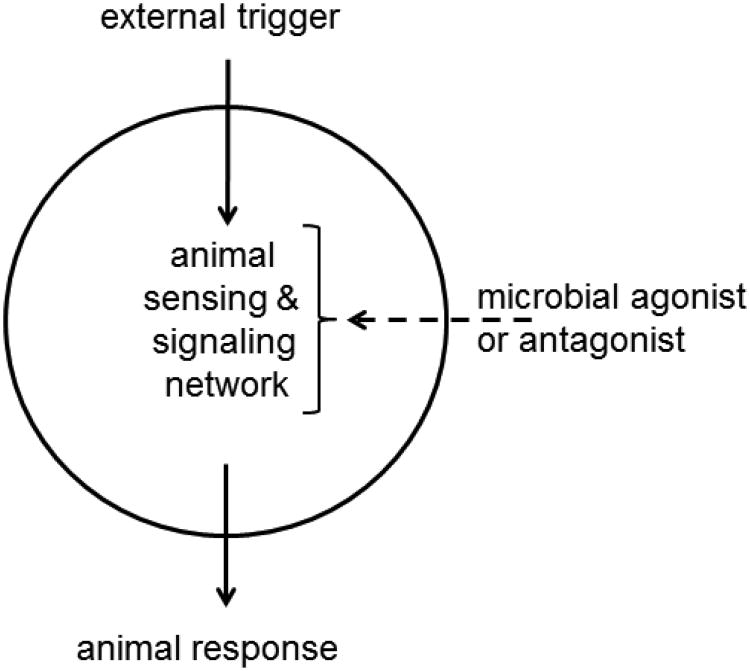
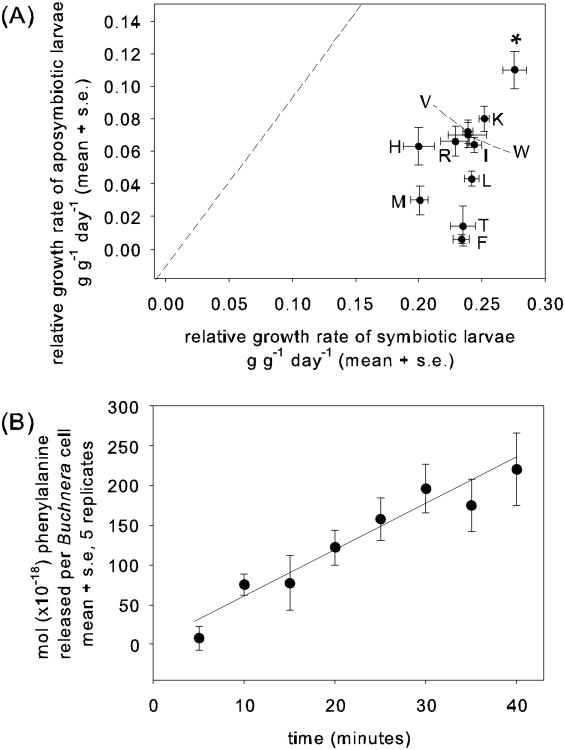
Recent advances in sequencing methods have transformed the field of microbial ecology, making it possible to determine the composition and functional capabilities of uncultured microorganisms. These technologies have been instrumental in the recognition that resident microorganisms can have profound effects on the phenotype and fitness of their animal hosts by modulating the animal signaling networks that regulate growth, development, behavior, etc. Against this backdrop, this review assesses the impact of microorganisms on insect-plant interactions, in the context of the hypothesis that microorganisms are biochemical brokers of plant utilization by insects. There is now overwhelming evidence for a microbial role in insect utilization of certain plant diets with an extremely low or unbalanced nutrient content. Specifically, microorganisms enable insect utilization of plant sap by synthesizing essential amino acids. They also can broker insect utilization of plant products of extremely high lignocellulose content, by enzymatic breakdown of complex plant polysaccharides, nitrogen fixation, and sterol synthesis. However, the experimental evidence for microbial-mediated detoxification of plant allelochemicals is limited. The significance of microorganisms as brokers of plant utilization by insects is predicted to vary, possibly widely, as a result of potentially complex interactions between the composition of the microbiota and the diet and insect developmental age or genotype. For every insect species feeding on plant material, the role of resident microbiota as biochemical brokers of plant utilization is a testable hypothesis.
测序方法的最新进展改变了微生物生态学领域,使得确定未培养微生物的组成和功能能力成为可能。这些技术有助于认识到,居住微生物可以通过调节调节生长、发育、行为等的动物信号网络,对其动物宿主的表型和适应性产生深远影响。在此背景下,本综述评估了微生物对昆虫-植物相互作用的影响,其前提假设是微生物是昆虫利用植物的生化中介。现在有压倒性的证据表明,微生物在昆虫利用某些营养含量极低或不平衡的植物饮食方面发挥了作用。具体来说,微生物通过合成必需氨基酸,使昆虫能够利用植物汁液。它们还可以通过酶解复杂的植物多糖、固氮和固醇合成,使昆虫能够利用木质纤维素含量极高的植物产物。然而,微生物介导植物化感物质解毒的实验证据是有限的。微生物作为昆虫利用植物的中介的重要性预计会有所不同,这可能是由于微生物群落的组成与饮食和昆虫发育年龄或基因型之间可能存在复杂的相互作用。对于每一种以植物材料为食的昆虫,居住微生物作为植物利用的生化中介的作用都是一个可检验的假设。