Department of Pediatric Dentistry, School of Stomatology, Fourth Military Medical University, Xi'an, Shaanxi Province, People's Republic of China.
PLoS One. 2013 Jun 14;8(6):e66863. doi: 10.1371/journal.pone.0066863. Print 2013.
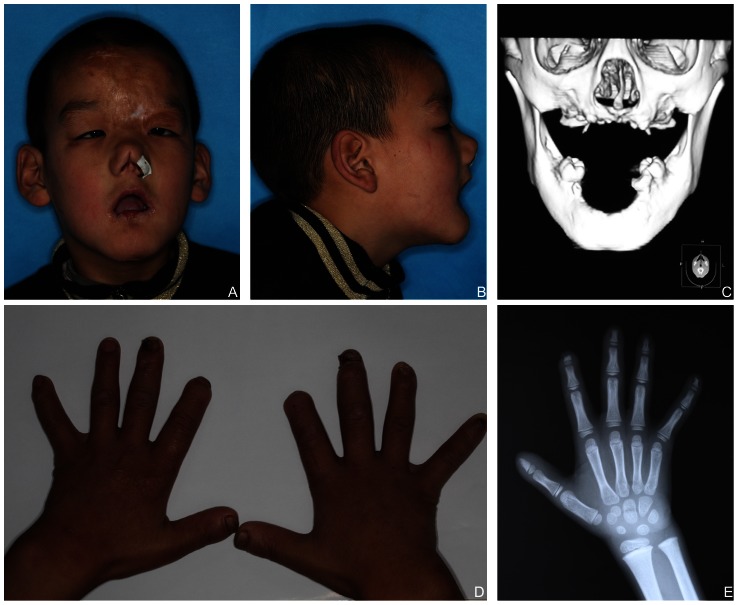
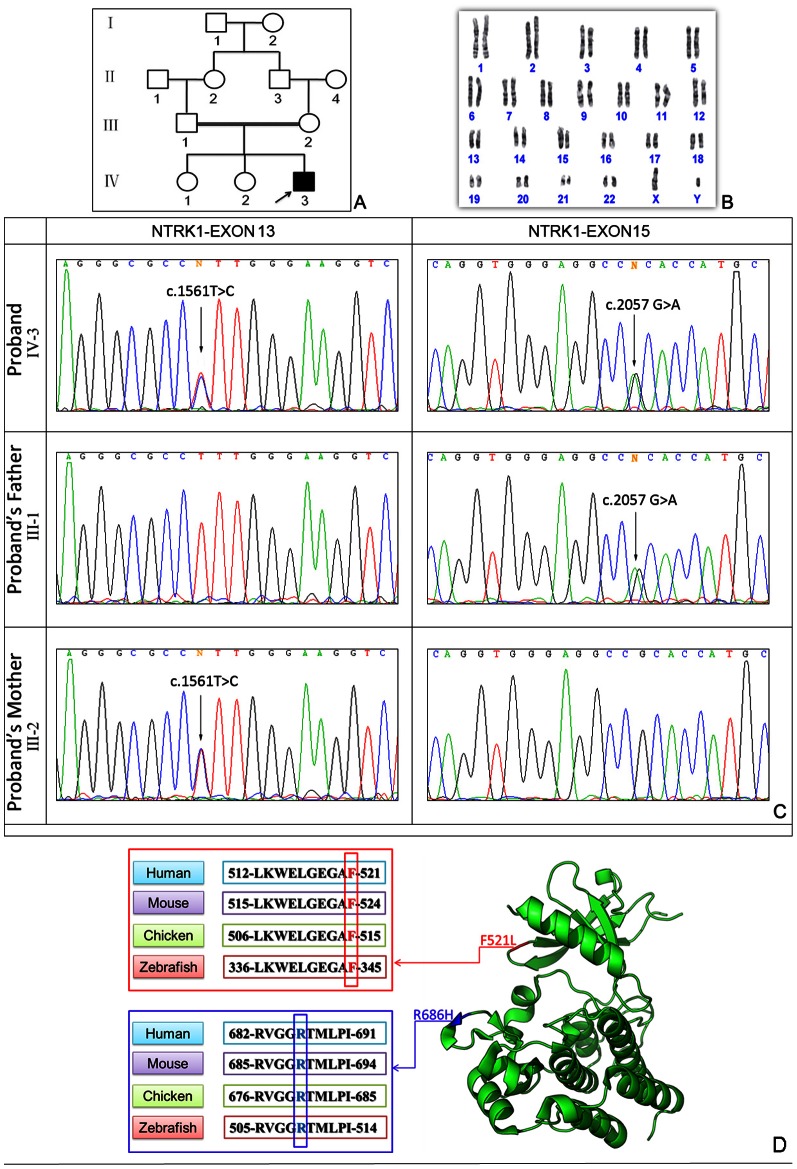
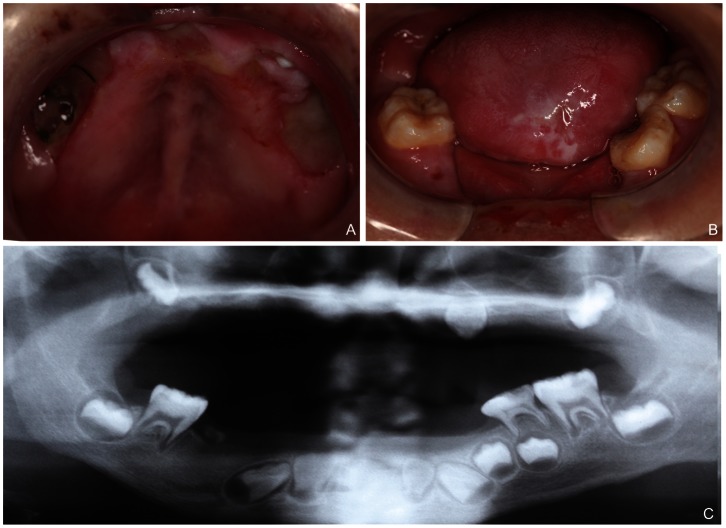
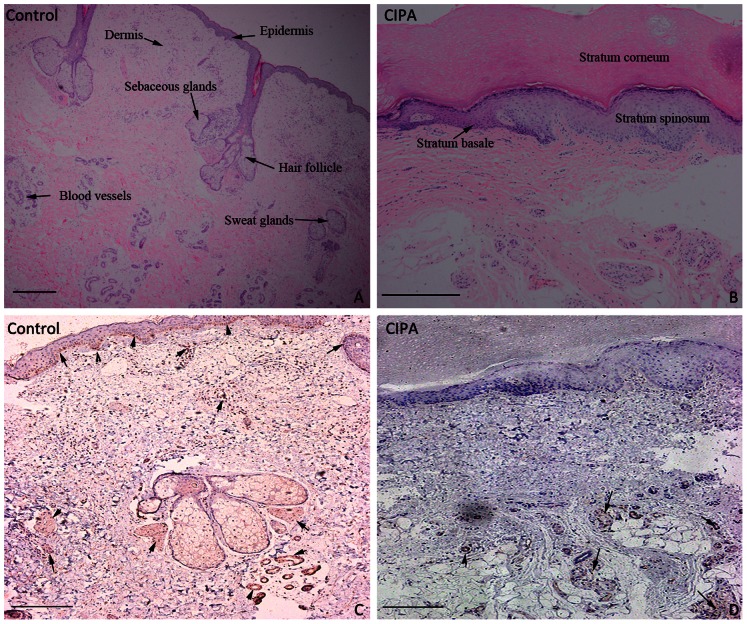
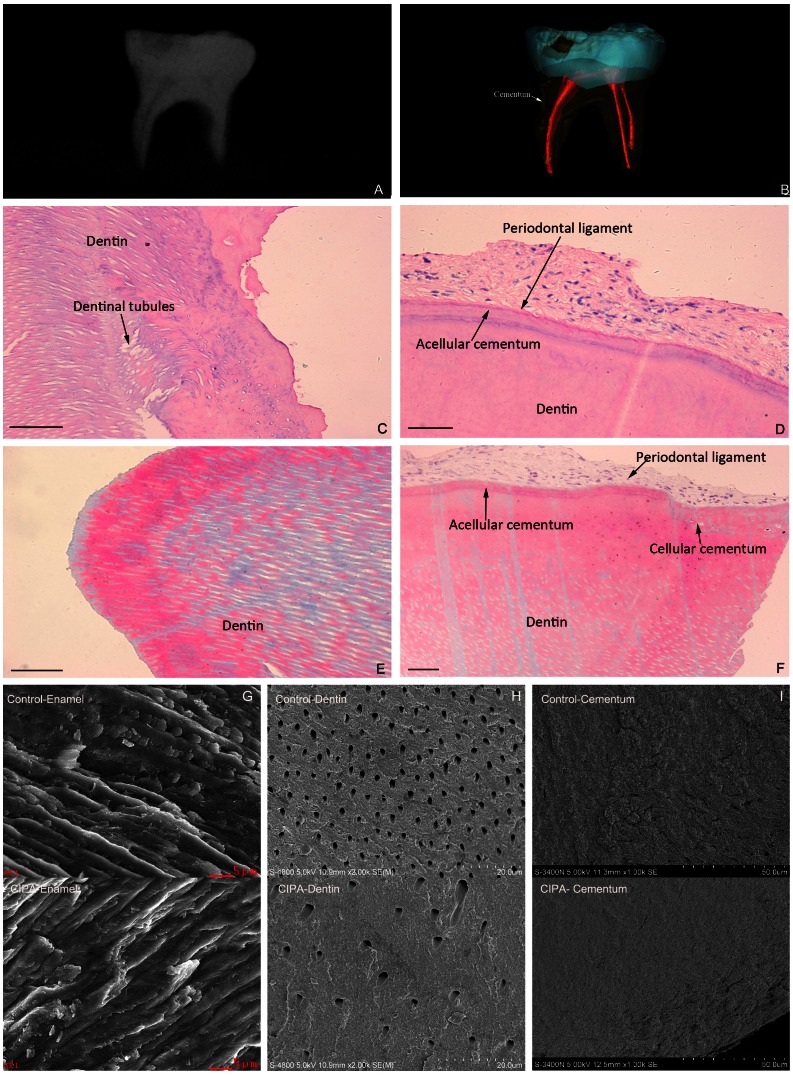
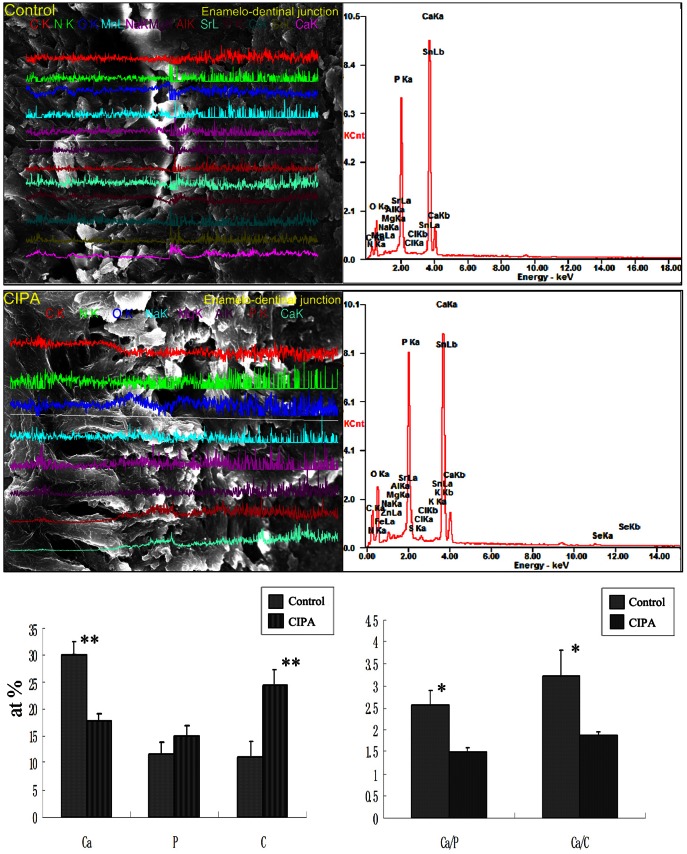
Congenital insensitivity to pain with anhidrosis (CIPA) is a rare inherited disorder of the peripheral nervous system resulting from mutations in neurotrophic tyrosine kinase receptor 1 gene (NTRK1), which encodes the high-affinity nerve growth factor receptor TRKA. Here, we investigated the oral and craniofacial manifestations of a Chinese patient affected by autosomal-recessive CIPA and identified compound heterozygosity in the NTRK1 gene. The affected boy has multisystemic disorder with lack of reaction to pain stimuli accompanied by self-mutilation behavior, the inability to sweat leading to defective thermoregulation, and mental retardation. Oral and craniofacial manifestations included a large number of missing teeth, nasal malformation, submucous cleft palate, severe soft tissue injuries, dental caries and malocclusion. Histopathological evaluation of the skin sample revealed severe peripheral nerve fiber loss as well as mild loss and absent innervation of sweat glands. Ultrastructural and morphometric studies of a shed tooth revealed dental abnormalities, including hypomineralization, dentin hypoplasia, cementogenesis defects and a dysplastic periodontal ligament. Genetic analysis revealed a compound heterozygosity--c.1561T>C and c.2057G>A in the NTRK1 gene. This report extends the spectrum of NTRK1 mutations observed in patients diagnosed with CIPA and provides additional insight for clinical and molecular diagnosis.
先天性无痛无汗症(CIPA)是一种罕见的遗传性周围神经系统疾病,由神经营养酪氨酸激酶受体 1 基因(NTRK1)突变引起,该基因编码高亲和力神经生长因子受体 TRKA。在这里,我们研究了一名常染色体隐性遗传 CIPA 患者的口腔和颅面表现,并确定了 NTRK1 基因的复合杂合性。受影响的男孩患有多种系统疾病,对疼痛刺激无反应,伴有自残行为,无法出汗导致体温调节功能缺陷,以及智力迟钝。口腔和颅面表现包括大量缺牙、鼻畸形、黏膜下腭裂、严重的软组织损伤、龋齿和错颌畸形。皮肤样本的组织病理学评估显示严重的周围神经纤维丧失以及汗腺的轻度丧失和无神经支配。脱落牙齿的超微结构和形态计量学研究显示出牙齿异常,包括矿化不全、牙本质发育不全、牙骨质形成缺陷和发育不良的牙周韧带。基因分析显示 NTRK1 基因存在复合杂合性--c.1561T>C 和 c.2057G>A。本报告扩展了 CIPA 患者中观察到的 NTRK1 突变谱,并为临床和分子诊断提供了更多的见解。