Plant Physiology, Department of Horticulture, College of Agriculture, Food and the Environment, University of Kentucky Lexington, KY, USA.
Front Plant Sci. 2013 Jun 19;4:181. doi: 10.3389/fpls.2013.00181. eCollection 2013.
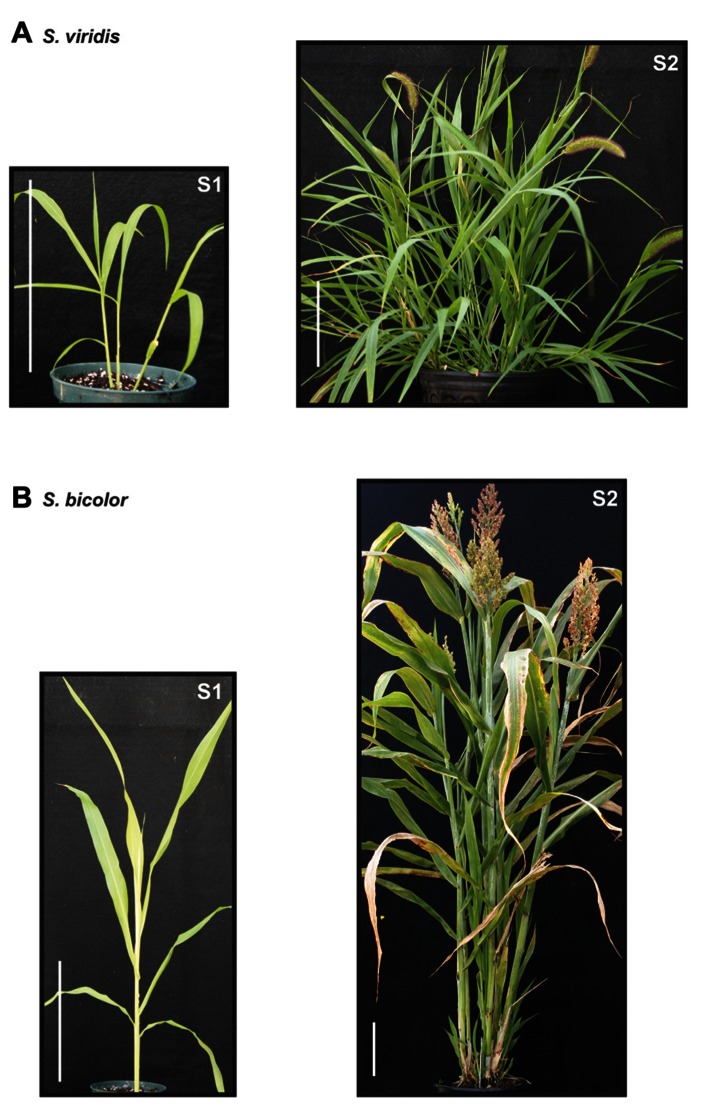
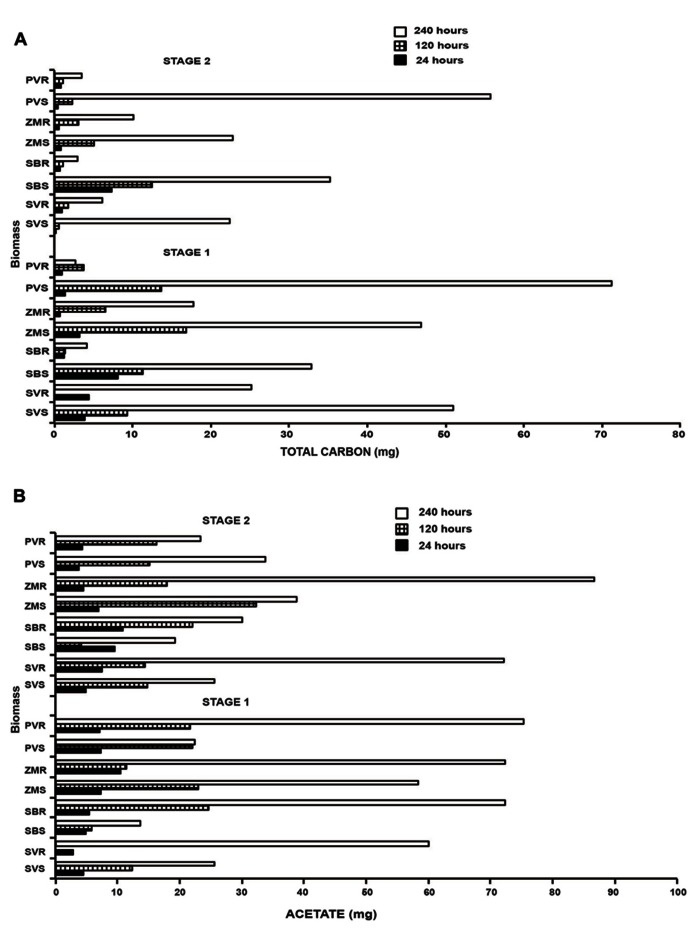
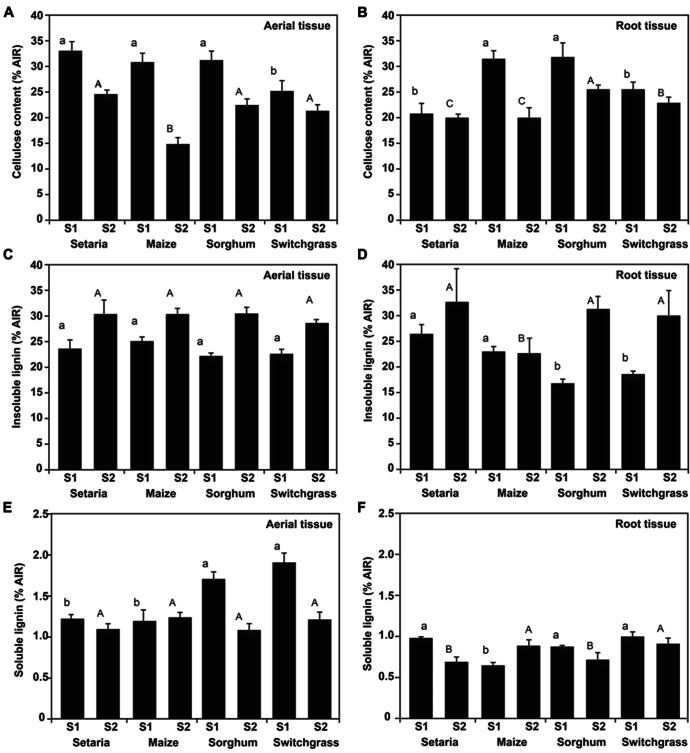
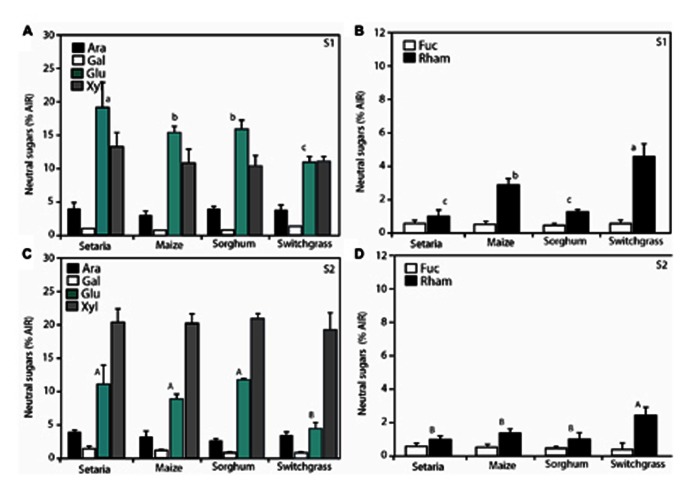
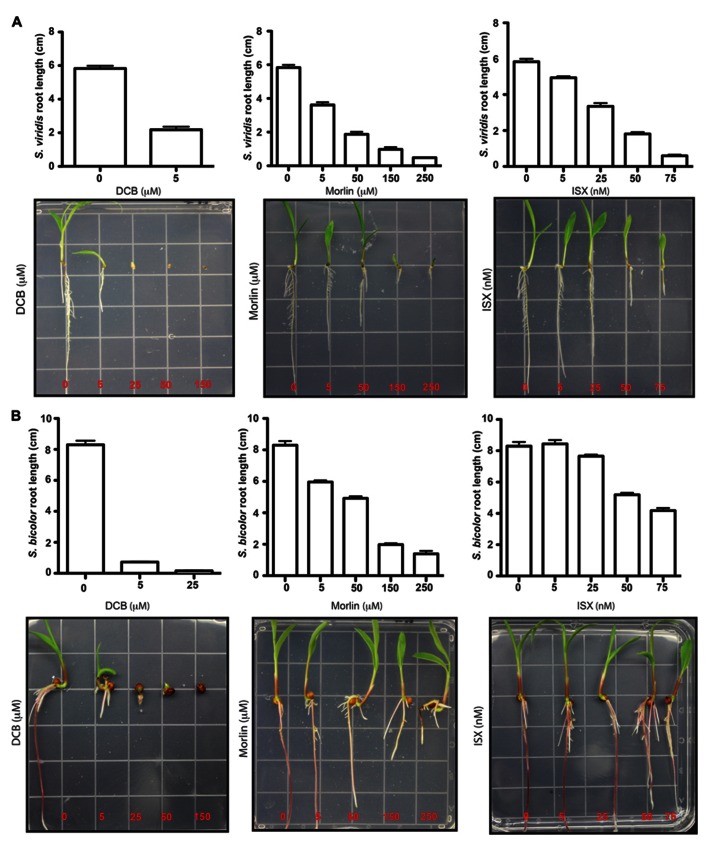
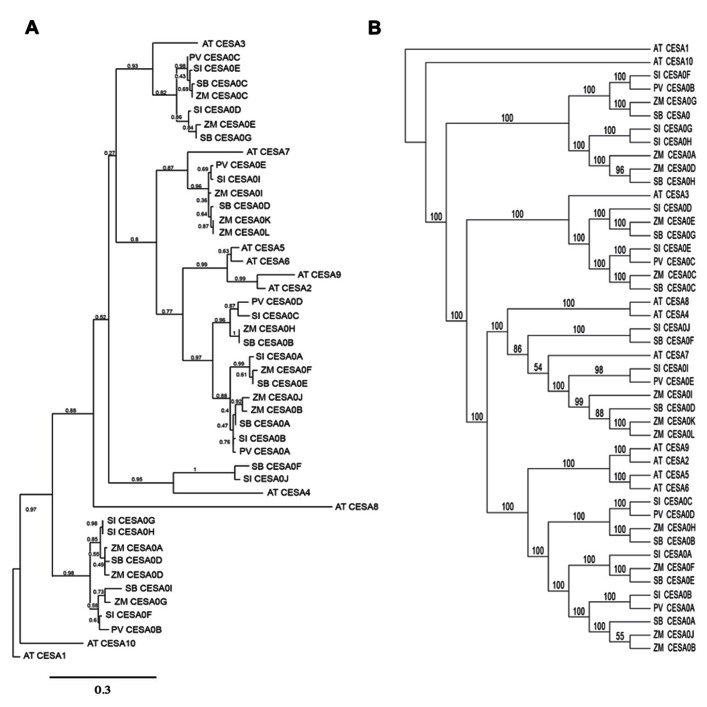
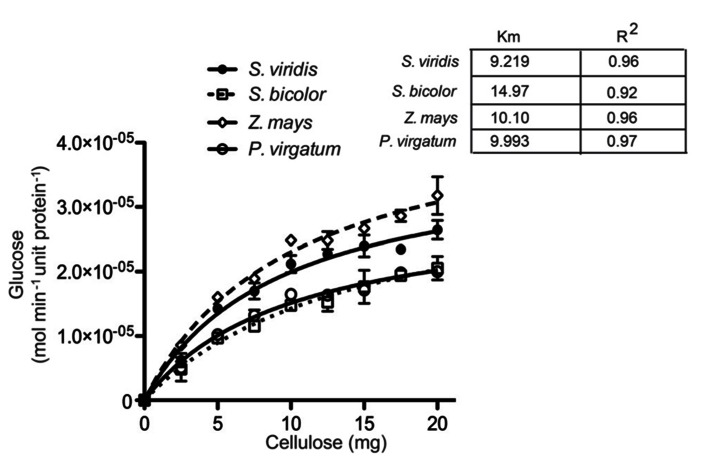
Second generation feedstocks for bioethanol will likely include a sizable proportion of perennial C4 grasses, principally in the Panicoideae clade. The Panicoideae contain agronomically important annual grasses including Zea mays L. (maize), Sorghum bicolor (L.) Moench (sorghum), and Saccharum officinarum L. (sugar cane) as well as promising second generation perennial feedstocks including Miscanthus×giganteus and Panicum virgatum L. (switchgrass). The underlying complexity of these polyploid grass genomes is a major limitation for their direct manipulation and thus driving a need for rapidly cycling comparative model. Setaria viridis (green millet) is a rapid cycling C4 panicoid grass with a relatively small and sequenced diploid genome and abundant seed production. Stable, transient, and protoplast transformation technologies have also been developed for Setaria viridis making it a potentially excellent model for other C4 bioenergy grasses. Here, the lignocellulosic feedstock composition, cellulose biosynthesis inhibitor response and saccharification dynamics of Setaria viridis are compared with the annual sorghum and maize and the perennial switchgrass bioenergy crops as a baseline study into the applicability for translational research. A genome-wide systematic investigation of the cellulose synthase-A genes was performed identifying eight candidate sequences. Two developmental stages; (a) metabolically active young tissue and (b) metabolically plateaued (mature) material are examined to compare biomass performance metrics.
第二代生物乙醇原料可能包括相当大比例的多年生 C4 禾本科植物,主要来自 Panicoideae 分支。Panicoideae 包含重要的农艺一年生禾本科植物,包括 Zea mays L.(玉米)、Sorghum bicolor(高粱)和 Saccharum officinarum L.(甘蔗),以及有前途的第二代多年生饲料作物,包括 Miscanthus×giganteus 和 Panicum virgatum L.(柳枝稷)。这些多倍体禾本科植物基因组的基本复杂性是直接操纵它们的主要限制因素,因此需要快速循环的比较模型。Setaria viridis(绿小米)是一种快速循环的 C4 禾本科植物,具有相对较小的已测序二倍体基因组和丰富的种子产量。Setaria viridis 也已经开发出稳定、瞬时和原生质体转化技术,使其成为其他 C4 生物能源草的潜在优秀模型。在这里,将对 Setaria viridis 的木质纤维素饲料成分、纤维素生物合成抑制剂反应和糖化动力学与一年生高粱和玉米以及多年生柳枝稷生物能源作物进行比较,作为转化研究适用性的基线研究。对纤维素合酶-A 基因进行了全基因组系统研究,鉴定出 8 个候选序列。检查了两个发育阶段;(a)代谢活跃的年轻组织和(b)代谢稳定(成熟)的材料,以比较生物质性能指标。