Cardiovascular Research Center, Box 1030, Icahn School of Medicine at Mount Sinai, 1470 Madison Ave, New York, NY 10029, USA.
Circulation. 2013 Jul 30;128(5):512-23. doi: 10.1161/CIRCULATIONAHA.113.001585. Epub 2013 Jun 26.
Pulmonary arterial hypertension (PAH) is characterized by dysregulated proliferation of pulmonary artery smooth muscle cells leading to (mal)adaptive vascular remodeling. In the systemic circulation, vascular injury is associated with downregulation of sarcoplasmic reticulum Ca(2+)-ATPase 2a (SERCA2a) and alterations in Ca(2+) homeostasis in vascular smooth muscle cells that stimulate proliferation. We, therefore, hypothesized that downregulation of SERCA2a is permissive for pulmonary vascular remodeling and the development of PAH.
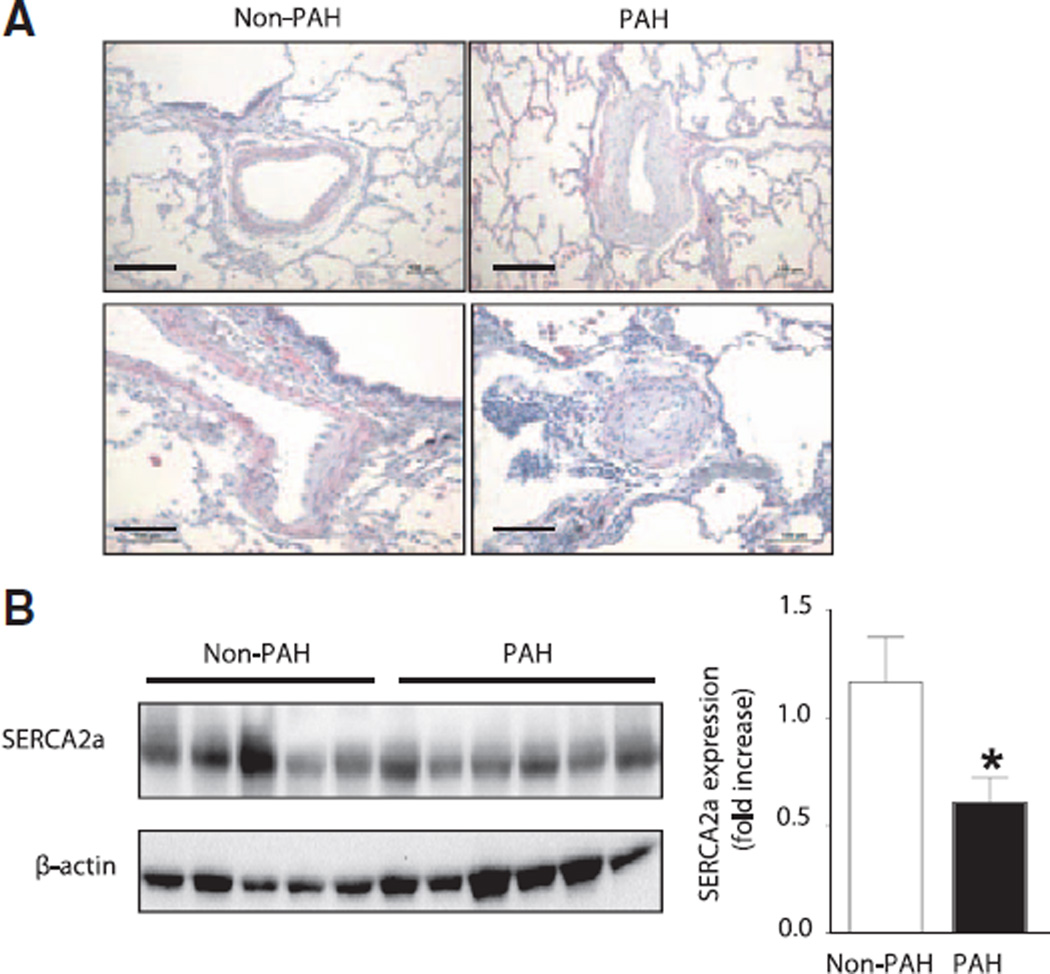
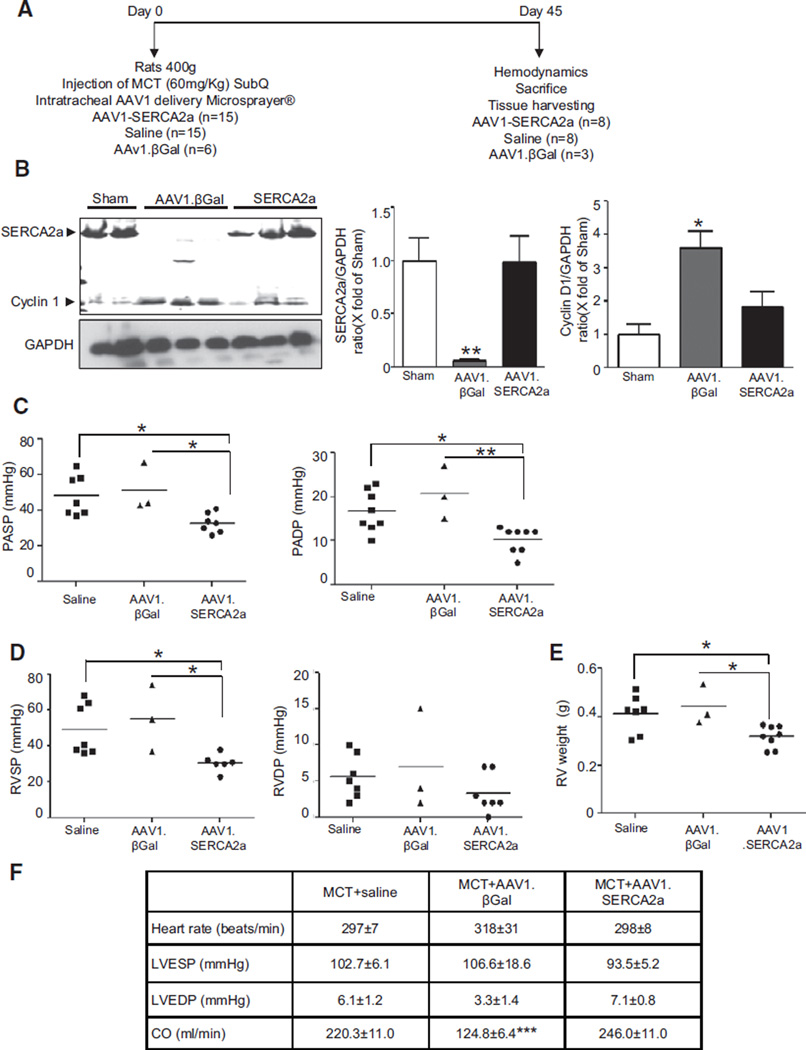
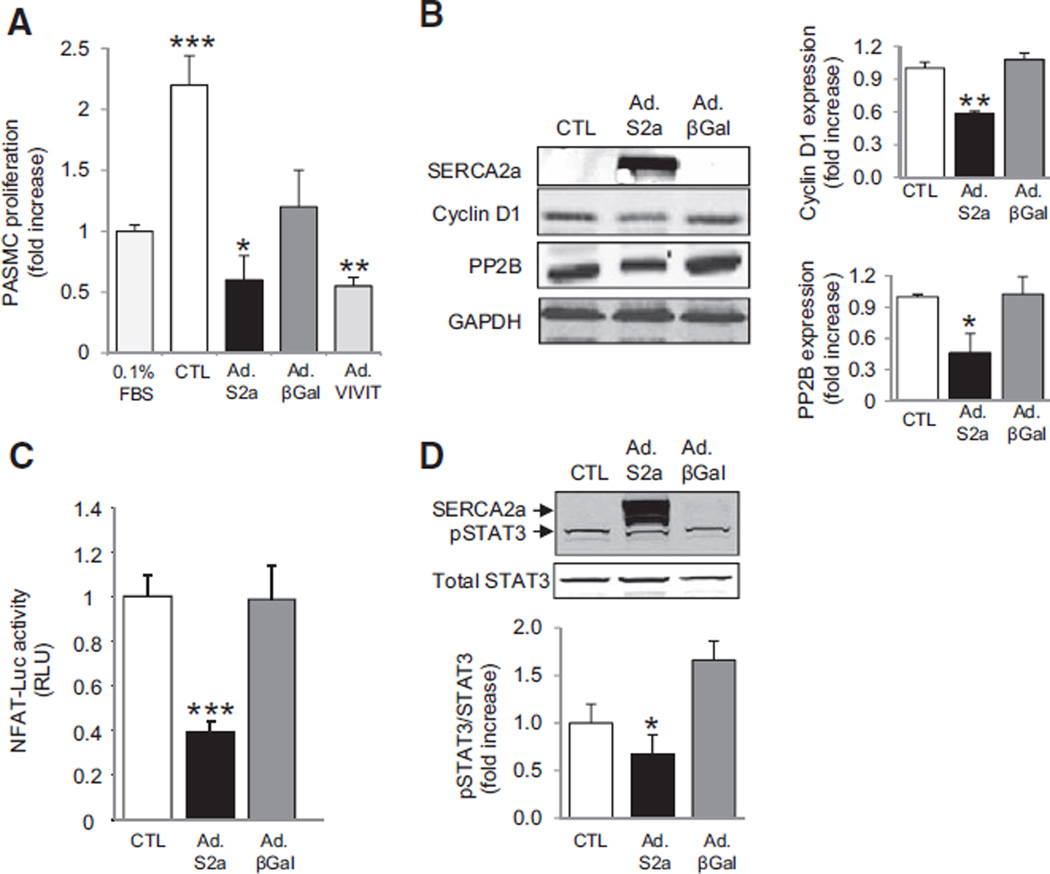
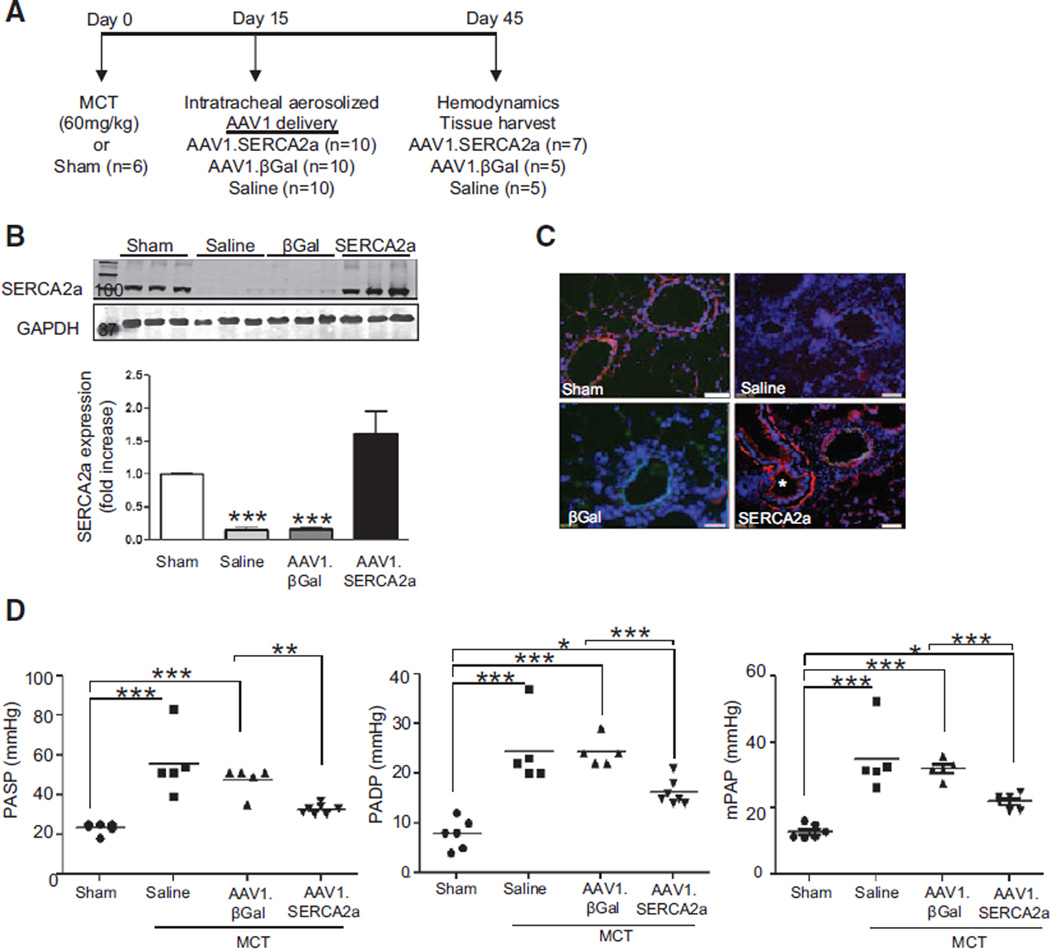
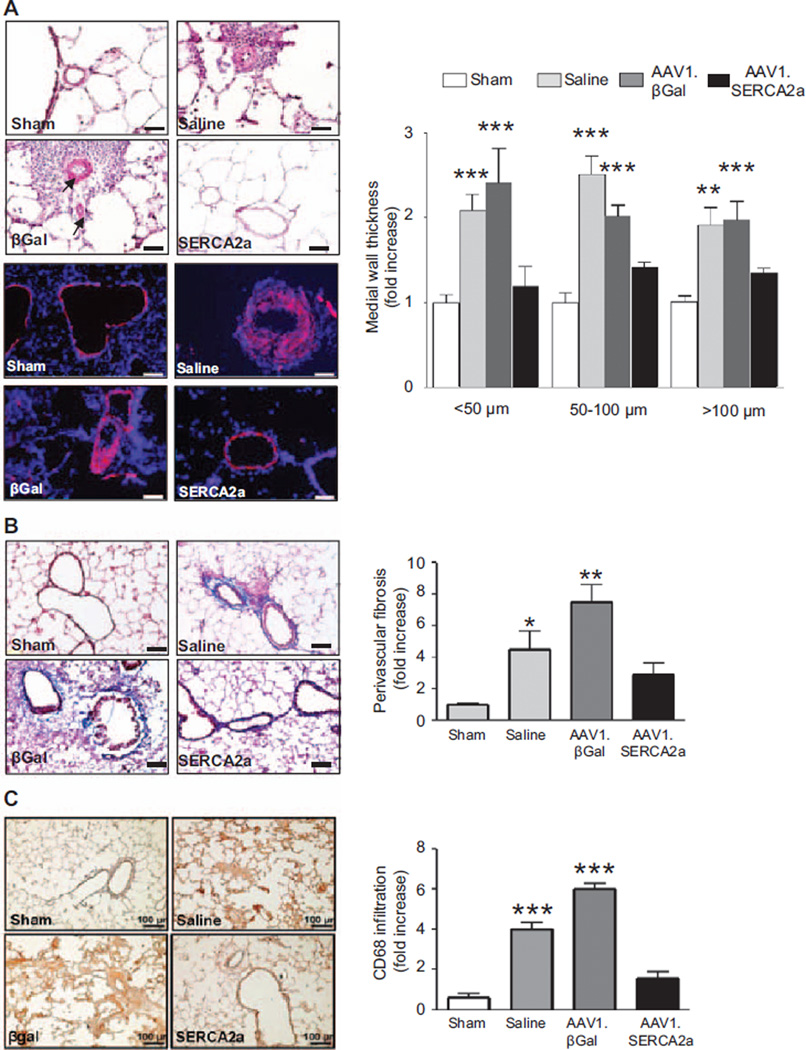
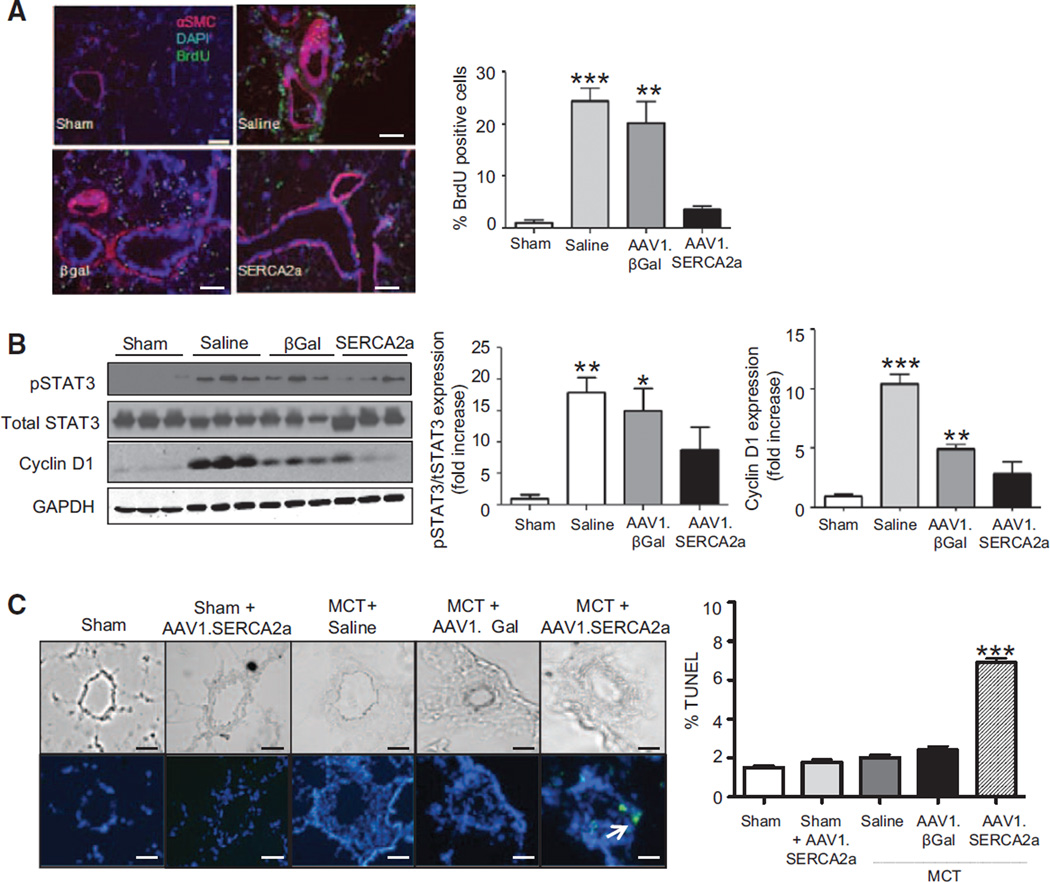
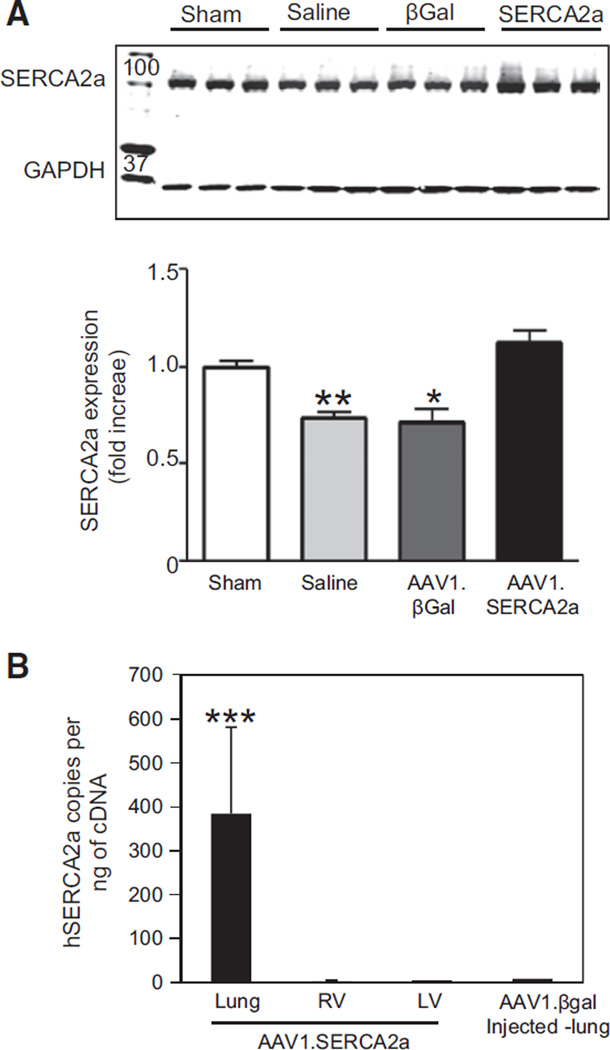
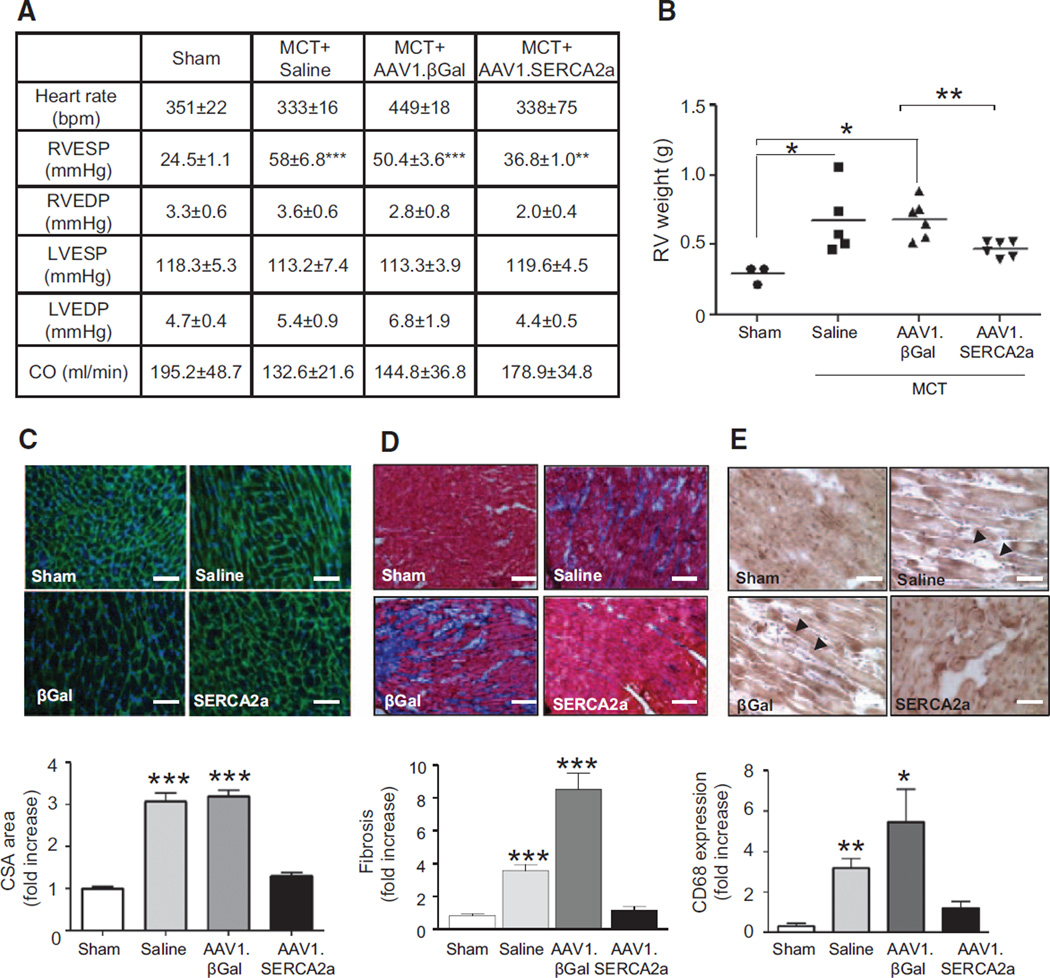
SERCA2a expression was decreased significantly in remodeled pulmonary arteries from patients with PAH and the rat monocrotaline model of PAH in comparison with controls. In human pulmonary artery smooth muscle cells in vitro, SERCA2a overexpression by gene transfer decreased proliferation and migration significantly by inhibiting NFAT/STAT3. Overexpresion of SERCA2a in human pulmonary artery endothelial cells in vitro increased endothelial nitric oxide synthase expression and activation. In monocrotaline rats with established PAH, gene transfer of SERCA2a via intratracheal delivery of aerosolized adeno-associated virus serotype 1 (AAV1) carrying the human SERCA2a gene (AAV1.SERCA2a) decreased pulmonary artery pressure, vascular remodeling, right ventricular hypertrophy, and fibrosis in comparison with monocrotaline-PAH rats treated with a control AAV1 carrying β-galactosidase or saline. In a prevention protocol, aerosolized AAV1.SERCA2a delivered at the time of monocrotaline administration limited adverse hemodynamic profiles and indices of pulmonary and cardiac remodeling in comparison with rats administered AAV1 carrying β-galactosidase or saline.
Downregulation of SERCA2a plays a critical role in modulating the vascular and right ventricular pathophenotype associated with PAH. Selective pulmonary SERCA2a gene transfer may offer benefit as a therapeutic intervention in PAH.
肺动脉高压(PAH)的特征是肺动脉平滑肌细胞的失调性增殖,导致(不良)血管重塑。在体循环中,血管损伤与肌浆网 Ca2+-ATPase 2a(SERCA2a)的下调以及血管平滑肌细胞中 Ca2+稳态的改变有关,这些改变会刺激增殖。因此,我们假设 SERCA2a 的下调有利于肺血管重塑和 PAH 的发展。
与对照组相比,PAH 患者和大鼠野百合碱型 PAH 模型的重塑肺动脉中 SERCA2a 的表达明显降低。在体外人肺动脉平滑肌细胞中,通过基因转移过表达 SERCA2a 可通过抑制 NFAT/STAT3 显著减少增殖和迁移。在体外人肺动脉内皮细胞中过表达 SERCA2a 可增加内皮型一氧化氮合酶的表达和激活。在已建立的 PAH 野百合碱大鼠中,通过气管内雾化传递携带人 SERCA2a 基因的腺相关病毒血清型 1(AAV1)(AAV1.SERCA2a)的基因转移,与用携带β-半乳糖苷酶的 AAV1 或生理盐水治疗的野百合碱-PAH 大鼠相比,降低了肺动脉压、血管重塑、右心室肥厚和纤维化。在预防方案中,与给予携带β-半乳糖苷酶的 AAV1 或生理盐水的大鼠相比,在给予野百合碱时给予雾化 AAV1.SERCA2a 可限制不良血流动力学特征和肺及心脏重塑的指标。
SERCA2a 的下调在调节与 PAH 相关的血管和右心室病理表型中起关键作用。选择性肺 SERCA2a 基因转移可能作为 PAH 的治疗干预提供益处。