Jia Hao, Chen Wei, Yu Xiaoping, Wu Xiuhua, Li Shuai, Liu Hong, Liao Jiru, Liu Weihua, Mi Mantian, Liu Longjian, Cheng Daomei
Department of Public Health, Chengdu Medical College, Chengdu City, 610050, China.
J Vet Sci. 2013;14(3):345-53. doi: 10.4142/jvs.2013.14.3.345. Epub 2013 Jun 28.
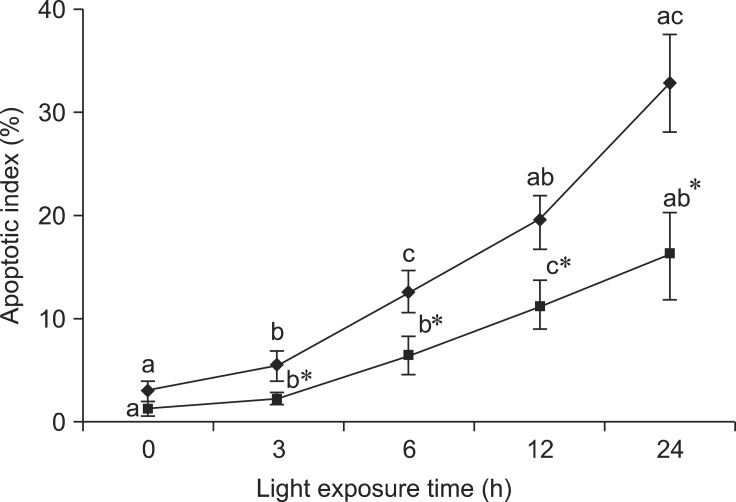
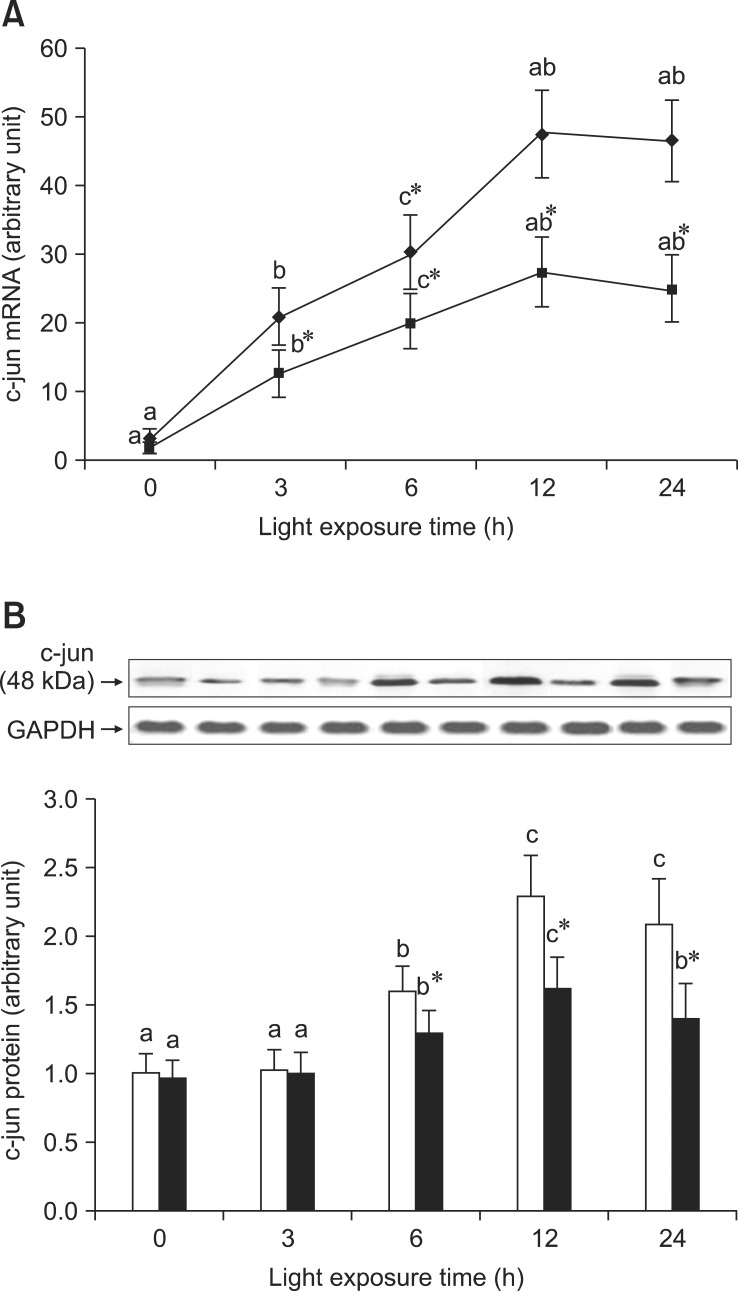
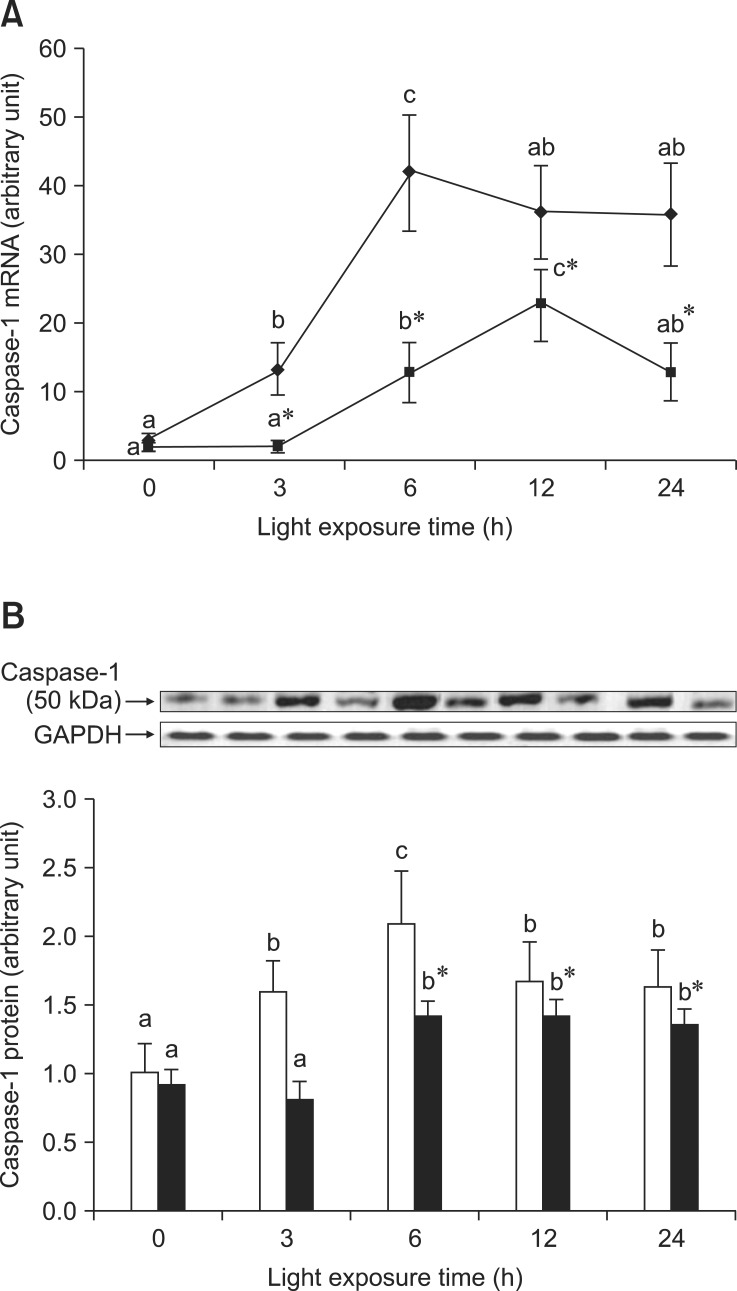
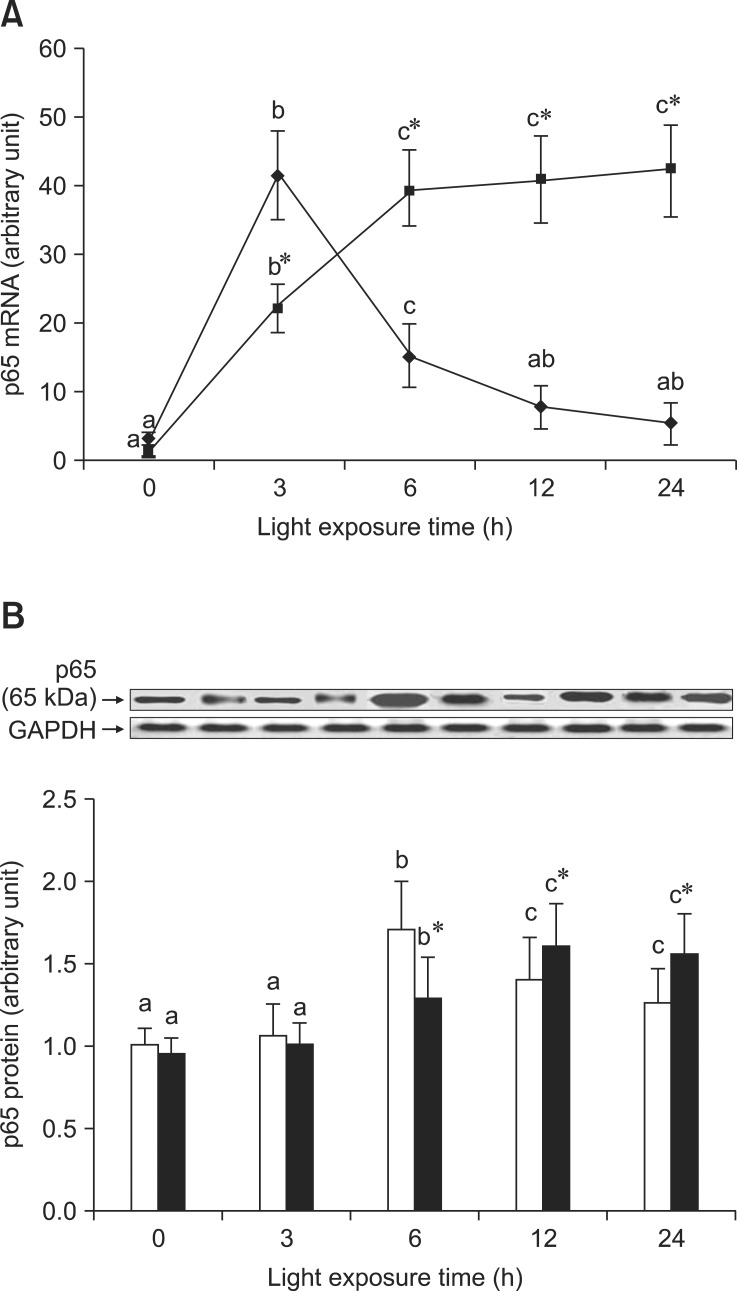
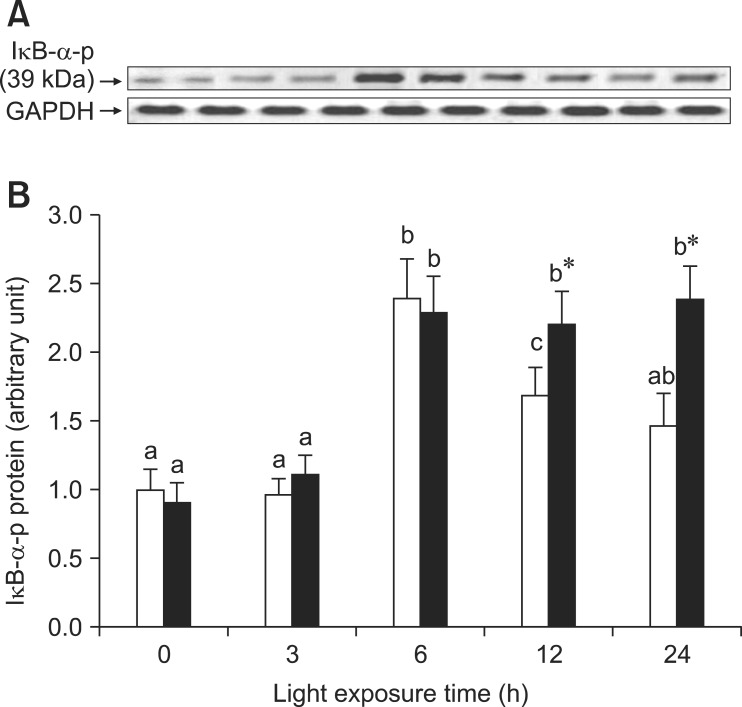
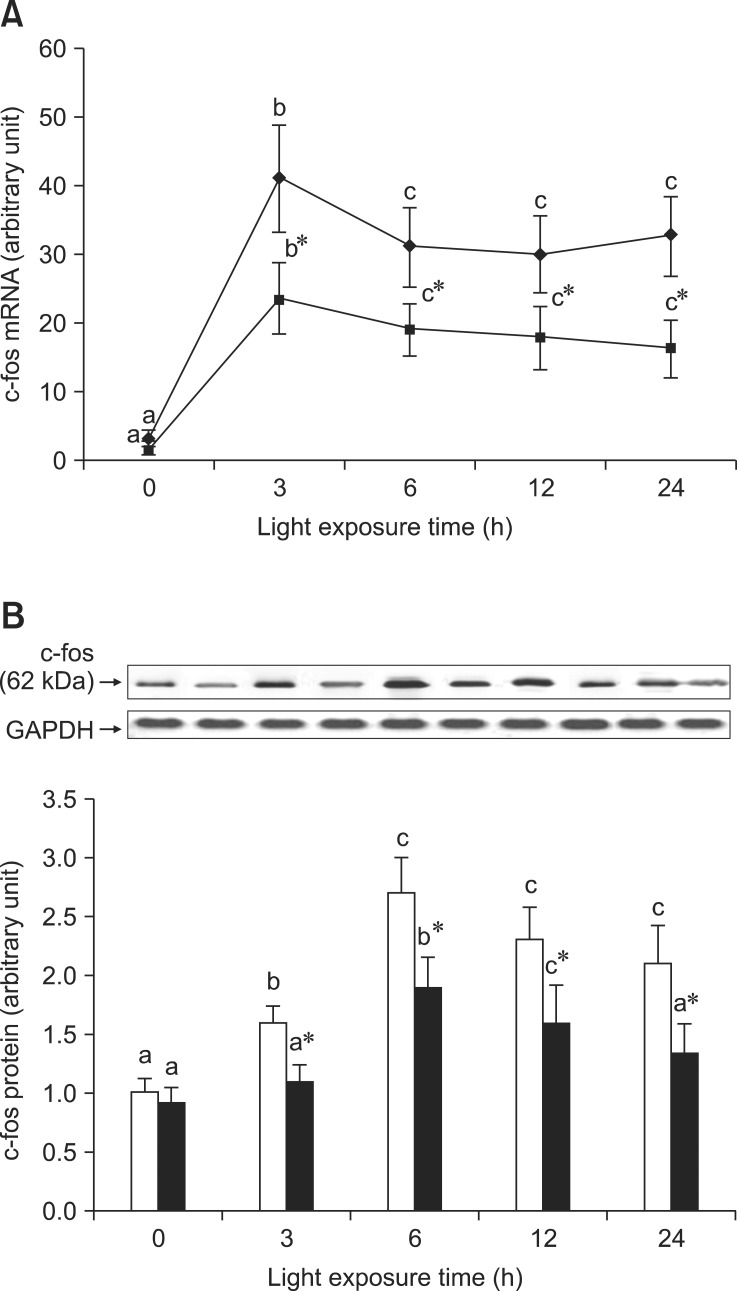
The effects of black rice anthocyanidins (BRACs) on retinal damage induced by photochemical stress are not well known. In the present study, Sprague-Dawley rats were fed AIN-93M for 1 week, after which 80 rats were randomly divided into two groups and treated with (n = 40) or without BRACs (n = 40) for 15 days, respectively. After treatment, both groups were exposed to fluorescent light (3,000 ± 200 lux; 25°C), and the protective effect of dietary BRACs were evaluated afterwards. Our results showed that dietary BRACs effectively prevented retinal photochemical damage and inhibited the retinal cells apoptosis induced by fluorescent light (p < 0.05). Moreover, dietary BRACs inhibited expression of AP-1 (c-fos/c-jun subunits), up-regulated NF-κB (p65) expression and phosphorylation of IκB-α, and decreased Caspase-1 expression (p < 0.05). These results suggest that BRACs improve retinal damage produced by photochemical stress in rats via AP-1/NF-κB/Caspase-1 apoptotic mechanisms.
黑米花青素(BRACs)对光化学应激诱导的视网膜损伤的影响尚不明确。在本研究中,将Sprague-Dawley大鼠用AIN-93M饲料喂养1周,之后将80只大鼠随机分为两组,分别给予BRACs处理(n = 40)或不给予BRACs处理(n = 40),持续15天。处理后,两组大鼠均暴露于荧光灯下(3000±200勒克斯;25℃),之后评估膳食BRACs的保护作用。我们的结果表明,膳食BRACs有效预防了视网膜光化学损伤,并抑制了荧光灯诱导的视网膜细胞凋亡(p<0.05)。此外,膳食BRACs抑制AP-1(c-fos/c-jun亚基)的表达,上调NF-κB(p65)的表达以及IκB-α的磷酸化,并降低Caspase-1的表达(p<0.05)。这些结果表明,BRACs通过AP-1/NF-κB/Caspase-1凋亡机制改善大鼠光化学应激所致的视网膜损伤。