• 文献检索
  • 文档翻译
  • 深度研究
  • 学术资讯
  • Suppr Zotero 插件Zotero 插件
  • 邀请有礼
  • 套餐&价格
  • 历史记录
应用&插件
Suppr Zotero 插件Zotero 插件浏览器插件Mac 客户端Windows 客户端微信小程序
定价
高级版会员购买积分包购买API积分包
服务
文献检索文档翻译深度研究API 文档MCP 服务
关于我们
关于 Suppr公司介绍联系我们用户协议隐私条款
关注我们

Suppr 超能文献

核心技术专利:CN118964589B侵权必究
粤ICP备2023148730 号-1Suppr @ 2026

文献检索

告别复杂PubMed语法,用中文像聊天一样搜索,搜遍4000万医学文献。AI智能推荐,让科研检索更轻松。

立即免费搜索

文件翻译

保留排版,准确专业,支持PDF/Word/PPT等文件格式,支持 12+语言互译。

免费翻译文档

深度研究

AI帮你快速写综述,25分钟生成高质量综述,智能提取关键信息,辅助科研写作。

立即免费体验

硬蜱来源的新型免疫调节剂选择性重编程人类树突状细胞反应。

Novel immunomodulators from hard ticks selectively reprogramme human dendritic cell responses.

机构信息

Nuffield Department of Surgical Sciences, University of Oxford, John Radcliffe Hospital, Oxford, United Kingdom.

出版信息

PLoS Pathog. 2013;9(6):e1003450. doi: 10.1371/journal.ppat.1003450. Epub 2013 Jun 27.

DOI:10.1371/journal.ppat.1003450
PMID:23825947
原文链接:https://pmc.ncbi.nlm.nih.gov/articles/PMC3695081/
Abstract

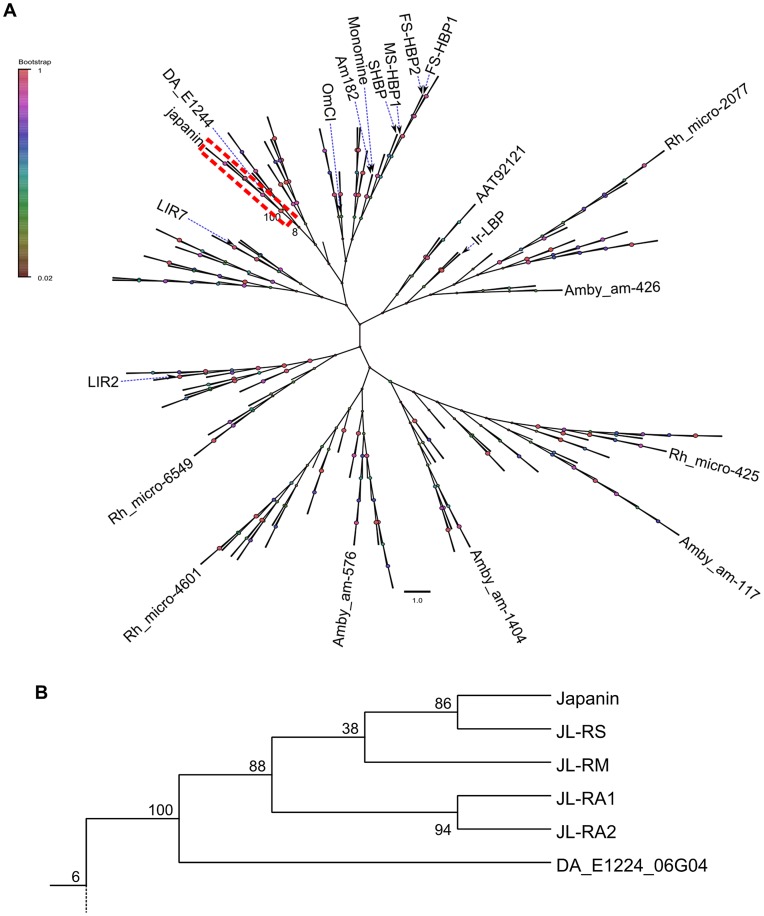
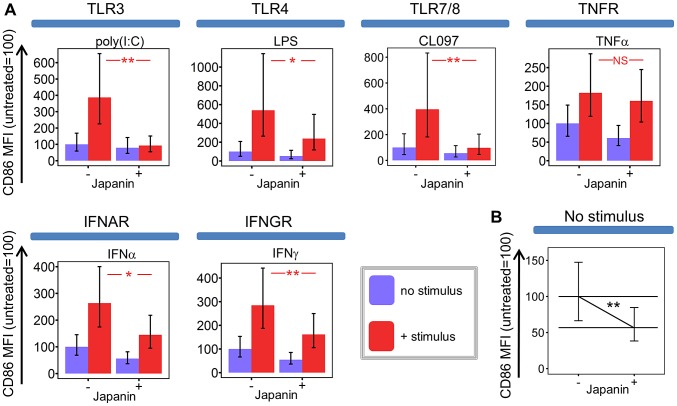
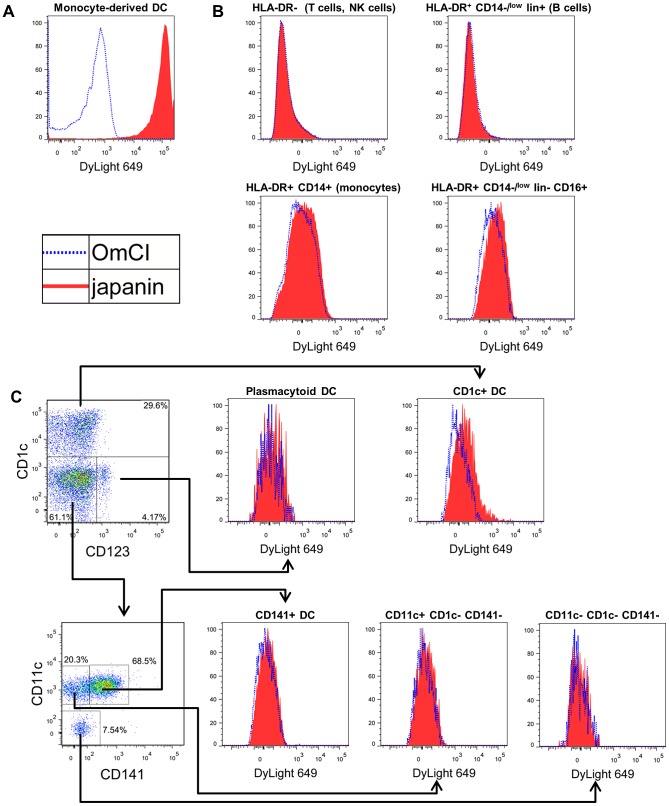
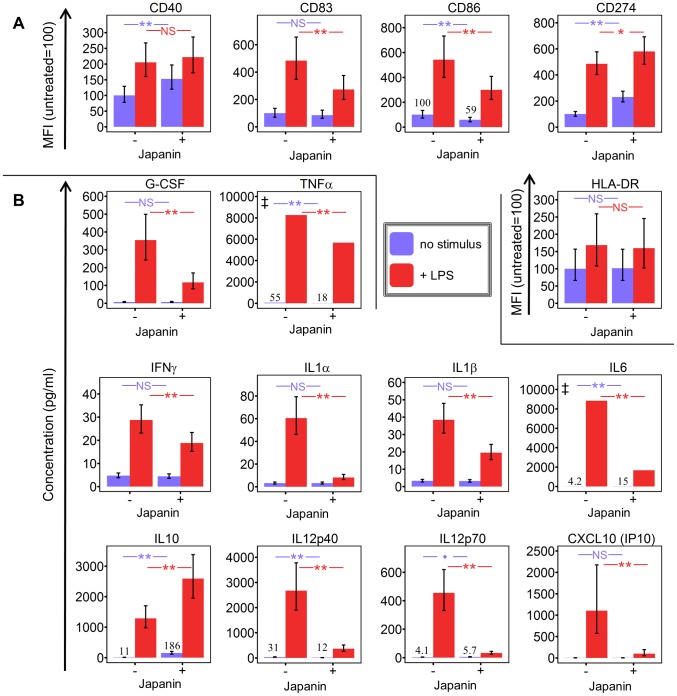
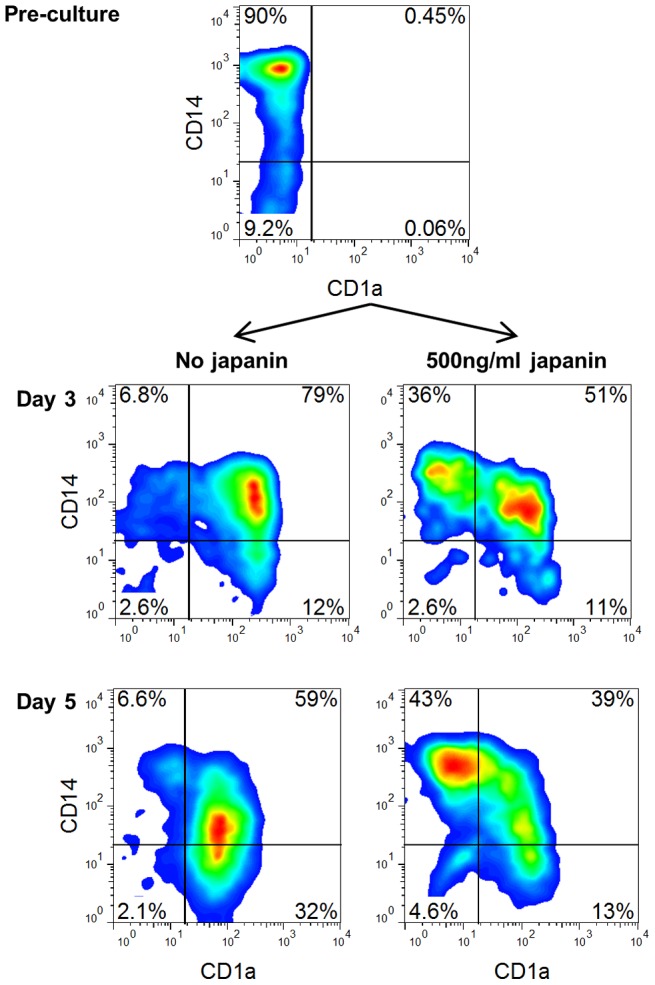
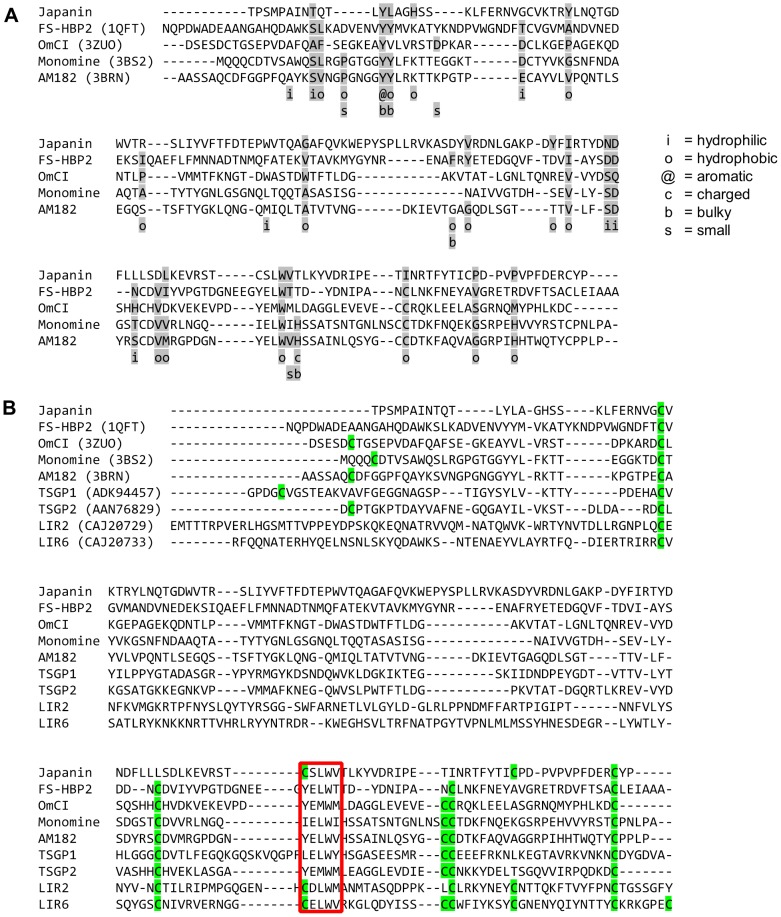
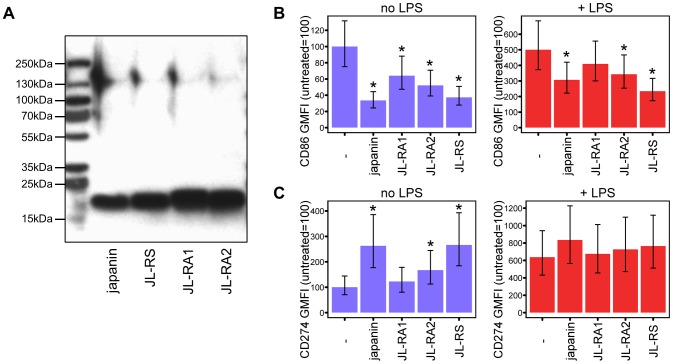
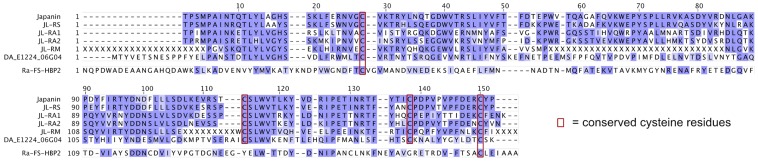
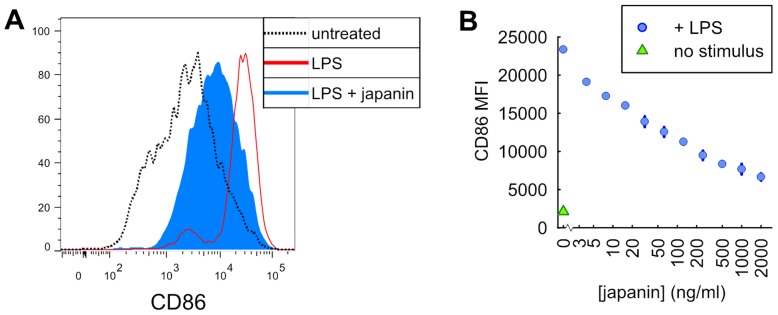
Hard ticks subvert the immune responses of their vertebrate hosts in order to feed for much longer periods than other blood-feeding ectoparasites; this may be one reason why they transmit perhaps the greatest diversity of pathogens of any arthropod vector. Tick-induced immunomodulation is mediated by salivary components, some of which neutralise elements of innate immunity or inhibit the development of adaptive immunity. As dendritic cells (DC) trigger and help to regulate adaptive immunity, they are an ideal target for immunomodulation. However, previously described immunoactive components of tick saliva are either highly promiscuous in their cellular and molecular targets or have limited effects on DC. Here we address the question of whether the largest and globally most important group of ticks (the ixodid metastriates) produce salivary molecules that specifically modulate DC activity. We used chromatography to isolate a salivary gland protein (Japanin) from Rhipicephalus appendiculatus ticks. Japanin was cloned, and recombinant protein was produced in a baculoviral expression system. We found that Japanin specifically reprogrammes DC responses to a wide variety of stimuli in vitro, radically altering their expression of co-stimulatory and co-inhibitory transmembrane molecules (measured by flow cytometry) and their secretion of pro-inflammatory, anti-inflammatory and T cell polarising cytokines (assessed by Luminex multiplex assays); it also inhibits the differentiation of DC from monocytes. Sequence alignments and enzymatic deglycosylation revealed Japanin to be a 17.7 kDa, N-glycosylated lipocalin. Using molecular cloning and database searches, we have identified a group of homologous proteins in R. appendiculatus and related species, three of which we have expressed and shown to possess DC-modulatory activity. All data were obtained using DC generated from at least four human blood donors, with rigorous statistical analysis. Our results suggest a previously unknown mechanism for parasite-induced subversion of adaptive immunity, one which may also facilitate pathogen transmission.

摘要

硬蜱通过唾液成分来调节宿主的免疫反应,从而延长其吸血时间,比其他吸血外寄生虫吸血时间更长;这可能是硬蜱作为节肢动物传播者传播最多样化的病原体的原因之一。蜱诱导的免疫调节是由唾液成分介导的,其中一些成分中和先天免疫的成分或抑制适应性免疫的发展。由于树突状细胞 (DC) 触发并有助于调节适应性免疫,因此它们是免疫调节的理想目标。然而,以前描述的蜱唾液中的免疫活性成分在其细胞和分子靶标上要么高度混杂,要么对 DC 的影响有限。在这里,我们提出了这样一个问题,即最大和全球最重要的蜱类(硬蜱亚目)是否产生专门调节 DC 活性的唾液分子。我们使用色谱法从 Rhipicephalus appendiculatus 蜱中分离出一种唾液腺蛋白(Japanin)。Japanin 被克隆,并在杆状病毒表达系统中产生重组蛋白。我们发现 Japanin 可特异性地重新编程 DC 对各种体外刺激的反应,从根本上改变其共刺激和共抑制跨膜分子的表达(通过流式细胞术测量)及其促炎、抗炎和 T 细胞极化细胞因子的分泌(通过 Luminex 多重分析评估);它还抑制单核细胞向 DC 的分化。序列比对和酶糖基化降解表明 Japanin 是一种 17.7 kDa 的 N-糖基化脂联素。使用分子克隆和数据库搜索,我们在 R. appendiculatus 和相关物种中鉴定出一组同源蛋白,其中三种我们已表达并证明具有 DC 调节活性。所有数据均使用至少来自四个供体的 DC 获得,并进行了严格的统计分析。我们的结果表明了寄生虫诱导适应性免疫逃避的一种未知机制,这也可能有助于病原体的传播。
https://cdn.ncbi.nlm.nih.gov/pmc/blobs/a108/3695081/130abfd33807/ppat.1003450.g009.jpg
https://cdn.ncbi.nlm.nih.gov/pmc/blobs/a108/3695081/b293d7fecebc/ppat.1003450.g001.jpg
https://cdn.ncbi.nlm.nih.gov/pmc/blobs/a108/3695081/aeba84035226/ppat.1003450.g002.jpg
https://cdn.ncbi.nlm.nih.gov/pmc/blobs/a108/3695081/e09693514a40/ppat.1003450.g003.jpg
https://cdn.ncbi.nlm.nih.gov/pmc/blobs/a108/3695081/86095d7b049b/ppat.1003450.g004.jpg
https://cdn.ncbi.nlm.nih.gov/pmc/blobs/a108/3695081/5bd91ce37c81/ppat.1003450.g005.jpg
https://cdn.ncbi.nlm.nih.gov/pmc/blobs/a108/3695081/3ddc2c556a7e/ppat.1003450.g006.jpg
https://cdn.ncbi.nlm.nih.gov/pmc/blobs/a108/3695081/2b51204ca137/ppat.1003450.g007.jpg
https://cdn.ncbi.nlm.nih.gov/pmc/blobs/a108/3695081/7a1cda02e4a0/ppat.1003450.g008.jpg
https://cdn.ncbi.nlm.nih.gov/pmc/blobs/a108/3695081/130abfd33807/ppat.1003450.g009.jpg
https://cdn.ncbi.nlm.nih.gov/pmc/blobs/a108/3695081/b293d7fecebc/ppat.1003450.g001.jpg
https://cdn.ncbi.nlm.nih.gov/pmc/blobs/a108/3695081/aeba84035226/ppat.1003450.g002.jpg
https://cdn.ncbi.nlm.nih.gov/pmc/blobs/a108/3695081/e09693514a40/ppat.1003450.g003.jpg
https://cdn.ncbi.nlm.nih.gov/pmc/blobs/a108/3695081/86095d7b049b/ppat.1003450.g004.jpg
https://cdn.ncbi.nlm.nih.gov/pmc/blobs/a108/3695081/5bd91ce37c81/ppat.1003450.g005.jpg
https://cdn.ncbi.nlm.nih.gov/pmc/blobs/a108/3695081/3ddc2c556a7e/ppat.1003450.g006.jpg
https://cdn.ncbi.nlm.nih.gov/pmc/blobs/a108/3695081/2b51204ca137/ppat.1003450.g007.jpg
https://cdn.ncbi.nlm.nih.gov/pmc/blobs/a108/3695081/7a1cda02e4a0/ppat.1003450.g008.jpg
https://cdn.ncbi.nlm.nih.gov/pmc/blobs/a108/3695081/130abfd33807/ppat.1003450.g009.jpg

相似文献

1
Novel immunomodulators from hard ticks selectively reprogramme human dendritic cell responses.硬蜱来源的新型免疫调节剂选择性重编程人类树突状细胞反应。
PLoS Pathog. 2013;9(6):e1003450. doi: 10.1371/journal.ppat.1003450. Epub 2013 Jun 27.
2
Tick Salivary Cholinesterase: A Probable Immunomodulator of Host-parasite Interactions.蜱唾液胆碱酯酶:宿主-寄生虫相互作用中一种可能的免疫调节剂。
J Med Entomol. 2016 May;53(3):500-504. doi: 10.1093/jme/tjv252. Epub 2016 Jan 21.
3
Immunosuppressive effects of tick protein RHcyst-1 on murine bone marrow-derived dendritic cells.蜱蛋白 RHcyst-1 对鼠骨髓来源树突状细胞的免疫抑制作用。
Parasit Vectors. 2019 Apr 15;12(1):169. doi: 10.1186/s13071-019-3411-1.
4
Immune and biochemical responses in skin differ between bovine hosts genetically susceptible and resistant to the cattle tick Rhipicephalus microplus.在对微小牛蜱具有遗传易感性和抗性的牛宿主之间,皮肤中的免疫和生化反应存在差异。
Parasit Vectors. 2017 Jan 31;10(1):51. doi: 10.1186/s13071-016-1945-z.
5
Identification of four novel Rhipicephalus annulatus upregulated salivary gland proteins as candidate vaccines.鉴定四个新型硬蜱唾液腺上调蛋白作为候选疫苗。
Protein J. 2013 Jun;32(5):392-8. doi: 10.1007/s10930-013-9498-x.
6
Immune recognition of salivary proteins from the cattle tick Rhipicephalus microplus differs according to the genotype of the bovine host.牛蜱唾液蛋白的免疫识别因牛宿主的基因型而异。
Parasit Vectors. 2017 Mar 14;10(1):144. doi: 10.1186/s13071-017-2077-9.
7
Gene Expression in the Salivary Gland of Fed on Tick-Susceptible and Tick-Resistant Hosts.在以对蜱易感和对蜱不易感的宿主为食的唾液腺中基因表达。
Front Cell Infect Microbiol. 2020 Jan 21;9:477. doi: 10.3389/fcimb.2019.00477. eCollection 2019.
8
A cement protein of the tick Rhipicephalus appendiculatus, located in the secretory e cell granules of the type III salivary gland acini, induces strong antibody responses in cattle.一种来自微小牛蜱的水泥蛋白,位于III型唾液腺腺泡的分泌性e细胞颗粒中,可在牛体内引发强烈的抗体反应。
Int J Parasitol. 2002 Jun 15;32(7):833-42. doi: 10.1016/s0020-7519(02)00027-9.
9
Sexual differences in the sialomes of the zebra tick, Rhipicephalus pulchellus.美丽扇头蜱唾液蛋白质组中的性别差异
J Proteomics. 2015 Mar 18;117:120-44. doi: 10.1016/j.jprot.2014.12.014. Epub 2015 Jan 7.
10
Induction of humoral immune response to multiple recombinant Rhipicephalus appendiculatus antigens and their effect on tick feeding success and pathogen transmission.诱导针对多个重组硬蜱 Rhipicephalus appendiculatus 抗原的体液免疫应答及其对蜱的摄食成功率和病原体传播的影响。
Parasit Vectors. 2016 Sep 2;9(1):484. doi: 10.1186/s13071-016-1774-0.

引用本文的文献

1
The Tick Saliva Peptide HIDfsin2 TLR4-Dependently Inhibits the Tick-Borne Severe Fever with Thrombocytopenia Syndrome Virus in Mouse Macrophages.蜱唾液肽HIDfsin2通过Toll样受体4依赖性方式在小鼠巨噬细胞中抑制蜱传血小板减少综合征病毒。
Antibiotics (Basel). 2024 May 15;13(5):449. doi: 10.3390/antibiotics13050449.
2
A Deeper Insight into the Tick Salivary Protein Families under the Light of Alphafold2 and Dali: Introducing the TickSialoFam 2.0 Database.深入了解 AlphaFold2 和 Dali 视角下的蜱唾液蛋白家族:介绍蜱唾液蛋白家族 2.0 数据库。
Int J Mol Sci. 2022 Dec 9;23(24):15613. doi: 10.3390/ijms232415613.
3
Identification of Aedes aegypti salivary gland proteins interacting with human immune receptor proteins.

本文引用的文献

1
Identification of lineage relationships and novel markers of blood and skin human dendritic cells.鉴定血液和皮肤人类树突状细胞的谱系关系和新型标记物。
J Immunol. 2013 Jan 1;190(1):66-79. doi: 10.4049/jimmunol.1200779. Epub 2012 Nov 26.
2
Early skin immunological disturbance after Plasmodium-infected mosquito bites.疟原虫感染的蚊子叮咬后早期皮肤免疫紊乱。
Cell Immunol. 2012 May-Jun;277(1-2):22-32. doi: 10.1016/j.cellimm.2012.06.003. Epub 2012 Jun 20.
3
An insight into the sialotranscriptome of Triatoma rubida (Hemiptera: Heteroptera).
鉴定与人类免疫受体蛋白相互作用的埃及伊蚊唾液腺蛋白。
PLoS Negl Trop Dis. 2022 Sep 7;16(9):e0010743. doi: 10.1371/journal.pntd.0010743. eCollection 2022 Sep.
4
Potential Mechanisms of Transmission of Tick-Borne Viruses at the Virus-Tick Interface.蜱传病毒在病毒-蜱界面的潜在传播机制
Front Microbiol. 2022 May 5;13:846884. doi: 10.3389/fmicb.2022.846884. eCollection 2022.
5
Host Immune Responses to Salivary Components - A Critical Facet of Tick-Host Interactions.宿主对唾液成分的免疫反应——蜱-宿主相互作用的关键方面。
Front Cell Infect Microbiol. 2022 Mar 16;12:809052. doi: 10.3389/fcimb.2022.809052. eCollection 2022.
6
A pigtailed macaque model of Kyasanur Forest disease virus and Alkhurma hemorrhagic disease virus pathogenesis.基萨努尔森林病病毒和阿尔胡尔马出血热病毒发病机制的猕猴模型。
PLoS Pathog. 2021 Dec 2;17(12):e1009678. doi: 10.1371/journal.ppat.1009678. eCollection 2021 Dec.
7
Immunomodulatory Proteins in Tick Saliva From a Structural Perspective.从结构角度看蜱唾液中的免疫调节蛋白
Front Cell Infect Microbiol. 2021 Oct 13;11:769574. doi: 10.3389/fcimb.2021.769574. eCollection 2021.
8
A U.S. isolate of Theileria orientalis, Ikeda genotype, is transmitted to cattle by the invasive Asian longhorned tick, Haemaphysalis longicornis.一种伊达基因型的东方巴贝斯虫美国分离株,通过入侵的亚洲璃眼蜱,长角血蜱传播给牛。
Parasit Vectors. 2021 Mar 16;14(1):157. doi: 10.1186/s13071-021-04659-9.
9
Changing the Recipe: Pathogen Directed Changes in Tick Saliva Components.改变配方:以病原体为导向的蜱唾液成分变化。
Int J Environ Res Public Health. 2021 Feb 12;18(4):1806. doi: 10.3390/ijerph18041806.
10
Induced Transient Immune Tolerance in Ticks and Vertebrate Host: A Keystone of Tick-Borne Diseases?蜱和脊椎动物宿主中的诱导瞬时免疫耐受:蜱传疾病的关键?
Front Immunol. 2021 Feb 12;12:625993. doi: 10.3389/fimmu.2021.625993. eCollection 2021.
浅析红彩真猎蝽唾液转录组。
J Med Entomol. 2012 May;49(3):563-72. doi: 10.1603/me11243.
4
Unipro UGENE: a unified bioinformatics toolkit.Unipro UGENE:一个统一的生物信息学工具包。
Bioinformatics. 2012 Apr 15;28(8):1166-7. doi: 10.1093/bioinformatics/bts091. Epub 2012 Feb 24.
5
The protein LJM 111 from Lutzomyia longipalpis salivary gland extract (SGE) accounts for the SGE-inhibitory effects upon inflammatory parameters in experimental arthritis model.来自白纹伊蚊唾液腺提取物(SGE)的蛋白 LJM 111 可抑制实验性关节炎模型中的炎症参数。
Int Immunopharmacol. 2012 Apr;12(4):603-10. doi: 10.1016/j.intimp.2012.02.004. Epub 2012 Feb 21.
6
Leishmania amazonensis impairs DC function by inhibiting CD40 expression via A2B adenosine receptor activation.亚马逊利什曼原虫通过激活 A2B 腺苷受体抑制 CD40 表达来损害 DC 功能。
Eur J Immunol. 2012 May;42(5):1203-15. doi: 10.1002/eji.201141926.
7
SignalP 4.0: discriminating signal peptides from transmembrane regions.信号肽预测工具SignalP 4.0:区分信号肽与跨膜区域。
Nat Methods. 2011 Sep 29;8(10):785-6. doi: 10.1038/nmeth.1701.
8
Structure and function of a "yellow" protein from saliva of the sand fly Lutzomyia longipalpis that confers protective immunity against Leishmania major infection.黄蛋白的结构与功能研究:来自沙蝇唾液的一种“黄”蛋白,可赋予对感染利什曼原虫的主要保护免疫。
J Biol Chem. 2011 Sep 16;286(37):32383-93. doi: 10.1074/jbc.M111.268904. Epub 2011 Jul 27.
9
MEGA5: molecular evolutionary genetics analysis using maximum likelihood, evolutionary distance, and maximum parsimony methods.MEGA5:用于最大似然法、进化距离法和最大简约法的分子进化遗传学分析。
Mol Biol Evol. 2011 Oct;28(10):2731-9. doi: 10.1093/molbev/msr121. Epub 2011 May 4.
10
Deconstructing tick saliva: non-protein molecules with potent immunomodulatory properties.解析蜱唾液:具有强大免疫调节特性的非蛋白质分子。
J Biol Chem. 2011 Apr 1;286(13):10960-9. doi: 10.1074/jbc.M110.205047. Epub 2011 Jan 26.